Tranexamic Acid for Skin 2026: The Dermatologist-Approved Dark Spot Treatment That Actually Works
Tranexamic Acid for Skin 2026: The Dermatologist-Approved Dark Spot Treatment That Actually Works

Tranexamic acid has rapidly become one of the most talked-about skincare ingredients of 2026, earning endorsements from leading dermatologists as a safe, effective, and versatile treatment for dark spots, melasma, and uneven skin tone. Originally developed as a pharmaceutical agent to control bleeding, topical tranexamic acid (commonly abbreviated as TXA) has been reimagined by the beauty industry as a powerhouse brightening ingredient that works differently from anything else on the market. Unlike traditional skin brighteners that merely address pigmentation at the surface level, tranexamic acid interrupts the melanin production pathway at its source, offering a genuinely upstream approach to managing stubborn discoloration.
As the skincare world moves away from aggressive treatments and toward smarter, science-backed formulations in 2026, tranexamic acid fits perfectly into the skin longevity movement that prioritizes long-term skin health over quick fixes. Whether you are dealing with post-inflammatory hyperpigmentation from acne, sun-induced dark spots, or the notoriously difficult-to-treat melasma, this ingredient may be exactly what your routine has been missing.
What Is Tranexamic Acid and How Does It Work on Skin?
Tranexamic acid is a synthetic derivative of the amino acid lysine, originally used in medicine as an antifibrinolytic agent to prevent excessive bleeding during surgery and trauma. Its skincare application was discovered almost serendipitously when physicians noticed that patients taking oral tranexamic acid for bleeding disorders experienced significant improvements in their melasma.
When applied topically, tranexamic acid works by blocking the interaction between keratinocytes (skin cells) and melanocytes (pigment-producing cells). Specifically, it inhibits the plasminogen activator system, which plays a key role in triggering melanin production after UV exposure. By interrupting this communication pathway, tranexamic acid prevents excess melanin from being produced in the first place, rather than simply fading existing pigmentation.
This upstream mechanism is what makes tranexamic acid particularly effective for stubborn forms of hyperpigmentation like melasma, which is notoriously resistant to conventional brightening treatments such as hydroquinone and even some laser therapies. Dr. Anne Truitt, a board-certified dermatologist in San Diego, confirms this: "Topical tranexamic acid is considered a first-line treatment for mild melasma." The ingredient also possesses anti-inflammatory properties, making it suitable for sensitive and reactive skin types, as noted by Dr. Anna Chacon, a Miami-based dermatologist who states that tranexamic acid "has anti-inflammatory benefits and can help calm and soothe skin."
Clinical Evidence: What the Science Says About Tranexamic Acid
The clinical evidence supporting tranexamic acid in skincare is substantial and growing. Multiple peer-reviewed studies have demonstrated its efficacy for treating various forms of hyperpigmentation:
- Clinical trials showed a statistically significant 13% reduction in color intensity and a 6% reduction in the size of dark spots after just 8 weeks of treatment with topical tranexamic acid
- After 12 weeks of consistent use, the severity of melasma decreased by 27% in the tranexamic acid treatment group
- A study published in the Journal of Clinical and Aesthetic Dermatology found that topical tranexamic acid at concentrations between 2% and 5% showed meaningful improvement in skin tone and pigmentation
- Research published in PMC confirmed that topical tranexamic acid is a "promising treatment for melasma" with a favorable safety profile compared to alternatives
What sets these results apart from other brightening ingredients is the consistency and the safety profile. Unlike hydroquinone, which carries risks of ochronosis (paradoxical darkening) with long-term use, or retinoids, which can cause significant irritation and sun sensitivity, tranexamic acid is remarkably well-tolerated across all skin types and tones.
Tranexamic Acid vs. Other Brightening Ingredients: How Does It Compare?
With so many brightening ingredients available in 2026, understanding where tranexamic acid fits in the landscape is essential. Here is how it compares to the most popular alternatives:
Tranexamic Acid vs. Vitamin C: While vitamin C serums are excellent antioxidants that protect against free radical damage and provide general brightening, tranexamic acid specifically targets the melanin production pathway. Vitamin C works best for overall radiance and prevention, while tranexamic acid excels at treating existing dark spots and melasma. Many dermatologists recommend using both together for comprehensive brightening.
Tranexamic Acid vs. Hydroquinone: Hydroquinone has long been considered the gold standard for hyperpigmentation treatment, but it comes with limitations including a maximum recommended usage period of 3-5 months and the risk of rebound hyperpigmentation. Tranexamic acid offers a safer long-term alternative without these restrictions, making it ideal for ongoing maintenance.
Tranexamic Acid vs. Niacinamide: Niacinamide inhibits melanosome transfer from melanocytes to keratinocytes, working at a different stage of the pigmentation process than tranexamic acid. The two ingredients complement each other beautifully and are often formulated together in K-beauty products for enhanced results.
Tranexamic Acid vs. Kojic Acid: Kojic acid inhibits tyrosinase, the enzyme responsible for melanin synthesis. While effective, kojic acid can be irritating and unstable. Tranexamic acid is gentler and more stable in formulation, making it a better option for sensitive skin.
Best Tranexamic Acid Products in 2026: Dermatologist-Approved Picks
Dr. Brendan Camp, a board-certified dermatologist at MDCS Dermatology in New York City, recommends looking for serums with "between 2% and 5%" concentration of tranexamic acid for optimal effectiveness. Based on dermatologist recommendations and editorial reviews, here are the top products for 2026:
SkinCeuticals Discoloration Defense ($115): This lightweight, multi-ingredient serum combines tranexamic acid with niacinamide, kojic acid, and HEPES for a comprehensive approach to discoloration. Favored by dermatologists for its clinical-grade formulation.
Paula's Choice Discoloration Repair Serum ($55): An excellent mid-range option that pairs tranexamic acid with bakuchiol and niacinamide. Particularly effective for post-acne marks and sun spots.
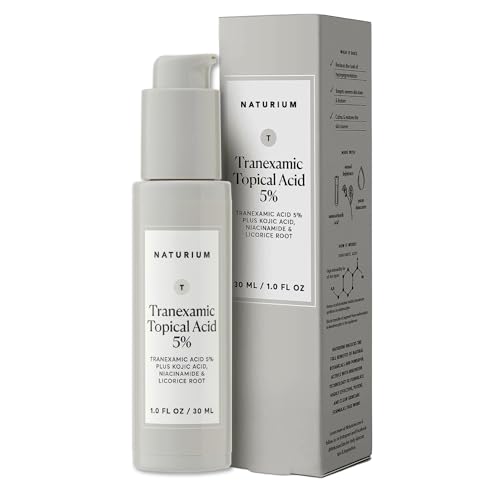
Naturium Tranexamic Topical Acid 5% ($20): The highest concentration widely available over the counter, this formula also includes kojic acid, niacinamide, and licorice root extract. An outstanding value for budget-conscious consumers seeking pharmaceutical-grade results.
Good Molecules Discoloration Correcting Serum ($12): The most affordable option on this list, featuring an advanced delivery system that enhances tranexamic acid penetration despite its lower price point.
The Inkey List Tranexamic Acid Serum ($18): A minimalist formula that pairs tranexamic acid with a form of vitamin C, making it an ideal choice for those who prefer streamlined routines.
Cos de Baha 5% Tranexamic Acid Serum: This K-beauty favorite combines high-concentration TXA with niacinamide for a dual-action approach that targets both melanin production and transfer. As explored in our K-Beauty Ingredients Encyclopedia, Korean brands have been pioneers in incorporating pharmaceutical-grade actives into accessible skincare.
How to Use Tranexamic Acid in Your Skincare Routine
One of the greatest advantages of tranexamic acid is its versatility and compatibility with other active ingredients. Unlike retinol or AHAs, which require careful introduction and can conflict with other actives, tranexamic acid layers seamlessly into existing routines without causing irritation or sensitivity.
When to Apply: Tranexamic acid can be used both morning and evening. In the morning, apply after cleansing and toning but before moisturizer and SPF. In the evening, apply after cleansing and before any heavier treatments.
Recommended Routine:
- Cleanse (double cleanse in the evening for best results, as outlined in our Glass Skin routine guide)
- Tone with a hydrating toner
- Apply tranexamic acid serum to clean, slightly damp skin
- Follow with a niacinamide or peptide serum if desired
- Moisturize with a barrier-supporting cream
- Apply broad-spectrum SPF 30+ (morning only, non-negotiable)
Best Ingredient Pairings: Tranexamic acid works synergistically with niacinamide, vitamin C, azelaic acid, alpha arbutin, and ectoin for enhanced brightening and barrier support. It is also safe to use alongside retinoids, though introduce retinol slowly if you are new to it.
Ingredients to Avoid Combining: While tranexamic acid is broadly compatible, avoid layering it directly with high-concentration AHA or BHA exfoliants in the same routine step, as over-exfoliation can compromise the skin barrier and worsen pigmentation.
Who Should Use Tranexamic Acid?
Tranexamic acid is safe for virtually all skin types, tones, and concerns. However, it is particularly beneficial for:
- Melasma sufferers: TXA is one of the few ingredients shown to meaningfully improve this challenging condition
- Post-inflammatory hyperpigmentation (PIH): Dark marks left behind after acne breakouts respond well to consistent TXA use
- Sun damage: Age spots and sun-induced freckling can be faded with regular application
- Sensitive skin types: Those who cannot tolerate hydroquinone, retinol, or high-concentration vitamin C will find tranexamic acid gentle and non-irritating
- Darker skin tones: Unlike some brightening treatments that carry risks for melanin-rich skin, tranexamic acid is safe for all Fitzpatrick skin types (I-VI)
- Pregnant and nursing individuals: While always consult your physician, topical tranexamic acid is generally considered safer than many alternative brightening ingredients during pregnancy
Expected Results: What Timeline to Expect
Consistency is key with tranexamic acid. Most users begin to see visible improvement in dark spots and overall skin tone within 4 to 8 weeks of consistent, twice-daily use. Stubborn melasma may take 8 to 12 weeks for noticeable improvement. Full results typically emerge at the 12-week mark, with continued improvement over the following months.
Side effects are minimal. Some patients may experience mild skin irritation, particularly during the initial days of use, but this typically resolves quickly with continued application and proper moisturizing. Unlike hydroquinone, there is no risk of rebound hyperpigmentation or ochronosis with long-term use, making tranexamic acid suitable for indefinite maintenance therapy.
The K-Beauty Connection: How Korean Skincare Pioneered TXA
Korean skincare brands have been at the forefront of incorporating tranexamic acid into accessible consumer products. While Western dermatology was still primarily using TXA in clinical settings, K-beauty brands recognized its potential for over-the-counter brightening formulations years ago. Today, brands like Cos de Baha, AXIS-Y, and VT Cosmetics offer dedicated tranexamic acid serums and creams that rival clinical formulations at a fraction of the price.
This innovation aligns with the broader K-beauty trend of bringing pharmaceutical-grade ingredients to everyday skincare, as we explored in our coverage of PDRN (salmon DNA) and exosome skincare. The mainstreaming of medical ingredients in K-beauty continues to be a defining trend of 2026, with tranexamic acid joining the ranks of PDRN, exosomes, and beta-glucan as must-know active ingredients.
You May Also Like
- Best Korean Vitamin C Serums 2026: Dermatologist-Approved Guide for Brighter Skin
- Skin Longevity 2026: Why Dermatologists Say It Replaces Anti-Aging
- Ectoin Skincare 2026: The Stress-Protection Molecule Your Skin Barrier Needs
- K-Beauty Ingredients Encyclopedia 2026: Every Trending Active Explained
FAQ
Q: Is tranexamic acid safe for daily use in 2026 skincare routines?
A: Yes, tranexamic acid is safe for daily, twice-daily use. Unlike hydroquinone, which has time-limited usage recommendations, tranexamic acid can be used indefinitely without risk of rebound hyperpigmentation or ochronosis. Most dermatologists recommend consistent daily application for best results.
Q: Can I use tranexamic acid with retinol or vitamin C?
A: Absolutely. Tranexamic acid is one of the most compatible actives in skincare. It pairs well with retinol, vitamin C, niacinamide, azelaic acid, and peptides. The only recommendation is to avoid layering it directly with strong chemical exfoliants (AHA/BHA) in the same routine step.
Q: How long does tranexamic acid take to fade dark spots?
A: Most users see visible improvement within 4 to 8 weeks of consistent, twice-daily use. Stubborn melasma may take 8 to 12 weeks. Full results typically appear by the 12-week mark, with ongoing improvement thereafter.
Q: What percentage of tranexamic acid is most effective for hyperpigmentation?
A: Dermatologists recommend serums with concentrations between 2% and 5% for optimal effectiveness. Products like Naturium offer 5% formulations, while most clinical serums contain 2-3%. Higher is not always better; consistent use matters more than concentration.
Q: Is tranexamic acid safe for darker skin tones?
A: Yes. Tranexamic acid is one of the safest brightening ingredients for all Fitzpatrick skin types, including darker skin tones (IV-VI). Unlike hydroquinone and certain laser treatments, which carry higher risks for melanin-rich skin, tranexamic acid does not cause paradoxical darkening or post-inflammatory complications.
The Bottom Line
Tranexamic acid has earned its place as one of the most important skincare ingredients of 2026. Backed by robust clinical evidence, endorsed by leading dermatologists, and available at every price point from $12 drugstore serums to $178 clinical treatments, it represents the kind of science-forward, results-driven skincare that defines this era. If you are dealing with dark spots, melasma, or uneven skin tone and have not yet tried tranexamic acid, 2026 is the year to start. Pair it with a solid SPF, a consistent routine, and a little patience, and you may find it delivers the brightening results that other ingredients only promised.
Sources: NBC Select, StyleRave, Beauty Independent, BeautyMatter, PMC/NCBI
댓글
댓글 쓰기