Exosome Skincare 2026: How This Biotech Ingredient Is Rewriting the Rules of Anti-Aging
Exosome Skincare 2026: How This Biotech Ingredient Is Rewriting the Rules of Anti-Aging

Exosome skincare has officially arrived as the most talked-about biotech ingredient of 2026, with dermatologists, K-beauty brands, and clinical researchers all converging on these microscopic cellular messengers as the next frontier in anti-aging science. Once confined to regenerative medicine labs and high-end dermatology clinics, exosome technology has rapidly crossed over into consumer-friendly serums, ampoules, and treatment products that promise to communicate directly with your skin cells, instructing them to produce more collagen, reduce inflammation, and essentially behave younger. With an estimated market value of $251 million and growing, exosome skincare is no longer a niche clinical trend but a full-blown beauty revolution that every skincare enthusiast needs to understand.
What Are Exosomes and Why Are They Different from Other Skincare Actives?
Exosomes are nano-sized extracellular vesicles, typically measuring between 30 and 150 nanometers in diameter, that are naturally released by cells to facilitate communication between different cell populations. Think of them as tiny biological envelopes that carry a payload of proteins, lipids, messenger RNA, and growth factors from one cell to another. In the context of skincare, this means exosomes can deliver regenerative instructions directly to fibroblasts, the cells responsible for producing collagen and elastin in the dermis.
What makes exosome skincare fundamentally different from traditional actives like retinol, vitamin C, or hyaluronic acid is the mechanism of action. While conventional ingredients work by providing raw materials or triggering surface-level chemical reactions, exosomes operate through biological signaling. As dermatologist Dr. Mona Gohara explains, exosomes function as "a high-tech signaling system that coordinates skin regeneration." They do not simply supply nutrients to the skin; they instruct cells to change their behavior at a molecular level.
This distinction matters because aging skin does not merely lack ingredients. Rather, the cells themselves become less efficient at communicating, repairing damage, and maintaining structural integrity. Exosomes address this root cause by restoring intercellular communication, which is why researchers and clinicians are so excited about their potential. Clinical research has demonstrated that exosome treatments can accelerate wound healing by 30 to 40 percent, enhance collagen organization, and significantly reduce inflammation markers.
The K-Beauty Exosome Revolution: Leading Brands and Products
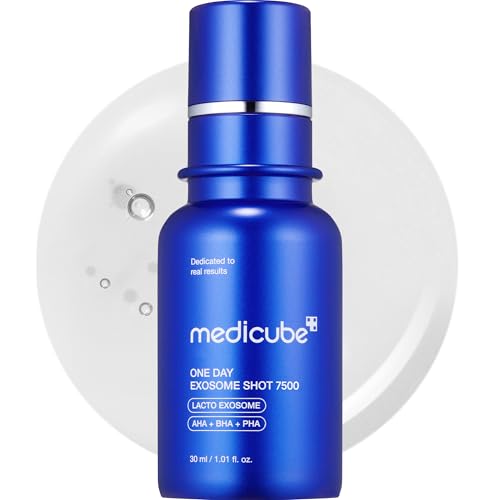
South Korea has once again positioned itself at the forefront of skincare innovation, and exosome technology is the latest arena where K-beauty brands are pushing boundaries. As we explored in our K-Beauty Ingredients Encyclopedia 2026, Korean skincare has a remarkable track record of translating clinical research into accessible consumer products, and exosomes are following the same trajectory.
Medicube has emerged as a frontrunner with its One Day Exosome Shot Pore Ampoule 7500, which combines lacto-exosomes derived from lactobacillus ferment with spicule technology. This innovative formula delivers anti-inflammatory and pore-tightening effects while using the mechanical microchannels created by spicules to drive exosomes deeper into the skin. The product has become a bestseller on platforms like Amazon and Olive Young, reflecting the growing consumer appetite for clinical-grade K-beauty products.
VT Cosmetics has taken a different approach with its PDRN R5 Firming Ampoule, which pairs Cica Exosomes with the already popular PDRN ingredient. As we detailed in our PDRN Skincare 2026 article, PDRN has established itself as a regenerative powerhouse derived from salmon DNA. By combining PDRN with centella asiatica-derived exosomes, VT Cosmetics has created a formula that targets both cellular communication and tissue repair simultaneously, along with five types of ceramides and peptides for barrier support.
Other notable Korean brands making waves in the exosome space include Dermafirm, which has launched professional-grade exosome serums for post-procedure care, and Celltermi, whose plant-derived exosome formulations focus on barrier repair and deep hydration. The trend toward plant-derived exosomes, particularly those extracted from cica or ginseng, reflects K-beauty's strategy of achieving delivery effects similar to human exosomes while minimizing regulatory complexity.
The Science Behind Exosome Skincare: What Dermatologists Actually Say
While the excitement around exosome skincare is palpable, the dermatology community offers a nuanced perspective that every informed consumer should understand. The scientific consensus is that exosomes hold genuine promise for skin regeneration, but the current landscape of consumer products comes with important caveats.
On the positive side, the fundamental biology of exosomes is well-established in peer-reviewed literature. Studies published in journals like the Journal of Clinical and Aesthetic Dermatology confirm that exosomes play a critical role in wound healing, collagen stimulation, and cellular repair. When delivered through open microchannels, such as those created by microneedling or spicule treatments, their effects on collagen production are likely more pronounced.
However, dermatologist Dr. Corey L. Hartman provides an important counterpoint: "There isn't enough research to show that exosomes perform at the same level, or better, than highly-researched and proven regenerative skincare ingredients like retinol, peptides, ceramides, and niacinamide." This perspective highlights the gap between clinical potential and consumer product reality. Most over-the-counter exosome serums use lab-made or plant-derived exosomes, which offer gentle hydration and repair but may not deliver the same regenerative benefits as human-derived exosomes used in clinical settings.
Dr. Asmi Berry adds further nuance: "Unless the exosomes are biologically active and clinically sourced, they are unlikely to deliver true regenerative results." She notes that plant-derived options still offer value for "gentle skin repair and hydration," making them a worthwhile addition to routines even if their mechanism is less potent than clinical-grade alternatives.
What is clear is that exosome skincare works best as part of a comprehensive approach, complementing rather than replacing proven actives. As detailed in our Anti-Aging Skincare Guide 2026, the most effective anti-aging routines layer multiple scientifically-backed ingredients, and exosomes can be a powerful addition to this strategy.
Exosomes vs PDRN vs Spicules: Understanding the 2026 Biotech Skincare Trio
One of the most common questions in 2026 skincare is how exosomes relate to other biotech ingredients, particularly PDRN and spicules. Understanding the distinction and synergy between these three ingredients is essential for building an optimized routine.
PDRN, or polydeoxyribonucleotide, is derived from salmon DNA and works by activating adenosine A2A receptors to stimulate tissue repair and reduce inflammation. It acts as "recovery fuel" at the cellular level. Exosomes, on the other hand, function as communication vehicles that carry instructions from one cell to another, telling cells to produce collagen, reduce inflammation, or accelerate healing. While PDRN provides the building blocks for repair, exosomes provide the blueprint.
Spicules serve an entirely different function. These microscopic needle-shaped particles derived from marine sponges create temporary microchannels in the skin's surface, enhancing the penetration of other active ingredients. This is why the most innovative K-beauty products in 2026 are combining all three: spicules to create delivery channels, exosomes to carry regenerative signals through those channels, and PDRN to provide the raw regenerative material that cells need to execute the instructions they receive.
This convergence of biotech ingredients represents what industry analysts call the "medicosmetic pivot," where medical-grade ingredients are being formulated into consumer-friendly products. The fusion of spicules and exosomes has been called "topical devices" or "liquid microneedling," representing a paradigm shift in delivery technology that originated in Korean beauty labs and is now spreading globally.
How to Add Exosome Products to Your Skincare Routine
If you are ready to incorporate exosome skincare into your routine, here is a practical guide based on dermatologist recommendations and product formulation best practices.
For beginners, start with a standalone exosome serum applied after cleansing and toning but before heavier moisturizers. Exosome serums typically have lightweight, water-based formulations that absorb quickly, making them ideal for layering. Apply to slightly damp skin to enhance absorption, and follow with your regular moisturizer and sunscreen.
For intermediate users who already have an established routine with actives like retinol or vitamin C, exosome products can be used on alternate nights or as a morning serum to complement evening retinol use. Since exosomes support cellular repair and reduce inflammation, they pair particularly well with retinol by helping to mitigate irritation while amplifying regenerative effects.
For advanced users interested in maximum efficacy, consider pairing exosome serums with spicule-based products or using them immediately after at-home microneedling sessions. The microchannels created by these treatments significantly enhance exosome penetration. However, always consult a dermatologist before combining penetration-enhancing techniques, especially if you have sensitive skin or conditions like rosacea.
Key application tips for all levels:
- Apply exosome serum to clean, slightly damp skin for better absorption
- Use gentle patting motions rather than rubbing to preserve the delicate vesicle structures
- Allow 60 seconds of absorption time before applying the next layer
- Always follow with broad-spectrum SPF 30 or higher during the day
- Store exosome products according to manufacturer instructions, as some require refrigeration
The Exosome Market in 2026: Growth, Regulation, and What Is Coming Next
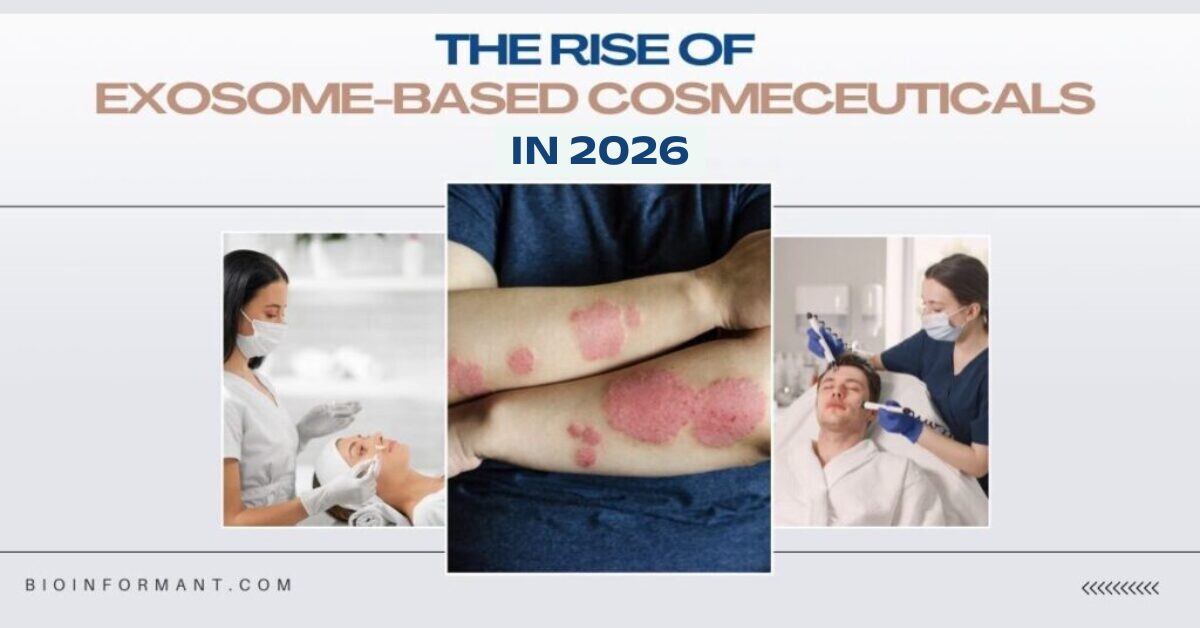
The exosome skincare market is experiencing explosive growth in 2026. According to BioInformant, the exosome-based skincare market is currently valued at approximately $251 million annually, with projections indicating continued double-digit growth as more brands enter the space and consumer awareness increases. More than 500 dermatologists across the United States alone now offer exosome-based treatments in their clinics, a number that has more than doubled in the past 18 months.
Regulatory clarity remains a significant factor shaping the market. As Dr. Michele Green notes, cosmetic topicals "don't need to undergo the strict testing associated with receiving FDA approval, which makes their effectiveness unclear." No exosome product has received FDA approval for cosmetic use, meaning consumers must rely on brand reputation, clinical evidence, and dermatologist recommendations when selecting products. This regulatory gap is expected to narrow as the FDA develops more specific guidelines for exosome-containing cosmeceuticals.
Looking ahead, the exosome skincare category is evolving in several directions. Personalized exosome formulations, where vesicles are engineered to target specific skin concerns like hyperpigmentation, acne scarring, or age-related volume loss, are already in clinical development. AI-powered skin analysis tools are being paired with exosome treatments to create truly customized protocols. And the convergence with other K-beauty innovations, from fermented ingredients to advanced delivery systems, promises even more effective next-generation products.
For consumers navigating this rapidly evolving space, the smartest approach is to look for products backed by clinical data, formulated by brands with dermatological expertise, and recommended by board-certified dermatologists rather than social media influencers alone. Refer to our K-Beauty Complete Guide 2026 for more guidance on evaluating Korean skincare products.
You May Also Like
- PDRN Skincare 2026: The Salmon DNA Ingredient Dermatologists and Celebrities Swear By
- Spicule Skincare 2026: Is K-Beauty's Microneedling in a Bottle Worth the Hype?
- Anti-Aging Skincare Guide 2026: Science-Backed Ingredients, Routines, and Expert Strategies
- K-Beauty Ingredients Encyclopedia 2026: Every Trending Skincare Active Explained
- Complete Guide to Glass Skin 2026: The 10-Step Korean Skincare Routine
FAQ
Q: What are exosomes in skincare and how do they work?
A: Exosomes are nano-sized vesicles naturally released by cells that carry proteins, growth factors, and genetic material. In skincare, they act as biological messengers that signal your skin cells to increase collagen production, reduce inflammation, and accelerate tissue repair. Unlike traditional ingredients that provide raw materials, exosomes work by restoring cell-to-cell communication, addressing one of the root causes of skin aging.
Q: Are exosome skincare products FDA approved?
A: No, exosome skincare products are not currently FDA approved for cosmetic use. While the underlying science is supported by peer-reviewed research in wound healing and tissue regeneration, consumer skincare products do not require FDA approval to be sold. Dermatologists recommend choosing products from reputable brands with published clinical data rather than relying solely on marketing claims.
Q: What is the difference between exosome skincare and PDRN skincare?
A: PDRN (polydeoxyribonucleotide) is derived from salmon DNA and provides building blocks for cellular repair by activating specific repair receptors. Exosomes are communication vesicles that carry instructions telling cells how to behave, such as producing more collagen or reducing inflammation. Think of PDRN as the raw materials and exosomes as the blueprint. Many advanced K-beauty products now combine both ingredients for synergistic anti-aging effects.
Q: Can I use exosome serums with retinol?
A: Yes, exosome serums can complement retinol effectively. Since exosomes support cellular repair and reduce inflammation, they can help mitigate the irritation commonly associated with retinol use. Many dermatologists suggest using exosome serum in the morning and retinol at night, or alternating nights if your skin is sensitive. Always introduce new products gradually and use sunscreen daily.
Q: Which exosome skincare products are best for beginners in 2026?
A: For beginners, look for standalone exosome serums with simple formulations, such as those from VT Cosmetics or plant-derived exosome products that offer gentle repair without irritation risk. Start by using the product two to three times per week and gradually increase to daily use. Avoid combination products with spicules or strong actives until your skin has adapted to the exosome ingredient.
The Bottom Line
Exosome skincare in 2026 represents a genuine paradigm shift in how we approach anti-aging, moving from simply applying ingredients to the skin surface to engaging in molecular-level cellular communication. While the science is promising and the K-beauty innovation engine is delivering increasingly sophisticated products, consumers should maintain realistic expectations. The most effective approach combines exosome products with proven actives like retinol, vitamin C, and sunscreen as part of a comprehensive, evidence-based skincare routine. As research continues and formulation technology advances, exosomes are poised to become a cornerstone of modern skincare, but they work best as one powerful piece of a larger puzzle rather than a miracle ingredient on their own.
Sources: NBC News | BioInformant | BeautyMatter | Journal of Clinical and Aesthetic Dermatology


댓글
댓글 쓰기