Ectoin Skincare 2026: The Stress-Protection Molecule Dermatologists Say Your Skin Barrier Needs
Ectoin Skincare 2026: The Stress-Protection Molecule Dermatologists Say Your Skin Barrier Needs

Ectoin skincare is dominating the beauty conversation in 2026, with searches for "ectoin skincare" surging 86 percent in recent months according to trend tracking data from Cult Beauty. This extremolyte ingredient, originally discovered by scientists in an Egyptian desert in 1985, has rapidly moved from niche laboratory curiosity to mainstream must-have, earning endorsements from board-certified dermatologists and a growing roster of prestige skincare brands. From Dr. Jart+ to Biossance, Paula's Choice to Supergoop, major names are formulating with ectoin to deliver superior hydration, barrier repair, and environmental protection for every skin type.
What Is Ectoin and Why Is It Trending in 2026?
Ectoin is a naturally occurring short-chain amino acid classified as an extremolyte, a stress-protection molecule produced by microorganisms that survive in the harshest environments on Earth. These organisms thrive in salt lakes, volcanic hot springs, and sun-scorched deserts by producing ectoin to shield their cellular structures from dehydration, UV damage, and extreme temperature shifts.
When applied topically in skincare, ectoin leverages a mechanism known as kosmotropic activity. It binds water molecules in a highly organized way, creating a stable hydration complex that forms a protective "shell" around skin cells, proteins, and biological structures. This molecular water shield protects cells from both physical and chemical stress, making ectoin fundamentally different from conventional humectants like hyaluronic acid that simply attract moisture.
"Ectoin helps cells survive under extreme environmental conditions," explains Dr. Gloria Lin, FAAD, a board-certified dermatologist at Schweiger Dermatology Group in New York City. In skincare formulations, that translates to measurable benefits for barrier integrity, hydration retention, and inflammatory response management.
The 2026 skincare landscape has shifted decisively toward barrier-focused, regenerative ingredients, and ectoin sits at the intersection of these two megatrends. As consumers move away from aggressive actives and multistep routines toward smarter, science-backed formulations that support long-term skin resilience, ectoin has emerged as the ingredient that delivers both immediate comfort and cumulative protective benefits.
The Science Behind Ectoin: How It Protects Your Skin Barrier
Understanding why dermatologists are enthusiastic about ectoin requires a closer look at its protective mechanisms. Unlike many trending ingredients that rely on a single pathway, ectoin works through multiple complementary actions.
The primary mechanism is barrier stabilization. Ectoin reinforces the lipid matrix of the stratum corneum, reducing transepidermal water loss (TEWL) and preventing the micro-cracks in the skin barrier that allow irritants, allergens, and pollutants to penetrate. For anyone who has experienced the tight, flaky discomfort of a compromised barrier, this is the fundamental fix.
Ectoin also demonstrates significant anti-inflammatory properties. Clinical research published in peer-reviewed journals has shown that ectoin suppresses the release of pro-inflammatory cytokines, making it particularly effective for conditions characterized by chronic low-grade inflammation, including rosacea, eczema, and post-procedural sensitivity.
Perhaps most compelling for the anti-aging conversation is ectoin's ability to prevent oxidative cellular damage. A placebo-controlled study examining four weeks of treatment with 0.5% ectoin in the crow's feet area found a significant anti-wrinkle effect, with a 19 percent mean reduction in wrinkle depth observed in 100 percent of participants. Dr. Mamina Turegano, a triple board-certified dermatologist in Louisiana, notes that ectoin's research profile shows no adverse effects when used to target multiple skin concerns, including dehydration, signs of aging, and breakouts.
Environmental defense represents another critical dimension. Ectoin functions as what dermatologists describe as a cellular bodyguard, protecting skin from blue light emission from screens, atmospheric pollution, and the oxidative stress triggered by urban living. As our understanding of exposome-driven aging deepens, ingredients like ectoin that address environmental assault at the cellular level become increasingly essential components of a protective skincare strategy. For a broader perspective on science-backed anti-aging strategies, our Anti-Aging Skincare Guide 2026 covers the full spectrum of clinically validated approaches.
Best Ectoin Skincare Products for 2026: Dermatologist Picks
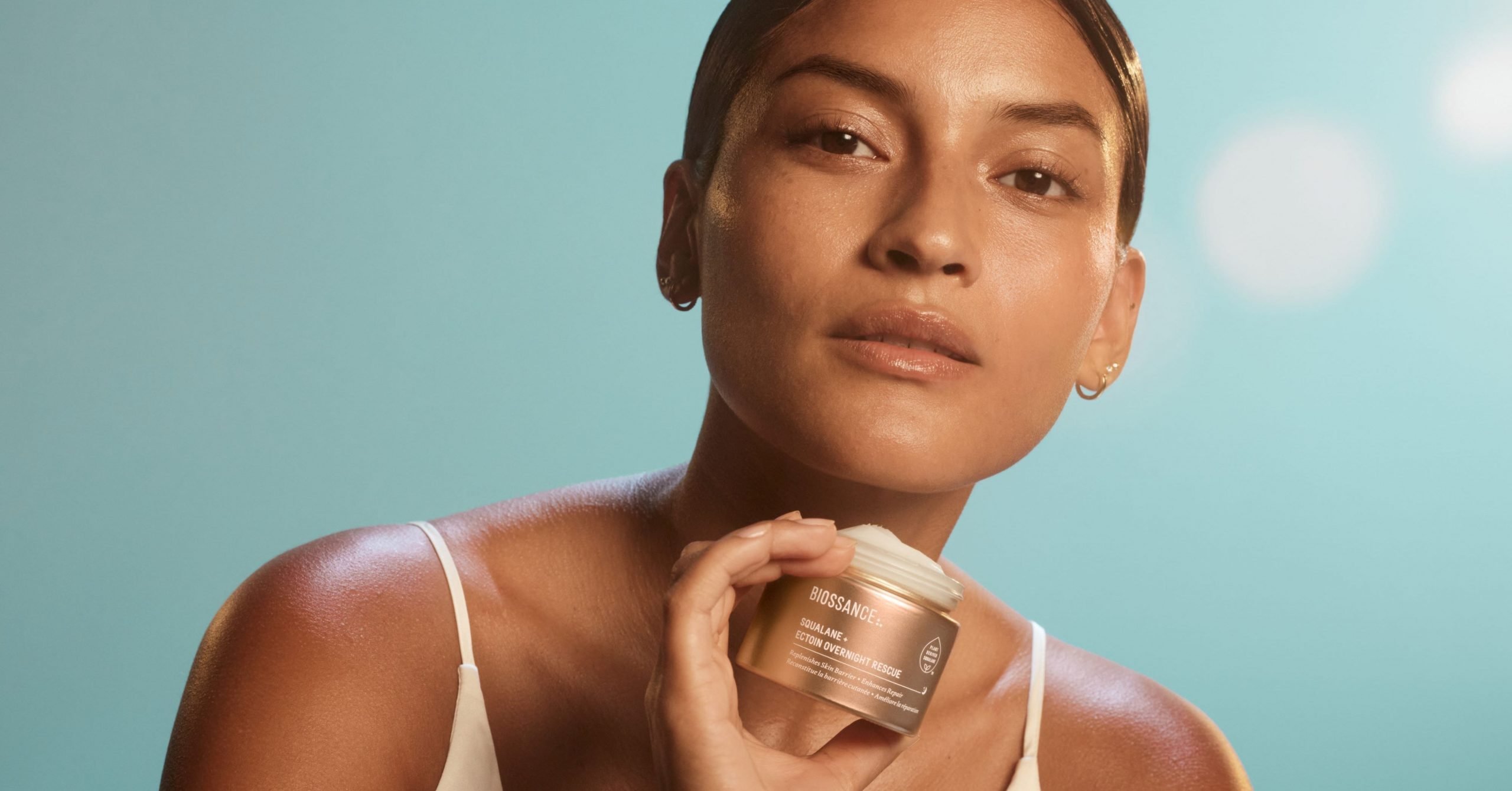
The ectoin product landscape has expanded dramatically in 2026, with formulations now available across every product category from serums to sunscreens. Here are the standout options recommended by dermatologists and beauty editors.
Dr. Jart+ Ceramidin Ectoin-Infused Cream ($65) combines ectoin with the brand's signature ceramide complex, olive oil, shea butter, and hyaluronic acid. This is particularly notable because Dr. Jart+ has long been a leader in K-beauty barrier repair, and their integration of ectoin into the beloved Ceramidin line signals the ingredient's mainstream arrival. As we explored in our K-Beauty Ingredients Encyclopedia 2026, Korean brands consistently lead the way in adopting clinically proven actives.
Paula's Choice 7% Ectoin + Hyaluronic Acid Milky Hydrating Serum ($43) delivers one of the highest ectoin concentrations on the market in a lightweight, milky texture that layers effortlessly under sunscreen and makeup. The combination with hyaluronic acid creates a dual-mechanism hydration approach: ectoin's protective water shell paired with hyaluronic acid's moisture-attracting properties.
Biossance Squalane + Ectoin Overnight Rescue ($70) harnesses ectoin alongside plant-derived squalane for a nighttime treatment that capitalizes on the skin's circadian repair cycle. The formula targets barrier recovery during sleep, when skin regeneration peaks and cortisol levels drop, allowing ectoin to work synergistically with the skin's natural repair mechanisms.
Supergoop Protec(tint) Daily SPF Tint SPF 50 ($44) represents the hybrid cosmetics trend at its best, incorporating ectoin alongside hyaluronic acid and bentonite clay in a tinted SPF available in 14 shades. This product delivers sun protection, skin-barrier support, and natural-looking coverage in a single step, reflecting the 2026 consumer demand for multifunctional formulations.
For those on a budget, Prequel Multi-Quench Plumping Hydration Serum ($28-$35) pairs ectoin with polyglutamic acid and glycerin in a TSA-friendly format. Allies of Skin Copper Tripeptide and Ectoin Advanced Repair Serum ($199) sits at the luxury end, combining ectoin with copper tripeptides and exosomes for a clinically intensive approach.
Susanne Kaufmann Ectoin Repair Serum ($150) is particularly recommended for redness-prone skin, featuring ectoin alongside coenzyme Q10, purple algae extract, and alpine rose extract for comprehensive anti-inflammatory and antioxidant support.
How to Use Ectoin in Your Skincare Routine
Integrating ectoin into an existing routine is straightforward, which is part of its appeal in the 2026 skinimalism movement. Ectoin is non-irritating and compatible with virtually every other active ingredient, including retinoids, vitamin C, niacinamide, and AHAs/BHAs.
For maximum efficacy, dermatologists recommend using ectoin in leave-on formulations rather than rinse-off products. Serums, moisturizers, and sunscreens allow the ectoin to remain in contact with the skin long enough to establish its characteristic water-binding protective shield. Rina Teslica at Cult Beauty confirms that ectoin can "help strengthen the skin barrier, hydrate and protect against environmental aggressors" when formulated in appropriate delivery vehicles.
A morning routine might include an ectoin serum layered under an SPF moisturizer, creating a double layer of environmental defense. Evening application pairs well with retinoids, as Dr. Arash Akhavan, FAAD, a Mount Sinai professor of dermatology, notes that ectoin may help reduce the inflammation commonly associated with retinoid use, making the adaptation period more comfortable for sensitive skin types.
Look for products where ectoin appears in the upper third of the ingredient list, indicating a meaningful concentration. While exact percentages vary by brand and are not always disclosed, the Paula's Choice formulation at 7 percent represents one of the highest documented concentrations available in over-the-counter skincare.
Ectoin vs. Other Barrier Repair Ingredients: How Does It Compare?
The barrier repair category in 2026 is crowded with compelling ingredients. Understanding where ectoin fits relative to other options helps consumers make informed choices. As our Beta-Glucan Skincare Guide detailed, barrier repair ingredients each have distinct mechanisms.
Compared to ceramides, which physically replace the lipids in a damaged barrier, ectoin works by stabilizing existing cellular structures and preventing further damage. These approaches are complementary rather than competitive, which is why products like Dr. Jart+ Ceramidin Ectoin-Infused Cream combine both.
Against hyaluronic acid, ectoin offers a fundamentally different hydration mechanism. While hyaluronic acid is a humectant that draws water from the environment and deeper skin layers, ectoin creates an organized water structure that physically shields cells. In dry or low-humidity environments where hyaluronic acid can actually increase TEWL, ectoin's protective mechanism remains consistently effective.
Relative to niacinamide, another barrier-supportive active, ectoin provides stronger anti-inflammatory action but less sebum regulation. For acne-prone skin that also needs barrier support, a combination of both ingredients often produces optimal results.
The emerging regenerative ingredients like PDRN, exosomes, and growth factors operate at a deeper cellular level, promoting tissue repair and cell regeneration. Ectoin complements these by providing the protective environment in which regeneration can occur more efficiently, which is why formulations like Allies of Skin pair ectoin with exosomes and copper tripeptides.
Who Should Use Ectoin Skincare?
While ectoin is suitable for every skin type due to its non-irritating profile, certain skin concerns benefit most dramatically from its inclusion.
Dry skin types experience the most visible hydration improvement, as ectoin's water-binding mechanism directly addresses the moisture retention deficit that defines dryness. Sensitive and reactive skin, including conditions like rosacea and eczema, benefits from ectoin's anti-inflammatory properties and its ability to reinforce a compromised barrier without introducing potential irritants.
Mature skin gains from ectoin's dual anti-aging action: the immediate wrinkle-plumping effect from enhanced hydration plus the long-term protective effect against oxidative damage that accelerates collagen degradation. Urban dwellers with high pollution and blue-light exposure receive particular environmental defense benefits.
Retinoid users represent an especially promising population for ectoin supplementation, as the ingredient's ability to reduce retinoid-associated inflammation can improve treatment adherence and outcomes. Anyone undergoing professional skin treatments such as chemical peels, microneedling, or laser procedures may find ectoin accelerates barrier recovery during the healing phase.
You May Also Like
- Beta-Glucan Skincare 2026: Why Dermatologists Call It the Ultimate Barrier Repair Ingredient
- PDRN Skincare 2026: Why Salmon DNA Is K-Beauty's Hottest Anti-Aging Ingredient
- Exosome Skincare 2026: How This Biotech Ingredient Is Rewriting Anti-Aging Rules
- K-Beauty Complete Guide 2026: Your Ultimate Korean Skincare Handbook
FAQ
Q: What is ectoin in skincare and how does it work?
A: Ectoin is a natural amino acid extremolyte originally discovered in desert-dwelling microorganisms. In skincare, it works through kosmotropic activity, binding water molecules to create a stable protective shield around skin cells. This mechanism strengthens the skin barrier, reduces transepidermal water loss, calms inflammation, and defends against environmental stressors including UV radiation, blue light, and pollution.
Q: Is ectoin better than hyaluronic acid for hydration?
A: Ectoin and hyaluronic acid work through different mechanisms and are best used together rather than as replacements. Hyaluronic acid is a humectant that attracts water, while ectoin creates an organized water structure that physically shields cells. Ectoin has an advantage in dry or low-humidity environments where hyaluronic acid may be less effective. Many dermatologists recommend products that combine both ingredients for comprehensive hydration.
Q: Can I use ectoin with retinol or vitamin C?
A: Yes. Ectoin is compatible with virtually all active ingredients including retinoids, vitamin C, niacinamide, and acids. Dermatologists note that ectoin may actually help reduce the inflammation and irritation commonly associated with retinoid use, making it an excellent companion ingredient during retinoid adaptation periods.
Q: What skin type is ectoin best for?
A: Ectoin is non-irritating and suitable for all skin types. However, those with dry, sensitive, reactive, or mature skin tend to see the most dramatic benefits. People with rosacea, eczema, or a compromised skin barrier especially benefit from ectoin's anti-inflammatory and barrier-strengthening properties. Urban dwellers and frequent screen users also gain significant environmental protection benefits.
Q: How much does ectoin skincare cost in 2026?
A: Ectoin skincare products range from budget-friendly to luxury. Entry-level options like Prequel Multi-Quench Plumping Hydration Serum start around $28, mid-range products like Paula's Choice 7% Ectoin Serum ($43) and Dr. Jart+ Ceramidin Ectoin-Infused Cream ($65) offer strong value, and luxury treatments like Allies of Skin Copper Tripeptide and Ectoin Advanced Repair Serum reach $199.
The Bottom Line
Ectoin represents exactly the kind of ingredient that defines the 2026 skincare paradigm: science-backed, multi-functional, non-irritating, and effective across every skin type and concern. With an 86 percent surge in search interest and endorsements from board-certified dermatologists including Dr. Gloria Lin, Dr. Arash Akhavan, and Dr. Mamina Turegano, ectoin has graduated from emerging ingredient to essential active.
Whether you integrate it through a dedicated serum, a barrier cream, or a multitasking SPF, ectoin delivers the kind of cellular-level protection that supports long-term skin health rather than just short-term cosmetic improvement. In a year when the industry has firmly embraced skin longevity over quick fixes, ectoin is the stress-protection molecule your barrier has been waiting for.
Sources: NBC News, Luxury London, Biossance, Who What Wear, Paula's Choice


댓글
댓글 쓰기