Complete Guide to Glass Skin 2026: The 10-Step Korean Skincare Routine for a Dewy, Luminous Complexion
Complete Guide to Glass Skin 2026: The 10-Step Korean Skincare Routine for a Dewy, Luminous Complexion

Glass skin remains the most coveted K-beauty ideal in 2026, describing a complexion so deeply hydrated, smooth, and luminous that it appears to reflect light like a pane of glass. Originating from Korean skincare culture, this trend has evolved from a niche beauty aspiration into a global phenomenon, with Korean glass skin facials seeing a 140% increase in demand at spas worldwide. Whether you are a K-beauty veteran or a complete beginner, this comprehensive guide walks you through the science, the steps, and the products you need to achieve authentic Korean glass skin at home.
For a broader overview of Korean skincare philosophy, see our K-Beauty Complete Guide 2026.
What Exactly Is Glass Skin?
Glass skin is not about layering on highlighter or using a blurring filter. It describes skin that is genuinely healthy from within: intensely hydrated, poreless in appearance, even-toned, and naturally reflective. The term was coined in South Korea around 2017 and has since become the benchmark for skincare success across Asia, North America, and Europe.
In 2026, the glass skin concept is evolving. Beauty experts now distinguish between the original ultra-reflective glass skin and the newer "bloom skin" trend, which favors a softer, more petal-fresh glow. According to integrated facialist April Brodie, speaking to Refinery29, "The aesthetic is evolving from ultra-reflective glass skin to what I call bloom skin — hydrated, strengthened, even-toned skin that looks naturally luminous rather than glossy." Both approaches share the same foundation: a meticulous, multi-step routine that prioritizes hydration and barrier health above all else.
The Science Behind the Glow: Key Ingredients for Glass Skin
Before diving into the routine, understanding the powerhouse ingredients is essential. These actives form the scientific backbone of every glass skin regimen:
Hyaluronic Acid — A humectant that draws moisture from the environment into the skin, holding up to 1,000 times its weight in water. It plumps the skin, minimizes the appearance of fine lines, and creates that dewy foundation essential for glass skin.
Niacinamide (Vitamin B3) — Brightens skin tone, reduces pore appearance, strengthens the moisture barrier, and regulates sebum production. The optimal concentration is 5-10% for visible results. For a deep dive into this ingredient, visit our K-Beauty Ingredients Encyclopedia 2026.
Snail Mucin — Contains glycoproteins, hyaluronic acid, and glycolic acid naturally. COSRX Advanced Snail 96 Mucin Power Essence, with over 40,000 five-star Amazon reviews, remains the gold standard. It hydrates, repairs, and creates a smooth canvas.
Centella Asiatica (Cica) — A soothing botanical that repairs the skin barrier, reduces redness, and accelerates healing. Essential for sensitive skin types pursuing the glass skin look.
Ceramides — Lipids that restore the skin natural barrier and lock in moisture. A compromised barrier leads to dehydration and dullness, the opposite of glass skin.
Peptides — Signal molecules that stimulate collagen production, improving firmness and reducing fine lines over time.
PDRN (Polydeoxyribonucleotide) — One of the hottest ingredients of 2026. Originally used in clinical dermatology, PDRN promotes cellular regeneration and deep hydration. It is now available in serums, creams, and masks. Learn more in our PDRN Skincare Guide.
The 10-Step Korean Glass Skin Routine: Morning Edition
The classic Korean glass skin routine follows a layering philosophy: thin, hydrating layers that build upon each other to create cumulative moisture and glow. Here is the complete 10-step breakdown.
Step 1: Oil Cleanser
Start with an oil-based cleanser to dissolve sunscreen, makeup, and excess sebum from the previous night. Oil attracts oil, making this the most effective first cleanse. Massage gently for 60 seconds, then emulsify with water. Top picks: Banila Co Clean It Zero, Hanyul Pure Artemisia Cleansing Oil.
Step 2: Water-Based Cleanser
Follow with a gentle, low-pH (5.0-6.0) water-based cleanser to remove any remaining residue without stripping moisture. This double cleansing method is the non-negotiable foundation of glass skin. Look for sulfate-free formulas with soothing ingredients. Top picks: COSRX Low pH Good Morning Gel Cleanser, Innisfree Green Tea Amino Hydrating Cleansing Foam.
Step 3: Exfoliant (2-3 times per week)
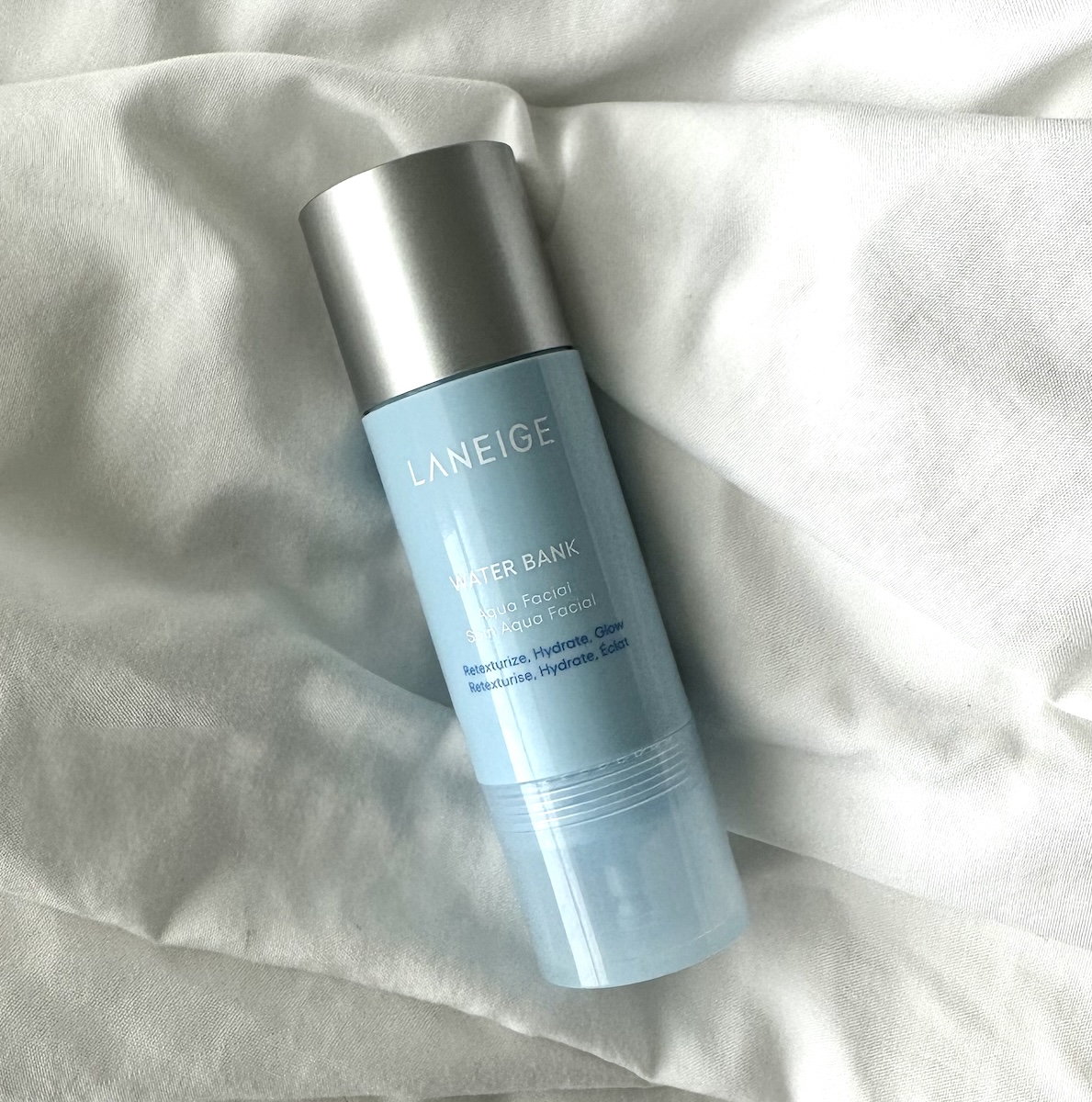
Gentle chemical exfoliation removes dead skin cells that create dullness and texture. AHAs (glycolic, lactic acid) work on the surface for brightness, while BHAs (salicylic acid) penetrate pores. Do not over-exfoliate: 2-3 times per week is sufficient. Top picks: COSRX AHA/BHA Clarifying Treatment Toner, Laneige Water Bank Aqua Facial (with AHA, BHA, and PHA).
Step 4: Toner
Korean toners are hydrating, not astringent. They balance pH, prep the skin for better absorption of subsequent layers, and deliver the first wave of hydration. Pat gently with palms rather than using cotton pads to minimize product waste. Top picks: Klairs Supple Preparation Unscented Toner, Laneige Cream Skin Toner and Moisturizer.
Step 5: Essence
The essence is the heart of a Korean glass skin routine and what distinguishes it from Western skincare. Lighter than a serum but more concentrated than a toner, essences deliver hydration and skin-renewing actives deep into the skin. Fermented ingredients like Pitera (in SK-II) and galactomyces are particularly prized for their brightening effects. Top picks: COSRX Advanced Snail 96 Mucin Power Essence, SK-II Facial Treatment Essence.
Step 6: Serum or Ampoule
This is your treatment step. Choose serums based on your specific concerns: hyaluronic acid for hydration, vitamin C for brightening and antioxidant protection, niacinamide for pore refinement, or PDRN for cellular regeneration. In 2026, multi-active serums that combine 2-3 key ingredients in optimized concentrations are trending. Top picks: Dr. Jart+ Cicapair Serum, Beauty of Joseon Glow Serum (propolis + niacinamide).
Step 7: Sheet Mask (2-3 times per week)
Sheet masks deliver a concentrated dose of serum directly to the skin for 15-20 minutes. They are an express treatment for instant glass skin before events. Look for masks with hyaluronic acid, centella, or snail mucin. Dr. Jart+ Dermask Rubber Masks offer an updated formula for a glass-like finish. Apply for 15-20 minutes, then pat remaining essence into the skin.
Step 8: Eye Cream
The delicate eye area needs its own hydration. Look for peptides and caffeine to address fine lines and puffiness. Apply with your ring finger using gentle tapping motions. Top picks: Innisfree Jeju Orchid Eye Cream, COSRX Advanced Snail Peptide Eye Cream.
Step 9: Moisturizer
Moisturizer seals in all previous layers and prevents transepidermal water loss. Choose your texture based on skin type: gel-cream for oily skin, rich cream for dry skin. The goal is to create a smooth, plump surface that catches light. Top picks: Laneige Water Bank Blue Hyaluronic Gel Moisturizer, COSRX Advanced Snail 92 All-in-One Cream.
Step 10: Sunscreen (SPF 50+ PA++++)
The final and arguably most critical step. UV damage causes hyperpigmentation, premature aging, and barrier damage, all enemies of glass skin. Korean sunscreens are renowned for their lightweight, cosmetically elegant formulas that leave no white cast. Top picks: Beauty of Joseon Relief Sun: Rice + Probiotics SPF50+, Isntree Hyaluronic Acid Watery Sun Gel.
The Nighttime Routine: Recovery and Repair
The evening routine mirrors the morning with key differences:
Replace sunscreen with a sleeping mask or overnight treatment. This is when your skin does its heaviest repair work. Products like Laneige Water Sleeping Mask infuse skin with Hydro Ionized Mineral Water and a probiotic-derived complex, leaving you with plump, luminous skin by morning.
Use your treatment serums more generously at night. Retinol or bakuchiol can be introduced in the serum step (Step 6) for anti-aging benefits. For a detailed comparison, see our Anti-Aging Skincare Guide 2026.
Consider adding a facial oil as the final seal. Oils like rosehip or squalane create an occlusive layer that locks in all your hydrating layers overnight.
Glass Skin on a Budget: The Simplified 4-Step Routine

Not everyone has time for 10 steps every day. In 2026, the K-beauty philosophy has also embraced skinimalism, where fewer high-performance products replace a lengthy routine. Here is the essential 4-step glass skin routine:
1. Double Cleanse (oil + water-based cleanser)
2. Hydrating Toner or Essence (choose one multi-functional product)
3. Serum with hyaluronic acid or niacinamide
4. Moisturizer + SPF (morning) or Sleeping Mask (night)
The key insight: glass skin is about consistent hydration layering, not product count. Even four well-chosen products, used religiously, will outperform ten mediocre ones used sporadically.
Common Mistakes That Sabotage Your Glass Skin Goals
Over-Exfoliating — Chemical exfoliants are powerful. Using them daily destroys the moisture barrier and causes redness, flaking, and sensitivity. Stick to 2-3 times per week maximum.
Skipping Sunscreen — UV exposure undoes weeks of careful skincare. Even on cloudy days, UVA rays penetrate windows and clouds. Non-negotiable for glass skin.
Using Products in the Wrong Order — The rule is thin to thick: toner, essence, serum, moisturizer, sunscreen. Applying thick products first creates a barrier that prevents lighter products from penetrating.
Expecting Instant Results — Improved hydration appears within days, but the full glass skin transformation takes 8-12 weeks of consistent use. Visible reduction in dullness and uneven tone typically appears at the 2-4 week mark.
Ignoring Diet and Sleep — Skincare is only part of the equation. Korean beauty culture emphasizes inner health: adequate water intake (2L daily), 7-8 hours of sleep, and a diet rich in antioxidants and omega-3 fatty acids.
Glass Skin for Every Skin Type
Oily Skin — Focus on lightweight, water-based products. Gel moisturizers and oil-free sunscreens prevent excess shine while maintaining hydration. Niacinamide is your best friend for pore control without drying.
Dry Skin — Layer multiple hydrating toners (the 7-skin method), use richer creams with ceramides, and always finish with an occlusive sleeping mask at night.
Sensitive Skin — Prioritize centella asiatica, panthenol, and fragrance-free formulations. Avoid vitamin C and retinol until your barrier is strong. Patch-test every new product for 48 hours.
Combination Skin — Multi-mask if needed: richer products on dry zones, lighter ones on the T-zone. Essences work beautifully for combination skin because they hydrate without heaviness.
Acne-Prone Skin — Glass skin is absolutely achievable with acne-prone skin. BHA toners keep pores clear, snail mucin repairs post-acne marks, and niacinamide controls oil. Avoid heavy occlusives that may trigger breakouts.
2026 Glass Skin Trends to Watch
The K-beauty industry generated nearly 2 billion dollars in sales entering 2026, a 37% year-over-year surge. Here are the trends reshaping the glass skin approach:
Barrier-First Skincare — The biggest shift in 2026. Consumers are prioritizing formulas with ceramides, panthenol, peptides, and fermented ingredients that strengthen the moisture barrier before adding actives.
Bio-Fermented Actives — Lab-engineered botanicals and bio-fermented ingredients are moving into the mainstream, offering higher potency with lower irritation potential.
PDRN and Exosomes — Clinical-grade ingredients formerly confined to dermatology offices are now available in over-the-counter products. These cellular-level actives represent the cutting edge of glass skin science. Explore the latest innovations in our coverage of the High Rise Skin trend.
Skincare Devices — LED masks, micro-current devices, and ultrasonic spatulas are now designed for daily home use, complementing product-based routines for accelerated results.
You May Also Like
- K-Beauty Complete Guide 2026: Your Ultimate Korean Skincare Handbook
- K-Beauty Ingredients Encyclopedia 2026: Every Trending Skincare Active Explained
- Anti-Aging Skincare Guide 2026: Science-Backed Ingredients, Routines, and Expert Strategies
- PDRN Skincare 2026: The Salmon DNA Ingredient Dermatologists Swear By
- High Rise Skin 2026: The Skin Prep Trend Replacing Glass Skin
Frequently Asked Questions
Q: How long does it take to achieve glass skin with a Korean skincare routine?
A: You will notice improved hydration and softer texture within 3-5 days of starting a consistent routine. Visible reduction in dullness and uneven skin tone typically appears within 2-4 weeks. The full glass skin transformation, including minimized pores and a reflective luminosity, takes 8-12 weeks of daily commitment. Consistency is far more important than using expensive products.
Q: Can you get glass skin if you have oily or acne-prone skin?
A: Absolutely. Glass skin is about hydration, not oil. Oily skin often produces excess sebum because it is actually dehydrated. A proper hydrating routine with lightweight products like gel moisturizers, BHA toners, and niacinamide serums can balance oil production while creating that coveted dewy glow. Many people with acne-prone skin have achieved glass skin by focusing on gentle, non-comedogenic products.
Q: What is the difference between glass skin and bloom skin in 2026?
A: Glass skin aims for an ultra-reflective, almost mirror-like luminosity. Bloom skin, the 2026 evolution, pursues a softer, more petal-fresh glow: skin that looks healthy, hydrated, and naturally radiant rather than polished to perfection. Both share the same foundation of multi-step hydration and barrier care, but bloom skin uses less reflective finishing products and embraces a more natural, less done aesthetic.
Q: Do I really need all 10 steps for Korean glass skin?
A: No. The 10-step routine is the comprehensive approach, but many Korean women themselves use a simplified 4-5 step routine daily. The essential steps are: double cleanse, toner or essence, serum, moisturizer, and sunscreen. Sheet masks and exfoliation can be reserved for 2-3 times per week. What matters most is choosing the right products for your skin type and using them consistently.
Q: What are the best Korean skincare products for glass skin in 2026?
A: The most consistently recommended products include COSRX Advanced Snail 96 Mucin Power Essence (over 40,000 five-star reviews), Laneige Water Bank Blue Hyaluronic Gel Moisturizer, Beauty of Joseon Relief Sun SPF50+, Klairs Supple Preparation Toner, and the Laneige Water Sleeping Mask. For treatment serums, Dr. Jart+ Cicapair and Beauty of Joseon Glow Serum are top-rated. These products are widely available at Sephora, Ulta, and Amazon.
Q: Is the Korean glass skin routine safe for sensitive skin?
A: Yes, with modifications. Choose fragrance-free products, prioritize centella asiatica and panthenol-based formulas, skip strong actives like vitamin C and retinol initially, and introduce new products one at a time with 48-hour patch tests. Many K-beauty brands like COSRX and Dr. Jart+ specifically formulate for sensitive skin. Start with fewer steps and gradually build up as your skin acclimates.
Q: How much does a complete Korean glass skin routine cost?
A: A high-quality 10-step routine can be built for 80-150 dollars using affordable K-beauty brands like COSRX, Innisfree, and Beauty of Joseon. A simplified 4-step routine can cost as little as 40-60 dollars. Korean skincare is generally more affordable than Western luxury brands while delivering comparable or superior results, which is one reason K-beauty has become so globally popular.
Sources: Refinery29, BeautyMatter, Who What Wear, Marie Claire


댓글
댓글 쓰기