Best Korean Vitamin C Serums 2026: Dermatologist-Approved Guide for Brighter, Even-Toned Skin
Best Korean Vitamin C Serums 2026: Dermatologist-Approved Guide for Brighter, Even-Toned Skin
Korean vitamin C serums have earned a reputation as the gold standard for brightening, anti-aging, and hyperpigmentation correction — and 2026 is no exception. With breakthrough delivery technologies like exosome-encapsulated ascorbic acid, stabilized derivatives that last longer on the shelf, and gentle yet effective concentrations, K-beauty brands continue to outpace Western competitors. Whether you are dealing with post-inflammatory dark spots, sun damage, or a dull complexion that refuses to cooperate, this comprehensive Korean vitamin C serum guide breaks down the science, compares the top-rated formulations, and helps you find the perfect match for your skin type.
Why Vitamin C Is the Most Important Active in Your Skincare Routine
Vitamin C (ascorbic acid) is one of the most extensively studied topical antioxidants in dermatology. According to a landmark review published in the Journal of Clinical and Aesthetic Dermatology and corroborated by research in PMC, topical vitamin C protects against photoaging, ultraviolet-induced immunosuppression, and photocarcinogenesis. It also stimulates collagen synthesis, stabilizes existing collagen fibers, and decreases collagen degradation — making it a triple-threat anti-aging ingredient.
Beyond structural benefits, vitamin C inhibits tyrosinase activity, effectively reducing melanin production. This translates to visibly faded dark spots, more even skin tone, and a brighter overall complexion. When combined with sunscreen — as Korean dermatologists routinely recommend — vitamin C delivers synergistic UV protection that neither ingredient achieves alone.
But not all vitamin C formulations are created equal. The form of vitamin C, its concentration, pH level, and supporting ingredients all determine whether a serum will deliver meaningful results or simply oxidize in the bottle. This is where K-beauty formulations excel: Korean labs have pioneered stabilization technologies and gentle derivative forms that maintain efficacy while minimizing the irritation that plagues many Western vitamin C serums. For a comprehensive overview of trending K-beauty actives, see our K-Beauty Ingredients Encyclopedia 2026.
Types of Vitamin C in Korean Serums: A Dermatologist's Breakdown
Understanding the different forms of vitamin C is critical to choosing the right serum. Here is what board-certified dermatologists recommend:
L-Ascorbic Acid (LAA) — The most potent and well-studied form. It works directly as an antioxidant without requiring conversion. However, LAA is inherently unstable and must be formulated at a low pH (below 3.5) to penetrate the stratum corneum effectively. Concentrations between 10% and 20% are considered optimal; above 20%, irritation increases without additional benefit. Products like the COSRX The Vitamin C 23 Serum push this boundary with a 23% concentration of pure ascorbic acid, best suited for experienced users with resilient skin.
Ascorbyl Glucoside — A water-soluble, highly stable derivative that converts to active vitamin C inside the skin. It is pH-neutral, making it far gentler than LAA. The ISNTREE C-Niacin Ampoule uses this form paired with niacinamide for a dual brightening approach without the sting.
3-O-Ethyl Ascorbic Acid — A modern derivative praised for its stability and rapid absorption. It does not require enzymatic conversion and is effective at lower concentrations, making it a favorite in premium K-beauty formulations targeting sensitive skin.
Sodium Ascorbyl Phosphate (SAP) — Water-soluble and stable at neutral pH, SAP is particularly effective for acne-prone skin due to its antimicrobial properties. The Neogen Real Vitamin C 22% Serum uses this derivative at a high concentration, delivering serious antioxidant power without the oxidation concerns of pure LAA.
Ascorbyl Tetraisopalmitate — An oil-soluble derivative that penetrates lipid-rich layers of the skin more effectively. Often found in Korean oil-based vitamin C products designed for dry or mature skin types.
Top 10 Korean Vitamin C Serums for 2026: Detailed Reviews
After analyzing ingredient lists, clinical data, dermatologist recommendations, and user reviews, here are the best Korean vitamin C serums available in 2026:
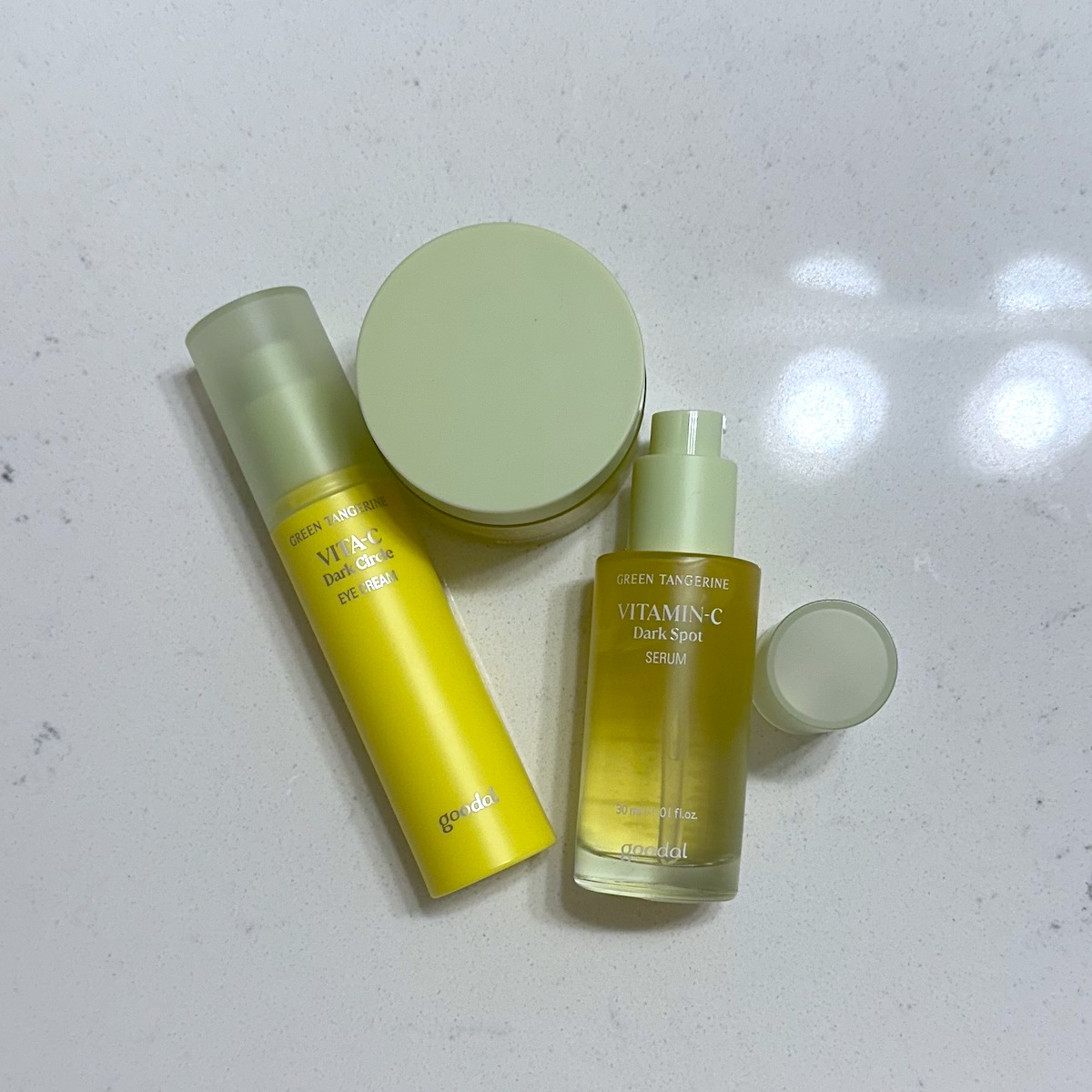
1. Goodal Green Tangerine Vita C Dark Spot Care Serum Alpha (Best Overall)
Goodal has upgraded its cult-favorite serum with the new Alpha line, incorporating green tangerine exosomes — particles 2,000 times smaller than pores — for dramatically improved absorption. The reformulated serum delivers visible dark spot improvement in just 7 days, half the time of the original version. It contains 70% green tangerine extract, 4% niacinamide, and ascorbyl glucoside. The packaging now features 60% PCR glass containers, reflecting a sustainability commitment. Price: approximately -22 USD.

2. COSRX The Vitamin C 23 Serum (Best High-Potency)
For those who want maximum strength, COSRX delivers 23% pure L-ascorbic acid paired with Super Vitamin E (tocotrienol), which has 50 times higher antioxidant activity than standard tocopherol. Hyaluronic acid provides hydration to offset the potential dryness of high-concentration vitamin C. Visible results in skin tone improvement appear within 10 days. Best for experienced vitamin C users who want aggressive brightening. Price: approximately -19 USD.
3. Beauty of Joseon Glow Deep Serum: Rice + Alpha-Arbutin (Best Budget)
At just , this serum combines 68% rice extract with alpha-arbutin for gentle but effective brightening. While it does not contain traditional vitamin C, the rice extract delivers natural antioxidant compounds that Korean women have relied on for centuries. It is ideal for vitamin C beginners or those with extremely sensitive skin who want glow without irritation. For more on how traditional Korean ingredients are evolving, read our Hanbang Skincare 2026 guide.
4. Klairs Freshly Juiced Vitamin Drop (Best for Sensitive Skin)
This beloved K-beauty staple uses 5% pure ascorbic acid — a concentration high enough to deliver results but low enough to minimize irritation. The formula is free of alcohol, parabens, and artificial fragrance. It is an excellent entry point for sensitive skin types who want to build vitamin C tolerance gradually.
5. ISNTREE C-Niacin Ampoule (Best Derivative Formula)
Combining ascorbyl glucoside with niacinamide, this ampoule brightens and refines pores simultaneously. The stable derivative formulation means no refrigeration required and a long shelf life. It layers beautifully under Korean moisturizers and sunscreen.
6. Neogen Real Vitamin C 22% Serum (Best for Acne-Prone Skin)
Using 22% Sodium Ascorbyl Phosphate instead of pure ascorbic acid, this serum delivers potent antioxidant protection with antimicrobial benefits that help manage breakouts. The stabilized formula maintains its potency throughout the product's lifespan.
7. Purito Pure Vitamin C Serum (Best Classic Formula)
Purito combines 5% ascorbic acid with vitamin E and ferulic acid — the gold-standard antioxidant trio that dermatologists have recommended since Duke University's landmark research. This combination stabilizes vitamin C and doubles its photoprotective capacity. A solid choice for those who want a scientifically validated formulation.
8. Abib Glutathiosome Dark Spot Serum Vita Drop (Best for Hyperpigmentation)
The top-rated Korean vitamin C serum on SkinSort for 2026, this innovative formula combines glutathione — the body's master antioxidant — with vitamin C derivatives for a dual-pathway approach to dark spot correction. Glutathione inhibits melanin synthesis through a different mechanism than vitamin C, making the combination more effective than either ingredient alone.
9. Anua Niacinamide 10% + TXA 4% Serum (Best Vitamin C Alternative)
While technically a niacinamide-focused serum, Anua's combination of 10% niacinamide with 4% tranexamic acid delivers brightening results comparable to vitamin C without any of the stability or irritation concerns. It is an excellent option for those who have tried vitamin C and found it too sensitizing. For more on niacinamide's benefits, see our Ingredients Encyclopedia.
10. Mediheal Vita Lightbeam Essential Mask EX (Best Sheet Mask Format)
For those who prefer the ease of sheet masks, Mediheal's vitamin C-infused option delivers a concentrated dose of brightening actives in a single 20-minute session. The essence contains ascorbyl glucoside, niacinamide, and hyaluronic acid. Use two to three times per week for cumulative brightening results.
How to Build a Korean Vitamin C Routine: Step-by-Step
Korean dermatologists recommend incorporating vitamin C into your AM routine for maximum antioxidant protection throughout the day. Here is the optimal order:
Step 1: Double Cleanse (PM only) — Oil cleanser followed by water-based cleanser
Step 2: Toner — Hydrating toner to balance pH
Step 3: Vitamin C Serum — Apply 3-4 drops to face and neck, patting gently
Step 4: Essence or Ampoule — Layer additional hydration if needed
Step 5: Moisturizer — Seal in active ingredients with a Korean moisturizer
Step 6: Sunscreen (AM) — Non-negotiable. Vitamin C and SPF together provide synergistic UV protection
Important tips: Wait 1-2 minutes after applying vitamin C before layering the next product. If you are using retinol in your PM routine, keep vitamin C in the AM to avoid potential irritation from combining the two. Store pure L-ascorbic acid serums in a cool, dark place — some Korean brands include opaque packaging specifically for this purpose.
Vitamin C and Ingredient Combinations: What Works and What Does Not
One of the reasons Korean vitamin C serums outperform many Western counterparts is the careful attention to synergistic ingredient pairing:
Vitamin C + Vitamin E + Ferulic Acid — The gold-standard combination. Vitamin E regenerates oxidized vitamin C, while ferulic acid stabilizes both. Together, they boost photoprotection by up to 8 times compared to vitamin C alone. Purito's formula follows this exact blueprint.
Vitamin C + Niacinamide — Despite the old myth that these two cannot be combined, modern research confirms they work synergistically for brightening and barrier support. Goodal's Alpha serum and ISNTREE's C-Niacin Ampoule both combine these actives effectively.
Vitamin C + Centella Asiatica — A K-beauty favorite for combining brightening with soothing. Beauty of Joseon's Light On Serum pairs vitamin C with centella for calming, barrier-supportive brightening.
Avoid: Vitamin C + Benzoyl Peroxide — Benzoyl peroxide oxidizes vitamin C, rendering it ineffective. Use them at different times of day.
Avoid: Vitamin C + AHA/BHA at the same time — The combined low pH can cause excessive irritation. Apply acids in the PM and vitamin C in the AM for best results.
For a deeper dive into how trending Korean ingredients interact, explore our Anti-Aging Skincare Guide 2026.
2026 K-Beauty Vitamin C Trends: What Is New This Year
The Korean vitamin C market in 2026 is defined by several innovation trends:
Exosome Delivery Technology — Goodal's Alpha line leads this revolution, using exosome-sized particles to deliver vitamin C deeper into the skin. This nano-scale delivery system overcomes one of vitamin C's biggest challenges: poor penetration through the lipid-rich stratum corneum.
Green Tangerine and Botanical Vitamin C Sources — Rather than relying solely on synthetic ascorbic acid, Korean brands increasingly use botanical sources like green tangerine (containing 10 times more vitamin C than mature oranges), sea buckthorn, and fermented citrus extracts. These provide additional flavonoids and polyphenols that enhance antioxidant activity.
Multi-Active Formulations — The 2026 trend moves away from single-ingredient serums toward formulas that combine vitamin C with complementary actives. Niacinamide, tranexamic acid, glutathione, and alpha-arbutin appear alongside vitamin C in the most popular new launches.
Sustainable Packaging — Following Goodal's lead with PCR glass containers, Korean vitamin C brands are adopting refillable systems, recyclable packaging, and reduced plastic components. This aligns with the broader K-beauty sustainability movement that consumers increasingly demand.
These innovations are part of K-beauty's broader evolution in 2026. For a complete overview of where the industry is heading, visit our K-Beauty Complete Guide 2026.
How to Choose the Right Korean Vitamin C Serum for Your Skin Type
Oily / Acne-Prone Skin: Choose water-based formulas with Sodium Ascorbyl Phosphate (SAP), which has antimicrobial properties. Neogen Real Vitamin C 22% Serum is ideal. Avoid oil-based vitamin C derivatives.
Dry / Mature Skin: Look for vitamin C paired with hyaluronic acid and ceramides. COSRX The Vitamin C 23 includes hyaluronic acid for hydration balance. Alternatively, oil-soluble derivatives like ascorbyl tetraisopalmitate provide antioxidant benefits within a nourishing base.
Sensitive / Reactive Skin: Start with a low-concentration derivative formula. Klairs Freshly Juiced Vitamin Drop (5% LAA) or ISNTREE C-Niacin Ampoule (ascorbyl glucoside) are gentle options. Patch test for 3 days before full application.
Combination Skin: Goodal Green Tangerine Alpha strikes the best balance — effective enough for brightening without over-drying or over-hydrating any zone. Its lightweight gel texture absorbs quickly without residue.
Hyperpigmentation-Focused: Abib Glutathiosome combines dual brightening pathways (glutathione + vitamin C), while the Anua Niacinamide + TXA serum offers a non-vitamin-C alternative that targets post-inflammatory marks effectively.
You May Also Like
- 15 Best Korean Toners 2026: Dermatologist-Approved Guide
- 10 Best Korean Moisturizers for Every Skin Type 2026
- Ectoin Skincare 2026: The Stress-Protection Molecule Your Skin Needs
- PDRN Skincare 2026: Why Salmon DNA Is K-Beauty's Hottest Ingredient
- Hanbang Skincare 2026: K-Beauty's High-Tech Herbal Revolution
Frequently Asked Questions About Korean Vitamin C Serums
Q: What percentage of vitamin C is most effective in Korean serums?
A: For pure L-ascorbic acid, concentrations between 10% and 20% are optimal. Studies show that concentrations above 20% do not increase biological significance and may cause irritation. However, stable derivatives like Sodium Ascorbyl Phosphate and ascorbyl glucoside can be effective at different concentration ranges because they convert to active vitamin C within the skin at a controlled rate.
Q: Can I use Korean vitamin C serum with retinol?
A: Yes, but dermatologists recommend separating them by time of day. Use vitamin C in the morning for its antioxidant and UV-protective benefits, and retinol in the evening when it works best with the skin's natural repair cycle. Using both simultaneously can cause excessive irritation, especially for sensitive skin types. For more on retinol options, see our Ingredients Encyclopedia.
Q: How long does it take to see results from a Korean vitamin C serum?
A: With consistent daily use, most people notice improved brightness within 2-4 weeks. Goodal's new Alpha formulation claims visible dark spot improvement in 7 days thanks to exosome delivery technology. Significant hyperpigmentation fading typically requires 8-12 weeks of continuous use.
Q: Why do Korean vitamin C serums turn yellow or brown?
A: Oxidation. When L-ascorbic acid is exposed to air, light, or heat, it converts to dehydroascorbic acid (yellow) and eventually to erythrulose (brown). An oxidized serum loses efficacy and can potentially generate free radicals. This is why Korean brands increasingly use stabilized derivatives or opaque, airless packaging. If your serum has turned dark orange or brown, replace it.
Q: Are Korean vitamin C serums better than Western brands?
A: Korean vitamin C serums often offer superior value — innovative formulations at lower price points. K-beauty labs excel at combining vitamin C with soothing ingredients like centella, green tea, and panthenol for a gentler experience. They also pioneered the use of botanical vitamin C sources like green tangerine extract. However, some Western clinical brands offer higher-concentration pure LAA formulas. The best choice depends on your skin sensitivity, budget, and ingredient preferences.
Q: Should I refrigerate my Korean vitamin C serum?
A: If it contains pure L-ascorbic acid, refrigeration extends its potency. Store it in a cool, dark place away from direct sunlight. Derivative-based formulas like those using ascorbyl glucoside or SAP are inherently stable and do not require refrigeration, which is one of their practical advantages.
Q: Can I use vitamin C serum every day?
A: Yes, daily use is recommended for optimal results. Korean dermatologists suggest applying vitamin C serum every morning before sunscreen. If you are new to vitamin C, start with every other day for the first two weeks to assess tolerance, then increase to daily use. If irritation occurs, switch to a lower concentration or a gentler derivative formula.
Source: PMC — Topical Vitamin C and the Skin: Mechanisms of Action and Clinical Applications
Source: Yahoo Finance — Goodal Upgraded Green Tangerine Alpha Line


댓글
댓글 쓰기