Beta-Glucan Skincare 2026: Why Dermatologists Call It the Ultimate Barrier Repair Ingredient
Beta-Glucan Skincare 2026: Why Dermatologists Call It the Ultimate Barrier Repair Ingredient
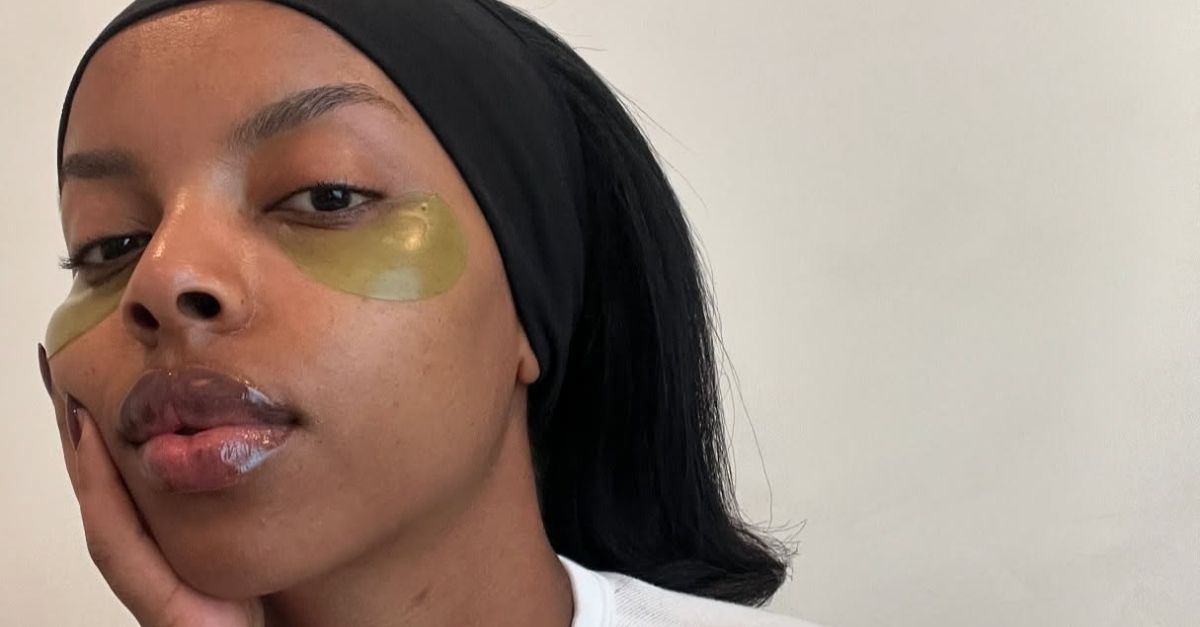
Beta-glucan is rapidly emerging as the most talked-about barrier repair ingredient of 2026, with Google Trends data showing a 51% increase in searches for the ingredient over the past year. While buzzy actives like retinol, vitamin C, and niacinamide have long dominated the skincare conversation, beta-glucan is now stepping into the spotlight as dermatologists, aestheticians, and K-beauty formulators recognize its extraordinary potential for hydration, barrier fortification, and post-treatment recovery. Unlike many recently hyped cosmetic actives, beta-glucan skincare boasts a clinical literature that predates its trend moment by more than three decades, giving it a level of scientific credibility that few ingredients can match.
What Is Beta-Glucan and Where Does It Come From?
Beta-glucan is a naturally occurring polysaccharide, a type of complex sugar molecule found in the cell walls of oats, barley, yeast, and certain mushrooms. In the medical world, beta-glucan has been studied extensively for its ability to support heart health, regulate blood sugar, and boost immune function. Its journey into skincare began in 1994, when Swiss biotechnology company Mibelle Biochemistry first introduced it to the cosmetics market, and it has consistently ranked among the top active ingredients ever since.
The skincare-specific form most commonly used in serums and creams is derived from yeast (Saccharomyces cerevisiae) or oats (Avena sativa). What makes beta-glucan particularly compelling is its multi-mechanistic profile: it functions simultaneously as a humectant, an immunomodulator, an antioxidant, a wound-healing agent, and a barrier repair booster. This versatility explains why one prominent aesthetician recently told Who What Wear that beta-glucan is "the one ingredient she recommends for every skin type."
Beta-Glucan vs Hyaluronic Acid: The Hydration Showdown
For years, hyaluronic acid has been the gold standard humectant in skincare. But beta-glucan is challenging that dominance with some impressive credentials. According to clinical data cited by K-beauty brand iUNIK, beta-glucan demonstrates 20% higher moisture retention capabilities compared to hyaluronic acid. While hyaluronic acid excels at drawing water to the skin surface, beta-glucan goes further by drawing moisture deep into the skin and keeping it there, creating a sustained hydration effect that lasts longer throughout the day.
The difference becomes particularly noticeable for people with dry or mature skin. Hyaluronic acid can sometimes feel tacky on the skin surface and, in very low-humidity environments, may actually draw moisture away from deeper skin layers. Beta-glucan avoids this issue entirely, providing a smooth, non-sticky hydration that works regardless of environmental conditions. For those already committed to their hyaluronic acid serums, the good news is that beta-glucan pairs beautifully alongside it, as mentioned in our K-Beauty Ingredients Encyclopedia, creating a layered hydration approach that addresses both surface and deep-tissue moisture needs.
The Barrier Repair Revolution: Why "Post-Glass Skin" Starts Here

The beauty industry is undergoing a fundamental shift in 2026. According to the Boots 2026 Beauty and Wellness Trends Report, 80% of adults now treat skincare as a long-term health investment, with nearly half adjusting their routines specifically to manage sensitivity. This represents a decisive move away from the aggressive exfoliation and multi-acid routines that dominated previous years toward what experts are calling "post-glass skin" or "glass skin 2.0," a philosophy where below-the-surface barrier health takes priority over superficial luminosity.
Beta-glucan sits at the heart of this movement. As industry leader Nick Vaus, co-founder of consultancy Free The Birds, told Cosmetics Business, the rising interest in barrier repair reflects "rising consumer interest in skin longevity, wellness and overall skin health." Mark Curry, co-founder of The Inkey List, echoed this sentiment, noting a "shift towards intelligent formulas and routines that prioritise skin health" over quick-fix results.
Beta-glucan supports barrier repair through multiple pathways. It stimulates the production of ceramides and other lipids that form the skin barrier matrix, reduces trans-epidermal water loss (TEWL), and calms the inflammatory cascade that can weaken barrier integrity over time. For anyone who has over-exfoliated, experienced seasonal dryness, or simply wants to build a more resilient complexion, beta-glucan offers a gentle but highly effective solution.
Post-Treatment Recovery: A Dermatologist's Secret Weapon
One of beta-glucan's most clinically validated applications is in post-procedure skincare recovery. Dr. Rachel Ho, a Singapore-based aesthetic physician, highlights research showing that beta-glucan applied topically after CO2 laser treatments significantly improved recovery symptoms and duration. The ingredient accelerates wound healing by stimulating keratinocyte and fibroblast activity, the two cell types most critical for skin repair and collagen production.
This makes beta-glucan an ideal ingredient for the growing "support for cosmetic treatments" trend identified by Cosmetics Business as one of the top five skincare trends of 2026. As more consumers invest in professional treatments like microneedling, chemical peels, and laser resurfacing, the demand for effective post-treatment skincare has surged. Beta-glucan addresses this need directly, offering anti-inflammatory, wound-healing, and barrier-restoring benefits in a single ingredient. If you are exploring post-procedure options, our guide on Exosome Skincare 2026 covers another cutting-edge recovery ingredient worth knowing.
Sensitive Skin's Best Friend: Anti-Inflammatory and Immunomodulatory Properties
Beta-glucan's anti-inflammatory profile makes it particularly valuable for sensitive and reactive skin types. Cell and animal model studies have demonstrated its ability to reduce key inflammation markers, calm redness, and modulate immune responses without suppressing overall immune function. Unlike some anti-inflammatory ingredients that work by simply blocking all immune activity, beta-glucan takes a more intelligent approach: it helps the skin mount appropriate immune responses while dialing down excessive inflammation.
Research from Mibelle Biochemistry has shown that their CM-Glucan Forte formulation can alleviate symptoms of atopic skin in less than one week, a remarkable timeline for a cosmetic ingredient. This positions beta-glucan as a powerful option for people with conditions like eczema-prone skin, rosacea (when used in gentle formulations), and sensitized skin from overuse of active ingredients.
The ingredient also demonstrates significant antioxidant capacity, providing protection against free radical damage from UV exposure and environmental pollutants. This dual action of reducing existing inflammation while preventing future oxidative stress makes beta-glucan a comprehensive defensive ingredient for urban dwellers and those concerned about environmental skin aging.
Top Beta-Glucan Products to Try in 2026
The K-beauty market has been at the forefront of beta-glucan innovation. Here are the standout products gaining attention this year:
iUNIK Beta-Glucan Power Moisture Serum — This cult-favorite contains an impressive 400,000 ppm of mushroom-derived beta-glucan in a minimalist 10-ingredient formula. Certified safe for fungal acne and free of common irritants, it delivers intense hydration for sensitive, reactive, and post-treatment skin. Its lightweight, watery texture absorbs quickly without residue.
iUNIK Beta-Glucan Moisture Cream — The serum's companion moisturizer provides a fragrance-free, hypoallergenic, and non-comedogenic formula that locks in hydration. Clinical testing has shown it outperforms standard moisturizers in moisture retention over a 24-hour period.
Lancôme Génifique Ultimate Recovery Serum — This luxury option combines beta-glucan with prebiotic and postbiotic fractions plus licorice extract for a comprehensive skin rejuvenation approach. It is specifically designed for post-treatment recovery and stressed skin.
The Inkey List Beta-Glucan Moisturizer — True to the brand's mission of making effective ingredients accessible, this affordable option delivers beta-glucan barrier benefits at a fraction of the luxury price point.
For a comprehensive comparison of K-beauty products featuring beta-glucan and other trending ingredients, visit our regularly updated K-Beauty Product Database 2026.
How to Incorporate Beta-Glucan Into Your Skincare Routine
Beta-glucan is remarkably easy to integrate into existing routines because of its compatibility with virtually all other skincare ingredients. Here is a recommended approach:
Morning Routine: After cleansing and toning, apply a beta-glucan serum (such as the iUNIK serum) before your regular moisturizer and sunscreen. Beta-glucan pairs exceptionally well with vitamin C, enhancing antioxidant protection for the day ahead.
Evening Routine: Apply beta-glucan serum after your active treatments (retinol, AHAs, BHAs) to soothe and support barrier recovery overnight. Follow with a beta-glucan-infused cream for maximum overnight hydration. This approach is especially effective for those following a structured K-beauty routine, as detailed in our Complete Guide to Glass Skin 2026.
Post-Treatment Protocol: After professional procedures like microneedling or laser treatments, beta-glucan can be applied as early as your dermatologist allows. Use it as your primary serum during the recovery period, pairing it with a gentle, fragrance-free moisturizer and diligent sunscreen application.
Ingredient Pairing Guide: Beta-glucan works synergistically with ceramides (enhanced barrier repair), niacinamide (combined anti-inflammatory action), hyaluronic acid (layered hydration), and peptides (boosted collagen support). It is safe to use alongside retinol, vitamin C, and chemical exfoliants, making it one of the most versatile ingredients in modern skincare.
What Dermatologists Want You to Know
While the hype around beta-glucan is well-deserved, dermatologists emphasize several important considerations. Dr. Rachel Ho notes that while the scientific evidence is promising, "findings remain preliminary" in some areas, and she stresses the "need for additional rigorous clinical investigations" to fully validate every claimed benefit.
That said, beta-glucan's safety profile is outstanding. Unlike retinol, which can cause significant irritation during the adjustment period, or vitamin C, which can be unstable and sometimes stinging, beta-glucan is exceptionally well-tolerated by virtually all skin types. Its long history of medical use provides an additional layer of confidence in its safety and tolerability.
Dermatologists recommend looking for products where beta-glucan appears in the top five ingredients on the INCI list, indicating a meaningful concentration. They also suggest opting for mushroom or yeast-derived beta-glucan over oat-derived versions if you have oat allergies, and choosing formulations that pair beta-glucan with complementary barrier-supporting ingredients like ceramides or squalane for maximum efficacy.
You May Also Like
- Spicule Skincare 2026: Is K-Beauty's Microneedling in a Bottle Worth the Hype?
- PDRN Skincare 2026: The Salmon DNA Ingredient Dermatologists Swear By
- Anua Barrier Reboot 2026: K-Beauty's Dermatologist-Developed Moisturizer
- Retinol vs Bakuchiol 2026: Which Anti-Aging Ingredient Is Right for You?
Frequently Asked Questions
Q: Is beta-glucan better than hyaluronic acid for dry skin?
A: Beta-glucan offers 20% higher moisture retention than hyaluronic acid according to clinical comparisons. However, both ingredients work through different mechanisms, and using them together provides the most comprehensive hydration. Beta-glucan excels at sustained deep hydration, while hyaluronic acid provides immediate surface-level plumping.
Q: Can I use beta-glucan with retinol?
A: Yes. Beta-glucan is one of the best ingredients to pair with retinol because it calms inflammation, supports barrier repair, and provides hydration, all of which help mitigate the irritation that retinol can cause. Apply retinol first, then layer beta-glucan serum on top.
Q: Is beta-glucan safe for fungal acne-prone skin?
A: Most beta-glucan serums, particularly the iUNIK Beta-Glucan Power Moisture Serum, are certified fungal acne-safe. However, always check the full ingredient list, as some formulations may contain other ingredients that feed malassezia yeast.
Q: How long does it take to see results from beta-glucan skincare?
A: Hydration and soothing effects can be noticed within the first application. Barrier repair improvements typically become visible within one to two weeks of consistent use. Mibelle Biochemistry's clinical data shows their CM-Glucan Forte can alleviate atopic skin symptoms in less than one week.
Q: What is the best beta-glucan serum for sensitive skin in 2026?
A: The iUNIK Beta-Glucan Power Moisture Serum is widely regarded as the gold standard for sensitive skin due to its high concentration (400,000 ppm), minimalist formula with only 10 ingredients, and certification as safe for reactive and post-treatment skin.
The Bottom Line
Beta-glucan's rise to prominence in 2026 is not a fleeting trend but a well-deserved recognition of an ingredient with over three decades of scientific backing. As the beauty industry shifts toward barrier health, skin longevity, and intelligent formulations, beta-glucan stands out as the rare ingredient that delivers on every front: deep hydration, barrier repair, anti-inflammatory protection, wound healing support, and antioxidant defense. Whether you are building a minimalist routine or adding a targeted treatment to your K-beauty regimen, beta-glucan deserves a permanent place in your skincare arsenal. For a deeper dive into all the trending ingredients shaping skincare this year, explore our K-Beauty Ingredients Encyclopedia 2026.
Sources: Cosmetics Business | Who What Wear | Dr. Rachel Ho | Mibelle Biochemistry
댓글
댓글 쓰기