PDRN Skincare 2026: Why Salmon DNA Is K-Beauty's Hottest Anti-Aging Ingredient
PDRN Skincare 2026: Why Salmon DNA Is K-Beauty's Hottest Anti-Aging Ingredient
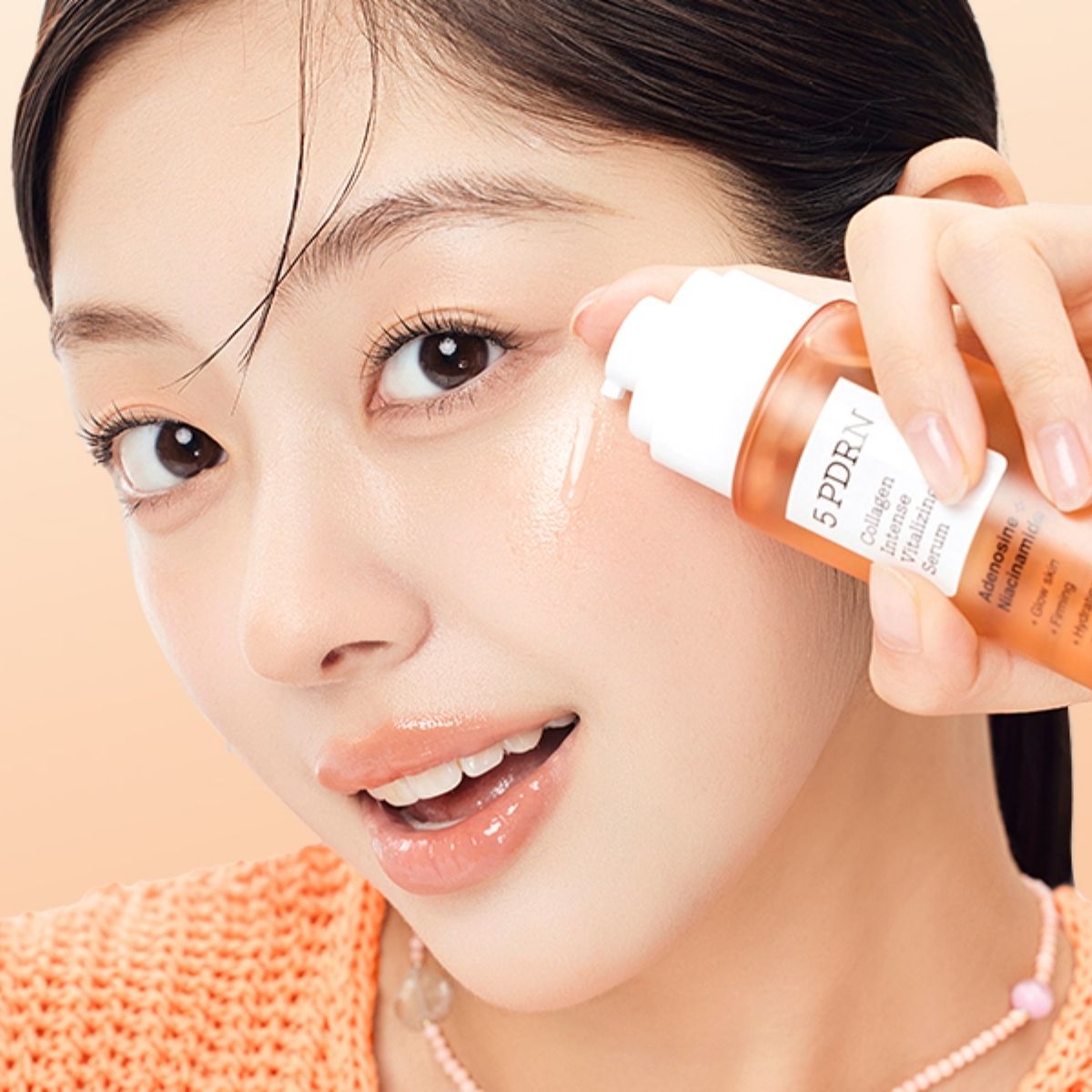
PDRN skincare has officially taken over the beauty world in 2026. Short for polydeoxyribonucleotide, PDRN is a bioactive compound derived from salmon sperm DNA that has become the fastest-growing ingredient in K-beauty, with search interest surging over 1,400% between 2024 and 2025. From serums and ampoules to toner pads and sheet masks, PDRN is now everywhere—and dermatologists say there is real science behind the hype. Here is everything you need to know about PDRN skincare, including how it works, what the experts say, and which products are worth your money.
What Is PDRN and Where Does It Come From?
PDRN stands for polydeoxyribonucleotide, which refers to small, highly purified fragments of DNA ranging from 50 to 2,000 base pairs in length. These fragments are sourced from the sperm cells of salmon or trout. The reason salmon are used is that their DNA has incredibly low protein contamination and high purity, making it both safe and effective for skin applications. In fact, salmon DNA shares approximately 95% homology with human tissue, which means our skin recognizes and responds to it efficiently.
"PDRN is a refined ingredient derived by selectively extracting the active components from salmon DNA and removing residual substances," explains Yunji Lee, a product developer at Anua, one of the leading K-beauty brands in the PDRN space. Unlike raw biological materials, the PDRN used in skincare undergoes extensive purification to remove proteins that could trigger allergic reactions, making it safe for virtually all skin types.
The Science Behind PDRN: How It Works on Your Skin
What makes PDRN skincare genuinely compelling is its mechanism of action. PDRN activates adenosine A2A receptors on fibroblasts—the cells responsible for producing collagen and elastin in your skin. This activation triggers a cascade of beneficial processes including increased vascular endothelial growth factor (VEGF) production, enhanced fibroblast proliferation, upregulated collagen synthesis, and improved tissue oxygenation through neovascularization.
In simpler terms, PDRN essentially tells your skin cells to behave younger. Clinical data suggests that PDRN can increase collagen production by up to 45%, improve hydration by up to 45% after four weeks of consistent use, and reduce inflammation markers by 30 to 40%. These are not trivial numbers—they represent meaningful improvements that rival some of the most established actives in dermatology.
As we explored in our Exosome Skincare Guide, the broader shift toward biotech-driven ingredients in K-beauty reflects a new era of precision skincare. PDRN sits alongside exosomes, growth factors, and advanced peptides as part of this regenerative revolution.
What Dermatologists Really Think About PDRN
Board-certified dermatologist Dr. Toral Vaidya offers a balanced assessment: "PDRN is an excellent ingredient for anyone looking to improve skin hydration, elasticity, and sensitivity. Its benefits include improved skin healing and barrier repair, reduced inflammation, and enhanced hydration." However, she notes that topical PDRN and injectable PDRN are fundamentally different in terms of efficacy and depth of penetration.
Dr. Rachel Ho adds important context: "I don't believe topical PDRN replicates the benefits of injections like reducing scar depth or wrinkles. However, it can be valuable for barrier repair and post-treatment healing." This distinction matters. In Korea, Rejuran Healer injections—which deliver PDRN directly into the dermis—have been a popular clinic treatment since the mid-2010s. Medical-grade formulations typically contain 5.625 mg of PDRN per milliliter, and full-face treatments require 2 to 4 milliliters delivered over 15 to 30 minutes.
The takeaway from dermatologists is clear: topical PDRN skincare is a genuinely beneficial ingredient for hydration, barrier support, and anti-inflammatory effects, but it should be viewed as a supportive ingredient rather than a miracle standalone anti-aging treatment. For deeper structural changes, in-clinic PDRN injections remain the gold standard.
PDRN vs. Other K-Beauty Powerhouse Ingredients
One of the most common questions in 2026 is how PDRN compares to other trending K-beauty actives. Here is a quick breakdown:
PDRN vs. Snail Mucin: While snail mucin has long been a glass skin essential, the two ingredients serve different purposes. Snail mucin primarily focuses on moisturizing and protecting the skin barrier, while PDRN helps support the recovery and improvement of irritated or damaged skin at a cellular level.
PDRN vs. Exosomes: Both are biotech-derived regenerative ingredients. Exosomes are cell-to-cell signaling vesicles that carry growth factors, while PDRN works through DNA fragment-mediated receptor activation. Many dermatologists now recommend using both in combination for synergistic benefits.
PDRN vs. Peptides: Peptides signal the skin to produce collagen through amino acid sequences, while PDRN provides the raw DNA building blocks that support cellular regeneration. They work through complementary pathways, making them excellent partners in a routine.
PDRN vs. Beta-Glucan: Beta-glucan excels at barrier repair and soothing, while PDRN offers more targeted regenerative and anti-aging benefits. Both are gentle enough for sensitive skin.
Best PDRN Skincare Products to Try in 2026
The K-beauty market is now flooded with PDRN products at every price point. Based on expert reviews and clinical testing, here are the standout products across different categories:
For serums, the Medicube PDRN Pink Peptide Serum leads the pack with a potent 10,000 PPM salmon PDRN concentration combined with peptides and niacinamide. It is lightweight, layers beautifully under makeup, and is widely available in U.S. retail. The Anua PDRN Hyaluronic Acid Capsule 100 Serum is another top pick, pairing PDRN with hyaluronic acid for a hydration-first approach.
For creams, the Dr. Althea PDRN Reju 5000 Cream has earned editor's pick status for its rich yet non-greasy texture. The Dr. Reju-All Advanced PDRN Rejuvenating Cream contains 1,200 ppm of 99% pure PDRN and is excellent for nighttime regeneration.
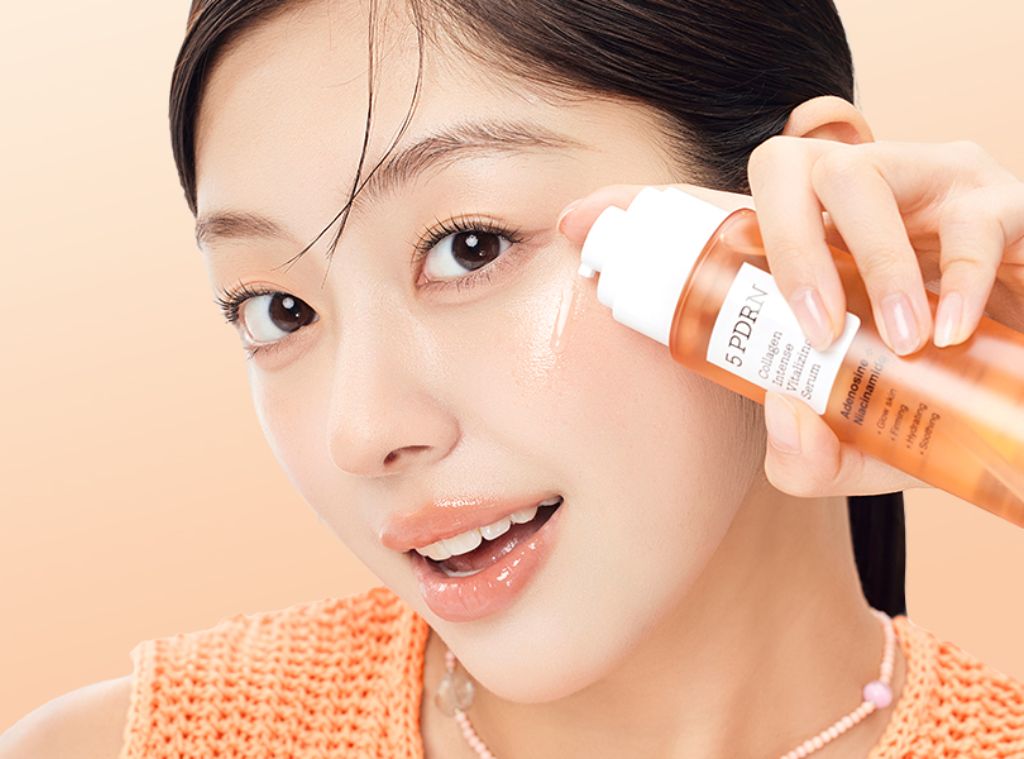
For targeted treatments, the Biodance Rejuvenating Caviar PDRN Real Deep Mask combines PDRN with caviar extract in a bio-cellulose sheet mask format that delivers concentrated active ingredients over 15 to 20 minutes. The COSRX 5 PDRN Collagen Intense Vitalizing Serum offers a more affordable entry point without sacrificing efficacy.
For daily maintenance, the Numbuzin No.9 Nad PDRN Glow Boosting Toner features NAD+ alongside 50 peptides and PDRN, making it an excellent first step in your routine. The Mediheal PDRN Lifting Pad offers a convenient toner-pad format with a plant-based rose PDRN variant for those who prefer vegan formulations.
How to Add PDRN to Your Skincare Routine
Integrating PDRN skincare into your existing routine is straightforward. PDRN is compatible with virtually all other actives, including retinol, AHAs and BHAs, vitamin C, and hyaluronic acid. Here is a recommended routine order:
In the morning, start with a gentle cleanser, follow with a PDRN toner or essence, apply your PDRN serum, layer on moisturizer, and finish with broad-spectrum SPF. In the evening, double cleanse, apply your PDRN serum, follow with retinol or other treatment actives if desired, and seal everything with a PDRN-enriched cream.
When selecting products, concentration matters. Products with PDRN concentrations above 5,000 ppm are best suited for intensive regeneration and anti-aging. Those above 1,000 ppm offer solid preventative benefits. For general hydration and barrier support, even lower concentrations can be effective when used consistently.
For a comprehensive breakdown of trending skincare actives, visit our K-Beauty Ingredients Encyclopedia 2026.
The Vegan Alternative: Plant-Based PDRN
For those who prefer vegan skincare, several brands now offer plant-based PDRN alternatives. Bano has introduced a banana-derived PDRN formula, while Mediheal uses rose-derived PDRN in some of its products. Laneige has incorporated plant-based PDRN into its Water Bank Serum line.
It is important to note that plant-based PDRN analogues—sometimes marketed as Phyto-PDRN—are not biochemically identical to salmon-derived PDRN. While they may offer hydrating and soothing benefits, the specific adenosine A2A receptor activation pathway that makes salmon PDRN so effective has not been conclusively demonstrated with plant alternatives. Consumers seeking the full regenerative benefits of PDRN should be aware of this distinction.
Safety and Side Effects: What You Need to Know
PDRN has an excellent safety profile. The DNA fragments are so thoroughly purified that they are generally safe for all skin types, including sensitive and acne-prone skin. Most PDRN products are dermatologist-tested and hypoallergenic. The 95% genetic homology between salmon and human DNA means adverse reactions are exceedingly rare.
However, there is an important regulatory distinction. In the United States, PDRN injectables are not FDA-approved, meaning their purity, safety, and effectiveness are not regulated in the same way as they are in South Korea. Topical PDRN products sold as cosmetics are generally considered safe, but anyone considering injectable PDRN treatments should do so only under the care of a board-certified dermatologist.
You May Also Like
- Exosome Skincare 2026: How This Biotech Ingredient Is Rewriting the Rules of Anti-Aging
- Beta-Glucan Skincare 2026: Why Dermatologists Call It the Ultimate Barrier Repair Ingredient
- Dr. Barbara Sturm Peptide Serum 2026: Celebrity-Backed Biomimetic Science for Skin Longevity
- 10 Best Korean Moisturizers for Every Skin Type 2026
FAQ
Q: What does PDRN stand for in skincare?
A: PDRN stands for polydeoxyribonucleotide. It consists of purified DNA fragments derived from salmon sperm cells that activate skin cell regeneration, boost collagen production, and improve skin barrier function.
Q: Is PDRN skincare safe for sensitive skin?
A: Yes. PDRN undergoes extensive purification to remove allergenic proteins, making it safe for all skin types including sensitive, acne-prone, and rosacea-prone skin. Most PDRN products are dermatologist-tested and hypoallergenic.
Q: What is the difference between topical PDRN and PDRN injections?
A: Topical PDRN products (serums, creams, masks) primarily benefit the outer layers of skin, improving hydration, barrier repair, and mild anti-aging. PDRN injections, such as Korea's popular Rejuran Healer, deliver the ingredient directly into the dermis for deeper structural repair, scar reduction, and collagen remodeling. Note that PDRN injectables are not FDA-approved in the United States.
Q: Can I use PDRN with retinol or vitamin C?
A: Absolutely. PDRN is compatible with virtually all common skincare actives, including retinol, vitamin C, AHAs, BHAs, niacinamide, and hyaluronic acid. Its anti-inflammatory properties may even help buffer some of the irritation associated with retinol use.
Q: How long does it take to see results from PDRN skincare?
A: Most users report noticeable improvements in hydration and skin texture within two to four weeks of consistent daily use. More significant anti-aging benefits, such as improved firmness and reduced fine lines, typically become apparent after six to eight weeks.
The Bottom Line
PDRN skincare represents a genuine advancement in K-beauty's ongoing biotech revolution. Backed by clinical data showing up to 45% increases in collagen production and meaningful improvements in hydration and inflammation, it is more than just a viral ingredient—it is a science-backed active with real dermatological merit. Whether you choose a high-concentration serum for targeted anti-aging or a gentle PDRN toner for daily barrier support, this salmon-derived powerhouse deserves a place in your 2026 skincare routine. For more science-backed skincare guidance, explore our Anti-Aging Skincare Guide 2026.
Sources: E! Online, Grazia Daily, Skin Spa New York, EverGlow Bliss


댓글
댓글 쓰기