PDRN Skincare 2026: The Salmon DNA Ingredient Dermatologists and Celebrities Swear By
PDRN Skincare 2026: The Salmon DNA Ingredient Dermatologists and Celebrities Swear By
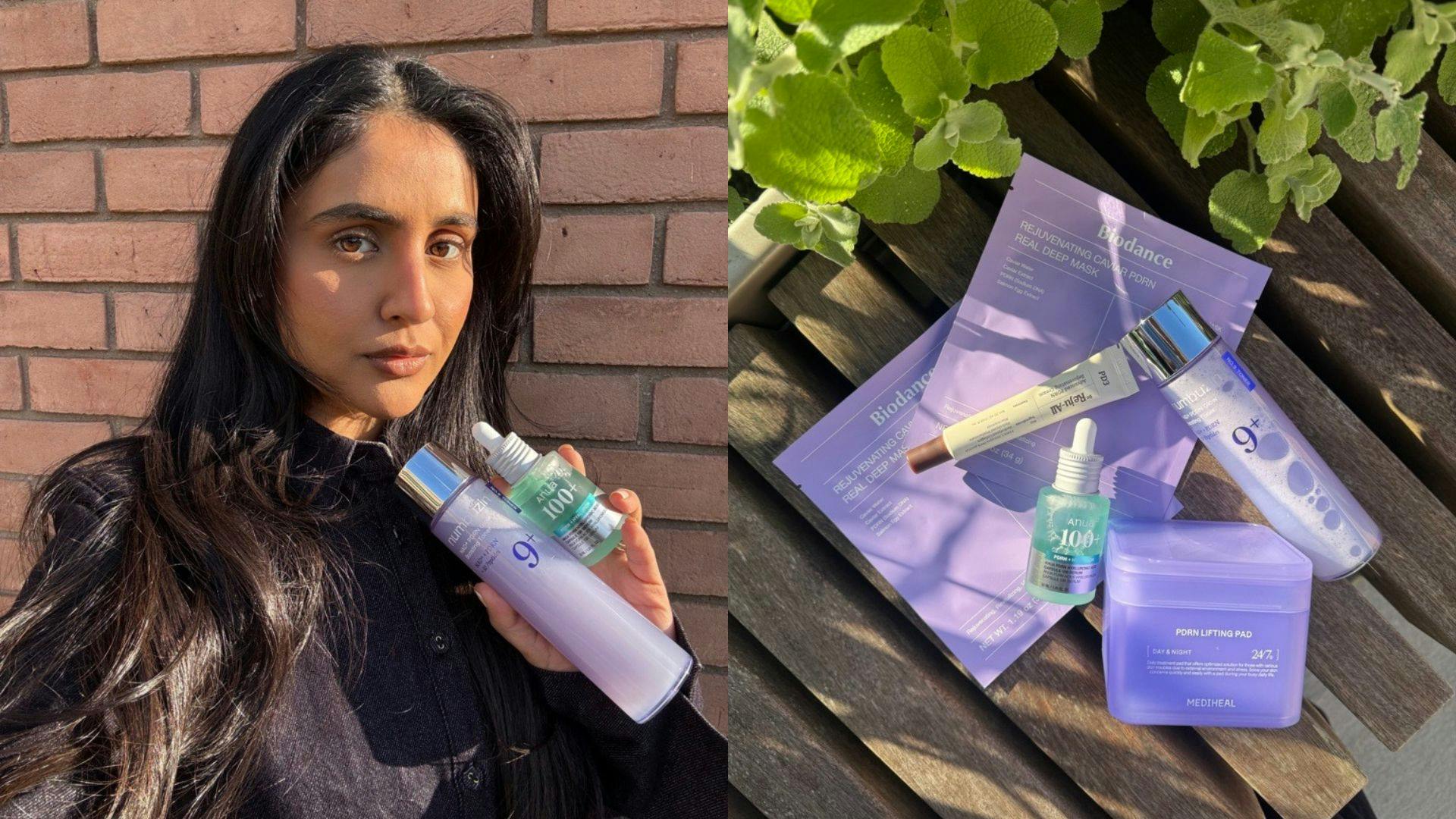
PDRN skincare has become the most talked-about ingredient in the beauty world in 2026. Short for polydeoxyribonucleotide, PDRN is derived from salmon DNA and has made the dramatic leap from exclusive Korean clinic injections to everyday serums, creams, and masks that anyone can use at home. With A-list celebrities including Hailey Bieber, Kim Kardashian, Jennifer Aniston, and Charli XCX publicly endorsing PDRN treatments, searches for this regenerative ingredient have surged nearly 700% on Olive Young, South Korea's largest beauty retailer. Here is everything you need to know about PDRN skincare in 2026, from the science behind it to the best products actually worth your money.
What Is PDRN and Where Does It Come From?
PDRN stands for polydeoxyribonucleotide, a bioactive compound made up of DNA fragments primarily extracted from salmon sperm. Before you wrinkle your nose, consider this: salmon DNA is approximately 95% compatible with human DNA, which is precisely why it works so effectively on human skin. Originally developed in the medical field for treating chronic wounds, diabetic ulcers, and tissue regeneration, PDRN was adapted by Korean dermatologists in the early 2000s for aesthetic use through injectable treatments known as Rejuran Healer.
The ingredient functions by activating the A2A purinergic receptor pathway in skin cells, which triggers a cascade of regenerative responses. This stimulates fibroblast proliferation, increases collagen and elastin synthesis, promotes angiogenesis (new blood vessel formation), and accelerates the skin's natural repair mechanisms. In simpler terms, PDRN essentially provides your skin cells with the raw building blocks they need to regenerate faster and more efficiently.
If you are exploring other innovative K-beauty actives alongside PDRN, our K-Beauty Ingredients Encyclopedia 2026 breaks down every trending skincare active currently on the market.
From Clinic Injections to Your Bathroom Shelf: The PDRN Revolution
For years, the only way to experience PDRN's benefits was through professional injections at Korean dermatology clinics, where concentrated PDRN was delivered directly into the dermis. Rejuran Healer treatments, which typically cost between $300 and $600 per session, became the gold standard for skin rejuvenation among Seoul's beauty-conscious consumers and visiting beauty tourists.
Fast forward to 2026, and the PDRN landscape has completely transformed. Korean beauty brands have developed sophisticated formulation technologies that allow PDRN to be delivered topically with meaningful efficacy. The key innovation has been the development of c-PDRN (cross-linked polydeoxyribonucleotide), a stabilized form that maintains its bioactivity when applied to the skin's surface rather than injected beneath it.
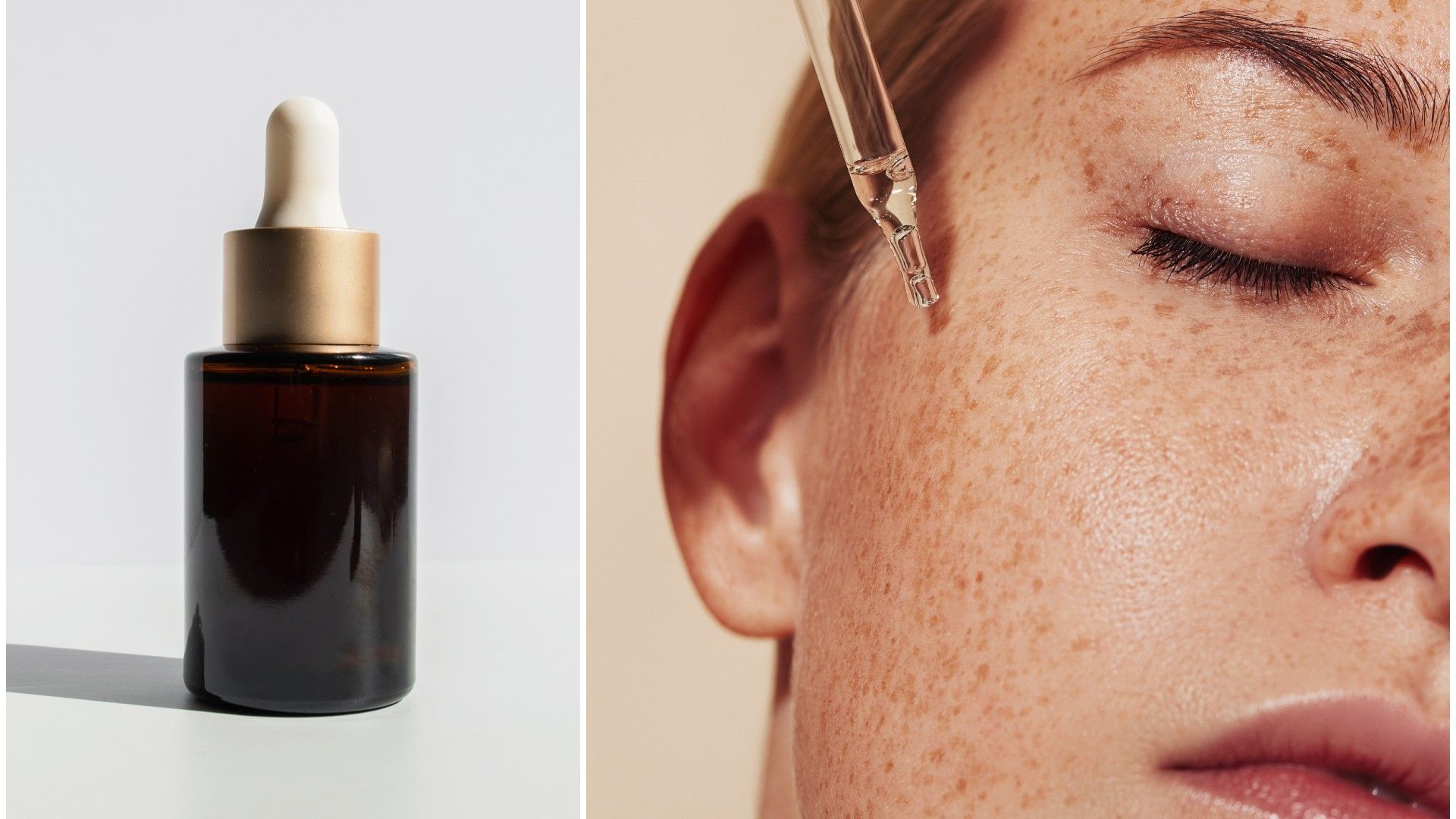
This democratization of PDRN has been one of the most significant shifts in K-beauty this year. Products that once required a dermatologist visit are now available at mainstream retailers like Olive Young, Amazon, and Sephora, making regenerative skincare accessible to a global audience. The global regenerative beauty sector is projected to exceed $67 billion by the end of 2026, with the strongest growth coming from the Asia-Pacific region.
What Can PDRN Skincare Actually Do for Your Skin?
Based on clinical research and dermatologist input, PDRN skincare targets several key skin concerns simultaneously. Understanding these benefits helps you decide whether this ingredient deserves a spot in your routine.
First, collagen stimulation is the headline benefit. PDRN activates fibroblasts, the cells responsible for producing collagen, leading to firmer, more elastic skin over time. Multiple studies on injectable PDRN have demonstrated measurable improvements in skin elasticity and collagen density after a series of treatments.
Second, PDRN excels at wound healing and skin repair. Its medical origins in treating chronic wounds translate to faster recovery from acne scarring, post-procedure redness, and general skin damage. This makes PDRN particularly valuable as a post-procedure skincare ingredient, a category that is expanding rapidly in 2026.
Third, anti-inflammatory properties help calm irritated, sensitized skin. PDRN reduces inflammatory cytokines, making it suitable for those dealing with rosacea-prone or reactive skin types. Fourth, improved hydration and texture refinement round out the benefits, with users consistently reporting smoother, more luminous skin after several weeks of use.
For a comprehensive overview of science-backed anti-aging strategies beyond PDRN, check out our Anti-Aging Skincare Guide 2026.
The Best PDRN Skincare Products in 2026
With PDRN products flooding the market, separating genuinely effective formulas from marketing hype requires careful evaluation. Here are the standout PDRN skincare products that dermatologists and beauty editors consistently recommend in 2026.
The Rejuran Turnover Ampoule remains the gold standard at approximately $52 for 30ml. As the brand that pioneered PDRN injections in Korean clinics, Rejuran brings unmatched expertise to their topical line. Their ampoule contains c-PDRN, the cross-linked form that delivers superior stability and skin penetration compared to standard PDRN. It targets cell turnover acceleration, fine line reduction, and overall skin radiance.
The Medicube PDRN Pink Peptide Serum has become a viral sensation, combining PDRN with peptides and niacinamide for a multi-pronged approach to skin hydration and firmness. Its lightweight, fast-absorbing texture makes it an easy addition to any existing routine without disrupting other active ingredients.
For those who prefer a cream format, the Dr. Reju-All Advanced PDRN Rejuvenating Cream offers a rich, nourishing formula that pairs PDRN with ceramides and hyaluronic acid for intense hydration alongside regenerative benefits. It has been particularly popular among users with dry or mature skin types.
The Numbuzin No.9 NAD PDRN Glow Boosting Toner provides a lighter entry point into PDRN skincare. As a toner format, it allows PDRN to be applied as an early step in your routine, prepping the skin for subsequent serums and moisturizers while delivering its own regenerative benefits.
Sheet mask enthusiasts should look at the Biodance Rejuvenating Caviar PDRN Real Deep Mask, which combines PDRN with caviar extract for an ultra-luxe treatment experience. Designed in collaboration with skinfluencer Yuri Lee, this hydrogel mask delivers concentrated PDRN directly to the skin for an intensive treatment session.
PDRN, Exosomes, and Spicules: The 2026 Regenerative Trinity
PDRN does not exist in isolation within the 2026 skincare landscape. It forms part of what beauty industry analysts are calling the "Regenerative Trinity" alongside exosomes and spicules, three cutting-edge ingredients that are collectively reshaping how we approach skin health.
Exosomes are nano-sized vesicles that facilitate cellular communication, essentially acting as messengers that tell skin cells to behave younger. When combined with PDRN, exosomes can potentially amplify the regenerative signal, creating a synergistic effect that exceeds what either ingredient achieves alone. The most advanced Korean formulations are now coating exosomes onto spicule delivery systems, creating a next-generation approach where spicules create microchannels in the skin while simultaneously releasing exosomes and PDRN directly into the dermis.
If you are curious about spicule technology and how it complements PDRN, our deep dive into Spicule Skincare 2026 covers everything from the science to the best products available.
What Dermatologists Really Think About Topical PDRN
While enthusiasm for PDRN is running high, dermatologists offer a more measured perspective that consumers should consider. The scientific evidence supporting PDRN is strongest for injectable treatments, where concentrated PDRN is delivered directly into the dermis under controlled clinical conditions. Multiple peer-reviewed studies have demonstrated improvements in skin texture, elasticity, and scarring with injected PDRN.
For topical products, the evidence is more limited but growing. The primary challenge is penetration: skin is designed to keep foreign molecules out, and DNA fragments are relatively large molecules. This is where formulation technology becomes critical. Products using c-PDRN (cross-linked form) or combining PDRN with penetration enhancers like spicules show more promise than simple PDRN-in-a-bottle formulations.
Dermatologists generally recommend approaching topical PDRN with realistic expectations. It is unlikely to replicate the dramatic results of injectable treatments, but it can provide meaningful benefits as part of a well-rounded skincare routine, particularly for hydration, mild texture improvement, and supporting the skin's natural repair processes.
How to Incorporate PDRN Into Your Skincare Routine
Adding PDRN to your existing routine is straightforward. PDRN is generally well-tolerated and compatible with most other active ingredients, making integration simple regardless of your current regimen.
For serums and ampoules, apply after cleansing and toning but before heavier creams and oils. PDRN serums layer well under retinol, vitamin C, and niacinamide without interference. If using a PDRN toner, apply it immediately after cleansing as your first treatment step. For PDRN creams, use them as your moisturizer step or layer over a lighter serum. Sheet masks with PDRN work best as a weekly intensive treatment, applied after cleansing on bare skin for maximum absorption.
Start with one PDRN product rather than layering multiple PDRN items. This allows you to assess how your skin responds before committing to a full PDRN-centric routine. Most users report noticeable improvements in skin texture and hydration within two to four weeks of consistent use, with more significant anti-aging benefits becoming apparent after six to eight weeks.
You May Also Like
- K-Beauty Ingredients Encyclopedia 2026: Every Trending Skincare Active Explained
- Spicule Skincare 2026: Is K-Beauty's Microneedling in a Bottle Worth the Hype?
- Anti-Aging Skincare Guide 2026: Science-Backed Ingredients and Strategies
- K-Beauty Complete Guide 2026: Your Ultimate Korean Skincare Handbook
Frequently Asked Questions About PDRN Skincare
Q: What is PDRN in skincare and where does it come from?
A: PDRN stands for polydeoxyribonucleotide, a bioactive compound derived from salmon DNA (specifically salmon sperm). It contains DNA fragments that are approximately 95% compatible with human DNA, which enables it to stimulate skin cell regeneration, boost collagen production, and accelerate wound healing. Originally used in medical settings for treating chronic wounds, PDRN was adapted by Korean dermatologists for aesthetic skin treatments and has now expanded into topical skincare products.
Q: Is PDRN skincare safe for sensitive skin?
A: Yes, PDRN is generally considered safe and well-tolerated for most skin types, including sensitive skin. Its anti-inflammatory properties actually make it beneficial for calming reactive or irritated skin. However, if you have a known fish or seafood allergy, you should consult your dermatologist before using PDRN products, as the ingredient is derived from salmon. Patch testing is always recommended when introducing any new active ingredient.
Q: How long does it take to see results from PDRN skincare products?
A: Most users report improvements in skin hydration and texture within two to four weeks of consistent daily use. More significant anti-aging benefits such as reduced fine lines, improved elasticity, and diminished scarring typically become noticeable after six to eight weeks. Results vary depending on the product format, PDRN concentration, and individual skin condition.
Q: Can I use PDRN with retinol or vitamin C?
A: Yes, PDRN is compatible with most common skincare actives including retinol, vitamin C, niacinamide, and hyaluronic acid. There are no known contraindications between PDRN and these ingredients. In fact, combining PDRN with retinol can be particularly beneficial, as PDRN's reparative properties may help offset some of the irritation that retinol can cause.
Q: What is the difference between PDRN injections and topical PDRN products?
A: PDRN injections (like Rejuran Healer) deliver concentrated PDRN directly into the dermis layer of the skin, providing more dramatic and clinically proven results. Topical PDRN products apply the ingredient to the skin's surface, relying on formulation technologies like c-PDRN (cross-linked form) to enhance penetration. While topical products offer more modest results compared to injections, they are significantly more accessible, affordable, and can be used daily as part of a home skincare routine.
The Bottom Line
PDRN skincare represents one of the most compelling ingredient stories in the beauty industry right now. Backed by legitimate medical science, endorsed by celebrities and dermatologists alike, and now available in accessible topical formats from trusted K-beauty brands, PDRN has earned its place as a serious contender in the anti-aging and regenerative skincare category. While topical formulations will not fully replicate the results of professional injections, the best PDRN products offer genuine benefits for hydration, texture refinement, and long-term skin health. As the regenerative beauty market continues to expand beyond $67 billion in 2026, PDRN is positioned not as a fleeting trend but as a foundational ingredient that is here to stay.
Sources: Marie Claire | Grazia UK | Brit + Co | BeautyMatter | Cosmetics Business


댓글
댓글 쓰기