Skinification of Hair 2026: Inside the K-Beauty Scalp Care Trend Reshaping the $99 Billion Haircare Market
Skinification of Hair 2026: How K-Beauty Turned the Scalp Into the New Face
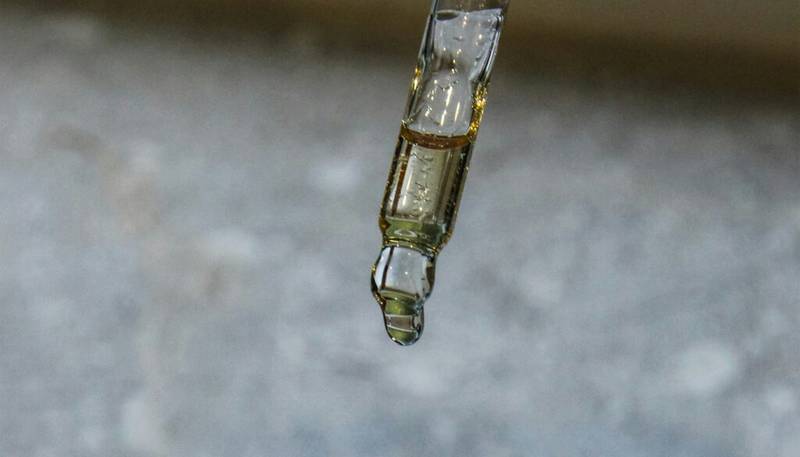
The skinification of hair is the single biggest shift the K-beauty industry has made in 2026, and it is rewriting how the global $99 billion haircare market thinks about shampoo, serums, and even ampoules. Korean brands that built their reputations on glass skin and barrier repair are now applying the same dermatology-grade ingredients, the same Reedle and PDRN technologies, and the same scalp-first philosophy to a category that Western beauty has historically treated as an afterthought. The result is a new product class that sits somewhere between a salon treatment, a clinical scalp serum, and a serious anti-aging skincare ampoule. According to industry data reported by Boots UK, K-beauty haircare sales have grown fivefold year over year, and brands like COSRX, VT Cosmetics, and Dr. Groot are leading a category once dominated by L'Oreal and Procter and Gamble.
What Is the Skinification of Hair?
The phrase skinification of hair, also called Derma Scalp Care in the Korean trade press, describes a simple but powerful idea: the scalp is skin, and it should be treated with the same scientific rigor as the face. That means barrier-repair formulas instead of harsh sulfates, targeted actives instead of generic conditioners, and lightweight serums and ampoules layered onto a clean scalp the way essences and PDRN serums are layered onto a clean face.
Sophia Emmanuel, a board-certified trichologist at V and Co. Beauty, told NewBeauty: "Your scalp is skin, and just as you would use targeted products to treat common skin concerns, you can do the same with scalp serums." Kristin Lim, founder of Base-K Beauty, added that "consumers are increasingly recognizing the scalp as the foundation of healthy hair. This aligns seamlessly with Korean hair rituals that emphasize scalp-first care and gentle, effective formulations."
The cultural gap is striking. Industry surveys cited by Korean trade outlets report that roughly 73 percent of Korean women already use a dedicated scalp treatment product, compared with less than 15 percent in Western markets. That delta is the entire market opportunity, and 2026 is the year K-beauty haircare brands are aggressively closing it.
The Ingredients Migrating From Face to Scalp
What separates K-haircare from a standard sulfate-free shampoo is the ingredient deck. Korean R and D labs are taking the same actives that powered the last three years of skincare innovation and reformulating them for the scalp microbiome. As we covered in our PDRN Skincare 2026 deep-dive, polydeoxyribonucleotide chains derived from salmon DNA have driven a 700 percent surge in skincare search interest, and that same molecule is now anchoring K-haircare's flagship launches.
The most relevant actives showing up on 2026 K-haircare labels include:
PDRN (polydeoxyribonucleotide): A repair-signaling polymer used in injectables and topical serums. VT Cosmetics has built its entire PDRN Reedle Shot Scalp Shampoo and Hair Ampoule line around it, claiming improved follicle environment and reduced shedding.
Peptide-132 (tripeptide-132 HCl): A proprietary peptide developed by COSRX through what the brand calls 3D laser scanning and molecular modeling, designed to penetrate the hair shaft and repair keratin. The COSRX Peptide-132 launch in mid-2025 was the brand's official entry into haircare and is widely seen as the moment skinification became the category's organizing principle.
Cica (centella asiatica): The barrier-repair workhorse that drove Korean post-acne skincare for years is now used to calm inflamed, itchy, and seborrheic scalps. VT's CICA REEDLE technology applies particles 14 times thinner than a pore to deliver actives without disrupting the barrier.
Spicules: The marine-sponge-derived micro-needles that we explored in our Spicules Skincare 2026 trend report are now appearing in scalp ampoules as a way to enhance percutaneous absorption of caffeine, biotin, and growth-supporting peptides.
Hanbang botanicals: Ginseng root extract, mugwort, heartleaf, and rosemary, the same modernized Korean herbal complexes detailed in our Hanbang Skincare 2026 guide, now anchor the soothing and circulation-stimulating arms of K-haircare formulas.
The Brands Defining the Category in 2026
COSRX, long synonymous with the Acne Pimple Master Patch and the Snail 96 Mucin Essence, made the most strategically important move in K-haircare last year. Its three-product Peptide-132 collection (shampoo, treatment, and oil serum) is now its second-fastest-growing category by revenue. The brand has called the move a direct reflection of the skinification of hair, and Amazon listings consistently rank its Peptide-132 shampoo in the top 10 for K-beauty haircare in the US.
VT Cosmetics has taken a more aggressive technology-first position. The VT PDRN Reedle Shot Scalp Shampoo and the spicule-infused PDRN Reedle Shot Hair Ampoule 100dL combine three ingredient stories at once: PDRN for repair, CICA REEDLE for delivery, and AHA plus caffeine plus biotin for exfoliation and growth support. The Reedle Shot family is the bestselling Korean haircare SKU on multiple e-commerce platforms in Asia.
Dr. Groot, the dermatology-led haircare line that pioneered scalp-first thinking in Korea more than a decade ago, has been re-discovered by US buyers through its Anti Hair Loss Shampoo and the newer Microbiome formulations. It now sits on shelves at Costco, Target, and Amazon US, often outselling its Western competitors per square foot of shelf space.
Beyond the big three, brands like Lador, La'dor Royal Jelly, Aromatica, MISE EN SCENE, and the upstart Base-K Beauty are building portfolios around scalp essences, scalp toners, and what Korean trade press are calling scalp ampoules, a direct lift from skincare nomenclature.
What Dermatologists Say About the Trend
Dermatologists and trichologists I have spoken with about this trend are broadly supportive, with caveats. Gretchen Friese, a trichologist at BosleyMD, told NewBeauty that "the rise of transparency in hair loss has popularized scalp care products and scalp serums specifically." That demand is genuine; data from the American Academy of Dermatology continues to show that androgenetic alopecia and seborrheic dermatitis are among the most common reasons patients book a derm visit.
The science behind the marketing is mixed but improving. PDRN has the strongest clinical record of any K-haircare active outside minoxidil, with multiple peer-reviewed studies in journals like the Journal of Cosmetic Dermatology showing improvement in scalp microcirculation and reduced inflammation when injected. The translation of those results to a topical, wash-off shampoo is less certain, but ampoules and leave-on serums with adequate dwell time are a more defensible vehicle.
Peptides like Peptide-132 and copper tripeptide-1 (GHK-Cu) also have a credible mechanistic case, particularly for hair-shaft repair and follicular health, even if the head-to-head data against established treatments like minoxidil 5 percent or finasteride is limited. Cica, panthenol, and niacinamide have the strongest barrier-repair evidence and remain the safest bet for inflamed or sensitive scalps.
The caution dermatologists raise most consistently is the same one that applies across K-beauty: ingredient sequencing matters. A scalp ampoule layered under a clarifying shampoo is a different product than the same ampoule layered under a co-wash, and consumers new to scalp care need a routine, not a one-bottle solution.
A Sample K-Haircare Scalp Routine
If you are coming from a Western haircare framework, the easiest mental model is to think of the scalp the way you would think of acne-prone or sensitive facial skin. The basic K-haircare scalp routine looks like this:
Step 1, pre-cleanse: A scalp scaler or scalp scrub used once or twice a week to lift sebum, product buildup, and microbiome debris. AHA-based formulas are the most common.
Step 2, cleanse: A scalp-focused shampoo with cica, panthenol, and a low-irritation surfactant system. Massage for 60 to 90 seconds, then rinse with lukewarm water.
Step 3, condition the lengths only: Keep conditioner away from the scalp itself, applying only from mid-lengths to ends. This is the most-overlooked step for anyone with fine hair or an oily scalp.
Step 4, scalp ampoule or serum: Apply PDRN, peptide, or rosemary-based ampoules to a towel-dried scalp. Section the hair, drop directly onto the scalp, and massage in.
Step 5, leave-on mist or tonic (optional): For oily or seborrheic scalps, a daily AHA-light scalp tonic between washes mirrors the way essences are layered onto facial skin.
The Business Story Behind the Trend
The skinification of hair is not just an editorial framing; it is the explicit go-to-market strategy of every major K-beauty brand. Boots UK reports a fivefold increase in K-beauty sales in 2025 to 2026, and management has flagged K-haircare and K-fragrance as the next two categories the chain is leaning into. Korean exports of haircare goods grew double digits year over year, and US ports recorded record volumes of Korean-origin shampoos and treatments in the most recent trade data.
Why the surge now? Three reasons. First, the same supply chain that scaled PDRN and peptide manufacturing for skincare has spare capacity for haircare. Second, the trichology market in the West is finally being de-stigmatized, with social media driving more open conversation about hair thinning and scalp health, especially among Gen Z and millennial women. Third, retailers are looking for the next skincare wedge, and K-haircare gives Sephora, Ulta, and Boots a fresh story to tell without poaching from their existing skincare share.
You May Also Like
- PDRN Skincare 2026: Inside the K-Beauty Salmon DNA Trend Surging 700% in Search
- Spicules Skincare 2026: Inside K-Beauty's Viral Microneedling-In-A-Bottle Trend (Up 119%)
- Hanbang Skincare 2026: How K-Beauty's Modernized Korean Herbal Medicine Is Powering the Next Anti-Aging Wave
- Bloom Skin 2026: K-Beauty's Glass Skin 2.0 Trend Explained
FAQ
Q: What does skinification of hair actually mean?
A: It is the practice of treating the scalp as facial skin and using skincare-grade actives (PDRN, peptides, cica, AHA, niacinamide) and skincare-style routines (cleanse, treat, serum, leave-on) on the scalp to support hair health. It is the dominant framework for K-beauty haircare launches in 2026.
Q: Do scalp serums and ampoules actually grow hair?
A: They generally do not grow new follicles the way minoxidil or finasteride can, but PDRN, peptide, and rosemary-based serums have credible data supporting improved scalp microcirculation, reduced inflammation, and a healthier environment for the hair that already exists. For active androgenetic alopecia, see a dermatologist before relying on topicals alone.
Q: What is the difference between VT PDRN Reedle Shot Scalp Shampoo and COSRX Peptide-132 Shampoo?
A: VT centers on PDRN repair signaling plus spicule-based delivery, designed for shedding-prone or stressed scalps. COSRX centers on Peptide-132 for hair-shaft repair and keratin reinforcement, designed for fragility, breakage, and dullness. Both are dermatologist-tested and pH-balanced; pick based on whether your concern is the scalp environment (VT) or the hair fiber itself (COSRX).
Q: Can I use spicule-based scalp ampoules if I have a sensitive scalp?
A: Anyone with active scalp eczema, seborrheic dermatitis flares, psoriasis, or a compromised barrier should avoid spicules and any high-AHA scalp scaler until the underlying condition is treated. Spicules create transient micro-channels that can worsen inflammation in already-compromised skin. Start with a cica or panthenol scalp serum first.
Q: How quickly do K-haircare scalp serums work?
A: Most clinical claims from VT and COSRX cite visible scalp condition improvement in two to four weeks and density or shedding improvement in eight to twelve weeks. That timeline lines up with the natural anagen-telogen cycle of human hair and matches what dermatologists generally tell patients about topical scalp treatments.
The Bottom Line
The skinification of hair is K-beauty's most credible category expansion since glass skin, and it is the rare beauty trend with a real scientific backbone, a serious manufacturing infrastructure behind it, and a clinical-care framing that resonates with how dermatologists already think about the scalp. If you have been ignoring your scalp as a separate part of your routine, 2026 is the year to stop. Start with a scalp-first shampoo, add a PDRN or peptide ampoule two or three times a week, and treat the scalp the way you would treat your face: gently, consistently, and with ingredients you would actually trust on your skin.
Sources: NewBeauty, Cosmetics Business, BeautyMatter 2026 K-Beauty Forecast


댓글
댓글 쓰기