PDRN Skincare 2026: Inside the K-Beauty Salmon DNA Trend Surging 700% in Search
PDRN Skincare 2026: The K-Beauty Salmon DNA Ingredient Surging 700% in Search
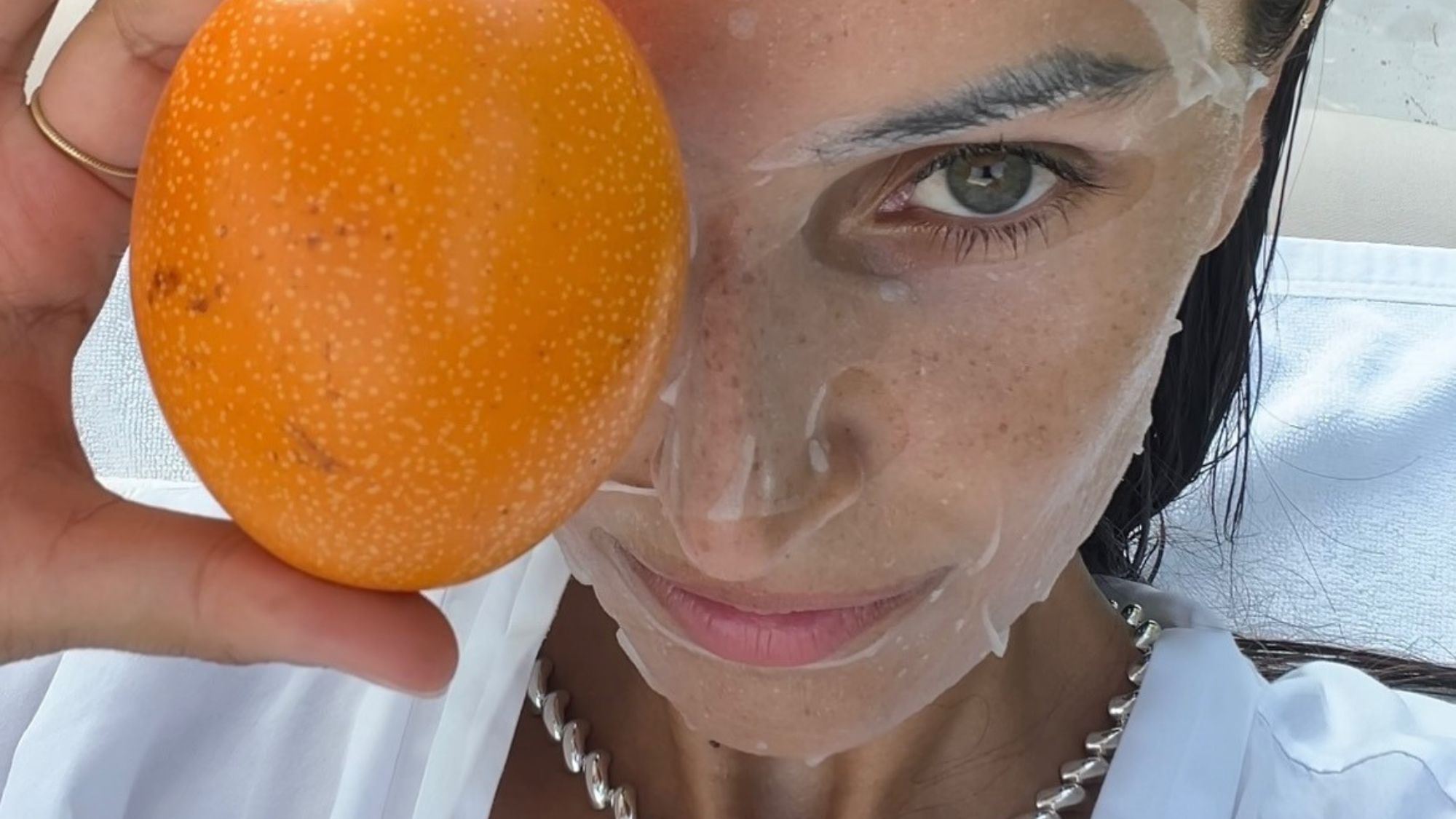
PDRN skincare has emerged as the defining ingredient story of 2026, with searches for "PDRN skincare" climbing more than 700 percent over the past several months according to industry trend trackers. Once a niche injectable confined to Korean dermatology clinics, this salmon-DNA derived compound has now gone fully mainstream, anchoring serums, ampoules, and overnight masks from VT Cosmetics, Medicube, Anua, Numbuzin, and Mediheal. For shoppers wading through the noise, the question is no longer whether PDRN works, but how it works topically, who actually benefits, and which formats deliver on the marketing promise.
What Is PDRN, and Why Is It Suddenly Everywhere?
PDRN stands for polydeoxyribonucleotide, a purified mixture of low-molecular-weight DNA fragments traditionally extracted from the gonadal tissue of Oncorhynchus mykiss (rainbow trout) or Salmo salar (Atlantic salmon). The fish-derived source is not arbitrary. Salmon DNA shares roughly 96 percent homology with human DNA, which is one reason the immune system tolerates it well and why injectable PDRN was first cleared in Italy and South Korea as a wound-healing biologic decades before it ever migrated into the cosmetic aisle.
The mechanism that excites dermatologists is the activation of the adenosine A2A receptor on dermal fibroblasts. When PDRN binds this receptor, it triggers a cascade that increases collagen and elastin synthesis, recruits growth factors such as VEGF, dampens pro-inflammatory cytokines, and salvages purine bases for new DNA synthesis through what biochemists call the salvage pathway. In peer-reviewed studies of injectable PDRN, this translates to measurable improvements in dermal density, hydration, and erythema within four to twelve weeks.
Topical PDRN vs. Injectable Rejuran: The Honest Comparison
The most important caveat for anyone shopping a PDRN serum in 2026 is that almost all of the published clinical evidence comes from the injectable version, marketed in Korea as Rejuran Healer. Polynucleotide chains are large molecules, and the stratum corneum is designed precisely to keep large molecules out. That means a topical PDRN serum cannot replicate what a clinic injection delivers into the dermis.
What topical PDRN can credibly do is deliver immediate hydration, calm reactive skin through its anti-inflammatory signaling at the surface, and support a healthier moisture barrier over time. Several Korean brands have addressed the penetration problem with liposomal encapsulation, microneedle patches, or fragmented low-molecular-weight PDRN combined with peptides and ceramides. These delivery hacks improve performance but do not turn a serum into an injection. Setting realistic expectations is the difference between a happy customer and a disappointed one.
The 2026 K-Beauty PDRN Product Landscape
Three formats now dominate Korean shelves and cross-border e-commerce. The first is the high-concentration ampoule, exemplified by VT Cosmetics PDRN 100 Essence and Anua's PDRN serum, which lean into a watery, layerable texture optimized for the seven-skin technique. The second is the microneedle hybrid, where products like the VT Reedle Shot 100 use spicules — silica microstructures derived from marine sponges — to create temporary microchannels that allow PDRN to penetrate more efficiently. The third is the multi-active cream, such as Medicube's PDRN Pink Peptide line, which pairs PDRN with copper peptides, niacinamide, and a barrier complex for an all-in-one anti-aging routine step.

Pricing in 2026 has finally democratized the category. Where a course of injectable Rejuran in Seoul still runs USD 600 to 1,200, topical PDRN ampoules now retail between USD 20 and 55, with Olive Young's domestic pricing often half of that. As we covered in our Olive Young US launch report, the ingredient is one of the headline categories at the Pasadena flagship store, with a dedicated PDRN endcap.
How to Layer PDRN in a 2026 Korean Skincare Routine
The Korean approach to PDRN is methodical rather than dramatic. Cleanse with a low-pH gel or oil cleanser. Apply a hydrating toner — an essence-toner hybrid works well — to dampen the skin and improve PDRN absorption. Layer the PDRN ampoule onto still-damp skin in two thin passes rather than one heavy one. Follow with peptides if aging is the concern, or with Centella Asiatica products if redness and reactivity are the priority. Seal with a ceramide-rich moisturizer at night, and never skip broad-spectrum SPF in the morning. PDRN routines pair particularly well with the anti-aging Korean skincare protocols for your 30s, 40s, and 50s.
Frequency matters. Unlike retinoids, PDRN is not a stress-it-out actively, so daily use morning and evening is appropriate. Most users report visible glow and plumping within two weeks and firmness benefits, where they exist, between weeks six and twelve.
What Dermatologists Actually Say
The clinical community has landed on a calibrated middle position. Dermatologists publishing in the Journal of Cosmetic Dermatology and Skin Research and Technology generally agree that injectable PDRN has solid evidence for skin booster applications, photoaging reversal, and post-procedure recovery. They are more cautious about topical claims, noting that the strongest studies on topical formulations measure hydration and erythema reduction rather than collagen restructuring. The consensus advice is straightforward: PDRN is a worthy supportive ingredient, but it should not displace proven anti-aging actives like tretinoin, prescription retinoids, vitamin C, or sunscreen. Use PDRN as the calming, hydrating, regenerative-adjacent layer of a complete routine, not as a standalone hero.
Sensitive skin patients are the clearest beneficiaries. Because the A2A pathway is anti-inflammatory, PDRN behaves better than most active ingredients on rosacea-prone, post-laser, post-microneedling, or barrier-compromised skin. It is also pregnancy-friendly under most clinical guidelines, though individual confirmation with an obstetrician remains the standard recommendation.
Where PDRN Sits in the Larger 2026 Regenerative Trend
PDRN is the gateway, not the destination. The same biotech wave is producing the next generation of regenerative actives, including exosome skincare, growth-factor cosmetics, and spicule-based liquid microneedling. Together they constitute what BeautyMatter and Mintel have labeled the medicosmetic pivot — the mainstreaming of clinical-grade ingredients in mass-market skincare. The endpoint is the Bloom Skin and Glass Skin 2.0 aesthetic that is replacing the flat, over-filtered look that dominated Instagram in the early 2020s.
You May Also Like
- Exosome Skincare 2026: Why Dermatologists Call This K-Beauty Ingredient the Successor to PDRN
- Spicules Skincare 2026: K-Beauty's Liquid Microneedling Breakthrough
- Bloom Skin 2026: K-Beauty's Glass Skin 2.0 Trend Explained
- K-Beauty for Beginners 2026: Essential Products and the Routine
- K-Beauty Ingredients Encyclopedia 2026: Every Trending Active Explained
FAQ
Q: Is PDRN skincare safe for sensitive skin?
A: Yes, and this is one of PDRN's strongest selling points. The A2A adenosine receptor pathway is anti-inflammatory by design, which makes PDRN unusually well tolerated by rosacea, eczema, and post-procedure skin. Patch testing remains best practice, but documented irritation rates are low.
Q: Does topical PDRN really build collagen the way the injectable does?
A: Honestly, no — at least not at the same magnitude. The polynucleotide molecule is large and most of it stays in the upper epidermis. You will get hydration, glow, and barrier support reliably. Collagen restructuring at the dermal level is the territory of injectable PDRN administered by a licensed clinician.
Q: Can vegans use PDRN skincare?
A: Traditional PDRN is salmon-derived and therefore not vegan. The 2026 generation has introduced plant-derived and biofermented polynucleotide alternatives, including dual PDRN formulations from clean beauty brands, but read the INCI list carefully and look for explicit vegan certification.
Q: How long until I see results from a PDRN serum?
A: Hydration and glow are typically visible within seven to fourteen days of consistent twice-daily use. Texture refinement and any firming benefits, where present, take six to twelve weeks. PDRN is a marathon ingredient, not a sprint.
Q: Can I layer PDRN with retinol or vitamin C?
A: Yes. PDRN is layer-friendly. The common protocol is vitamin C in the morning, PDRN both morning and evening as a hydrating buffer, and retinol or tretinoin at night three to five times per week. PDRN's anti-inflammatory profile actually helps offset retinoid-related irritation.
The Bottom Line
PDRN skincare is not snake oil, and it is not a miracle. It is a credible regenerative-adjacent ingredient with strong clinical roots in injectable form and a growing, if more modest, body of topical evidence. For 2026, the smart play is to use a well-formulated PDRN ampoule as the calming, hydrating layer in a complete routine that still includes sunscreen, retinoids if appropriate, and barrier-supporting moisturizers. If you want the full dermal restructuring promise, the injectable remains the gold standard and a board-certified dermatologist remains the gatekeeper. For everyone else, the salmon-DNA glow is real enough — and at 2026 prices, it is finally accessible.
Sources: Who What Wear, Grazia Daily, SkinGuard Trend Report, The INKEY List, Pharmacological Activity and Clinical Use of PDRN (PMC).


댓글
댓글 쓰기