Hanbang Skincare 2026: How K-Beauty's Modernized Korean Herbal Medicine Is Powering the Next Anti-Aging Wave
Hanbang Skincare 2026: How K-Beauty's Modernized Korean Herbal Medicine Is Powering the Next Anti-Aging Wave
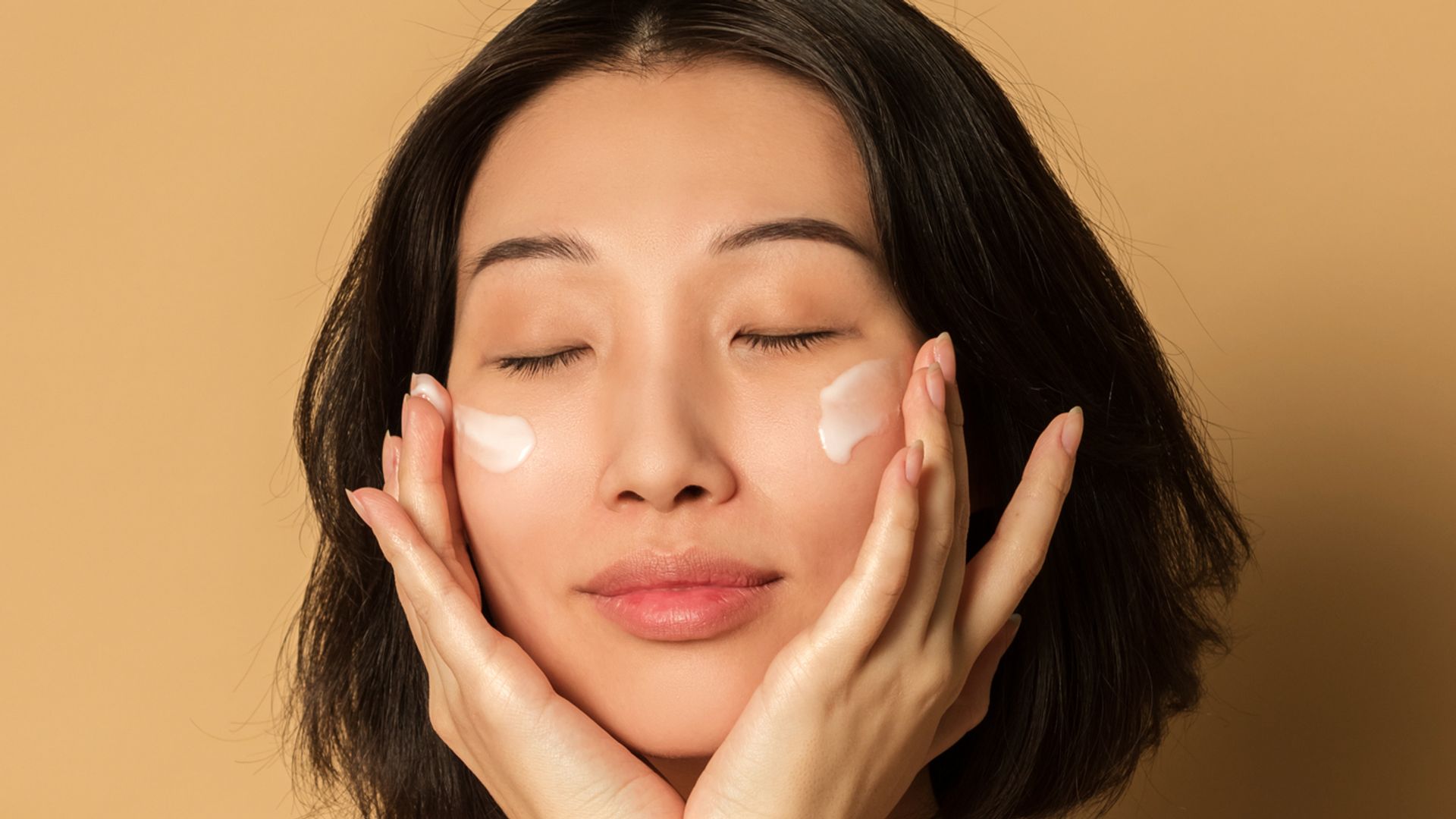
Hanbang skincare 2026 is the K-beauty headline industry forecasters cannot stop talking about. The category, built on ginseng, mugwort, and bamboo sap roots that stretch back to the Joseon dynasty, has been quietly re-engineered with peptide complexes, liposomal encapsulation, and clinical-grade fermentation to deliver measurable anti-aging results. Korean dermatologists, ingredient buyers, and global retailers all point to the same conclusion: modernized hanbang is the bridge between traditional efficacy and lab-grade performance, and it is set to dominate Sephora and Olive Young shelves through the rest of the year.
What Is Hanbang Skincare, and Why Is It Surging in 2026?
Hanbang (한방) literally translates to "Korean medicine" and describes the centuries-old practice of using botanical extracts such as ginseng, mugwort (ssuk), licorice root, bamboo sap, and red ginseng in topical preparations. For decades, hanbang was a niche segment marketed primarily to older Korean consumers. That changed when next-generation formulators began pairing these heritage botanicals with biotech delivery systems, turning grandmother's tonic into a clinically credible alternative to retinol and exosomes.
Melody Yuan, K-beauty expert and CEO of UK retailer Skin Cupid, told HELLO! Magazine that "2026 will see a major surge in modernised hanbang formulas. We will be looking at a rise in the use of ginseng, mugwort, and bamboo sap, paired with peptides and encapsulation technologies to enhance stability and delivery." That forecast aligns with BeautyMatter's 2026 K-Beauty data report, which lists modernized hanbang as one of seven trends backed by retail sell-through and social listening data.
Search interest for "hanbang skincare" climbed steadily through Q1 2026, and TikTok creators in the United States, Singapore, and Brazil have racked up tens of millions of views demonstrating Korean herbal essences side by side with first-line clinical actives. The combination of authentic provenance, transparent botanical sourcing, and modern actives is exactly what 2026 consumers are demanding.
The Three Power Botanicals Driving the Hanbang 2.0 Trend
Hanbang skincare 2026 is not a single ingredient story. It is a portfolio of botanicals, each with its own clinical rationale and modern delivery upgrade.
Ginseng (Panax ginseng): Korean red ginseng is the flagship hanbang ingredient. Ginsenosides, the active saponins in ginseng root, support dermal microcirculation, stimulate fibroblast activity, and have been shown in cell studies to upregulate type I collagen synthesis. Modern hanbang serums use fermented or hydrolyzed ginseng to break the molecular weight down to skin-permeable fragments, paired with signal peptides that amplify the collagen response.
Mugwort (Artemisia princeps, or "ssuk"): Mugwort has been used in Korean bathhouses (jjimjilbang) and traditional medicine for centuries as an anti-inflammatory and antimicrobial agent. The plant contains eupatilin, jaceosidin, and chlorogenic acid, polyphenols with documented soothing and barrier-supportive effects. Brands such as I'm From and Missha use cold-extracted or steam-distilled mugwort to preserve heat-sensitive actives, then encapsulate them in liposomes for deeper delivery into the stratum corneum.
Bamboo sap: Bamboo sap is harvested during the spring growth season and is rich in amino acids, silica, polysaccharides, and minerals. It functions as a humectant that pulls water deep into the epidermis while supplying skin-strengthening silica. Modern bamboo sap toners stabilize the fresh sap with low-temperature processing and combine it with polyglutamic acid or hyaluronic acid for amplified hydration. If you want to understand the hydration science behind these pairings, our previous deep dive on polyglutamic acid in K-beauty covers the molecular weight and water-binding chemistry.
How Modern Biotech Transforms Heritage Botanicals
The leap from traditional decoction to clinical-grade hanbang serum is powered by four formulation technologies. Understanding them is the difference between a heritage-branded product and a genuinely modernized hanbang formula.
First, fermentation. Korean fermentation know-how, refined over centuries in kimchi and doenjang, has been adapted by ingredient suppliers such as Amorepacific R&D to ferment ginseng, soybean, and rice extracts. Fermentation breaks high-molecular plant polymers into smaller bioavailable peptides and amino acids, which the skin can absorb more efficiently.
Second, liposomal and nanocapsule encapsulation. Heritage botanicals are notoriously unstable, oxidizing or degrading quickly in conventional emulsions. Encapsulation in phospholipid bilayers or cyclodextrin shells protects the active until contact with skin, where it is released for targeted delivery. This is the same technology platform that enables advanced ingredients such as PDRN salmon DNA serums and clinical retinoids to perform at lower irritation levels.
Third, peptide pairing. Modern hanbang serums layer signal peptides (Matrixyl 3000, copper peptides, GHK-Cu) on top of botanical extracts. Botanicals provide anti-inflammatory and antioxidant scaffolding while peptides drive the structural collagen and elastin response, producing a synergistic anti-aging benefit that neither category achieves alone.
Fourth, clinical concentration. Traditional hanbang teas and decoctions delivered diluted actives. Modern manufacturing uses supercritical CO2 extraction, freeze-drying, and selective fractionation to standardize active ingredient content. Brands now publish concentration percentages and HPLC certificates, satisfying the transparency demand that defines 2026 consumer behavior.
Expert Insights: What Dermatologists Say About Hanbang in 2026
Board-certified dermatologists have moved from skepticism to cautious enthusiasm. The consensus is that hanbang botanicals are not a replacement for first-line actives such as retinoids and vitamin C, but rather complementary tools, especially for sensitive, reactive, or perimenopausal skin types.
Dr. Christine Hall, a Korean skincare physician quoted in Marie Claire UK, has emphasized that modernized Korean ingredients can deliver visible glow and smoothness when paired with appropriate delivery systems, and notes that absorption improvements of up to 60 times are achievable when actives are properly encapsulated. Korean dermatologists writing in the Korean Journal of Dermatology have published peer-reviewed data showing fermented ginseng extracts reduce transepidermal water loss and improve dermal density in 8 to 12 week clinical trials.
The professional takeaway is straightforward: hanbang is most powerful when it works alongside, not against, evidence-based anti-aging routines. Use a stabilized vitamin C serum in the morning, follow with a hanbang essence or ampoule, layer a peptide moisturizer, and finish with a broad-spectrum sunscreen. At night, alternate a retinoid with a mugwort-based barrier night cream to manage irritation and maintain the skin barrier.
The Best Hanbang Skincare Products to Try in 2026
Several Korean brands have built their entire identity around modernized hanbang. Sulwhasoo, the prestige line from Amorepacific, anchors its First Care Activating Serum around fermented Korean ginseng and is widely considered the category benchmark. Beauty of Joseon offers an entry-price hanbang line built on rice, ginseng, and propolis, popular on Reddit and TikTok for its barrier-friendly formulations. The Whoo positions itself in the luxury tier with red ginseng, deer antler, and bezoar extracts in heavy gold packaging that has become a social media staple.
For mugwort specifically, I'm From's Mugwort Essence remains the bestseller, formulated with 100 percent Ganghwa-grown ssuk and used by Korean estheticians as a calming first-step essence. Missha and Round Lab also offer affordable mugwort toner options that are easy to integrate into any routine. Bamboo sap fans should look at Innisfree and Erborian for accessible options, and at Hanyul for a more premium experience.
If you want to see how hanbang fits into the broader 2026 K-beauty landscape, our coverage of the Bloom Skin trend explains how barrier-supportive botanicals replaced the hyper-glossy glass skin look and pushed the industry toward soft, healthy luminosity.
How to Build a Hanbang-Powered Routine: Step by Step
A modernized hanbang routine respects the traditional Korean multi-step structure while pruning it to a sustainable five to seven steps. In the morning, cleanse with a gentle low-pH cleanser, apply a ginseng-based first essence, layer a peptide ampoule, follow with a barrier moisturizer that contains mugwort or centella, and finish with broad-spectrum mineral or hybrid sunscreen.
In the evening, perform a double cleanse with an oil cleanser followed by a hydrating water-based cleanser. Apply a fermented hanbang toner, layer your treatment serum, follow with a hanbang sleeping mask once or twice a week, and finish with a ceramide and bamboo sap night cream. Alternate retinoid nights with pure hanbang nights to keep the barrier resilient.
The most important rule is consistency over complexity. Hanbang botanicals build their effect over 8 to 12 weeks. Skin biopsies and corneometer measurements from Korean clinical studies show measurable dermal density and hydration changes around the 60-day mark, in line with the natural epidermal turnover cycle.
You May Also Like
- Spicules Skincare 2026: Inside K-Beauty's Viral Microneedling-In-A-Bottle Trend
- PDRN Skincare 2026: Inside the K-Beauty Salmon DNA Trend Surging 700% in Search
- Bloom Skin 2026: K-Beauty's Glass Skin 2.0 Trend Explained
- Polyglutamic Acid 2026: K-Beauty's New Hydration Hero
FAQ: Hanbang Skincare 2026
Q: Is hanbang skincare safe for sensitive skin?
A: Modernized hanbang formulas are generally well-tolerated and often outperform conventional anti-aging products on sensitive or reactive skin because they pair calming botanicals such as mugwort and centella with peptide actives. Patch test new products on the inner forearm for 48 hours before full-face application, especially if you have a history of plant allergies.
Q: Can I use hanbang products with retinol or vitamin C?
A: Yes. Hanbang botanicals are complementary, not competitive, with retinoids and vitamin C. Use vitamin C in the morning, follow with a hanbang essence, and reserve retinoid use for alternate nights. Mugwort and centella formulas are particularly useful for buffering retinoid irritation during the adaptation phase.
Q: How long until I see results from hanbang skincare?
A: Hydration and barrier improvements are typically visible within 7 to 14 days. Tone and texture improvements require 4 to 8 weeks, and structural anti-aging benefits such as dermal density and fine line softening generally appear at 8 to 12 weeks of consistent use, consistent with the natural epidermal turnover cycle.
Q: What is the difference between hanbang and traditional Korean skincare?
A: All hanbang is Korean skincare, but not all Korean skincare is hanbang. Hanbang specifically refers to formulations rooted in traditional Korean herbal medicine, using botanicals such as ginseng, mugwort, and bamboo sap. Modern Korean skincare also includes biotech ingredients such as PDRN, exosomes, and peptides, which can be combined with hanbang botanicals in next-generation formulas.
Q: Are hanbang products worth the higher price point?
A: Premium hanbang lines such as Sulwhasoo and The Whoo command higher prices because of fermentation processes, encapsulation technology, and clinical-grade ingredient sourcing. Affordable hanbang options from Beauty of Joseon, I'm From, and Round Lab offer strong value at entry prices and are frequently recommended by dermatologists for first-time users.
The Bottom Line
Hanbang skincare 2026 represents the convergence of centuries-old Korean herbal medicine with the most advanced cosmetic delivery technologies available today. Modernized hanbang formulas built on fermented ginseng, encapsulated mugwort, and stabilized bamboo sap offer a credible alternative to first-line anti-aging actives for consumers who want efficacy without irritation. Industry experts, retail data, and clinical research all point to hanbang as one of the defining K-beauty stories of the year. Whether you are a sensitive skin minimalist or a seasoned routine builder, integrating one or two modernized hanbang products into your regimen is the most accessible way to participate in the trend that is reshaping the global beauty landscape.
Source: HELLO! Magazine — Korean beauty trends 2026, BeautyMatter — 2026 K-Beauty Forecast, Marie Claire UK


댓글
댓글 쓰기