Polyglutamic Acid 2026: K-Beauty's New Hydration Hero That Holds 5x More Moisture Than Hyaluronic Acid
Polyglutamic Acid 2026: K-Beauty's Hydration Upgrade Over Hyaluronic Acid
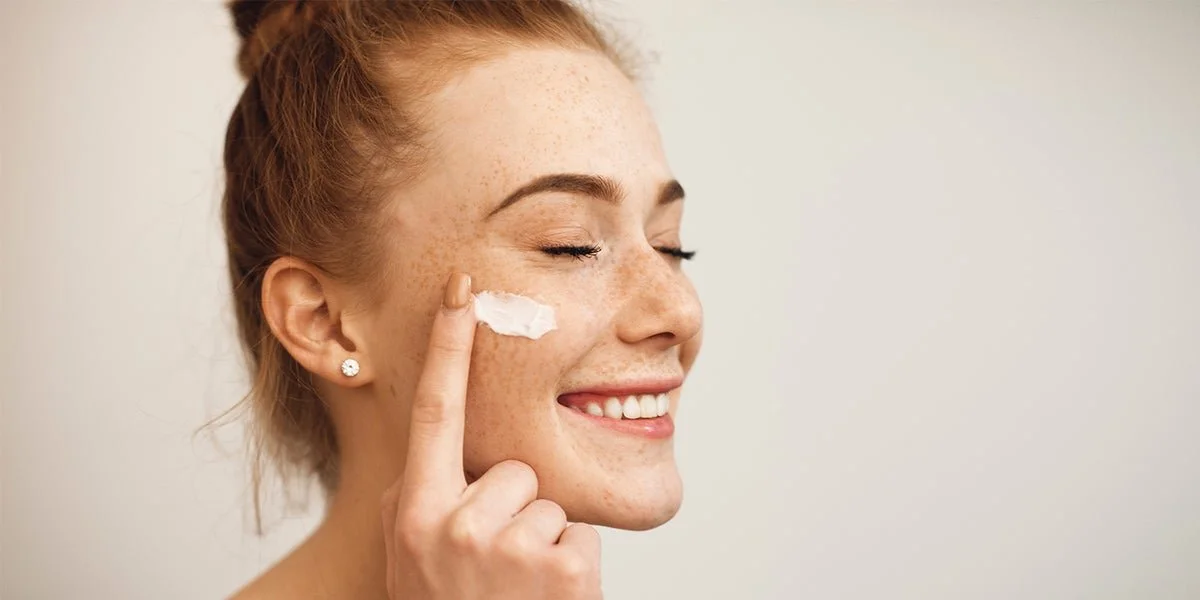
If hyaluronic acid defined the last decade of hydration, polyglutamic acid is poised to define 2026. As dermatologists and K-beauty formulators converge on what they call the "post-glass skin" era — a barrier-first, longevity-driven aesthetic — polyglutamic acid (PGA) has emerged as the molecule rewriting how we think about moisture. Search interest for PGA has climbed steadily through early 2026, and Korean brands from Anua to Isntree to Bonajour are now building entire hydration lines around it. The reason is simple: gram for gram, polyglutamic acid binds and seals significantly more water than hyaluronic acid, and it does so without the dehydrating rebound effect that plagues HA in dry climates.
This guide breaks down what polyglutamic acid actually is, how the latest Korean formulations leverage it, what dermatologists say about safety and pairing, and which K-beauty serums are leading the 2026 PGA wave.
What Is Polyglutamic Acid? The Science Behind PGA
Polyglutamic acid is a biopolymer produced by fermenting Bacillus subtilis — the same microorganism behind Japan's traditional natto. Chemically, it is a chain of glutamic acid units linked into a high-molecular-weight polymer that behaves like a humectant on steroids. While hyaluronic acid molecules are large but discrete, PGA forms an interlocking, breathable mesh on the stratum corneum that traps moisture and reduces transepidermal water loss (TEWL).
The headline claim driving the 2026 surge is its water-holding capacity. According to peer-reviewed cosmetic chemistry literature and brand clinical data summarized by Biossance, polyglutamic acid can hold roughly four to five times more moisture than hyaluronic acid, and some sources cite figures as high as 5,000 times its own weight in water. Equally important, PGA inhibits hyaluronidase, the enzyme that naturally degrades the skin's own hyaluronic acid reserves. In other words, it does not just add moisture — it protects the moisture you already have.
Why K-Beauty Embraced PGA Before the West
Korean formulators have been quietly working with polyglutamic acid for over a decade, but 2026 is the year it goes mainstream. Three forces drove the shift. First, consumers exhausted by 12-step routines wanted multi-functional ingredients — exactly the philosophy behind the skin streaming movement. Second, Korea's climate (humid summers, brutally dry winters with central heating) demands humectants that perform across humidity ranges, and PGA outperforms HA in low-humidity environments because its film prevents the reverse-osmosis dehydration that plain hyaluronic acid can trigger. Third, the rise of the "Cloudglow" and Bloom Skin aesthetics — softer, more dimensional luminosity than the wet glass-skin look — favors ingredients that plump fine dehydration lines without leaving a tacky finish.
Industry analysts tracking East Asian skincare formulations report a sharp uptick in PGA inclusion across new launches in late 2025 and into 2026, with PGA appearing in essences, serums, sleeping masks, and even sheet masks. As we covered in our deep dive on PDRN salmon DNA serums, K-beauty's 2026 playbook is built on layering regenerative actives over hydration scaffolds — and PGA is increasingly the scaffold of choice.
Polyglutamic Acid vs. Hyaluronic Acid: A Direct Comparison
Hyaluronic acid is not going away — it remains a cornerstone humectant, especially when formulated in multi-molecular-weight blends that penetrate deeper layers. But the marketing claim that HA is the gold standard of hydration deserves an asterisk in 2026. PGA outperforms HA on three measurable fronts.
Water-binding capacity: PGA holds roughly 4–5x more water than equivalent concentrations of HA. Surface protection: PGA forms a flexible, breathable film that reduces TEWL by an estimated 25–30 percent in clinical evaluations, while HA does not form a film at all. Enzymatic protection: PGA inhibits hyaluronidase, which means it actively defends your endogenous HA. The practical takeaway is that the two ingredients are complementary, not competitive — and the most effective 2026 formulas pair them deliberately. Dr. Sam Ellis, a board-certified dermatologist, has publicly recommended layering vitamin C in the morning followed by a polyglutamic acid serum to lock in active ingredients while delivering long-lasting hydration.
Best Korean PGA Serums and Products in 2026
The K-beauty PGA category has expanded dramatically over the past year. The standouts dermatologists and editors are pointing to include the following.
Anua Niacinamide 10 percent plus TXA 4 percent Serum has become a category leader on SkinSort and ranks as one of the most popular brightening serums combining tranexamic acid with hydration support. Isntree Aloe Soothing Gel (Moisture) integrates PGA into a calming aloe base, making it ideal for inflamed or post-procedure skin. Bonajour Peptide Water Cream pairs PGA with hyaluronic acid and peptides for a layered hydration-and-firming approach. Round Lab 1025 Dokdo Cream and the Beauty of Joseon Dynasty Cream both list PGA among their humectant blends. For a budget-friendly entry point, Cos De BAHA's hydration line offers PGA-forward formulas under $15.
If you are layering PGA into an existing routine, treat it like you would HA — apply to slightly damp skin after cleansing and toning, before heavier emulsions or creams. Because PGA forms a film, it should be applied before occlusive moisturizers but after water-based essences for maximum absorption.
Expert Insights: What Dermatologists Say About PGA Safety
Topical polyglutamic acid is widely considered low-risk. Because the molecule is large and predominantly surface-acting, systemic absorption is negligible, and irritation rates in clinical evaluations are very low even in sensitive-skin populations. Board-certified dermatologists writing for major beauty publications have repeatedly emphasized that PGA is suitable for nearly all skin types, including post-procedure and barrier-compromised skin.
That said, two practical cautions apply. First, PGA's film-forming behavior can pill if layered carelessly with silicone-heavy primers or sunscreens. Apply thinly, wait 60 seconds for absorption, then continue your routine. Second, while PGA itself is not photosensitizing, its ability to plump fine lines and amplify glow makes diligent SPF use even more important — you want to preserve the surface improvements you are creating. As we discussed in our beta-glucan barrier-repair guide, hydration humectants work best when paired with barrier-supporting lipids and consistent UV protection.
How to Build a 2026 PGA Hydration Routine
A streamlined, science-backed PGA routine looks like this. Morning: gentle low-pH cleanser, antioxidant serum (vitamin C or a niacinamide-based brightener), polyglutamic acid serum or essence, lightweight moisturizer with ceramides, broad-spectrum SPF 50. Evening: oil cleanser followed by a water-based cleanser, treatment actives such as retinoids or PDRN on alternating nights, polyglutamic acid serum, occlusive sleeping mask or barrier cream.
This pared-down architecture aligns with the skin streaming philosophy dominating 2026 — fewer products, each one earning its place. The combination of PGA with a recovery active such as snail mucin or PDRN delivers hydration plus regeneration in three steps, replacing what used to require six or seven layers in 2020-era K-beauty routines.
You May Also Like
- PDRN Skincare 2026: Inside the K-Beauty Salmon DNA Trend Surging 700% in Search
- Beta-Glucan Skincare 2026: The Barrier-Repair Hero Outperforming Hyaluronic Acid
- Snail Mucin Skincare 2026: Science, Benefits, and Best K-Beauty Products Ranked
- Skin Streaming 2026: Why Dermatologists Say K-Beauty's Minimalist Routine Is Beating 12-Step Skincare
- K-Beauty Ingredients Encyclopedia 2026: Every Trending Skincare Active Explained
- K-Beauty Complete Guide 2026: Your Ultimate Korean Skincare Handbook
FAQ: Polyglutamic Acid Questions Dermatologists Hear Most
Q: Is polyglutamic acid better than hyaluronic acid?
A: PGA is not better in every dimension — it is complementary. PGA holds roughly 4–5x more water and forms a protective surface film, while hyaluronic acid penetrates more deeply when formulated with multi-molecular-weight blends. The strongest 2026 routines layer both: HA first for deep hydration, PGA on top to seal it in.
Q: Can I use polyglutamic acid every day?
A: Yes. PGA is non-exfoliating, non-irritating in most skin types, and safe for daily morning and evening use. Unlike retinoids or acids, there is no acclimation period required.
Q: Does PGA work in dry climates and during winter?
A: This is one of PGA's biggest advantages over hyaluronic acid. In low-humidity environments, hyaluronic acid can pull moisture from deeper skin layers if no occlusive is applied on top, leading to paradoxical dryness. PGA's film-forming behavior eliminates that risk and reduces transepidermal water loss directly.
Q: Can I layer polyglutamic acid with retinol or PDRN?
A: Yes, and it is actually one of the most recommended 2026 pairings. Apply your active (retinol, retinal, or PDRN) first, wait 60 to 90 seconds, then layer PGA. The PGA film helps buffer retinoid irritation and supports overnight repair.
Q: Is polyglutamic acid safe during pregnancy?
A: PGA is generally considered safe during pregnancy because it is a surface-acting biopolymer with negligible systemic absorption, but as with any skincare ingredient, confirm with your obstetrician or dermatologist before introducing new actives.
Q: How long until I see results from PGA?
A: Hydration and plumpness improvements are typically visible within hours of first application. Cumulative improvements in fine dehydration lines and skin elasticity tend to appear over 4 to 8 weeks of consistent use.
The Bottom Line
Polyglutamic acid is not a passing trend — it is a structural upgrade to how Korean skincare delivers moisture. With water-binding capacity that dwarfs hyaluronic acid, an enzymatic mechanism that protects your skin's existing HA reserves, and a film-forming behavior that defends against transepidermal water loss in any climate, PGA is the hydration backbone of the 2026 K-beauty playbook. If you have been layering hyaluronic acid serums without seeing the plump, dewy finish you expected, swapping or stacking with a polyglutamic acid serum is one of the simplest high-impact upgrades you can make this year.
Start with a clean, well-formulated PGA serum from a trusted Korean brand, layer it on damp skin after cleansing, and pair it with a barrier-supporting moisturizer and daily SPF. The post-glass skin era rewards consistency over complexity, and polyglutamic acid is the ingredient making that consistency possible.
Sources: Korean Skincare Coach — 2026 Skincare Trends, Biossance — What Is Polyglutamic Acid, Paula's Choice — Polyglutamic Acid for Skin, Healthline — Polyglutamic Acid Benefits.


댓글
댓글 쓰기