Exosomes Skincare 2026: The K-Beauty Biotech Trend Dermatologists Are Watching (And Why FDA Hasn't Approved It)
Exosomes Skincare 2026: The K-Beauty Biotech Revolution Sweeping Dermatology Clinics Worldwide
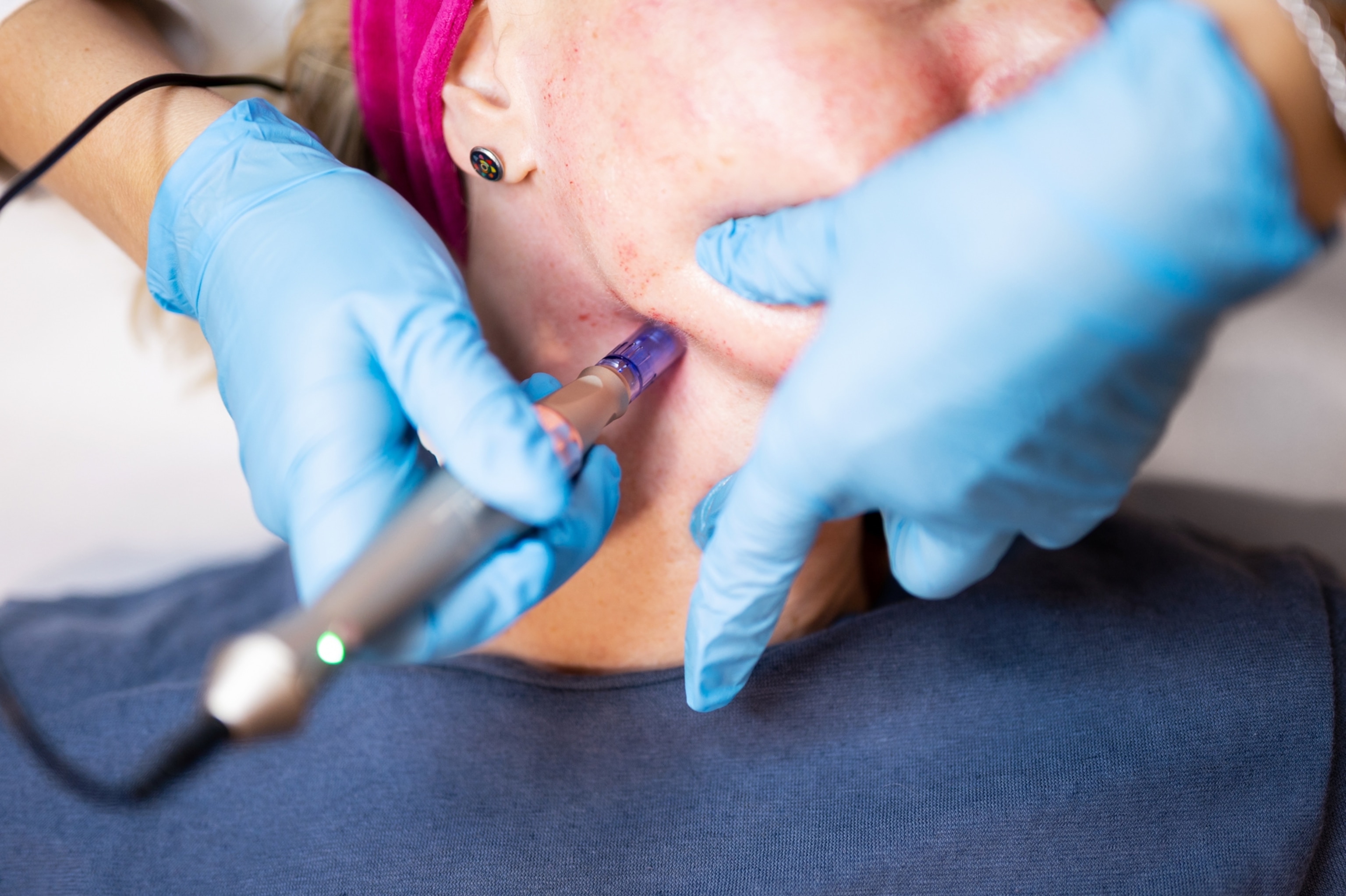
Exosomes skincare has emerged as 2026's most polarizing K-beauty biotech story, with Korean dermatology clinics commercializing these nano-sized cell messengers at a pace the rest of the world cannot match. From Seoul aesthetic clinics to Beverly Hills med-spas, exosomes skincare is being positioned as the natural successor to PDRN, growth factors, and stem cell serums. Yet the same ingredient sits in regulatory limbo with the U.S. Food and Drug Administration, which has never approved a single exosome product for aesthetic use. The result is a 2026 skincare market where breathless marketing claims meet cautious dermatologist skepticism, and consumers are left navigating a category where the science is genuinely promising but the evidence is still being written.
What Exosomes Actually Are (And Why K-Beauty Got There First)
Exosomes are extracellular vesicles measuring roughly 30 to 150 nanometers in diameter. They are bubble-like packets that nearly every cell in the body releases to communicate with neighboring cells. Inside each exosome is a payload of proteins, lipids, mRNA, and microRNA, which the body uses to coordinate everything from wound healing to immune responses. National Geographic likened the mechanism to "a delivery truck" that drops off packages with instructions for what the receiving cell should do next.
For skincare, the appeal is obvious. If you can deliver the right molecular instructions to skin cells, you can theoretically tell fibroblasts to make more collagen, signal keratinocytes to repair barrier damage, and prompt melanocytes to slow pigment production, all without injecting a single foreign drug. Korean biotech firms recognized this opportunity earlier than Western pharma giants. Companies including ExoCoBio, ILIAS Biologics, and Brexogen have spent nearly a decade developing scalable manufacturing of plant-derived and stem-cell-derived exosomes for cosmetic use, giving K-beauty a structural head start.
Why Exosomes Skincare Exploded in 2026
Three factors converged to push exosomes skincare into the 2026 spotlight. First, consumer fatigue with retinol irritation and aggressive acid routines pushed shoppers toward "regenerative" rather than "exfoliative" categories. Second, the breakout success of PDRN salmon-DNA skincare primed the market for biotech molecules that promise cellular-level repair without downtime. Third, Korean dermatologists started pairing topical exosome serums with microneedling and laser resurfacing, generating before-and-after content that performed extraordinarily well on Korean social platforms and TikTok.
Market analysts at BioInformant project the exosome-based cosmeceutical category will exceed $1.5 billion globally by the end of 2026, with South Korea and the United States accounting for more than 70 percent of revenue. For perspective, that growth rate outpaces every other regenerative skincare category, including growth factors and stem-cell conditioned media.
How Exosomes Skincare Works (The Science, Not the Marketing)
The mechanism of action that has dermatologists genuinely intrigued comes down to cell-to-cell signaling. When exosomes are applied to skin—either topically after microchannel disruption or, more controversially, injected—they fuse with target cells and unload their molecular cargo. In peer-reviewed dermatology studies, this cargo has been shown to upregulate type I and type III collagen synthesis, suppress matrix metalloproteinase-1 (the enzyme that degrades collagen), and accelerate barrier lipid production.
A 2024 topical exosome study cited by National Geographic reported that 87.3 percent of participants experienced visible skin improvements after 12 weeks of use. However, the same researchers noted the study lacked a control group and used a small sample size. Independent dermatologists, including those quoted in a 2026 systematic review published in the Journal of Cosmetic Dermatology, emphasize that while preliminary signal is real, exosomes do not yet match the evidence base behind retinoids, vitamin C, or even copper peptides.
The Two Main Sources: Stem Cells vs. Plant-Derived
Not all exosome skincare is the same, and the source of the vesicles matters more than most marketing copy admits. The first major category is human stem-cell-derived exosomes, which are harvested from mesenchymal stem cells (often umbilical-cord or adipose-derived). These products typically claim the strongest regenerative profile but carry the most regulatory baggage because the FDA classifies human-derived exosomes as biological drugs.
The second category is plant-derived exosomes, extracted from sources such as ginseng, rose stem cells, edelweiss, or centella asiatica. Korean brands have leaned heavily into this category because plant exosomes sidestep many of the biosafety concerns associated with human-cell sources while still delivering bioactive cargo. The plant route also aligns naturally with K-beauty's modernized hanbang movement, which prizes botanical actives backed by molecular characterization.
The FDA Problem That K-Beauty Brands Don't Advertise
This is where the 2026 exosomes skincare story gets uncomfortable. The U.S. Food and Drug Administration has never approved a single exosome product for cosmetic or aesthetic use. In 2020, the agency issued a formal warning about "regenerative medicine" products containing stem cells and exosomes, citing consumer misinformation and unverified efficacy claims. In 2023, the FDA reaffirmed its position, classifying human-derived exosomes as biological drugs subject to investigational new drug (IND) regulations.
However, U.S. cosmetic law does not require pre-market FDA approval for skincare products. As long as a manufacturer does not claim the product treats a disease, exosome-containing serums can be sold legally over the counter. This regulatory gap is exactly why exosome serums sit on Sephora shelves and clinic countertops despite the FDA's unresolved position. Consumers buying exosome skincare in 2026 should understand they are essentially participating in a real-time consumer experiment, not purchasing an FDA-validated therapeutic.
Expert Insights: What Dermatologists Actually Say in 2026
Among the dermatologists publicly weighing in on the 2026 exosomes skincare wave, the consensus splits along three lines. The optimists, including several Seoul-based aesthetic physicians, view topical exosomes as the most exciting regenerative ingredient in a decade and routinely pair them with fractional lasers or microneedling for accelerated post-procedure recovery. The skeptics, including U.S. board-certified dermatologists quoted in NBC News and National Geographic, argue that without rigorous randomized controlled trials and standardized quality control, consumers cannot reliably know what they are actually applying to their skin.
The middle camp, which appears to represent most clinicians, takes a "promising but unproven" stance. Dr. Heather Rogers, a Seattle-based dermatologist who has commented on regenerative trends, notes that exosomes work best as an in-clinic adjunct rather than a standalone at-home product. The reasoning is practical: intact exosomes are physically larger than what untreated skin can absorb, so post-procedure application (when microchannels are open) is where the strongest case can be made for meaningful penetration.
How Exosomes Compare to Other 2026 K-Beauty Biotech Trends
To put exosomes in context, it helps to compare them against the other regenerative ingredients dominating K-beauty conversations this year. PDRN, derived from salmon DNA, has stronger published clinical evidence for repair and is widely available in both injectable and topical forms. Spicules, marketed as "microneedling in a bottle," deliver mechanical penetration that pairs naturally with exosome serums. NAD+ skincare targets cellular energy metabolism, a different pathway entirely.
Where exosomes differ is in the breadth of their potential effect. A single exosome carries dozens of bioactive molecules simultaneously, which is both their greatest strength (complex, coordinated signaling) and their greatest weakness (it is genuinely difficult to standardize what each batch actually delivers). For consumers building a 2026 routine, the practical advice is to treat exosomes as a luxury layer on top of evidence-backed actives, not as a replacement for them.
What to Look For When Buying Exosome Skincare in 2026
If you decide to try exosome skincare despite the regulatory ambiguity, a few quality markers separate serious formulations from marketing-driven products. First, look for the source: reputable brands disclose whether their exosomes are plant-derived, stem-cell-derived, or from a specific cell line. Second, check for exosome count per milliliter, typically expressed in billions; legitimate clinical-grade products usually disclose this metric. Third, prioritize brands that publish at least one peer-reviewed study on their specific formulation, not just on exosomes as a general category.
Avoid brands that make explicit medical claims (treating scars, reversing aging, "replacing" surgical procedures), as these claims usually signal regulatory non-compliance. Also be cautious of dramatic price discounts; high-quality exosome manufacturing is expensive, and serums priced under $80 are statistically unlikely to contain therapeutic concentrations of intact vesicles.
You May Also Like
- PDRN Skincare 2026: Inside the K-Beauty Salmon DNA Trend Surging 700% in Search
- Spicules Skincare 2026: Inside K-Beauty's Viral Microneedling-In-A-Bottle Trend
- Copper Peptide Skincare 2026: Why GHK-Cu Is K-Beauty's Next Anti-Aging Frontier
- K-Beauty Ingredients Encyclopedia 2026: Every Trending Skincare Active Explained
- Anti-Aging Skincare Guide 2026: Science-Backed Ingredients and Routines
FAQ
Q: Are exosomes skincare products FDA approved in 2026?
A: No. The FDA has not approved any exosome product for aesthetic or cosmetic use. Cosmetic products containing exosomes can still legally be sold over the counter in the United States as long as they make no disease-treatment claims, but consumers should understand they are buying into an unapproved category.
Q: What is the difference between plant exosomes and stem cell exosomes?
A: Plant-derived exosomes (from ginseng, rose, edelweiss, centella) carry plant-specific signaling molecules and avoid the regulatory issues tied to human-cell sources. Stem-cell-derived exosomes (typically from mesenchymal stem cells) carry mammalian growth factor signals that may produce stronger regenerative effects but face FDA scrutiny as biological drugs. K-beauty brands tend to favor plant exosomes for the retail market.
Q: Do exosomes skincare products actually work, or is it marketing hype?
A: Preliminary clinical evidence is genuinely promising, particularly for post-procedure recovery, barrier repair, and collagen stimulation. However, the evidence base is significantly smaller than for retinoids, vitamin C, or peptides. Most dermatologists recommend exosomes as a complementary luxury layer rather than a foundational anti-aging treatment.
Q: Can you use exosomes with retinol, vitamin C, or acids?
A: Yes. Exosomes are generally compatible with most active ingredients and are often used the morning after retinol nights or in barrier-repair routines following exfoliation. Their anti-inflammatory profile can actually reduce irritation from stronger actives.
Q: How long does it take to see results from exosomes skincare?
A: Clinical studies typically report visible improvements at 8 to 12 weeks of consistent use. Faster results (within 4 weeks) are usually reported when exosomes are paired with in-clinic microneedling or laser treatments, which improve penetration of the relatively large vesicles.
The Bottom Line
Exosomes skincare in 2026 sits at the most interesting intersection in modern beauty: a genuinely promising biotech mechanism, an aggressive K-beauty commercialization push, and a regulatory framework that has not caught up. For consumers, the smart play is to treat exosome serums as a premium, post-procedure or barrier-repair layer rather than a miracle product, and to scrutinize brand transparency (source, count, peer-reviewed data) before paying $200-plus for what is often a luxury experiment. The science is real. The hype is louder than the evidence. And the next 24 months of clinical data will determine whether exosomes become the category-defining anti-aging ingredient of the decade or another cautionary tale of biotech marketing outpacing biotech proof.
Source: National Geographic — The real science of exosomes, NBC News Select, BioInformant Market Report 2026.


댓글
댓글 쓰기