NAD+ Skincare 2026: K-Beauty's New Cellular Anti-Aging Frontier
NAD+ Skincare 2026: The Cellular Energy Ingredient Reshaping Anti-Aging
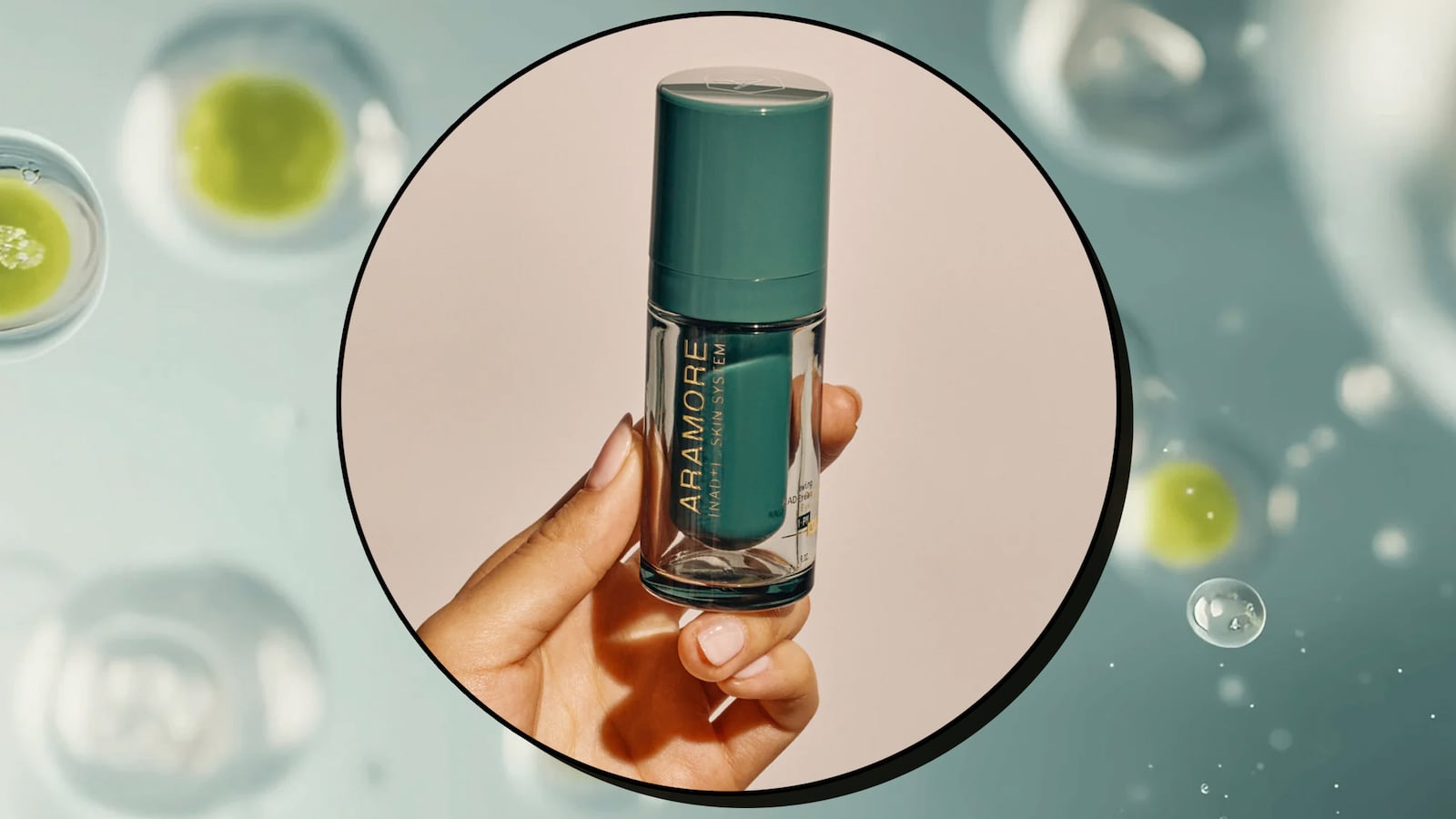
NAD+ skincare has officially crossed from longevity supplement aisles into mainstream beauty in 2026, and dermatologists are calling it one of the most exciting anti-aging ingredients to emerge in a decade. Short for nicotinamide adenine dinucleotide, NAD+ is a coenzyme that fuels every living cell — and its topical application is now reshaping how we think about cellular skincare. With Vogue, NBC News, and The Daily Beast all profiling NAD+ as a 2026 breakthrough, this once-obscure molecule has become K-beauty's most-discussed new active.
What makes NAD+ different from the dozens of anti-aging buzzwords that came before? Unlike retinol or peptides, which work on the skin's surface biology, NAD+ works at the mitochondrial level — the energy factories inside every skin cell. As cellular energy declines with age, so does the skin's ability to repair, regenerate, and protect itself. NAD+ skincare aims to restore that cellular fuel directly.
What Is NAD+ and Why Does It Matter for Skin?
NAD+ is a coenzyme found inside the mitochondria of every living cell. It plays a central role in three biological processes that are non-negotiable for healthy skin: energy production (ATP synthesis), DNA repair, and inflammation control. Aramore CEO Melisse Shaban describes it simply: "Found inside the mitochondria of all living cells, it helps generate the energy our cells need to function at their best."
Here's the catch — NAD+ levels naturally peak in early adulthood and then decline steadily. According to skincare brand Medik8, "By midlife, levels can be significantly lower than in youth." That decline correlates with visible signs of aging: slower cell turnover, weakened barrier function, dullness, fine lines, and reduced collagen synthesis. The hypothesis behind topical NAD+ is straightforward: replenish the coenzyme, and you may help skin behave more like it did when NAD+ was abundant.
How Topical NAD+ Works: The Science Behind the Hype
NAD+ functions as the rate-limiting fuel for over 500 enzymatic reactions in the body, including the sirtuin family of "longevity proteins" that regulate cellular aging. In the skin, sufficient NAD+ levels enable:
- Mitochondrial ATP production — the energy required for collagen synthesis, keratinocyte renewal, and barrier repair.
- DNA repair — PARP enzymes use NAD+ to fix UV-induced and oxidative DNA damage that drives photoaging.
- Inflammation regulation — sirtuin activation suppresses inflammatory pathways linked to redness, sensitivity, and chronic skin inflammaging.
- Antioxidant defense — NAD+ helps regenerate the skin's own antioxidant systems, including glutathione recycling.
The challenge has historically been delivery. NAD+ is a large, water-soluble molecule that doesn't easily penetrate the stratum corneum. The 2026 wave of NAD+ skincare solves this in two ways: by using stabilized NAD+ precursors (like nicotinamide mononucleotide, or NMN) that the skin can convert internally, or by combining NAD+ with delivery enhancers such as ketones, fatty acids, and encapsulation technology. Aramore, for example, uses a proprietary blend of NMN with ketones and fatty acids that the brand says "can boost NAD+ levels in the skin, promoting healthy replacement of skin cells that we lose with age."
The 2026 NAD+ Product Wave: Brands Leading the Category
Several brands have launched dedicated NAD+ skincare lines in 2026, each with distinctive formulation strategies:
Intuisse Active NAD+ Face Serum — Powered by 5% pharma-grade NAD+, pomegranate enzymes, Mediterranean marine plankton, and meadowfoam seed oil. The brand claims it stimulates cellular renewal, brightens uneven tone, protects against oxidative stress, and strengthens the skin barrier.
Aramore NAD+ Cell Restoration Cream — Built around the brand's NMN-plus-ketone delivery system. Positioned as a daily anti-aging moisturizer for mature skin.
Medik8 Advanced Pro-Collagen+ Peptide Cream — Uses NAD+ pathway support combined with multi-peptide complexes. The brand cites an independent clinical study showing increased firmness and elasticity in just seven days across 60 volunteers.
Naderma NAD+ Anti-Aging Moisturizer — A direct NAD+ formulation targeting the supplement-curious longevity consumer transitioning to topical care.
K-beauty brands are following close behind. The Korean skincare market — already deeply invested in regenerative actives like PDRN salmon DNA and exosome therapy — treats NAD+ as the natural next frontier. Expect Korean derm-cosmetic brands such as Medicube, Numbuzin, and Beauty of Joseon to release NAD+ ampoules and serums by late 2026.
NAD+ vs. Niacinamide: Are They the Same Thing?

This is the most common point of confusion. Niacinamide is a form of vitamin B3 and a precursor in the NAD+ biosynthesis pathway — meaning the skin can use niacinamide to make NAD+ over time. NAD+ itself is the active coenzyme, and NMN (nicotinamide mononucleotide) sits one step closer to NAD+ in the pathway than niacinamide does.
The practical difference: niacinamide at 4-10% has been a K-beauty staple for years for barrier strength and brightening. NAD+ skincare aims to deliver the active coenzyme (or its most direct precursor, NMN) for a more upstream effect on cellular energy. Many 2026 NAD+ formulas include niacinamide alongside NMN to support the entire pathway, not replace it.
Expert Insights: What Dermatologists Say About Topical NAD+
Dermatologists interviewed by NBC News and other outlets generally fall into two camps. The optimists point to robust in-vitro and supplement data showing NAD+'s role in cellular health, and acknowledge that topical delivery — while challenging — appears feasible with NMN and encapsulation technologies. The skeptics emphasize that large-scale, peer-reviewed clinical trials of topical NAD+ are still emerging, and that consumers should treat dramatic claims with caution.
The consensus position: NAD+ is a scientifically credible target with promising early data, especially for mature skin (40+) where natural NAD+ levels have meaningfully declined. It pairs well with established anti-aging actives rather than replacing them. As one dermatologist quoted by Medik8 noted, NAD+ acts as a "cellular battery" — useful only if the rest of the routine (sunscreen, retinoids, antioxidants, peptides) is already in place.
How to Layer NAD+ in Your K-Beauty Routine
NAD+ products are typically formulated as serums, ampoules, or moisturizers and play well with most actives. A balanced 2026 anti-aging routine might look like:
- Morning: Gentle cleanser → Vitamin C antioxidant serum → NAD+ serum or ampoule → Moisturizer with peptides → SPF 50+
- Evening: Double cleanse → Exfoliating toner (2-3x per week) → NAD+ serum → Retinol or bakuchiol (alternate nights) → NAD+ moisturizer
The minimalist skin streaming approach works particularly well with NAD+: rather than layering five anti-aging serums, consolidate around one well-formulated NAD+ product plus retinoid plus SPF. NAD+ also pairs naturally with copper peptides (GHK-Cu) for amplified collagen-stimulating effects.
Who Should Try NAD+ Skincare?
NAD+ formulations target the anti-aging consumer, but the "right age" to start depends on goals. Dermatologists generally recommend NAD+ skincare for:
- Adults 35+ noticing the first markers of cellular slowdown (dullness, slower healing, loss of bounce).
- Mature skin (50+) seeking regenerative support beyond traditional retinoids.
- Clients with a history of UV damage looking for DNA-repair support.
- Anyone already taking NAD+ or NMN supplements who wants topical synergy.
NAD+ is generally well tolerated, even on sensitive skin, because it works as a metabolic coenzyme rather than a chemical exfoliant or receptor agonist. Patch testing is still recommended with any new product.
You May Also Like
- Copper Peptide Skincare 2026: Why GHK-Cu Is K-Beauty's Next Anti-Aging Frontier
- Exosome Skincare 2026: The K-Beauty Successor to PDRN
- Anti-Aging Korean Skincare Routine 2026: Complete Guide for 30s, 40s, 50s
- K-Beauty Ingredients Encyclopedia 2026: Every Trending Active Explained
- Anti-Aging Skincare Guide 2026: Science-Backed Ingredients and Routines
FAQ
Q: Is NAD+ skincare worth it in 2026, or is it just hype?
A: NAD+ has solid scientific grounding as a cellular energy coenzyme, and early topical formulations using NMN precursors and modern delivery systems show promising results. Independent clinical data is still building, but the mechanism is credible. For mature skin (40+), it's one of the more interesting new actives of 2026 — provided you also maintain sunscreen, retinoids, and antioxidants.
Q: What's the difference between NAD+ and NMN in skincare?
A: NMN (nicotinamide mononucleotide) is a direct precursor that the skin converts into NAD+. Many topical formulas use NMN because it's more stable and may penetrate better than NAD+ itself. Niacinamide is an even earlier precursor in the same pathway. Think of it as a fuel chain: niacinamide → NMN → NAD+.
Q: Can I use NAD+ skincare with retinol or vitamin C?
A: Yes. NAD+ doesn't compete with retinol or vitamin C and can be layered with both. A common routine uses vitamin C in the morning, NAD+ as an everyday serum, and retinol at night. Always introduce one new active at a time and watch for irritation.
Q: At what age should I start using NAD+ skincare?
A: NAD+ levels begin declining noticeably after age 30 and drop more steeply after 40. Most dermatologists suggest considering NAD+ skincare from your mid-30s onward, especially if your skin shows early signs of cellular slowdown (dullness, slower healing, fine lines).
Q: Are NAD+ topical products safe for sensitive skin?
A: Generally yes — NAD+ is non-irritating and works as a metabolic coenzyme rather than a chemical exfoliant. However, full formulations may contain other actives (peptides, acids, fragrance) that could irritate. Patch test for 48 hours before full-face use.
Q: Is NAD+ skincare a K-beauty trend or Western trend?
A: It started in Western longevity-focused brands (Aramore, Intuisse, Naderma) but K-beauty is rapidly adopting NAD+ given the Korean market's appetite for regenerative actives like PDRN and exosomes. Expect a wave of Korean NAD+ ampoules through late 2026 and 2027.
The Bottom Line
NAD+ skincare represents one of the most scientifically grounded anti-aging trends of 2026. By targeting cellular energy at the mitochondrial level, it addresses an upstream cause of skin aging that traditional topicals can't touch. The category is still young, peer-reviewed clinical data is accumulating, and formulation quality varies widely — but for mature skin seeking the next frontier beyond retinol and peptides, NAD+ deserves a place in the conversation. Pair it with rigorous SPF, a retinoid, and an antioxidant, and you have a 2026 anti-aging routine built on the latest cellular biology.
Sources: The Daily Beast, NBC News, Medik8, Viva Health Skincare.


댓글
댓글 쓰기