Vitamin C Serum Guide 2026: Best K-Beauty Products, Forms, and How to Build Your Brightening Routine
Vitamin C Serum Guide 2026: Best K-Beauty Products, Forms, and How to Build Your Brightening Routine
If there is one skincare ingredient that dermatologists, cosmetic chemists, and K-beauty enthusiasts unanimously agree on, it is vitamin C. Decades of peer-reviewed research confirm that topical vitamin C brightens uneven skin tone, stimulates collagen synthesis, neutralizes free-radical damage from UV and pollution, and fades post-inflammatory hyperpigmentation. In 2026, Korean skincare brands continue to push the boundaries of vitamin C formulation — delivering higher stability, gentler delivery systems, and multi-active synergies that Western brands are still catching up to. This comprehensive guide breaks down every form of vitamin C used in skincare, ranks the eight best Korean vitamin C serums available right now, and walks you through exactly how to incorporate vitamin C into your daily routine for maximum results.

Why Vitamin C Is the Gold Standard of Brightening Ingredients
Vitamin C — chemically known as ascorbic acid — is one of the most extensively studied topical antioxidants in dermatology. Its benefits span multiple mechanisms that work in concert:
ANTIOXIDANT DEFENSE: Vitamin C donates electrons to neutralize reactive oxygen species (ROS) generated by UV radiation and environmental pollutants. When paired with a broad-spectrum Korean sunscreen, vitamin C provides a second layer of photoprotection that sunscreen alone cannot achieve.
COLLAGEN SYNTHESIS: As a cofactor in proline and lysine hydroxylation, vitamin C is essential for stable collagen triple-helix formation. Regular topical application has been shown to increase dermal collagen density, which is why it features prominently in collagen banking strategies recommended by dermatologists in 2026.
MELANIN INHIBITION: Vitamin C inhibits tyrosinase, the rate-limiting enzyme in melanin production. This makes it effective at fading dark spots, post-acne marks, and melasma. Combined with tranexamic acid or niacinamide, it creates a multi-pathway approach to hyperpigmentation that dermatologists increasingly prefer over single-ingredient treatments.
ANTI-INFLAMMATORY PROPERTIES: By modulating NF-kB signaling, vitamin C helps calm redness and irritation, making it useful for reactive skin types when formulated at appropriate concentrations.
Types of Vitamin C in Skincare: Which Form Is Right for You?
Not all vitamin C is created equal. Understanding the differences between forms is critical to choosing the right product for your skin type and goals. Here is a breakdown of the five most common vitamin C forms used in Korean skincare:
L-ASCORBIC ACID (LAA)
The pure, bioavailable gold standard. L-ascorbic acid is the most potent form with the strongest clinical evidence. It works at a pH between 2.5 and 3.5 and is effective at concentrations of 10-20%. The trade-off is instability: LAA oxidizes when exposed to light, heat, and air, and concentrations above 15% can cause stinging in sensitive skin. Best for experienced vitamin C users who want maximum results. Products like COSRX The Vitamin C 23 Serum use this form.
3-O-ETHYL ASCORBIC ACID (Ethyl Ascorbyl Ether)
A next-generation derivative that is stable at a wide pH range (4.0-6.0), water-soluble, and converts to active ascorbic acid within the skin. Clinical studies show it is effective at concentrations as low as 2% for brightening, with significantly less irritation than LAA. This is the form increasingly favored by K-beauty brands for sensitive skin formulations.
ASCORBYL GLUCOSIDE
A glucose-bonded derivative that is highly stable and gentle. It converts to active vitamin C via glucosidase enzymes in the skin, but the conversion rate is slower and less efficient than ethyl ascorbyl ether. Best for very sensitive skin or as a complementary ingredient in multi-active formulas. Effective at 2-5%.
SODIUM ASCORBYL PHOSPHATE (SAP)
A salt form stable at neutral pH, making it one of the gentlest options. SAP has demonstrated antibacterial properties against P. acnes in addition to antioxidant benefits, making it an excellent choice for acne-prone skin. Effective at 5-10%, though less potent than LAA milligram-for-milligram.
ASCORBYL TETRAISOPALMITATE
An oil-soluble ester that penetrates through the lipid barrier of the skin. Because it is oil-based, it integrates well into cream and oil formulations rather than water-based serums. Stability is excellent, but potency is lower. Best for dry or mature skin types seeking gentle, sustained brightening.
8 Best Korean Vitamin C Serums for 2026
After reviewing formulation science, user feedback, and clinical claims, these are the eight Korean vitamin C serums worth your attention in 2026:
1. COSRX THE VITAMIN C 23 SERUM
Concentration: 23% L-Ascorbic Acid | pH: ~3.0
The powerhouse for serious vitamin C users. COSRX pairs the highest LAA concentration in K-beauty with Super Vitamin E (tocotrienol) and glutathione, creating a potent antioxidant triad. Clinical testing showed 38% reduction in pore volume and over 92% improvement in skin texture. The 20g airless tube helps minimize oxidation. Best for experienced users targeting stubborn dark spots, fine lines, and significant tone correction. Apply after cleansing on dry skin, let absorb for one to two minutes, then layer your Korean essence on top.
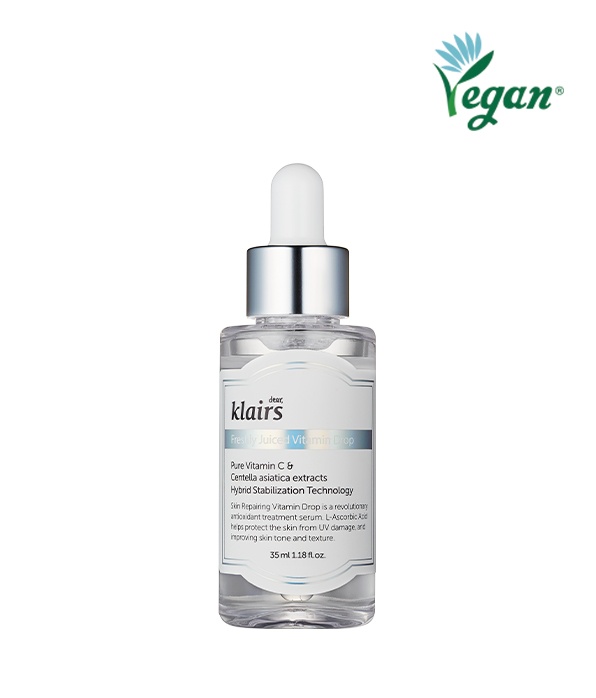
2. KLAIRS FRESHLY JUICED VITAMIN DROP
Concentration: 5% L-Ascorbic Acid | pH: ~3.8
The undisputed beginner-friendly vitamin C in K-beauty. At 5% LAA with a slightly higher pH than most vitamin C serums, it delivers noticeable brightening with minimal irritation risk. The formula includes Centella Asiatica extract — a classic K-beauty soothing ingredient — to counteract any potential sensitivity. At under $25, it is one of the best value propositions in the entire vitamin C market. Ideal for sensitive skin, first-time vitamin C users, and those building a K-beauty starter routine.
3. NUMBUZIN NO.5 VITAMIN CONCENTRATED SERUM
Concentration: Glutathione + 4% Tranexamic Acid + 5% Niacinamide + Vitamin C
Rather than relying on a single high-dose vitamin C, Numbuzin takes the Korean approach of layering multiple brightening actives at moderate concentrations. Tranexamic acid blocks melanin transfer, niacinamide inhibits melanosome transport, and glutathione provides antioxidant support alongside vitamin C. The ultra-watery texture absorbs instantly. This is the serum for users who want comprehensive brightening without committing to pure LAA.
4. SOME BY MI GALACTOMYCES PURE VITAMIN C GLOW SERUM
Concentration: 75% Galactomyces Ferment Filtrate + 30,000ppm Vitamin C
A double-brightening approach combining fermented galactomyces (which provides amino acids, peptides, and natural AHAs) with a meaningful vitamin C concentration. The galactomyces base enhances skin texture and provides hydration, while vitamin C handles targeted brightening. An excellent choice for users who appreciate fermented K-beauty formulations.
5. GOODAL GREEN TANGERINE VITA C DARK SPOT SERUM
Concentration: Vitamin C derivatives from Jeju Green Tangerine + Niacinamide
Goodal extracts vitamin C from Jeju Island green tangerines, combining natural-source ascorbic acid with stabilized derivatives. The serum targets dark spots specifically and has earned cult status for its bright citrus aesthetic and reliable results. The plant-derived approach resonates with users who prefer naturally sourced actives.
6. BEAUTY OF JOSEON GLOW SERUM: PROPOLIS + NIACINAMIDE
Concentration: 60% Propolis Extract + 2% Niacinamide
While technically a propolis serum rather than a vitamin C serum, this product deserves mention because propolis provides potent antioxidant protection comparable to vitamin C, combined with niacinamide for brightening. For users who find all forms of vitamin C irritating, this is the K-beauty alternative that delivers similar brightening outcomes through a completely different mechanism. Pairs beautifully with a dedicated vitamin C in the morning when skin tolerates both.
7. TIAM MY SIGNATURE RED C SERUM
Concentration: 13.5% Ethyl Ascorbyl Ether
One of the highest concentrations of ethyl ascorbyl ether in any Korean serum. This stable vitamin C derivative converts to active ascorbic acid in the skin without the irritation, oxidation, or pH sensitivity issues of pure LAA. The red-tinted formula (from natural pigments, not artificial dyes) absorbs quickly and works across all skin types. An outstanding middle ground between pure vitamin C potency and derivative gentleness.
8. SEOULCEUTICALS PURE VITAMIN C SERUM
Concentration: 20% L-Ascorbic Acid + Vitamin E + Ferulic Acid
Built on the research-backed CEF formula (vitamin C, vitamin E, ferulic acid) that has been clinically proven to enhance the photoprotective effects of each ingredient, SeoulCeuticals offers a K-beauty take on the gold-standard antioxidant combination. The 20% LAA concentration delivers clinical-strength results. This serum consistently ranks among the best-selling Korean skincare products on Amazon and is a solid choice for users migrating from Western vitamin C serums to K-beauty.
How to Use Vitamin C in Your Korean Skincare Routine
Proper application maximizes vitamin C effectiveness. Here is the dermatologist-recommended approach within a Korean skincare framework:
MORNING ROUTINE (RECOMMENDED):
Step 1: Gentle water-based cleanser (or second cleanser from double cleansing)
Step 2: Vitamin C serum on clean, dry skin — wait 1-2 minutes for absorption
Step 3: Hydrating toner or essence
Step 4: Moisturizer
Step 5: Broad-spectrum SPF 50+ sunscreen (non-negotiable when using vitamin C)
Morning application is preferred because vitamin C synergizes with sunscreen to boost UV protection. The antioxidant effect also combats daily environmental aggressors in real time.
EVENING ALTERNATIVE:
If you use retinol or retinoids at night, apply vitamin C in the morning and retinol at night. If you do not use retinoids, vitamin C can be used in either AM or PM. Avoid layering vitamin C directly with retinol in the same routine, as both are pH-dependent actives that can compromise each other's efficacy and increase irritation risk.
INTRODUCTION SCHEDULE:
Week 1-2: Every other day, morning only
Week 3-4: Daily morning application
Week 5+: Consider adding a second application (PM) if skin tolerates well and you are not using retinoids
Vitamin C Combinations: What to Pair and What to Avoid
SYNERGISTIC PAIRINGS:
- Vitamin C + Vitamin E + Ferulic Acid: The proven antioxidant triad that multiplies photoprotection
- Vitamin C + Niacinamide: Despite an old myth that they conflict, modern formulation science confirms they work excellently together. Many K-beauty serums now combine both
- Vitamin C + Hyaluronic Acid: Vitamin C brightens while hyaluronic acid hydrates — no interaction issues
- Vitamin C + Centella Asiatica: Centella soothes any potential vitamin C irritation while providing its own anti-inflammatory benefits
- Vitamin C + Sunscreen: The most important combination in all of skincare
COMBINATIONS TO APPROACH WITH CAUTION:
- Vitamin C + Retinol (same routine): Use in separate AM/PM routines to avoid pH conflicts
- Vitamin C + AHA/BHA (same routine): Both are acidic, which can overwhelm the skin. Alternate days or use in different routines
- Vitamin C + Benzoyl Peroxide: Benzoyl peroxide can oxidize vitamin C, rendering it ineffective. Use at different times of day
Common Vitamin C Mistakes and How to Fix Them
MISTAKE 1: STARTING TOO HIGH. Jumping straight to 20% LAA causes irritation that makes people abandon vitamin C entirely. Start at 5-10% and work up over 4-8 weeks. Products like Klairs (5% LAA) or TIA'M Red C Serum (13.5% ethyl ascorbyl ether) are ideal starting points.
MISTAKE 2: USING OXIDIZED PRODUCT. If your vitamin C serum has turned dark orange or brown, it has oxidized and is no longer effective — it may actually be generating free radicals instead of fighting them. Store serums in a cool, dark place and use within 2-3 months of opening (for LAA formulas). Switch to stabilized derivatives if oxidation is a recurring problem.
MISTAKE 3: SKIPPING SUNSCREEN. Vitamin C without sunscreen is half a strategy. The antioxidant benefits are real, but without UV protection, you are fighting a losing battle against new damage. Always follow vitamin C with SPF 50+ sunscreen.
MISTAKE 4: APPLYING TO WET SKIN. Pure L-ascorbic acid serums work best on completely dry skin. Water dilutes the low-pH formula and can reduce penetration. Pat skin dry after cleansing, wait 30 seconds, then apply.
MISTAKE 5: EXPECTING OVERNIGHT RESULTS. Initial brightness improvements appear within 1-2 weeks, but significant dark spot fading and collagen benefits require 6-12 weeks of consistent daily use. Patience is non-negotiable with vitamin C.
Frequently Asked Questions
Q: Can I use vitamin C serum every day?
A: Yes, once your skin has adjusted. Most dermatologists recommend daily morning application. Start every other day for the first two weeks and increase to daily use. If using a high-concentration LAA serum (15%+), some users find every-other-day application is sufficient for their goals.
Q: What percentage of vitamin C is best for beginners?
A: Start between 5% and 10%. Klairs Freshly Juiced Vitamin Drop at 5% LAA is the most recommended beginner product in K-beauty. After 4-8 weeks of consistent use with no irritation, you can graduate to 15-20% concentrations for stronger results.
Q: Can I use vitamin C and niacinamide together?
A: Absolutely. The old claim that vitamin C and niacinamide cancel each other out has been debunked. Modern formulations regularly combine both ingredients, and they complement each other well — vitamin C inhibits melanin production while niacinamide blocks melanin transfer to skin cells. Read our full niacinamide skincare guide for detailed pairing advice.
Q: How do I know if my vitamin C serum has gone bad?
A: Fresh LAA serums should be clear to pale yellow. If the serum has turned dark orange, amber, or brown, it has oxidized and should be discarded. Stabilized derivatives like ethyl ascorbyl ether or ascorbyl glucoside are much less prone to oxidation and maintain efficacy longer.
Q: Is Korean vitamin C serum better than Western brands?
A: Korean vitamin C serums distinguish themselves through multi-active formulation philosophy. Rather than relying solely on high-concentration LAA, K-beauty brands combine moderate vitamin C with complementary brightening agents like tranexamic acid, niacinamide, glutathione, and fermented extracts. This approach often delivers comparable or superior results with less irritation. The price advantage is also significant — most K-beauty vitamin C serums cost $15-30 compared to $60-165 for equivalent Western options.
Q: Should I apply vitamin C before or after moisturizer?
A: Before. Vitamin C serums are water-based active treatments that need direct skin contact to penetrate effectively. Apply to clean, dry skin, wait 1-2 minutes for absorption, then follow with toner, essence, moisturizer, and sunscreen in that order.
Q: Can I use vitamin C if I have sensitive or rosacea-prone skin?
A: Yes, but choose the right form. Avoid pure LAA above 10% and opt for gentler derivatives like ethyl ascorbyl ether (TIA'M Red C Serum), ascorbyl glucoside, or sodium ascorbyl phosphate. Start with every-third-day application and increase gradually. If all forms of vitamin C cause irritation, consider snail mucin or propolis-based alternatives for antioxidant protection.
You May Also Like
- Niacinamide Skincare Guide 2026: Benefits, Best Products, and How to Build Your Routine
- Korean Sunscreen 2026: Why K-Beauty SPF Is Years Ahead of the Rest
- Retinol vs Bakuchiol 2026: Which Anti-Aging Ingredient Is Right for Your Skin?
- Anti-Aging Korean Skincare Routine for Your 30s, 40s, and 50s (2026 Expert Guide)
- Best K-Beauty Products 2026: Dermatologist-Approved Picks for Every Skin Type
- K-Beauty Ingredients Encyclopedia 2026: Every Trending Skincare Active Explained
- K-Beauty Product Database 2026: Complete Buying Guide
This guide is part of our K-Beauty Complete Guide 2026 series and is updated regularly to reflect new product launches and dermatological research. For more science-backed ingredient deep dives, visit our Anti-Aging Skincare Guide 2026.


댓글
댓글 쓰기