Postbiotic Skincare 2026: Why Fermented K-Beauty Is the Science-Backed Secret to a Stronger Skin Barrier
Postbiotic Skincare 2026: Why Fermented K-Beauty Is the Science-Backed Secret to a Stronger Skin Barrier

Postbiotic skincare has emerged as the single most important K-beauty trend of 2026, marking a decisive shift away from aggressive active ingredients toward formulations that work with your skin's natural ecosystem. Unlike the retinol-forward approach that dominated the early 2020s, postbiotic skincare supports your microbiome, strengthens the barrier, and delivers visible results without irritation. Korean labs have spent decades perfecting fermentation technology for skincare, and in 2026, the science finally caught up with the hype — clinical studies now confirm what K-beauty enthusiasts have long experienced firsthand.
The global skincare industry is undergoing a fundamental philosophical realignment. Consumers are rejecting the "peel, purge, and repair" cycle in favor of barrier-first, science-backed routines. At the center of this revolution sits postbiotic skincare — a category that Korean brands pioneered and continue to dominate with clinically tested concentrations of lactobacillus ferment lysate, bifida ferment filtrate, and proprietary fermentation-derived actives.
What Are Postbiotics and Why Are They Different from Probiotics?
Understanding the distinction between prebiotics, probiotics, and postbiotics is essential for anyone building a science-based skincare routine in 2026. While probiotics are live bacteria (which rarely survive in shelf-stable skincare formulations), postbiotics are the beneficial metabolic byproducts left behind after bacterial fermentation. These include short-chain fatty acids, peptides, exopolysaccharides, enzymes, and sphingomyelinase — all of which communicate directly with skin cells to promote repair and resilience.
Think of it this way: probiotics are the workers, but postbiotics are the finished products they create. When applied topically, postbiotics deliver predictable, stable benefits without the viability concerns that plague probiotic formulations. A 2025 dermatological study published in the Journal of Tropical Medicine showed that topical postbiotics improved skin barrier function by 34% over 8 weeks — a remarkable finding that has accelerated product development across the Korean beauty industry.
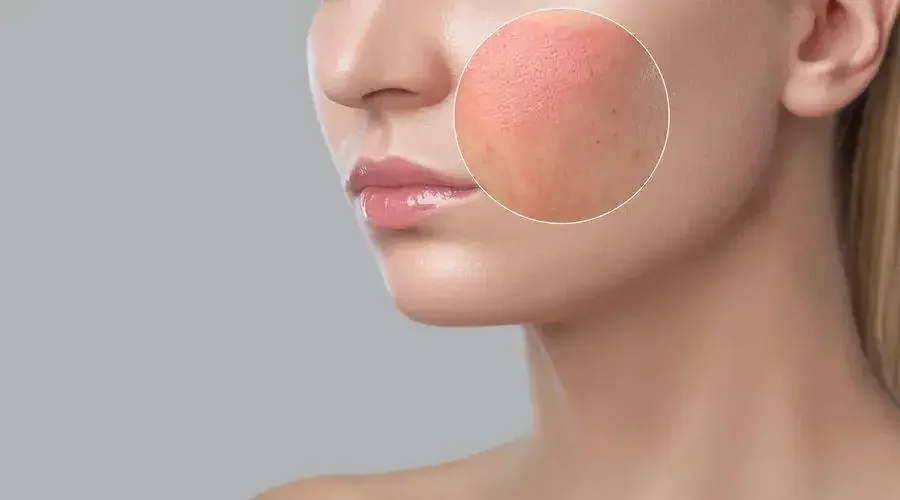
How Postbiotics Transform Your Skin Barrier
The mechanism behind postbiotic skincare is elegant in its biological precision. These fermentation-derived actives work through three primary pathways that dermatologists and cosmetic chemists have identified:
First, postbiotics support a healthy acid mantle by maintaining optimal pH conditions that prevent harmful bacteria from colonizing the skin surface. Second, they modulate the skin's immune response, effectively "quieting" chronic low-grade inflammation that drives premature aging, redness, and sensitivity. Third, and perhaps most importantly, postbiotics trigger the production of filaggrin — a structural protein essential for building a dense, resilient barrier that locks in moisture and keeps irritants out.
Research published in the journal Cosmetics (MDPI, 2026) confirms that bioactive metabolites from postbiotics promote ceramide synthesis, enhance antioxidant defense mechanisms, and provide antimicrobial protection — essentially addressing the root causes of barrier dysfunction rather than merely masking symptoms.
The K-Beauty Advantage: Decades of Fermentation Expertise
Korean skincare laboratories have been working with fermentation technology for over 30 years. This isn't a passing trend adopted from food science — it's a deeply embedded tradition in Korean cosmetic formulation. The fermentation process starts with natural substrates like rice, soy, tea, or yeast, which beneficial microorganisms break down into smaller, more bioavailable molecules. The resulting postbiotic complexes contain amino acids, peptides, organic acids, and vitamins that penetrate skin more effectively than their unfermented counterparts.
As we explored in our Korean Essence Guide 2026, fermented essences have been a cornerstone of K-beauty routines for years. But in 2026, the technology has advanced significantly. Brands are now using controlled bioreactors that produce standardized postbiotic concentrations — meaning consistent efficacy from batch to batch, something that was previously difficult to achieve with traditional fermentation methods.
Best Postbiotic Skincare Products in 2026
The K-beauty market offers several standout postbiotic formulations that have demonstrated clinical efficacy and earned dermatologist endorsements. Here are the products leading the category:
The COSRX Full Fit Propolis Light Ampoule ($18-$24) features 73.5% black bee propolis extract — a natural postbiotic-rich ingredient that delivers intense hydration and soothing benefits for dull, dehydrated skin. Its lightweight texture makes it ideal for layering in humid climates without causing congestion.
Ma:nyo Factory Bifida Biome Complex Ampoule stands as perhaps the most sophisticated multi-ferment system available. Combining Bifida ferment lysate and Lactobacillus lysates, this ampoule delivers a comprehensive postbiotic profile that strengthens barrier function while improving skin texture and radiance. The brand's proprietary fermentation process ensures high concentrations of active metabolites in every drop.
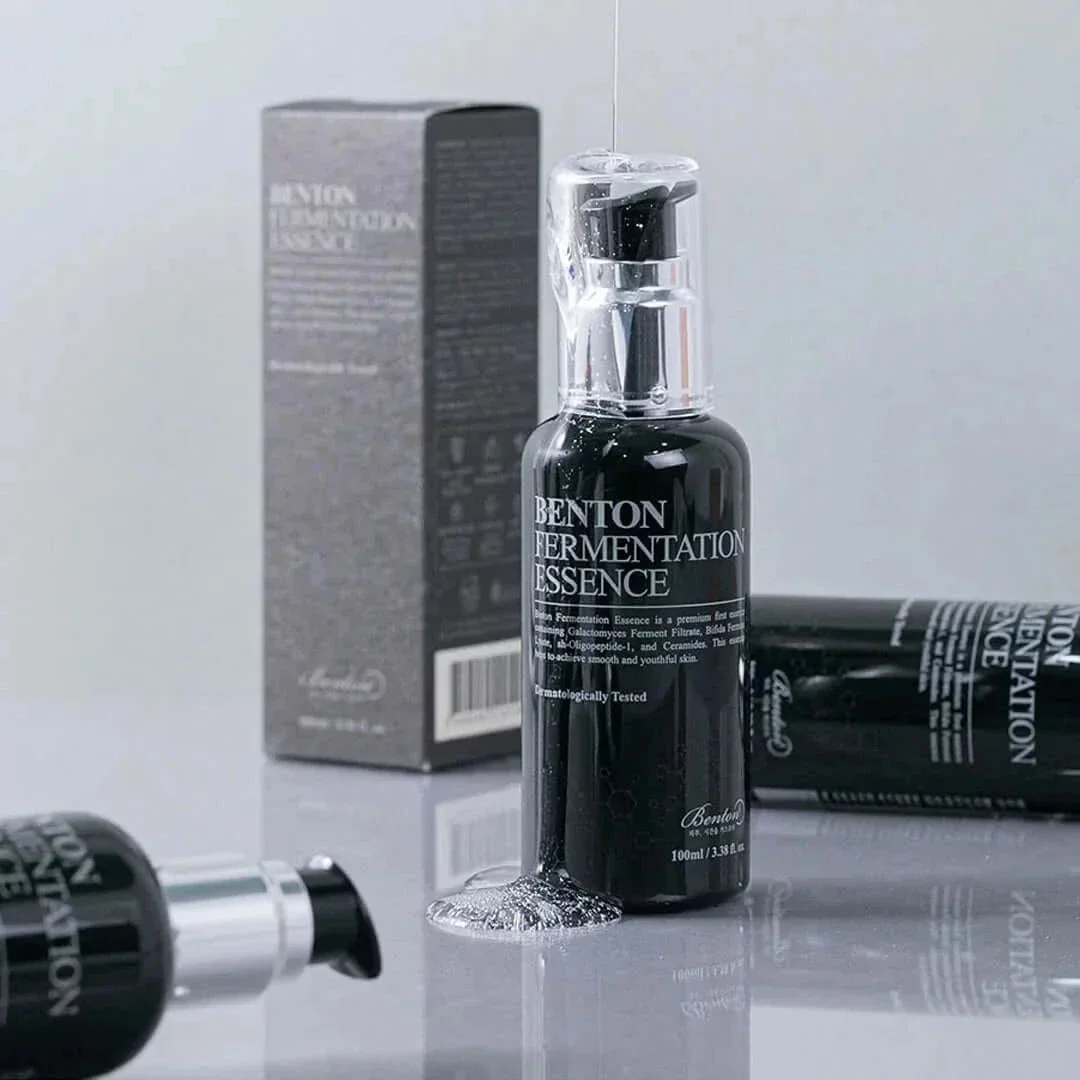
Benton Fermentation Essence combines Bifida Ferment Lysate with Galactomyces Ferment Filtrate for a dual-action approach to microbiome support. This essence targets both barrier repair and brightening, making it an excellent choice for those dealing with dullness alongside sensitivity. The formula is free from common irritants and maintains a skin-friendly pH.
For those seeking a moisturizer with postbiotic benefits, the ILLIYOON Ceramide Ato Concentrate Cream ($16-$22) pairs patented ceramide capsule technology with a 3:1:1 lipid ratio that mimics the skin's natural composition. This barrier-first formulation is particularly recommended for sensitive and eczema-prone skin types. As noted in our guide to the best Korean moisturizers, this cream consistently ranks among dermatologist favorites.
The Science Behind Fermented Rice Filtrate
Among all fermented ingredients in K-beauty, fermented rice filtrate (also known as sake filtrate or rice ferment lysate) deserves special attention in 2026. This ingredient contains naturally occurring AHAs, amino acids, and antioxidants with enhanced bioavailability — meaning your skin can actually use more of what's delivered.
Beauty of Joseon has built an entire product line around fermented rice and ginseng, combining traditional Korean beauty wisdom with modern biotechnology. Their Glow Deep Serum pairs rice bran extract with arbutin for gentle brightening that doesn't compromise barrier integrity. This approach exemplifies the broader K-beauty trend of choosing ingredients that improve skin gradually rather than delivering dramatic-but-damaging results.
The Beauty of Joseon Relief Sun Rice + Probiotics SPF50+ PA++++ ($14-$18) represents the cutting edge of multifunctional postbiotic skincare — combining UV protection with microbiome-supporting ingredients in a single elegant formula. This kind of hybrid product reflects the "skip-care" movement that has replaced the traditional 10-step routine with streamlined 3-5 step approaches.
Postbiotics vs. Traditional Actives: What Dermatologists Say
The dermatological community has taken notice of postbiotic skincare's clinical potential. Unlike retinoids and strong exfoliating acids that can compromise barrier function in pursuit of cellular turnover, postbiotics achieve renewal through biological cooperation rather than controlled damage.
Erica Choi, founder of Superegg skincare, notes that "skinimalism is no longer a trend — it's becoming a mindset as consumers gravitate toward products with clear purpose." This philosophical shift aligns perfectly with postbiotic formulations that deliver multiple benefits through a single biological mechanism.
The connection to skin longevity science is particularly relevant here. Rather than fighting aging with aggressive treatments, postbiotic skincare supports the skin's own regenerative capacity — working at the cellular communication level to maintain youthful function over time.
How to Build a Postbiotic Skincare Routine
Incorporating postbiotic skincare into your routine doesn't require a complete overhaul. The beauty of these formulations lies in their compatibility with virtually every skin type and their ability to enhance the efficacy of other products in your regimen. Here's how to structure a postbiotic-focused routine:
Start with a gentle cleanser that preserves your acid mantle — harsh sulfate cleansers can strip away the very microbiome you're trying to support. Follow with a fermented essence or postbiotic ampoule as your treatment step. This is where products like the Ma:nyo Bifida Biome Complex or Benton Fermentation Essence deliver their concentrated benefits.
Layer a moisturizer rich in ceramides and lipids to seal in the postbiotic actives. The TOCOBO Multi Ceramide Cream or COSRX Ceramide Skin Barrier Moisturizing Mist work well here, providing complementary barrier support. Finish with SPF during the day — the Beauty of Joseon Relief Sun is an ideal choice since it contains probiotics itself.
The exosome skincare trend also intersects with postbiotics, as both work through cell-to-cell communication pathways. Advanced routines in 2026 combine both technologies for synergistic regenerative effects.
The Future of Postbiotic Skincare: Personalization and Precision
Looking ahead, the postbiotic category is evolving toward personalization. AI-powered skin analysis tools from brands like AmorePacific now map individual microbiome profiles, enabling truly customized postbiotic formulations. This technology, combined with advanced fermentation processes using engineered microbial strains, promises a future where your skincare is as unique as your skin's bacterial fingerprint.
Patent analysis from KnowMade reveals that intellectual property filings for postbiotic skincare ingredients have increased by over 200% since 2023, signaling massive industry investment in this category. Korean companies hold a disproportionate share of these patents, reinforcing K-beauty's position at the forefront of microbiome science.
The industry is also developing synbiotic formulations that combine prebiotics (food for beneficial bacteria) with postbiotics (their beneficial byproducts) for comprehensive microbiome support. These next-generation products represent the evolution from single-ingredient solutions to ecosystem-level skincare — treating the skin as the complex biological environment it truly is.
You May Also Like
- Exosome Skincare 2026: K-Beauty's Biotech Breakthrough Explained
- Skin Longevity Revolution 2026: Urolithin-A, PDRN, and the Science Redefining Anti-Aging
- Copper Peptides Skincare 2026: Why GHK-Cu Is the Ingredient Dermatologists Recommend
- Korean Essence Guide 2026: What It Is and How to Use It
- 10 Best Korean Moisturizers for Every Skin Type (2026 Updated)
FAQ
Q: What is the difference between probiotics and postbiotics in skincare?
A: Probiotics are live bacteria that rarely survive in shelf-stable skincare products. Postbiotics are the stable, beneficial byproducts of bacterial fermentation — including peptides, short-chain fatty acids, and enzymes — that deliver consistent skincare benefits without viability concerns. Postbiotics are more effective in topical formulations because they don't require living organisms to work.
Q: Can postbiotic skincare help with acne and sensitive skin?
A: Yes. Postbiotics help regulate the skin's immune response and support a balanced microbiome, which can reduce both acne-causing bacterial overgrowth and inflammatory sensitivity. Clinical research shows they improve barrier function by up to 34%, making them suitable for reactive, acne-prone, and eczema-prone skin types.
Q: How long does it take to see results from postbiotic skincare?
A: Most users report noticeable improvements in skin hydration and reduced sensitivity within 2-3 weeks. Full barrier restoration and visible texture improvement typically require 6-8 weeks of consistent use. Unlike retinoids, postbiotics don't cause a "purging" phase — improvements are gradual and cumulative.
Q: Are fermented skincare products safe for all skin types?
A: Fermented skincare products are generally well-tolerated across all skin types, including sensitive skin. The fermentation process breaks down potentially irritating compounds into smaller, gentler molecules. However, those with fungal acne (malassezia folliculitis) should check that fermented products don't contain galactomyces or saccharomyces, which may feed the fungus.
Q: What are the best Korean postbiotic skincare brands in 2026?
A: The leading K-beauty brands for postbiotic skincare include Ma:nyo Factory (Bifida Biome Complex Ampoule), COSRX (Full Fit Propolis Ampoule), Benton (Fermentation Essence), Beauty of Joseon (fermented rice products), ILLIYOON (ceramide + postbiotic moisturizers), and SKIN1004. These brands combine decades of fermentation expertise with modern clinical testing standards.
The Bottom Line
Postbiotic skincare represents a paradigm shift in how we approach skin health in 2026. By working with the skin's natural microbiome rather than against it, these fermentation-derived formulations deliver lasting improvements in barrier function, hydration, and resilience — without the irritation that often accompanies potent active ingredients. K-beauty brands are leading this revolution with products backed by decades of fermentation expertise and growing clinical evidence. Whether you're dealing with sensitivity, premature aging, or simply want to optimize your skin health for the long term, a postbiotic-focused routine deserves serious consideration.
Sources: The Glow Pick, Korean Skincare Coach, Beauty Independent, Journal of Tropical Medicine (Wiley, 2026)


댓글
댓글 쓰기