Niacinamide Skincare Guide 2026: Benefits, Best Products, and How to Build Your Routine
Niacinamide Skincare Guide 2026: Benefits, Best Products, and How to Build Your Routine
Niacinamide — also known as vitamin B3 or nicotinamide — has cemented its place as one of the most versatile, research-backed actives in modern skincare. With over 450,000 annual Google searches and a presence in everything from $5 drugstore serums to $150 clinical-grade treatments, niacinamide is not a passing trend. It is a foundational ingredient that dermatologists, cosmetic chemists, and K-beauty formulators agree belongs in virtually every routine. This complete guide covers the science, the best products for 2026, concentration recommendations, layering rules, and the myths you can finally stop worrying about.
What Is Niacinamide and Why Dermatologists Recommend It
Niacinamide is a water-soluble form of vitamin B3 that works across multiple skin pathways simultaneously. Unlike many single-target actives, niacinamide addresses brightening, barrier repair, oil control, anti-aging, and inflammation all at once. According to a 2024 mechanistic review published in PMC, niacinamide serves as a precursor to NAD+ and NADP+ — coenzymes essential for cellular energy production, DNA repair, and antioxidant defense. This means niacinamide does not simply treat symptoms on the skin surface; it fuels the metabolic processes that keep skin healthy from within.
The ingredient is also central to the metabolic beauty movement of 2026, which focuses on cellular energy as the foundation of skin health. As part of the broader K-Beauty ingredients landscape, niacinamide remains one of the most clinically validated actives available without a prescription.
6 Science-Backed Benefits of Niacinamide for Skin
Every benefit listed below is supported by peer-reviewed clinical studies, not just marketing claims.
1. Strengthens the Skin Barrier
Niacinamide boosts ceramide synthesis by activating serine palmitoyl transferase at the mRNA level. Ceramides are the lipid molecules that hold the skin barrier together. A stronger barrier means less transepidermal water loss (TEWL), reduced sensitivity, and better tolerance to other actives like retinol and acids. Research published in PMC confirms that niacinamide also inhibits matrix metalloproteinases (MMPs) that degrade collagen and elastin.
2. Fades Dark Spots and Evens Skin Tone
Rather than blocking melanin production (the way vitamin C and arbutin work by inhibiting tyrosinase), niacinamide prevents the transfer of melanosomes from melanocytes to surrounding keratinocytes. This unique mechanism makes it complementary to — not redundant with — other brightening agents. A systematic review found that 4% niacinamide produced significant colorimetric improvement in hyperpigmentation, and a real-world study showed 81.2% of participants reported visible reduction in skin discoloration.
3. Regulates Sebum and Minimizes Pores
Clinical trials demonstrate that concentrations as low as 2% effectively reduce sebum excretion rates in both Asian and Caucasian populations. By normalizing oil production rather than stripping it, niacinamide helps pores appear smaller over time without the dryness associated with harsh mattifying products. The COSRX Niacinamide 15 Serum, for example, is clinically tested to reduce sebum by up to 50% in four weeks.
4. Reduces Fine Lines and Wrinkles
Niacinamide stimulates collagen production by fibroblasts and reduces advanced glycation end products (AGEs) — the molecules responsible for skin yellowing and stiffness with age. Clinical trials confirm measurable improvement in fine lines, wrinkles, and overall texture with consistent use.
5. Calms Inflammation and Redness
Niacinamide reduces pro-inflammatory cytokines (TNF-alpha, IL-6, IL-8) via NFkB pathway modulation. A controlled study of 40 participants showed that 5% topical niacinamide decreased IL-1 biomarkers within two weeks. This makes it a valuable ingredient for acne vulgaris, rosacea, and post-procedure recovery.
6. Supports Cellular Energy and Skin Longevity
As a NAD+ precursor, niacinamide fuels the cellular repair processes that slow down with age. This connection to metabolic beauty and skin longevity is why the ingredient is now appearing in next-generation formulations alongside NMN (nicotinamide mononucleotide) and PDRN (salmon DNA fragments).
Niacinamide Concentration Guide: 2%, 5%, 10%, or Higher?
One of the most common questions about niacinamide is how much you actually need. The answer, backed by clinical evidence and cosmetic chemistry experts, may surprise you.
| Concentration | Best For | Notes |
|---|---|---|
| 2% | Sensitive skin, rosacea-prone, beginners | Clinically proven effective for sebum regulation and barrier repair. Gentle enough for twice-daily use. |
| 3-5% | Most skin types (dermatologist-recommended sweet spot) | Covers all six benefits. Most clinical studies use this range. |
| 10% | Stubborn hyperpigmentation, oily/acne-prone skin | Marginal advantage over 5% but higher irritation risk. Monitor skin tolerance. |
| 15% | Very oily skin, advanced users only | High-performance formulations (e.g., COSRX 15 Serum). Not necessary for most people. |
| 20%+ | Professional/clinical settings only | Not recommended for home use. High irritation with no proportional benefit increase. |
The key takeaway: cosmetic chemists at Chemist Confessions emphasize that clinical studies show no major difference in efficacy between 2% and 10% — only a difference in irritation potential. If you are new to niacinamide, start at 2-5% and increase only if your skin tolerates it well and your concern demands it.
Best Niacinamide Products 2026: K-Beauty and Global Picks
Whether you prefer affordable K-beauty or clinical-grade formulations, here are the standout niacinamide products for 2026. For a broader product comparison, see the K-Beauty Product Database 2026.
K-Beauty Picks
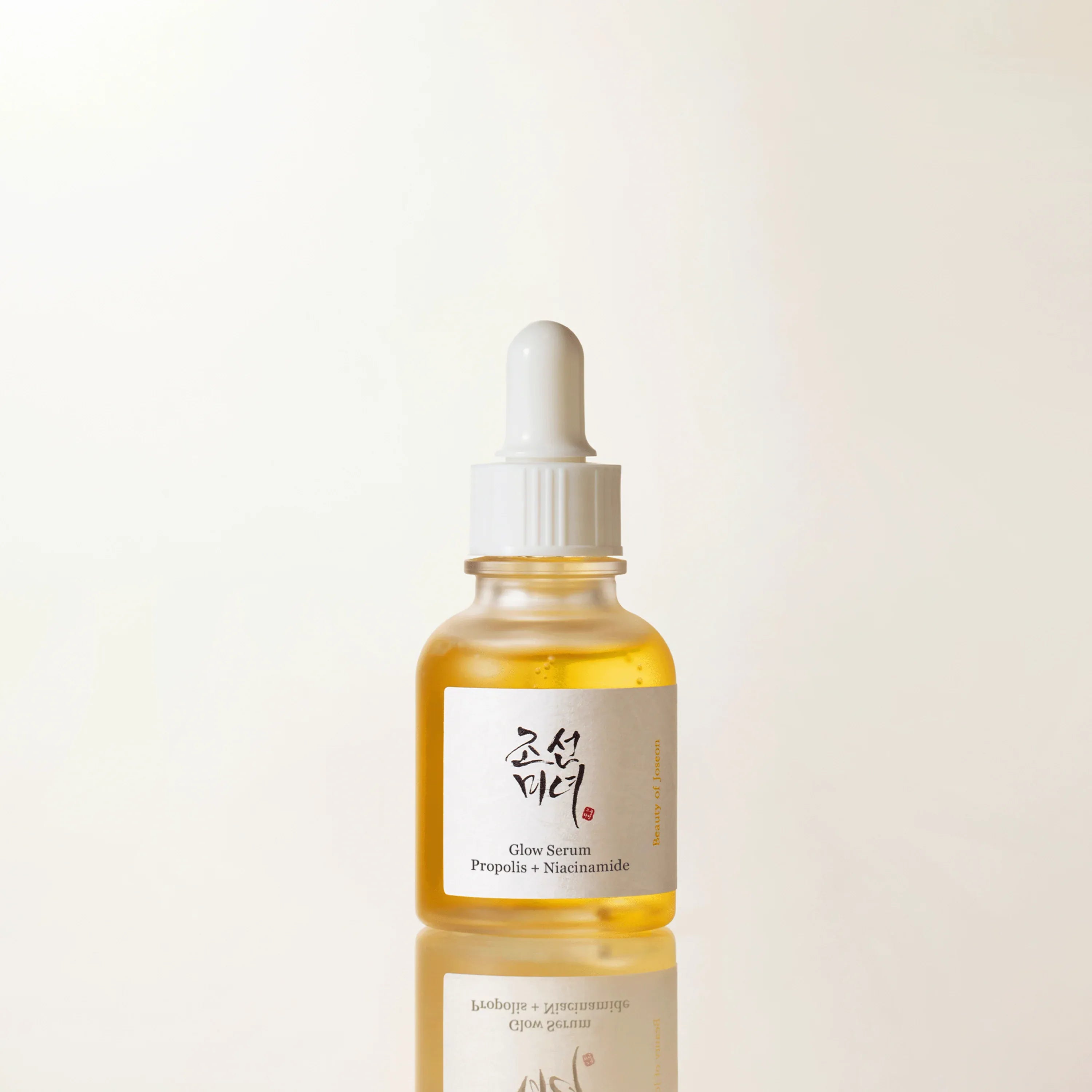
Beauty of Joseon Glow Serum: Propolis + Niacinamide — 2% niacinamide combined with 60% propolis extract. Delivers a dewy, calming glow suitable for sensitive and reactive skin. The honey-like texture absorbs quickly without stickiness. 30ml for $13.60, making it one of the best value options available.
COSRX The Niacinamide 15 Serum — A high-concentration option at 15% niacinamide with Zinc PCA and Acetyl Glucosamine. Clinically tested to reduce sebum by up to 50% in four weeks. Best for oily and acne-prone skin types who want intensive pore refinement. 20ml for $25.
Some By Mi Yuja Niacin Blemish Care Serum — Combines 5% niacinamide with 83% yuja (citron) extract, arbutin, and glutathione for a comprehensive brightening approach. The yuja extract provides natural vitamin C alongside niacinamide for synergistic dark spot fading. 50ml for approximately $25.
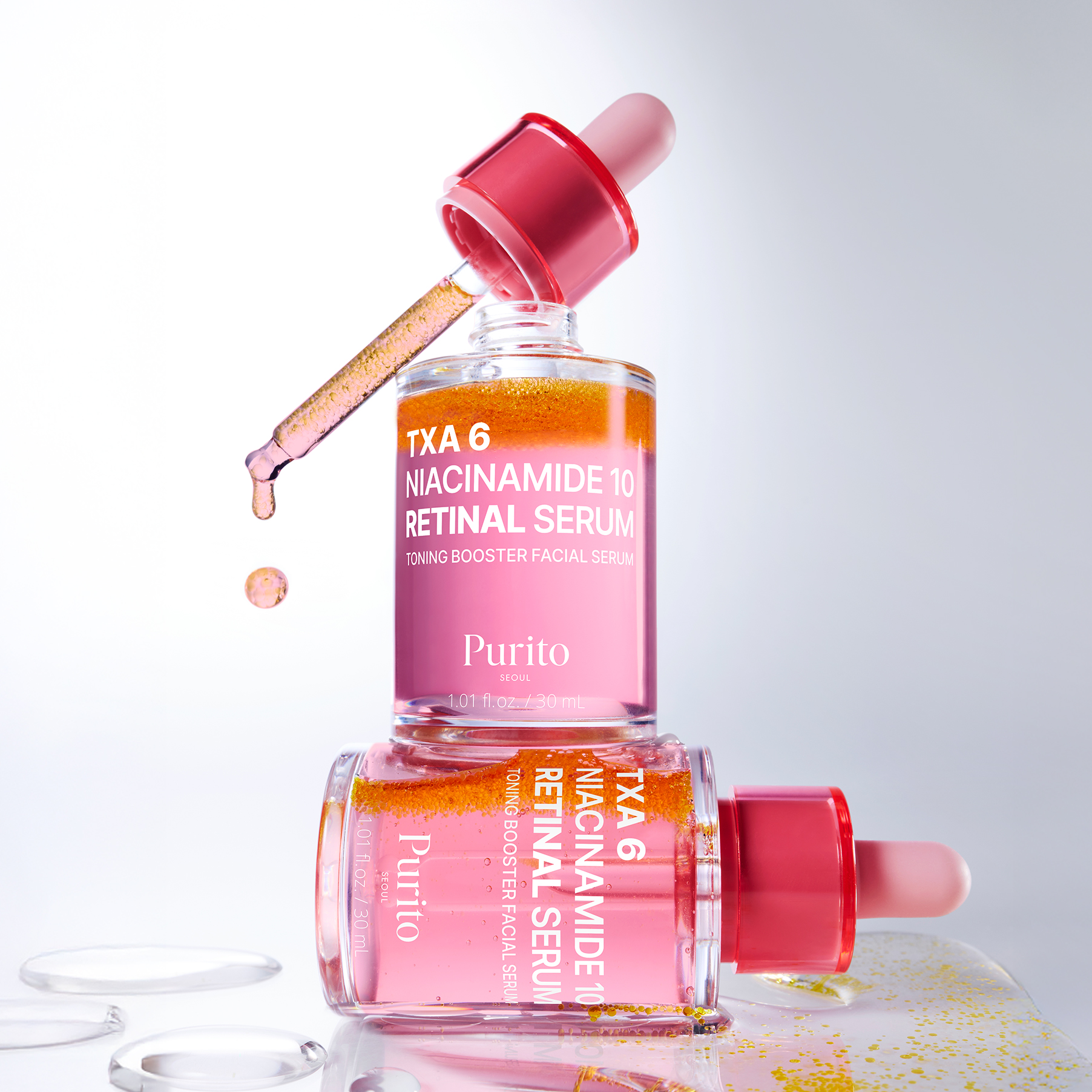
PURITO TXA 6 + Niacinamide 10 + Retinal Serum — A 2026 standout that combines 10% niacinamide, 6% tranexamic acid, and encapsulated retinal (25ppm). This triple-action formula represents the new trend of multi-active synergy serums. The encapsulated retinal delivers 11x faster performance than traditional retinol with reduced irritation. 30ml for $25.

Global Picks
The Ordinary Niacinamide 10% + Zinc 1% — The product that popularized niacinamide for a mass audience. At $4.62 for 30ml, it remains the most affordable high-concentration option. The zinc PCA addition helps with oil control and blemish prevention. A solid choice for oily skin on a budget.
La Roche-Posay Mela B3 Dark Spot Serum — Combines 10% niacinamide with the proprietary Melasyl molecule for targeted dark spot correction. Developed with dermatological research backing, this serum is particularly effective for sun spots and persistent post-inflammatory hyperpigmentation. 30ml for $44.99.
Paula Choice 10% Niacinamide Booster — A concentrated booster format that can be mixed into any serum or moisturizer. Contains vitamin C and licorice extract alongside niacinamide for enhanced brightening. Suitable for use around the eye area. 20ml for $49.
BYOMA Brightening and Hydrating Serum — A barrier-focused formula combining 3.6-5.5% niacinamide with hyaluronic acid and ceramides. Vegan, cruelty-free, and priced at $15.99 — a strong mid-range option for those who want hydration and brightening in one step.
How to Layer Niacinamide in Your AM and PM Routine
Niacinamide plays well with almost every other active, but proper layering order maximizes absorption and results. For a complete routine framework, refer to our K-Beauty Complete Guide 2026.
Morning Routine
- Gentle cleanser
- Hydrating toner (optional)
- Vitamin C serum (apply first — lower pH, thinner consistency)
- Niacinamide serum
- Moisturizer / hyaluronic acid
- Sunscreen SPF 30+ — see our Korean Sunscreen Guide 2026 for top picks
Evening Routine
- Double cleanse (oil cleanser followed by water-based cleanser)
- Exfoliant — AHA/BHA on non-retinol nights (wait 1 minute before next step)
- Niacinamide serum
- Retinol or retinal (on non-acid nights) — niacinamide buffers irritation
- Night moisturizer or sleeping mask
Pairing Rules at a Glance
| Combination | Compatible? | How to Use |
|---|---|---|
| Niacinamide + Vitamin C | Yes | Apply vitamin C first (lower pH), then niacinamide. Complementary brightening mechanisms. |
| Niacinamide + Retinol | Yes (synergistic) | Apply niacinamide first as a buffer layer, wait 1-2 minutes, then retinol. |
| Niacinamide + AHA/BHA | Yes | Apply acid first, wait 1 minute, then niacinamide. Sensitive skin: wait longer. |
| Niacinamide + Hyaluronic Acid | Yes (excellent combo) | HA first to draw moisture, then niacinamide to lock it in. |
| Niacinamide + Peptides | Yes | No conflicts. Layer by thinnest to thickest consistency. |
Results timeline: expect oil control improvements within 4-6 weeks and visible brightening within 8-12 weeks of consistent use.
2026 Niacinamide Trends: What Is New This Year
Niacinamide is not standing still. Several formulation innovations are shaping how the ingredient appears in 2026 products:
Nano Niacinamide Technology: Nano-formulated versions enable deeper penetration past the stratum corneum, improving delivery efficiency compared to traditional topical application.
Encapsulated Delivery Systems: Liposomal encapsulation protects niacinamide from degradation and ensures controlled release into the skin. This technology pairs particularly well with retinal, as seen in PURITO TXA + Niacinamide + Retinal formula.
NMN + PDRN Biotox Combinations: Korean clinical aesthetics are combining NMN (nicotinamide mononucleotide, a NAD+ precursor) with PDRN (salmon DNA fragments) for intensive cellular repair treatments that are now migrating from clinic to retail products.
Multi-Functional Support Role: The 2026 trend positions niacinamide less as a standalone hero and more as a foundational support active integrated into barrier repair serums, exosome complexes, and longevity-focused formulations. The evidence-first minimalism movement favors clinically substantiated actives that deliver multiple benefits with fewer products.
5 Niacinamide Myths Debunked by Science
Myth 1: Niacinamide and Vitamin C Cancel Each Other Out
This persistent myth originates from a 1960s laboratory study that tested pure forms of both compounds at extreme temperatures far above normal use conditions. Under those conditions, niacinamide converted to nicotinic acid, causing irritation. Modern formulations are stable at room temperature and on skin. Dermatologists confirm they are complementary: vitamin C inhibits tyrosinase (blocking melanin production) while niacinamide blocks melanosome transfer (preventing pigment distribution). Together they create a more complete brightening strategy than either alone.
Myth 2: Niacinamide Causes Purging
True purging only occurs with actives that accelerate cell turnover, such as retinoids, AHAs, and BHAs. Niacinamide does not increase cell turnover rate. Breakouts after starting a niacinamide product are typically caused by other ingredients in the formula (coconut derivatives, silicones, fragrance) or a concentration that is too high for your skin. Switch products or reduce concentration rather than assuming niacinamide is the cause.
Myth 3: Niacinamide Causes Flushing
Niacinamide (nicotinamide) is often confused with niacin (nicotinic acid), a different form of vitamin B3 that does cause vasodilation and facial flushing. Topical niacinamide does not convert to nicotinic acid under normal skincare conditions. If you experience flushing, the likely culprit is another ingredient in the product or an underlying skin sensitivity.
Myth 4: Higher Concentration Always Means Better Results
Clinical evidence from Chemist Confessions and multiple peer-reviewed studies shows no significant efficacy difference between 2% and 10% — only increased irritation potential at higher concentrations. The 2-5% range delivers the full spectrum of niacinamide benefits for most people. Going higher should be a deliberate choice based on specific concerns, not a default assumption that more is better.
Myth 5: Niacinamide Increases Sun Sensitivity
Topical niacinamide does not trigger photosensitivity. It bypasses systemic metabolism and acts locally on skin cells without activating the receptors responsible for photosensitive reactions. Some evidence suggests niacinamide may actually support photoprotection by strengthening the skin barrier and reducing oxidative stress from UV exposure. That said, sunscreen remains essential regardless of your actives.
You May Also Like
- K-Beauty Ingredients Encyclopedia 2026: Every Trending Skincare Active Explained
- Anti-Aging Skincare Guide 2026: Science-Backed Ingredients, Routines, and Expert Strategies
- Korean Sunscreen Guide 2026: Top 15 SPF Products Ranked by Dermatologists
- Metabolic Beauty 2026: How NAD+, NMN, and Cellular Energy Are Redefining Skincare
Frequently Asked Questions
Q: What does niacinamide do for your skin?
Niacinamide strengthens the skin barrier by boosting ceramide production, fades dark spots by blocking melanosome transfer, regulates oil production, reduces fine lines by stimulating collagen, and calms inflammation by modulating cytokine activity. It works across multiple skin pathways simultaneously, which is why dermatologists consider it one of the most versatile skincare actives available.
Q: Can you use niacinamide and vitamin C together?
Yes. The myth that they cancel each other out comes from a 1960s study conducted under extreme heat conditions that do not apply to normal skincare use. Modern formulations are stable together. Apply vitamin C first (lower pH), then niacinamide. They complement each other through different brightening mechanisms.
Q: What percentage of niacinamide is best?
Dermatologists and cosmetic chemists recommend 2-5% for most people. Clinical studies show this range delivers the full spectrum of benefits with minimal irritation risk. Concentrations of 10% or higher offer marginal additional benefit but increase the chance of sensitivity. Start at 2-5% and increase only if needed and tolerated.
Q: Can niacinamide be used with retinol?
Absolutely. Niacinamide and retinol are a synergistic combination. Apply niacinamide first as a buffer layer, wait 1-2 minutes, then apply retinol. The niacinamide helps reduce retinol-induced irritation while both ingredients work on anti-aging from different angles — niacinamide via barrier repair and collagen stimulation, retinol via cell turnover acceleration.
Q: How long does niacinamide take to work?
Oil control and pore-minimizing effects typically appear within 4-6 weeks. Brightening and dark spot fading require 8-12 weeks of consistent twice-daily use. Anti-aging benefits (fine line reduction) may take 12 or more weeks. Consistency is key — niacinamide is not an overnight ingredient, but its effects compound over time.
Q: Is niacinamide safe for sensitive skin?
Yes, niacinamide is one of the safest actives for sensitive skin when used at 2-5%. Clinical studies confirm no stinging at concentrations up to 10% and no irritation at 5% or below. Its anti-inflammatory properties (reducing TNF-alpha, IL-6, IL-8) actually help calm reactive skin. It is commonly recommended for rosacea and eczema-prone skin types.
Q: What are the best K-beauty niacinamide products in 2026?
Top picks include Beauty of Joseon Glow Serum (2% niacinamide + propolis, $13.60), COSRX The Niacinamide 15 Serum (15%, $25), Some By Mi Yuja Niacin Blemish Care Serum (5% + yuja extract, $25), and PURITO TXA 6 + Niacinamide 10 + Retinal Serum (10% + encapsulated retinal, $25). Each targets a different concern — from gentle brightening to intensive oil control.
Sources: PMC Mechanistic Review 2024, PMC Nicotinamide and Skin Aging, Cleveland Clinic, NBC Today


댓글
댓글 쓰기