Tranexamic Acid Skincare 2026: The K-Beauty Dark Spot Treatment Dermatologists Prefer Over Hydroquinone
Tranexamic Acid Skincare 2026: The K-Beauty Dark Spot Treatment Dermatologists Prefer Over Hydroquinone
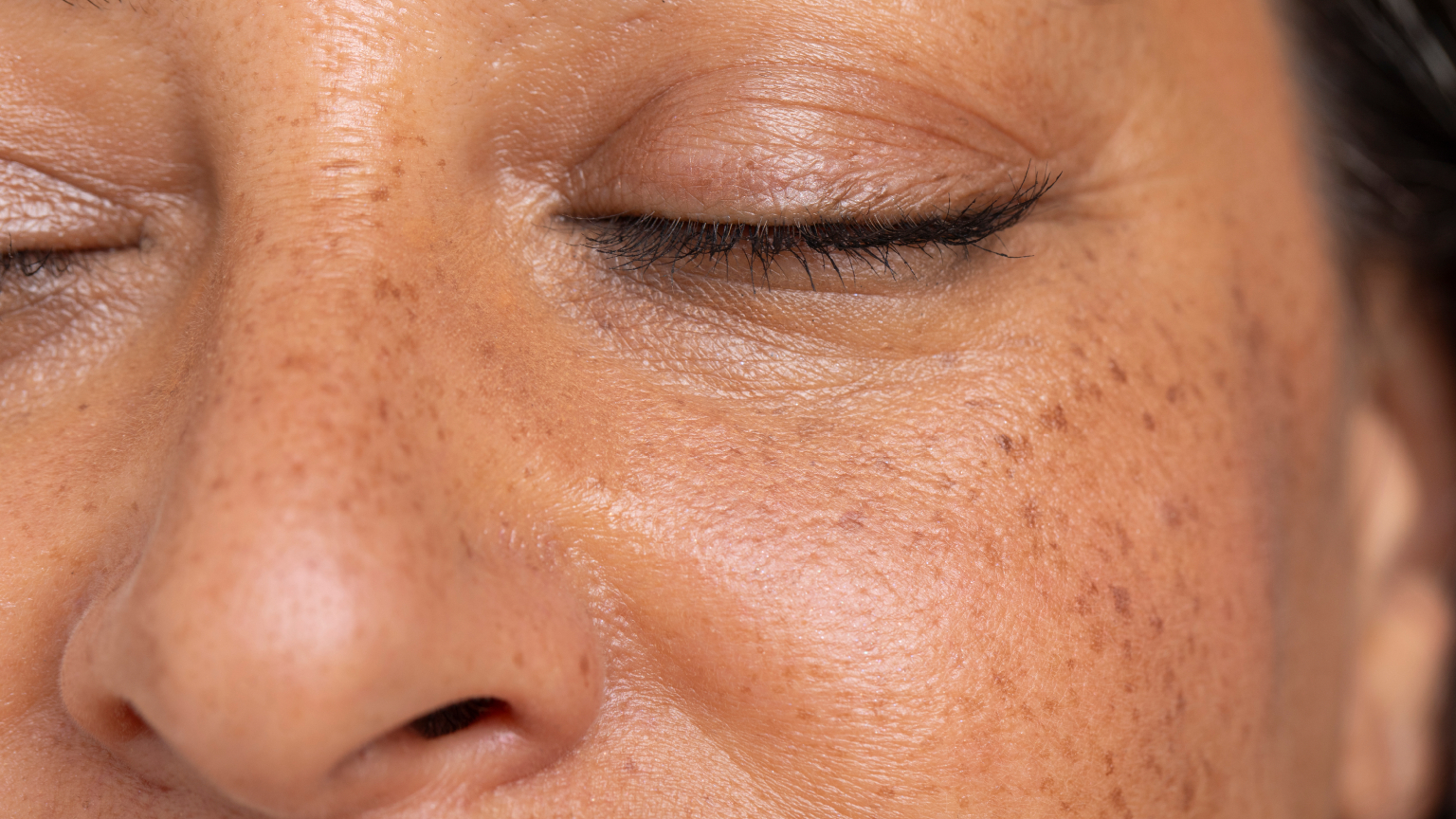
Tranexamic acid has emerged as the single most talked-about skincare ingredient of 2026, with search interest surging an astonishing 705.7% compared to last year. Originally developed as a medical hemostatic agent to control surgical bleeding, this powerhouse ingredient has quietly become the gold standard for treating melasma, hyperpigmentation, and stubborn dark spots. K-beauty brands are leading the charge with innovative formulations that pair tranexamic acid with cutting-edge actives, and board-certified dermatologists are now recommending it as a safer, more sustainable alternative to hydroquinone. If dark spots, uneven skin tone, or melasma have been your persistent concern, tranexamic acid skincare deserves your full attention in 2026.
What Is Tranexamic Acid and How Does It Work?
Tranexamic acid (TXA) is a synthetic amino acid derivative that was first introduced in the 1960s as a medication to control excessive bleeding during surgery and trauma. Its journey into skincare began when researchers noticed an unexpected side effect: patients taking oral tranexamic acid were experiencing significant improvement in their melasma and skin discoloration. This serendipitous discovery launched decades of dermatological research that has now culminated in the ingredient's meteoric rise in topical skincare formulations.
Unlike traditional brightening agents that work by inhibiting tyrosinase (the enzyme directly responsible for melanin production), tranexamic acid takes a fundamentally different approach. It works by inhibiting plasminogen activator, which in turn blocks the cascade of signals between inflammation, blood vessel activity, and pigment production. As board-certified dermatologist Dr. Mona Gohara explains, "Tranexamic acid blocks those messages, specifically the pathways between inflammation, blood vessels, and pigment production." This multi-pathway mechanism is what makes tranexamic acid uniquely effective for conditions like melasma, where inflammation and vascular changes play a central role in triggering excess pigmentation.
Dr. Gohara uses a particularly vivid analogy: "Tranexamic acid turns off the faucet that keeps refilling the sink." While other brightening ingredients merely scoop water out of an overflowing sink, TXA addresses the source of the problem, preventing new pigment from being deposited in the first place. This is a critical distinction for anyone who has struggled with recurring dark spots despite using products like vitamin C or niacinamide alone.
Why Dermatologists Prefer Tranexamic Acid Over Hydroquinone in 2026
For decades, hydroquinone was the undisputed gold standard for treating hyperpigmentation and melasma. However, a growing body of evidence and clinical experience has led dermatologists to shift their recommendations toward tranexamic acid, especially for long-term management. The reasons are compelling and backed by peer-reviewed research published in journals like the Journal of Clinical and Aesthetic Dermatology and Dermatologic Surgery.
As covered in our K-Beauty Ingredients Encyclopedia, understanding how active ingredients interact with skin biology is essential for building an effective routine. Here is how tranexamic acid compares to hydroquinone across key dimensions:
MECHANISM: Hydroquinone inhibits tyrosinase to bleach existing pigment, producing fast but temporary results. Tranexamic acid inhibits plasminogen to prevent pigment formation at the source, producing gradual but sustainable outcomes.
SAFETY PROFILE: Hydroquinone requires mandatory breaks every 3 months due to the risk of ochronosis (paradoxical darkening) with prolonged use. Tranexamic acid is safe for continuous, long-term use with no documented risk of rebound hyperpigmentation.
SKIN TYPE COMPATIBILITY: Hydroquinone requires caution for Fitzpatrick skin types IV-VI, where irritation can trigger post-inflammatory hyperpigmentation. Tranexamic acid is well-tolerated across all skin types, including sensitive, rosacea-prone, and melanin-rich skin.
IRRITATION POTENTIAL: Hydroquinone commonly causes redness, peeling, and sensitization. Tranexamic acid is non-exfoliating and generally causes no irritation, even when layered with other actives.
Clinical literature confirms that topical and intradermal tranexamic acid formulations demonstrate comparable or superior efficacy to hydroquinone with significantly fewer irritant reactions. One expert succinctly captures the distinction: "While hydroquinone is the sprinter, tranexamic acid is the marathon runner of skincare. It treats the skin with respect, avoiding the rebound hyperpigmentation that often happens."
The K-Beauty Tranexamic Acid Revolution
K-beauty brands have been at the forefront of the tranexamic acid revolution, combining it with complementary Korean skincare actives to create formulations that go beyond simple brightening. According to Happi, tranexamic acid cream and retinal serums are among the most prominent K-beauty trends of 2026, with the ingredient's search growth of 705.7% driven largely by Korean beauty innovation.
What sets K-beauty tranexamic acid products apart is the philosophy of synergistic formulation. Rather than relying on a single active, Korean skincare brands layer TXA with ingredients like niacinamide (for additional melanin transfer inhibition), centella asiatica (for anti-inflammatory support), and fermented extracts (for enhanced penetration and barrier support). This approach aligns with the broader K-beauty trend toward barrier-first skincare that treats and protects simultaneously.
The Cos de Baha 5% Tranexamic Acid Serum exemplifies this approach, combining a high concentration of TXA with niacinamide and hydrating ingredients in an affordable, no-frills formula that has earned a cult following on platforms like TikTok and Amazon. The INKEY List has also entered the space with its Tranexamic Acid Serum, pairing the ingredient with acai berry extract for antioxidant support in a minimalist, science-forward formulation.
Best Tranexamic Acid Products for Every Skin Type in 2026
Choosing the right tranexamic acid product depends on your specific skin concerns, sensitivity level, and the other actives in your routine. Dermatologists recommend serums with 2% to 5% tranexamic acid concentration for optimal efficacy without irritation. Here are the top-rated options across multiple expert reviews and dermatologist recommendations:
FOR MELASMA AND STUBBORN DISCOLORATION: SkinMedica Even and Correct Advanced Brightening Treatment combines tranexamic acid with a proprietary blend of lotus sprout extract and niacinamide. This clinical-grade formula targets established melasma patches and has demonstrated visible results in 8-12 weeks of consistent use. If you are serious about science-backed anti-aging and brightening, this is a top-tier choice.
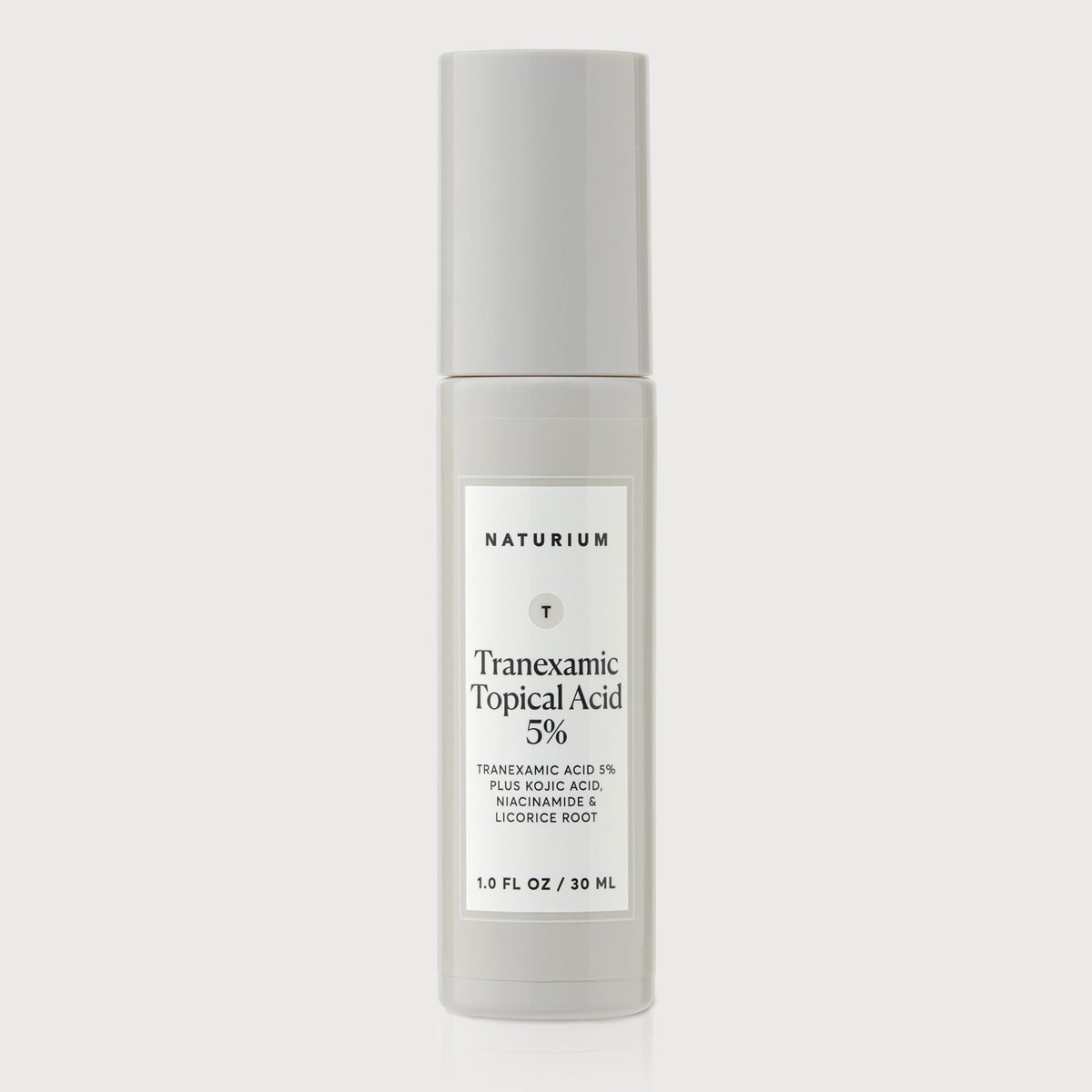
FOR SENSITIVE AND REACTIVE SKIN: Naturium Tranexamic Topical Acid 5% delivers a potent concentration in a formula specifically designed for sensitive skin, with niacinamide as a soothing co-ingredient. It is fragrance-free and dermatologist-tested, making it suitable for rosacea-prone skin types.
FOR POST-ACNE DARK SPOTS: Topicals Faded Brightening Serum combines tranexamic acid with azelaic acid and kojic acid for a triple-action approach to post-inflammatory hyperpigmentation. This product has become particularly popular among younger consumers dealing with acne scarring and dark marks.
FOR BUDGET-CONSCIOUS SHOPPERS: Good Molecules Discoloration Correcting Serum and Cos de Baha 5% Tranexamic Acid Serum both offer effective formulations at accessible price points, proving that clinical-grade brightening does not require a premium investment.
FOR COMPREHENSIVE BRIGHTENING: Paula's Choice formula combines 3% tranexamic acid with bakuchiol, a plant-based retinol alternative. As we explored in our Retinol vs Bakuchiol guide, bakuchiol offers complementary anti-aging benefits without the irritation profile of traditional retinoids, making this combination ideal for those who want brightening plus anti-aging in one step.
How to Use Tranexamic Acid in Your Routine
Incorporating tranexamic acid into your skincare routine is straightforward, and its gentle nature means it plays well with virtually every other active ingredient. Dr. Gohara advises a strategy of "calm the skin first, correct second," meaning your routine should prioritize barrier health before layering targeted treatments.
MORNING ROUTINE: After cleansing and toning, apply your tranexamic acid serum to clean, slightly damp skin. Follow with a moisturizer and, critically, a broad-spectrum SPF 50 sunscreen. Sun exposure is the single biggest trigger for melasma and hyperpigmentation recurrence, so diligent sun protection is non-negotiable when using any brightening active. K-beauty hybrid sunscreens that combine UV protection with skin-nourishing ingredients like niacinamide and ceramides are an excellent complement to a TXA routine.
EVENING ROUTINE: Tranexamic acid can be used twice daily. In the evening, layer it after cleansing and before your retinoid (if you use one). The non-exfoliating nature of TXA means it will not amplify retinol sensitivity, unlike some other brightening agents. For enhanced results, consider pairing it with a multi-peptide serum for simultaneous brightening and firming benefits.
INGREDIENT SYNERGIES: Tranexamic acid works exceptionally well alongside niacinamide (enhances brightening and barrier repair), vitamin C (complementary antioxidant protection), azelaic acid (additional anti-inflammatory brightening), and peptides (collagen support and skin strengthening). It is compatible with retinoids, AHAs, and BHAs, though sensitive skin types should introduce new combinations gradually.
What Results to Expect and When
Patience is essential with tranexamic acid. Dr. Gohara reminds patients that "pigment treatments are marathons, not sprints." Here is a realistic timeline based on clinical data and dermatologist guidance:
WEEKS 2-4: Improved overall skin radiance and reduced redness. The anti-inflammatory properties of TXA begin calming irritation-driven pigmentation triggers.
WEEKS 8-12: Visible fading of dark patches and more even skin tone. This is when most users begin noticing meaningful improvement, particularly in post-inflammatory hyperpigmentation.
MONTH 6: Significant reduction in melasma surface area and depth. For hormonal melasma, ongoing maintenance use is typically recommended to prevent recurrence, which is where TXA's excellent long-term safety profile becomes a decisive advantage.
Supporting your tranexamic acid routine with collagen-banking strategies can amplify results, as healthy collagen architecture helps maintain even pigment distribution and overall skin resilience.
The Clinical Evidence: What the Science Says
The efficacy of tranexamic acid for hyperpigmentation is well-documented in peer-reviewed literature. A comprehensive review published in PMC (National Library of Medicine) analyzed multiple clinical trials and concluded that topical tranexamic acid demonstrates significant efficacy in reducing melasma severity scores, with comparable or superior results to hydroquinone and fewer adverse effects.
A pilot clinical study evaluating a topical 3% tranexamic acid protocol for managing facial hyperpigmentation found statistically significant improvements in melanin index scores after 12 weeks of treatment. Participants reported high satisfaction scores and minimal side effects, reinforcing the ingredient's favorable safety-to-efficacy ratio.
Research published in Dermatologic Surgery demonstrated that tranexamic acid's ability to interrupt the plasmin-melanogenesis pathway offers a unique therapeutic advantage, particularly for refractory melasma cases that have not responded to conventional treatments. This mechanism is distinct from and complementary to tyrosinase inhibitors, suggesting that combination approaches may yield superior outcomes.
You May Also Like
- Skin Barrier Repair 2026: K-Beauty's Best Ceramide and Postbiotic Products
- Retinol vs Bakuchiol 2026: Which Anti-Aging Ingredient Is Right for Your Skin?
- Best K-Beauty Products 2026: Dermatologist-Approved Picks for Every Skin Type
- K-Beauty Ingredients Encyclopedia 2026: Every Trending Skincare Active Explained
FAQ
Q: Is tranexamic acid safe for all skin types?
A: Yes. Tranexamic acid is non-exfoliating and non-irritating, making it safe for sensitive, rosacea-prone, and melanin-rich skin types. Unlike hydroquinone, it does not carry a risk of ochronosis or rebound hyperpigmentation, and it is suitable for continuous long-term use without mandatory breaks.
Q: Can I use tranexamic acid with retinol?
A: Absolutely. Tranexamic acid is compatible with retinoids and will not amplify retinol sensitivity. Many dermatologists recommend using TXA in the morning and retinol in the evening for a comprehensive brightening and anti-aging routine. Some products, like Paula's Choice, combine TXA with bakuchiol (a gentler retinol alternative) in a single formula.
Q: How long does it take for tranexamic acid to fade dark spots?
A: Most users see improved radiance within 2-4 weeks and visible fading of dark spots by 8-12 weeks. For melasma, significant results typically appear around month 6 with consistent daily use. Remember that sun protection is essential for maintaining results.
Q: Is tranexamic acid better than vitamin C for hyperpigmentation?
A: They work through different mechanisms and are most effective when used together. Vitamin C is a potent antioxidant that prevents UV-induced pigmentation and brightens existing discoloration. Tranexamic acid blocks the inflammatory pathways that trigger pigment production. Combining both ingredients provides a multi-pronged approach that addresses different stages of the pigmentation process.
Q: What concentration of tranexamic acid should I look for?
A: Dermatologists recommend serums with 2% to 5% tranexamic acid for topical use. Higher concentrations (5%) may deliver faster results but are not necessarily superior to lower concentrations when used consistently. The key is daily, long-term application rather than high-dose intermittent use.
The Bottom Line
Tranexamic acid has earned its place as 2026's most significant skincare breakthrough, with a 705% surge in search interest reflecting genuine consumer and professional enthusiasm. Its unique mechanism of action, exceptional safety profile, and compatibility with virtually every other skincare active make it the ideal brightening ingredient for modern, science-driven routines. Whether you are battling stubborn melasma, post-acne dark spots, or general uneven skin tone, tranexamic acid offers a sustainable, dermatologist-approved path to clearer, more radiant skin. The K-beauty innovation engine continues to push this ingredient forward with creative new formulations, making 2026 the best year yet to add tranexamic acid to your skincare arsenal.
Sources: Marie Claire | Style Rave | Nagash Health | PMC/NIH


댓글
댓글 쓰기