Spicule Skincare 2026: Why 'Microneedling in a Bottle' Is K-Beauty's Hottest New Trend
Spicule Skincare 2026: Why 'Microneedling in a Bottle' Is K-Beauty's Hottest New Trend
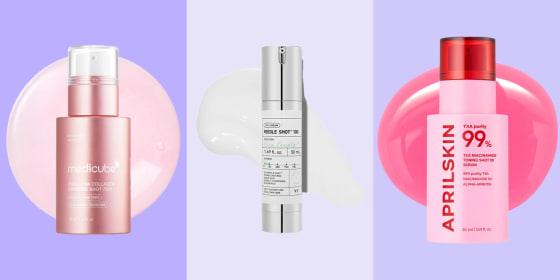
Spicule skincare has officially arrived as the most talked-about K-beauty trend of 2026. Often called "microneedling in a bottle" or "liquid microneedling," spicule-infused products promise to deliver the collagen-boosting, texture-refining benefits of professional microneedling treatments—without the needles, office visits, or downtime. As Korean beauty brands race to release innovative spicule serums, masks, and ampoules, dermatologists and skincare experts are weighing in on whether this buzzy ingredient truly lives up to the hype. Here is everything you need to know about spicule skincare in 2026, from the science behind it to the best products to try.
What Are Spicules and Where Do They Come From?
Spicules are microscopic, needle-shaped particles derived primarily from freshwater sponges of the Spongilla species, though some formulations also use marine sponge derivatives. These tiny structures, composed mainly of silica and calcium carbonate, measure between 100 and 300 micrometers in length—small enough to be invisible to the naked eye but large enough to create meaningful changes in the skin's surface.
"Spicules are very fine, needle-shaped particles derived from freshwater sponges, commonly Spongilla species," explains Dr. Jennifer Owens, founder of The Glow Clinic. When applied topically and massaged into the skin, these natural microstructures create thousands of temporary microchannels in the upper layers of the epidermis, mimicking the mechanism of professional microneedling but at a much gentler scale.
The concept is not entirely new—spicule-based treatments have been used in Korean dermatology clinics for years under names like "coral peeling" or "sponge therapy." What is new in 2026 is the explosion of consumer-grade spicule products that make this technology accessible for at-home use, a shift driven largely by K-beauty innovation and social media virality.
How Spicule Skincare Works: The Science of Liquid Microneedling
The mechanism behind spicule skincare is elegantly simple. When you massage a spicule-infused product into your skin, the microscopic needle-like particles embed themselves in the outermost layer of the epidermis. These particles create temporary microchannels that serve two critical functions.
First, spicules dramatically enhance the penetration of active ingredients. According to research cited by industry experts, spicules can enhance the delivery of hyaluronic acid by up to 3,000% compared to conventional topical application. This means that peptides, exosomes, PDRN, niacinamide, and other actives can reach deeper layers of the skin where they are most effective.
Second, the micro-injuries triggered by spicules stimulate the skin's natural healing response. "Spicules cause a micro-injury response that signals your skin to produce collagen and increase cell turnover," explains Dr. Eleonora Fedonenko, a board-certified dermatologist. This controlled trauma encourages the skin to regenerate, resulting in improved texture, reduced fine lines, minimized pores, and a more even skin tone over time.
Unlike traditional microneedling rollers or professional treatments, spicules remain in the superficial skin layers temporarily before naturally shedding during normal skin turnover—typically within 48 to 72 hours. This means there is no permanent puncturing and significantly less risk of infection or scarring compared to deeper needle-based treatments.
Spicules vs. Traditional Microneedling: Key Differences
Understanding how spicule skincare compares to professional microneedling is essential for setting realistic expectations. Traditional microneedling uses stainless steel or titanium needles ranging from 0.25mm to 2.5mm in length, penetrating into the dermis and requiring professional administration for deeper treatments. Recovery can take several days, with visible redness and peeling.
Spicule products, by contrast, work exclusively in the epidermis. The "needles" are naturally derived, biodegradable, and dissolve on their own. There is minimal to no visible downtime, though some users report a slight tingling or prickly sensation during application and mild redness that fades within hours. The trade-off is that results are more gradual—spicule skincare is a marathon, not a sprint.
That said, the accessibility advantage is enormous. A professional microneedling session can cost anywhere from $200 to $700 per treatment, while most quality spicule products retail for under $30. For consumers who want to complement their anti-aging skincare routine with gentle collagen stimulation at home, spicules offer a compelling middle ground.
5 Best Spicule Skincare Products to Try in 2026
The market for spicule skincare products has expanded rapidly, with K-beauty brands leading the charge. Here are five dermatologist-noted options worth considering, ranging from gentle daily formulas to more intensive treatments.
The VT Cosmetics Reedle Shot 100 ($22.10) is widely considered an excellent entry point for spicule beginners. It pairs a moderate spicule concentration with centella asiatica extract and hyaluronic acid, making it gentle enough for daily use while still delivering noticeable texture improvement. The "100" in its name refers to the spicule concentration level, with higher numbers (300, 700) available for more experienced users.
Medicube Exosome Shot ($21.99) combines spicules with exosome technology for a dual-action approach to skin renewal. Exosomes are cell-derived vesicles that carry growth factors and signaling molecules, and pairing them with spicule delivery channels means these powerful actives can penetrate more effectively.
Mediheal Collagen Spicule 3000ppm Intensive Serum ($22.00) offers a unique two-step system. The gel mask transitions from white to clear as the spicule and collagen ingredients absorb into the skin, giving users a visual indicator of product efficacy. At 3000ppm spicule concentration, this is suited for intermediate users.
APRILSKIN TXA Niacinamide Toning Shot 99 ($18.90) targets hyperpigmentation and uneven skin tone by combining spicules with tranexamic acid and niacinamide—two gold-standard brightening ingredients. The spicule delivery system ensures these actives reach the melanocyte layer more effectively than conventional serums.
Biodance Bio Collagen Real Deep Spicule 2-in-1 Mask ($27.00 at Sephora) is a two-step overnight mask that layers collagen, hyaluronic acid, and niacinamide over a spicule base. Its availability at Sephora signals the mainstream crossover of spicule technology beyond niche K-beauty retailers.
How to Use Spicules Safely: Expert Guidelines
As exciting as spicule skincare is, dermatologists stress the importance of a measured approach. "Start slowly with spicules—think once or twice a week," recommends Dr. Hannah Kopelman, a board-certified dermatologist. "Always apply to clean skin and follow with a hydrating serum or moisturizer to protect the skin barrier."
Concentration matters significantly. For beginners, products with 0.1% to 1% spicule concentration are ideal. Higher concentrations—sometimes marketed as "shot" levels like 300, 700, or 1000—should only be attempted after the skin has acclimated to lower doses. Jumping straight to a high-concentration product can cause excessive irritation, redness, and barrier disruption.
Layering is also important. After applying a spicule product, follow with hydrating and soothing ingredients. Look for products containing beta-glucan, centella asiatica, allantoin, or ectoin to calm the skin and reinforce the barrier after micro-channeling. Sunscreen is non-negotiable the following day, as the temporary microchannels make skin more susceptible to UV damage.
Who Should Avoid Spicule Skincare
"People with very sensitive skin, rosacea, eczema, or an impaired skin barrier may find spicules irritating," warns Dr. Marie Jhin, a dermatologist and author of K-Beauty Secrets. The mechanical action of spicules, even at low concentrations, can exacerbate inflammatory skin conditions and compromise an already weakened barrier.
Those currently using retinoids, chemical exfoliants (AHAs, BHAs), or prescription acne medications should also exercise caution. Stacking spicules with other active treatments can overwhelm the skin, leading to sensitization, excessive peeling, or even chemical burns. If you are on a retinoid regimen, consult your dermatologist before introducing spicule products.
Individuals with active inflamed acne should avoid spicules over breakout areas, as the micro-injuries could spread bacteria and worsen inflammation. However, spicules may be used on non-affected areas of the face with care.
The Professional Spicule Facial: Liquid Microneedling in Clinics
Beyond at-home products, professional spicule facials are gaining traction in aesthetics clinics worldwide. In March 2026, Beyond Facials announced the launch of the Volume Boost Spicule Facial with PLLA (poly-L-lactic acid), a treatment that combines medical-grade spicules with a collagen stimulator for enhanced anti-aging results.
These clinical treatments use higher concentrations of spicules than consumer products, paired with professional-grade actives that are not available over the counter. The result is a more intensive collagen stimulation response—often described as "real collagen benefits without needles or downtime." Professional spicule facials typically range from $150 to $400 per session, positioning them between basic facials and full microneedling treatments in both price and efficacy.
For those exploring the full spectrum of K-beauty ingredients, combining at-home spicule maintenance with periodic professional treatments offers a comprehensive approach to skin renewal.
Why Spicules Are Trending Now
Several converging factors explain why spicule skincare has reached its tipping point in 2026. The broader "medicosmetic" movement—where medical-grade ingredients migrate into consumer products—has primed consumers to expect clinical results from their skincare. Ingredients like PDRN, exosomes, and peptides have already normalized the concept of science-driven beauty, and spicules represent the next logical step.
Social media has also played a pivotal role. TikTok and Instagram Reels showing real-time spicule application—with visible "prickling" and before-and-after transformations—generate the kind of dramatic, shareable content that algorithms reward. The phrase "microneedling in a bottle" is inherently clickable, making spicule products a marketer's dream.
Finally, pricing works in spicules' favor. In an economic environment where consumers are increasingly cost-conscious about beauty spending, products that promise professional-grade results for under $30 have an obvious appeal. The democratization of advanced skincare is a defining theme of 2026, and spicules embody it perfectly.
You May Also Like
- Exosome Skincare 2026: How This Biotech Ingredient Is Rewriting the Rules of Anti-Aging
- PDRN Skincare 2026: Why Salmon DNA Is K-Beauty's Hottest Anti-Aging Ingredient
- Beta-Glucan Skincare 2026: Why Dermatologists Call It the Ultimate Barrier Repair Ingredient
- Ectoin Skincare 2026: The Stress-Protection Molecule Dermatologists Say Your Skin Barrier Needs
- 15 Best Korean Toners 2026: Dermatologist-Approved Guide for Every Skin Type
FAQ
Q: What are spicules in skincare and how do they work?
A: Spicules are microscopic, needle-shaped particles derived from freshwater sponges (Spongilla species). When massaged into the skin, they create thousands of temporary microchannels in the epidermis that enhance ingredient penetration by up to 3,000% and stimulate collagen production through a controlled micro-injury response. They dissolve naturally within 48 to 72 hours.
Q: Are spicule skincare products safe for sensitive skin?
A: Dermatologists caution that spicule products may not be suitable for individuals with rosacea, active eczema, compromised skin barriers, or inflamed acne. Those using retinoids or chemical exfoliants should also consult a dermatologist before adding spicules. Beginners should start with low concentrations (0.1-1%) once or twice per week.
Q: How do spicules compare to professional microneedling?
A: Spicules work in the superficial epidermis, while professional microneedling penetrates into the dermis. Spicule products are gentler, require no downtime, and cost under $30, compared to $200-$700 for professional microneedling sessions. Results from spicules are more gradual but can be maintained consistently at home.
Q: What is the best spicule skincare product for beginners in 2026?
A: The VT Cosmetics Reedle Shot 100 ($22.10) is widely recommended as a beginner-friendly option. It combines a moderate spicule concentration with soothing centella asiatica and hyaluronic acid. Start with once-weekly application and gradually increase frequency as your skin acclimates.
Q: Can I use spicule products with retinol or vitamin C?
A: It is generally advised not to layer spicule products with retinoids, AHAs, BHAs, or high-concentration vitamin C in the same routine. The microchannels created by spicules increase skin sensitivity, and combining them with strong actives can cause irritation or chemical burns. Use spicules and potent actives on alternate days instead.
The Bottom Line
Spicule skincare represents one of the most exciting developments in K-beauty for 2026. By bringing the collagen-stimulating, texture-refining benefits of microneedling into an affordable, at-home format, spicule products are democratizing access to professional-grade skin renewal. The science is sound—temporary microchannels genuinely enhance ingredient delivery and trigger collagen synthesis—but moderation is key. Start low, go slow, and always prioritize barrier health alongside active treatment. For those ready to move beyond basic hydration into the next frontier of results-driven skincare, spicules may be the game-changer you have been waiting for.
Sources: NBC News, Cosmetics Business, GlobeNewsWire


댓글
댓글 쓰기