Skin Barrier Repair 2026: K-Beauty's Best Ceramide and Postbiotic Products
Skin Barrier Repair 2026: Why K-Beauty's Ceramide and Postbiotic Revolution Is the Biggest Skincare Shift This Year

Skin barrier repair has officially overtaken every other skincare trend in 2026. After years of aggressive retinol protocols, high-percentage AHA peels, and multi-step active layering, the beauty industry is course-correcting toward a gentler, barrier-first philosophy — and K-beauty is leading the charge. Korean brands are now formulating with advanced ceramide complexes, clinically validated postbiotics, and microbiome-supporting ingredients that prioritize long-term skin health over short-term dramatic results. If you have been battling chronic sensitivity, redness, or dehydration despite using "all the right products," your skin barrier is almost certainly telling you something. Here is everything you need to know about the skin barrier repair revolution reshaping skincare in 2026.
What Is the Skin Barrier and Why Does It Matter?
Your skin barrier — technically called the stratum corneum — is the outermost layer of your skin. Think of it as a brick-and-mortar wall: the "bricks" are dead skin cells (corneocytes), and the "mortar" is a lipid matrix composed of ceramides, cholesterol, and fatty acids. When this barrier is intact, it locks in moisture, keeps out pollutants, UV damage, and pathogens, and maintains the slightly acidic pH (around 4.5 to 5.5) that beneficial bacteria need to thrive.
When the barrier is compromised — through over-exfoliation, harsh cleansers, environmental stressors, or simply using too many active ingredients at once — water escapes (transepidermal water loss, or TEWL increases), irritants penetrate more easily, and inflammation becomes chronic. The result? Persistent redness, stinging when applying products, breakouts that do not respond to acne treatments, and skin that feels tight yet oily at the same time. These are all classic signs of a damaged skin barrier, and they have become alarmingly common in the age of aggressive skincare routines.
The 2026 Shift: From Active Overload to Barrier-First Care
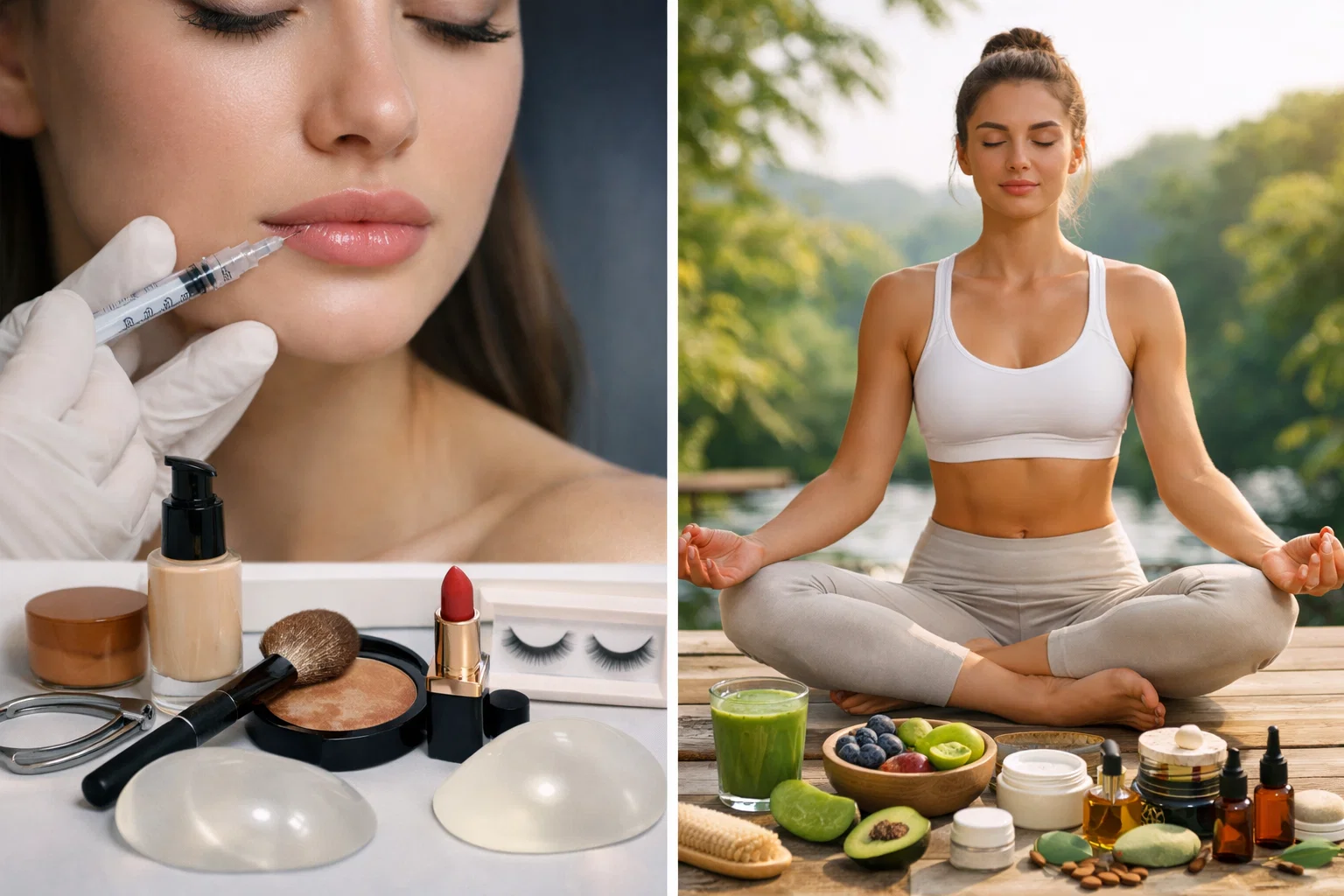
The beauty industry spent the last several years in what many dermatologists now call the "actives arms race" — brands competing to offer higher concentrations of retinol, vitamin C, glycolic acid, and other potent ingredients. While these actives deliver real results when used correctly, the trend toward layering multiple potent products created an epidemic of sensitized, barrier-damaged skin.
In 2026, the pendulum has decisively swung the other way. Industry reports from Cosmetics Business and Beauty Independent confirm that consumers are now prioritizing credibility, science, and responsibility over constant product churn. The concept of "skinimalism" — simplified routines with fewer, more effective products — has moved from niche to mainstream. As noted by experts at TheIndustry.beauty, microbiome-supporting formulas enhanced with fermented ingredients, ceramides, and postbiotic blends are anticipated as daily essentials, not niche treatments.
This shift is not just consumer-driven. Dermatologists worldwide are advocating for a "barrier-first, actives-second" approach, recommending that patients establish a healthy, resilient barrier before introducing potent actives. The logic is simple: active ingredients work better on healthy skin. A compromised barrier actually reduces the efficacy of retinoids, vitamin C, and peptides while increasing the risk of irritation. As we explored in our Niacinamide Skincare Guide, niacinamide is one of the few actives that actually strengthens the barrier while delivering anti-aging and brightening benefits — which is why it has become a cornerstone of barrier-first routines.
Key Ingredients Driving the Barrier Repair Revolution

Not all barrier repair products are created equal. Here are the scientifically validated ingredients leading the 2026 barrier repair movement:
CERAMIDES
Ceramides make up roughly 50% of the skin's lipid barrier. The most advanced K-beauty formulations in 2026 use multi-ceramide complexes in a 3:1:1 ratio of ceramides, cholesterol, and fatty acids — mimicking the skin's natural lipid composition. This ratio, first established in dermatological research, ensures that supplemental ceramides integrate seamlessly with your existing barrier rather than simply sitting on top of it. Leading K-beauty products now feature five or more ceramide types (NP, AP, EOP, NS, AS) for comprehensive barrier coverage.
POSTBIOTICS
While probiotics captured attention in previous years, the industry has recognized that live bacteria are inherently unstable in skincare formulations. What actually works topically are postbiotics — the metabolic byproducts of bacterial fermentation, including lactic acid, peptides, and short-chain fatty acids. According to The Glow Pick, a 2025 dermatological study demonstrated that topical postbiotics improved skin barrier function by 34% over 8 weeks compared to controls. Key postbiotic ingredients to look for include lactobacillus ferment lysate, bifida ferment filtrate, and galactomyces ferment filtrate.
FERMENTED INGREDIENTS
Korean fermentation technology remains unmatched. Fermented rice filtrate (sake lees), fermented soybean extract, and fermented centella asiatica deliver smaller molecular compounds that penetrate more effectively while providing barrier-supportive nutrients. The fermentation process also generates natural antimicrobial peptides that support the skin's microbiome.
PANTHENOL (PROVITAMIN B5)
Dexpanthenol, the active form of panthenol, has moved from "nice-to-have" humectant to essential barrier repair ingredient. Clinical data supports its role in accelerating barrier recovery, reducing TEWL, and calming inflammation. Many K-beauty barrier creams now use panthenol concentrations of 5% or higher.
BETA-GLUCAN
This natural polysaccharide, widely found in fungi, bacteria, and algae, is gaining significant traction in 2026 skincare. Known in the medical world for supporting heart health and immune function, beta-glucan provides deep hydration without heaviness and has demonstrated anti-inflammatory properties comparable to hydrocortisone in some studies — without the side effects.
Best K-Beauty Barrier Repair Products in 2026
Here are the standout K-beauty barrier repair products making waves this year:
Dr. Jart+ Ceramidin Cream — The gold standard of K-beauty barrier repair. Its 5-Cera Complex features ceramide NP, AP, and EOP alongside panthenol, creating a dense yet non-greasy moisture seal. Updated for 2026 with an improved texture that absorbs faster while maintaining 72-hour moisture retention.
ILLIYOON Ceramide Ato Concentrate Cream — A pharmacy favorite featuring patented ceramide capsule technology that releases ceramides gradually over 24 hours. Designed originally for eczema-prone skin, it has become a cult barrier repair product for all skin types. Exceptionally affordable for the technology it delivers.
Haruharu Wonder Black Rice Probiotics Barrier Essence — Enriched with a five ceramide complex, five fatty acids complex, and a postbiotic blend including galactomyces ferment filtrate and bifida ferment filtrate. The fermented black rice base adds antioxidant protection. A perfect essence-step addition for those building a barrier-first routine.
Althea 147 Barrier Cream — A newcomer using four types of ceramides and seven types of hyaluronic acid. The "147" refers to the number of clinical test subjects who showed measurable barrier improvement. A promising entry for those seeking maximum hydration alongside barrier repair.
COSRX Balancium Comfort Ceramide Cream — Features centella asiatica extract combined with ceramide NP for a calming-plus-repair dual approach. Lightweight enough for oily skin types who need barrier support without heaviness. For those who prefer COSRX's approach to gentle, science-backed formulations, our Snail Mucin Guide covers another COSRX hero ingredient that pairs beautifully with ceramide products.
How to Build a Barrier Repair Routine
Building an effective barrier repair routine requires restraint. The goal is to strip back unnecessary products and focus on ingredients that actively rebuild the lipid matrix. Here is a dermatologist-approved framework:
STEP 1: GENTLE CLEANSER — Switch to a low-pH (5.0 to 5.5) cream or gel cleanser free of sulfates and fragrances. Double cleansing is fine, but avoid foaming cleansers during active barrier recovery.
STEP 2: HYDRATING TONER OR ESSENCE — Apply a postbiotic-rich toner or a hyaluronic acid essence to damp skin. This preps the barrier for lipid absorption. For a deep dive into HA formulations, check our Hyaluronic Acid Skincare Guide.
STEP 3: BARRIER SERUM — This is where postbiotics, peptides, or niacinamide serums go. Layer one active at a time. Peptide enthusiasts should explore our Multi-Peptide Skincare Guide for formulation details.
STEP 4: CERAMIDE MOISTURIZER — The anchor of your barrier repair routine. Apply a cream with multi-ceramide complex in the 3:1:1 ratio. Allow full absorption before the next step.
STEP 5: SUNSCREEN (AM) / OCCLUSIVE (PM) — UV exposure is a primary barrier disruptor. In the morning, finish with broad-spectrum SPF 50+. At night, consider a thin layer of squalane or petroleum-based occlusive over your ceramide cream to prevent overnight moisture loss.
WHAT TO AVOID DURING BARRIER RECOVERY: Pause retinoids, AHAs, BHAs, and vitamin C for 2 to 4 weeks while your barrier heals. Physical exfoliation is strictly off-limits. Once barrier function is restored — typically indicated by reduced redness, no stinging with product application, and improved hydration levels — you can slowly reintroduce actives one at a time.
What Dermatologists Say About the Barrier-First Approach
The medical community has been increasingly vocal about barrier health as the foundation of effective skincare. Dermatologists emphasize that the barrier-first approach is not a trend — it is a correction. Years of encouraging patients to use aggressive actives without adequate barrier support created a generation of sensitized skin that responds poorly to treatment.
Melody Yuan, CEO and Founder of Skin Cupid, notes that "UK consumers are becoming more ingredient-savvy, gravitating towards the gentle formulations and advanced technology that Korea is celebrated for." She predicts a rise in the use of traditional Korean ingredients like ginseng, mugwort, and bamboo sap, paired with peptides and encapsulation technologies — all within a barrier-supportive framework.
For those interested in how traditional Korean herbal medicine intersects with modern barrier science, our Hanbang Skincare 2026 guide explores this convergence in depth.
The emerging consensus is clear: the most advanced skincare routine is not the one with the most steps or the highest-concentration actives. It is the one that keeps your barrier intact so every product you apply can actually do its job. Ingredients like ectoin — an extremophile-derived barrier protectant — are gaining dermatologist attention precisely because they support barrier integrity under environmental stress without any risk of irritation.
The Microbiome Connection: Why Barrier Health and Skin Flora Are Inseparable
One of the most significant scientific developments driving the 2026 barrier repair trend is the growing understanding of the skin microbiome. Your skin hosts trillions of beneficial microorganisms that form a living protective layer — and these organisms depend on an intact, slightly acidic barrier to survive. When the barrier is damaged and pH rises, pathogenic bacteria can overgrow, leading to acne, rosacea flares, and eczema outbreaks.
This is why K-beauty's focus on fermented ingredients and postbiotics is not just a marketing story — it is scientifically grounded. Postbiotic formulations feed and support beneficial bacteria while the ceramide-cholesterol-fatty acid matrix they live on is being rebuilt. The two strategies are synergistic. Advanced K-beauty products like PDRN serums — which we covered in our PDRN Skincare Guide — are also being paired with barrier repair products in layering protocols that promote regeneration without compromising barrier integrity.
You May Also Like
- Ectoin Skincare 2026: The Extremophile Ingredient Your Skin Barrier Needs
- Exosome Skincare 2026: Do These Cell-Signaling Serums Actually Work?
- Snail Mucin Skincare 2026: Science, Benefits, and Best K-Beauty Products
FAQ
Q: How long does it take to repair a damaged skin barrier?
A: Most dermatologists estimate 2 to 6 weeks for meaningful skin barrier repair, depending on the severity of damage. Mild barrier compromise from over-exfoliation may resolve in 2 weeks with a simplified ceramide-focused routine, while chronic barrier damage from prolonged use of harsh actives can take 4 to 6 weeks. Consistency with gentle cleansing, ceramide moisturizers, and sunscreen is key.
Q: Can I use retinol while repairing my skin barrier?
A: It is best to pause retinol and other potent actives during active barrier recovery. Once your barrier is restored — indicated by no stinging, reduced redness, and normal hydration levels — reintroduce retinol at the lowest concentration (0.025% to 0.05%) and buffer it over your ceramide moisturizer. Our Retinol vs Bakuchiol guide compares gentler alternatives for sensitive skin.
Q: What is the difference between probiotics and postbiotics in skincare?
A: Probiotics are live microorganisms that are inherently unstable in topical formulations. Postbiotics are the metabolic byproducts of bacterial fermentation — including lactic acid, peptides, and short-chain fatty acids — which are stable, shelf-safe, and clinically proven to strengthen the skin barrier. In 2026, dermatologists and K-beauty formulators overwhelmingly favor postbiotics for topical skincare.
Q: Are ceramide products safe for acne-prone skin?
A: Yes. Ceramides are naturally occurring in your skin and are non-comedogenic. In fact, barrier repair with ceramides often improves acne by reducing the inflammation and compensatory oil production that damaged barriers trigger. Choose lightweight gel-cream formulations if you have oily or acne-prone skin. The COSRX Balancium Comfort Ceramide Cream is specifically designed for this skin type.
Q: What are the signs that my skin barrier is damaged?
A: Common signs include persistent redness, stinging or burning when applying products that previously felt fine, unusual dryness or flaking alongside oiliness, increased sensitivity to temperature changes, frequent breakouts that do not respond to typical acne treatments, and skin that feels tight after cleansing. If you experience three or more of these simultaneously, barrier damage is highly likely.
The Bottom Line
Skin barrier repair is not a passing trend — it represents a fundamental recalibration of how we approach skincare. The K-beauty industry, with its decades-long commitment to gentle formulations and ingredient innovation, is perfectly positioned to lead this shift. By investing in ceramide-rich moisturizers, postbiotic serums, and simplified routines that respect your skin's natural architecture, you are not just following a trend — you are building the foundation for healthier, more resilient skin that responds better to every product in your routine. Start with barrier health, and everything else follows.
For a comprehensive overview of all trending K-beauty ingredients including ceramides, peptides, and regenerative actives, visit our K-Beauty Ingredients Encyclopedia 2026.
Sources: TopTeny | The Glow Pick | TheIndustry.beauty | BeautyMatter | Cosmetics Business


댓글
댓글 쓰기