Hanbang Skincare 2026: How K-Beauty Is Reinventing Korean Herbal Medicine with Biotech
Hanbang Skincare 2026: How K-Beauty Is Reinventing Korean Herbal Medicine with Biotech
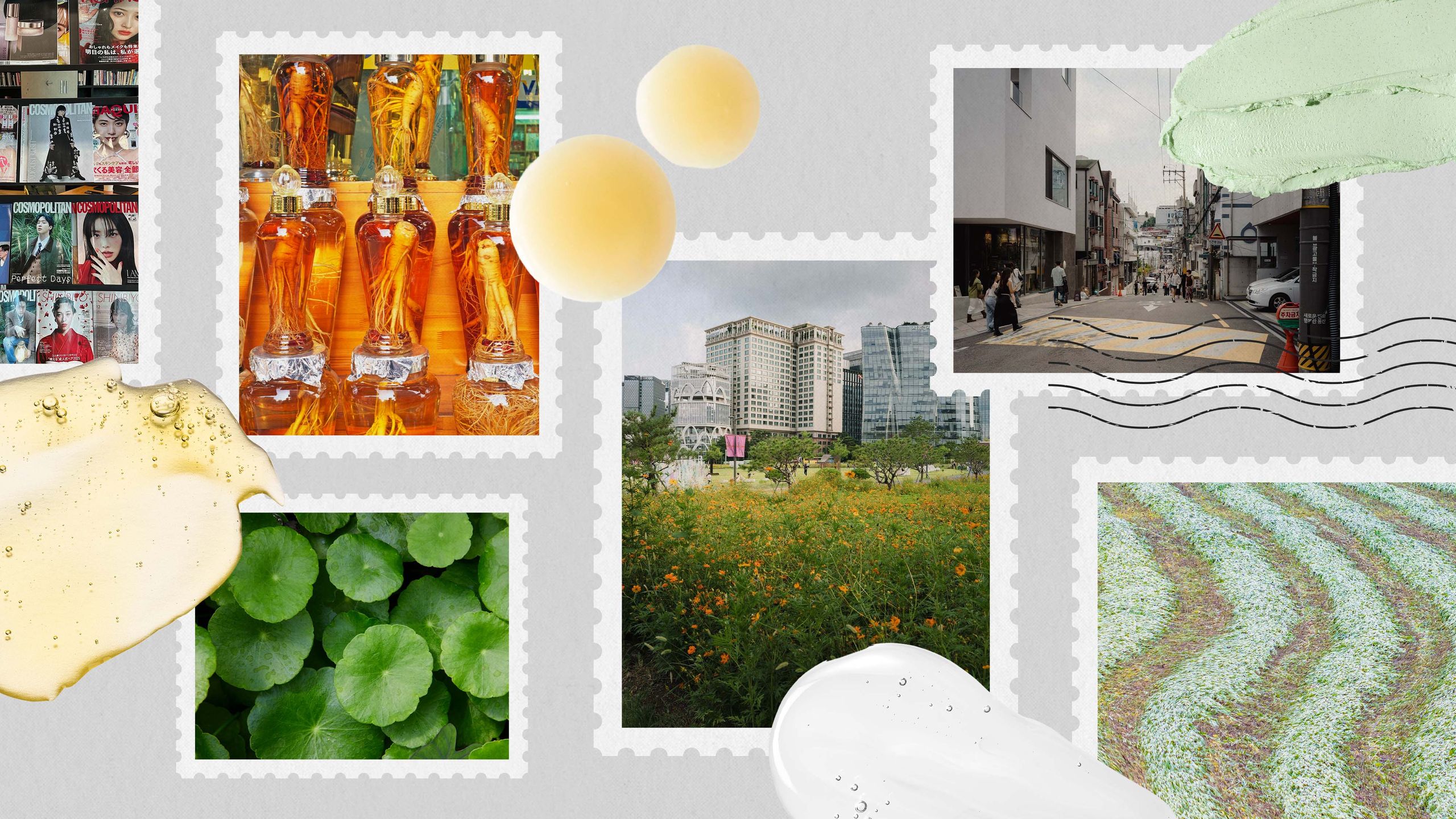
Hanbang skincare is experiencing its biggest transformation in decades. The Korean tradition of using herbal medicine ingredients in skincare — rooted in over 2,000 years of practice — is being supercharged by peptide encapsulation, fermentation science, and clinical-grade extraction methods that turn ancient remedies into cutting-edge formulations. In 2026, the convergence of traditional Korean medicine and modern biotechnology is not just a niche trend: it is reshaping the entire K-beauty landscape, with major brands from Sulwhasoo to Beauty of Joseon leading the charge.
Whether you are new to hanbang skincare or a longtime devotee of ginseng serums and mugwort essences, this guide covers everything you need to know about the trend experts are calling "Hanbang 2.0" — the science behind it, the ingredients worth your attention, the products delivering real results, and why dermatologists are increasingly recommending Korean herbal formulations to their patients.
What Is Hanbang Skincare? A Quick Primer
Hanbang (한방) literally translates to "Korean medicine" and refers to the centuries-old system of diagnosis and treatment that uses natural plant, mineral, and animal-derived ingredients. Unlike Western medicine, which typically isolates a single active compound, hanbang philosophy emphasizes balance — treating the whole system rather than one symptom. When applied to skincare, this means formulations designed to restore the skin's internal equilibrium, strengthen its barrier, and address the root cause of issues like dullness, sensitivity, and premature aging.
The cornerstone hanbang skincare ingredients include ginseng (인삼), mugwort (쑥/ssuk), green tea (녹차), lotus flower, licorice root, bamboo sap, and bellflower root. For centuries, Korean women applied pastes and infusions of these botanicals directly to the skin. Today, as we covered in our K-Beauty Ingredients Encyclopedia, the same ingredients are being processed through advanced biotechnology to unlock potency levels that traditional preparations could never achieve.
Why Hanbang Is Trending Again in 2026
Multiple forces are converging to make hanbang skincare one of the defining trends of 2026. First, consumer fatigue with synthetic-only formulations has pushed demand for ingredients with deep cultural and clinical heritage. Second, the K-beauty industry is actively seeking differentiation from Western and J-beauty brands, and nothing says "Korean" more authentically than hanbang. Third — and most importantly — the science has caught up with the tradition.
Research published in the Journal of Ginseng Research and the International Journal of Molecular Sciences now provides robust clinical evidence for ingredients that hanbang practitioners have used for generations. This evidence-based validation is exactly what modern consumers and dermatologists demand before adopting any new skincare ingredient, as we explored in our Anti-Aging Skincare Guide 2026.
According to industry forecasts from Cosmetics Business and BeautyMatter, 2026 will see a major surge in modernized hanbang formulas featuring ginseng, mugwort, and bamboo sap paired with peptides and encapsulation technologies. Olive Young — Korea's dominant beauty retailer — has flagged hanbang-inspired products as one of its top-selling categories for the year.
The Technology Behind Hanbang 2.0: Encapsulation, Fermentation, and Peptide Fusion
What separates 2026-era hanbang skincare from your grandmother's ginseng paste? Three key technologies.
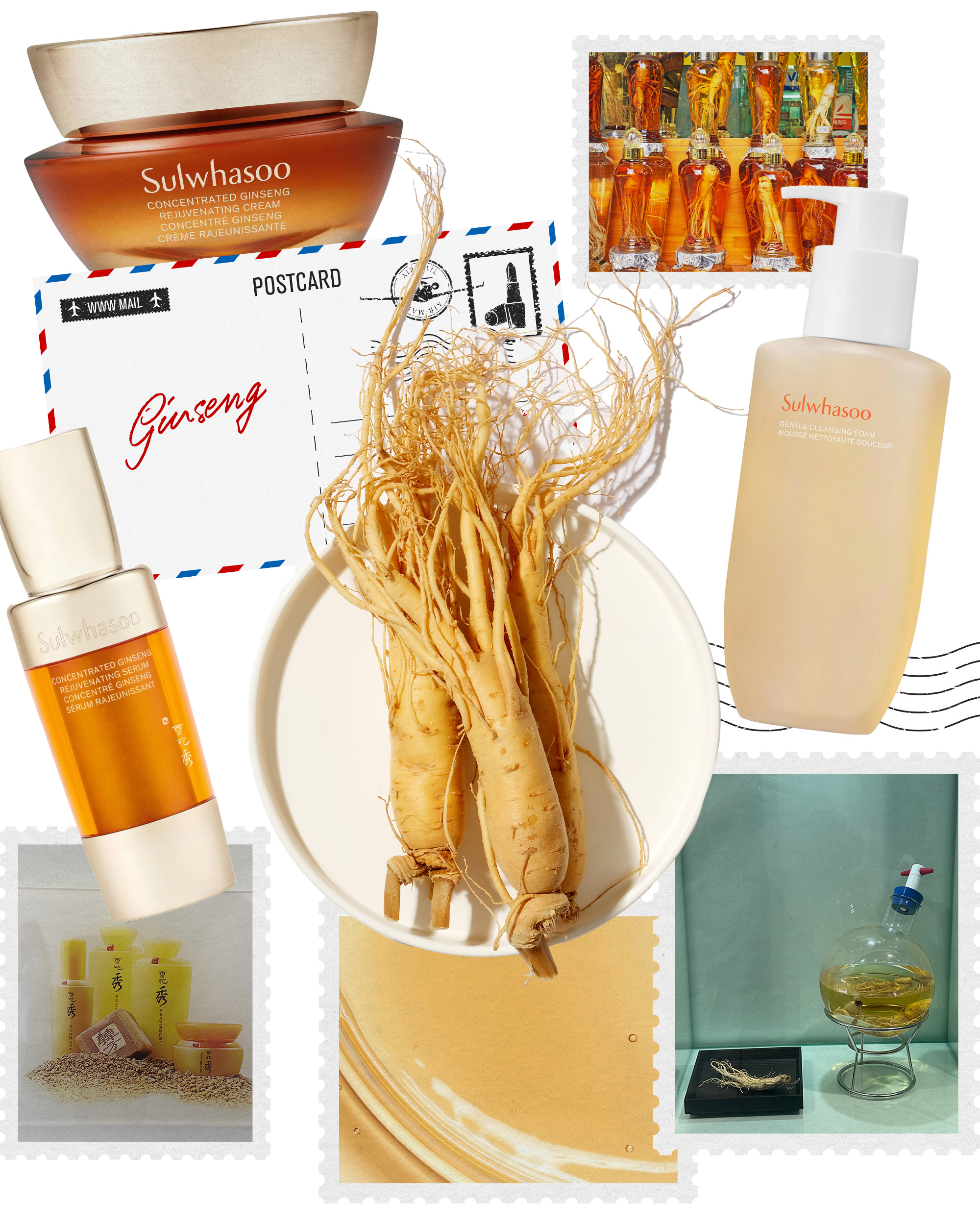
ENCAPSULATION is arguably the biggest game-changer. By wrapping active compounds like ginsenosides or mugwort extracts in microscopic lipid or polymer shells, brands ensure the ingredient remains stable against air, light, and skin pH — then releases gradually at its target depth. Amorepacific, the parent company of Sulwhasoo, spent five years developing a patented micro-encapsulation system specifically for ginsenoside molecules. A 2025 comparative study demonstrated that encapsulated ginseng extract delivered 43% greater improvement in skin elasticity and 31% greater improvement in hydration versus non-encapsulated formulations using the same concentration, over an 8-week trial with 40 participants.
FERMENTATION is the second pillar. Korean fermentation techniques — borrowed from food traditions like kimchi and doenjang — break down large botanical molecules into smaller, more bioavailable fragments that penetrate the skin more effectively. Fermented ginseng, fermented rice water, and fermented mugwort extracts have become staples in high-performance K-beauty lines. The fermentation process also generates beneficial byproducts like amino acids, organic acids, and postbiotics, which complement the hanbang ingredient's original activity. This synergy with microbiome skincare is one reason dermatologists are paying closer attention.
PEPTIDE FUSION represents the third wave. Brands are now combining traditional hanbang extracts with synthetic peptides to create hybrid formulations that deliver both the holistic benefits of herbal medicine and the targeted precision of modern cosmeceuticals. Sulwhasoo's Ginseng Peptide technology, for example, pairs ginsenosides with signal peptides that boost collagen synthesis and strengthen the skin barrier simultaneously.
Key Hanbang Ingredients to Know in 2026
Not all hanbang ingredients are created equal. Here are the five commanding the most attention from formulators, dermatologists, and consumers this year.
GINSENG (Panax ginseng) — The undisputed star of hanbang skincare. Korean red ginseng contains over 30 types of ginsenosides — saponin compounds that promote collagen synthesis, reduce oxidative stress, inhibit melanin production, and improve microcirculation. Clinical studies show measurable improvement in wrinkle depth, skin firmness, and elasticity after 4-8 weeks of topical application. Sulwhasoo's Concentrated Ginseng Rejuvenating line recently reported that 100% of trial participants showed improvement in wrinkles, plumpness, and skin barrier after 6 weeks of use.
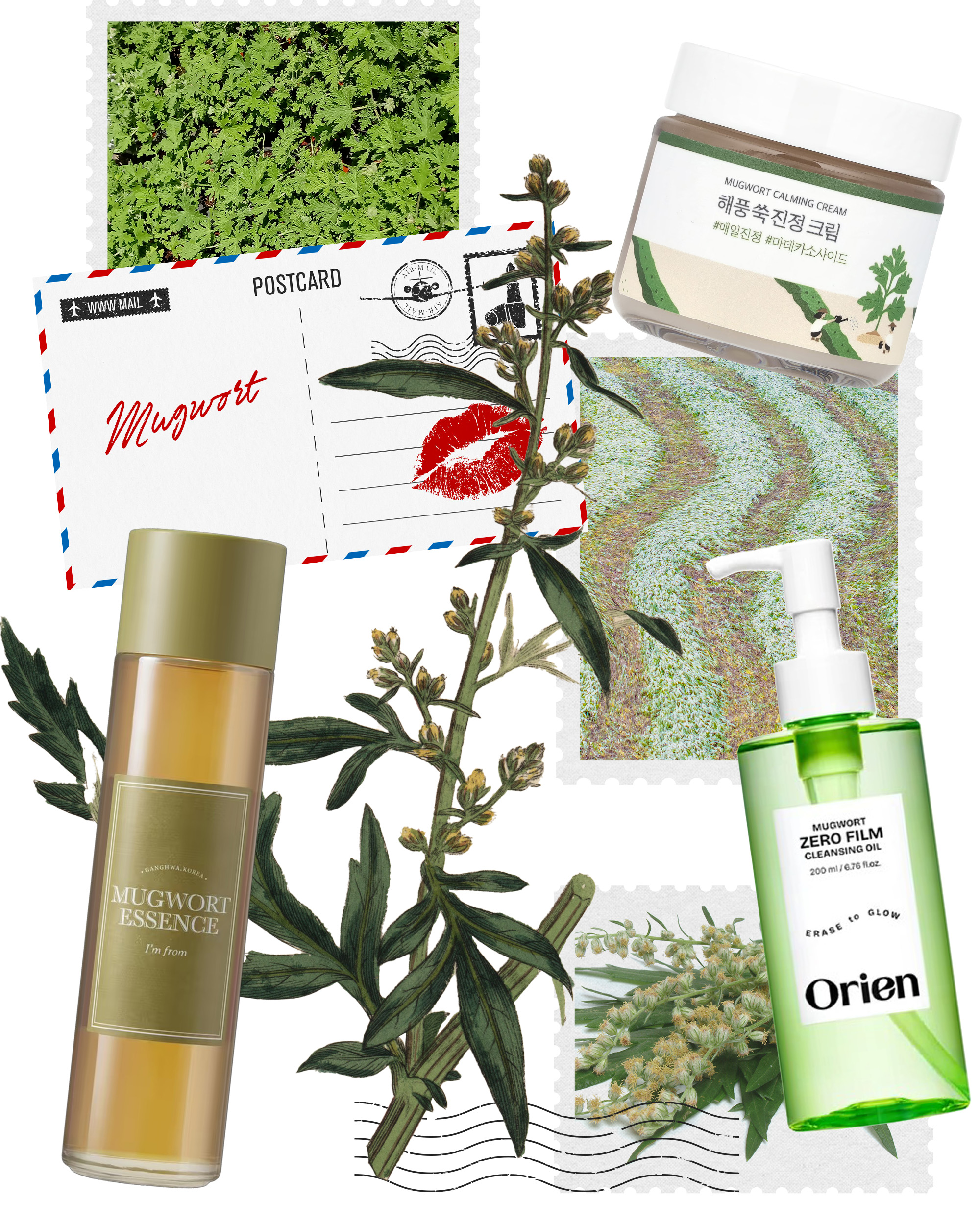
MUGWORT (Artemisia princeps) — Known as "ssuk" in Korean, mugwort is the calming counterpart to ginseng's stimulating power. Rich in chamazulene and bisabolol, mugwort delivers potent anti-inflammatory and antimicrobial effects, making it a go-to for rosacea-prone, acne-prone, and sensitive skin. Traditionally used in Korean bathhouse (jjimjilbang) steam treatments, mugwort has transitioned seamlessly into modern serums, essences, and sheet masks. I'm From's Mugwort Essence — a cult classic — uses 100% mugwort extract from the Ganghwa Island region, which is considered the highest quality in Korea.
GREEN TEA (Camellia sinensis) — A powerful antioxidant ingredient rich in EGCG (epigallocatechin gallate), green tea protects against UV-induced free radical damage, soothes inflammation, and helps regulate sebum production. Innisfree, sourcing from Jeju Island tea plantations, has built an entire brand identity around this single hanbang ingredient.
LICORICE ROOT (Glycyrrhiza glabra) — One of the most effective natural brightening agents, licorice root contains glabridin, which inhibits tyrosinase — the enzyme responsible for melanin production. It is a gentler alternative to hydroquinone and works synergistically with other hanbang actives like ginseng for comprehensive anti-aging and brightening.
BAMBOO SAP (Phyllostachys bambusoides) — Emerging as a key hydration ingredient in 2026 hanbang formulas, bamboo sap is packed with minerals, amino acids, and polysaccharides. It delivers deep moisture without heaviness, making it ideal for the lightweight, layerable textures K-beauty is known for.
Top Hanbang Skincare Brands and Products for 2026
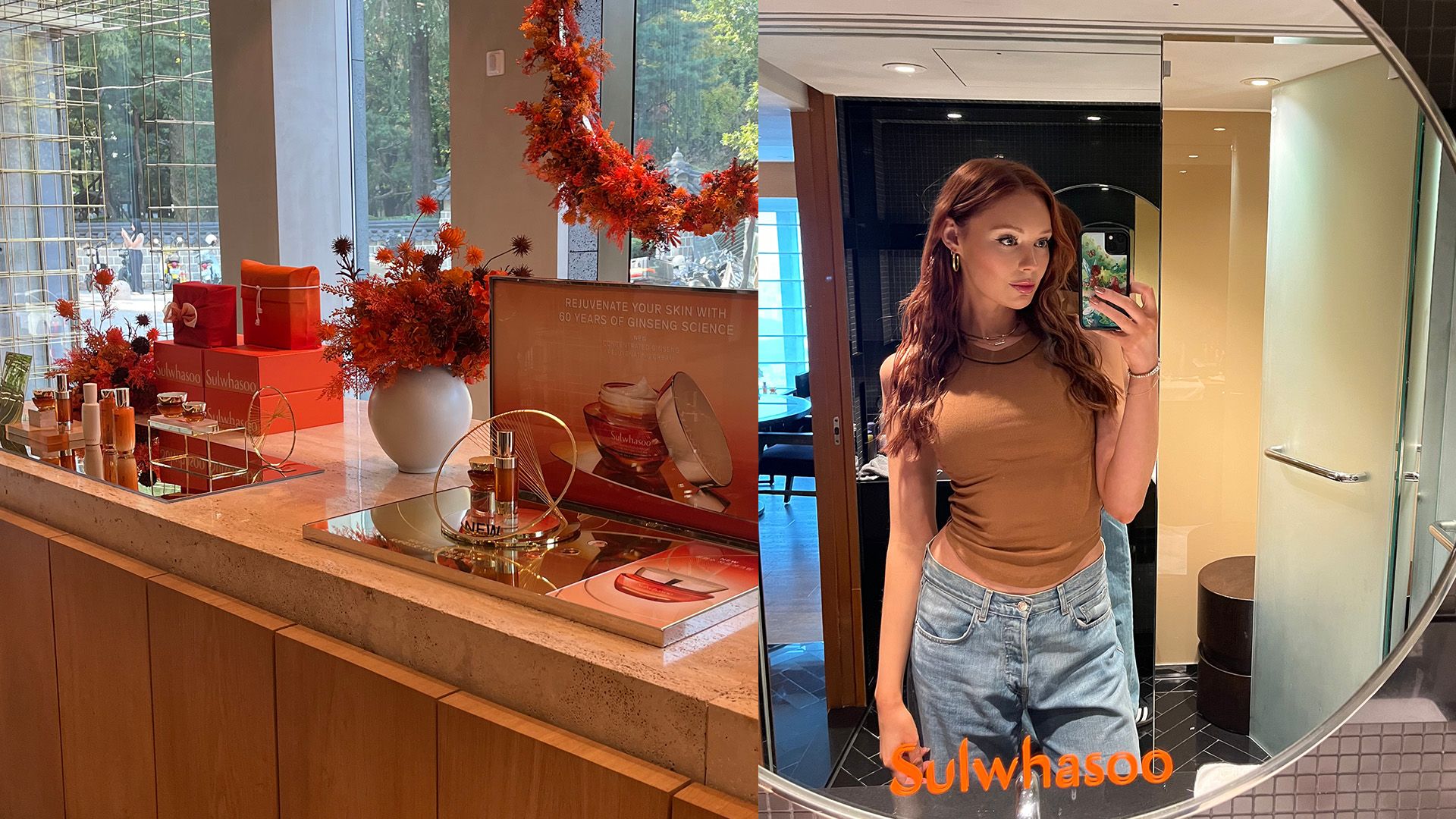
SULWHASOO remains the gold standard of luxury hanbang skincare. The brand's Concentrated Ginseng Rejuvenating Collection — refreshed for 2026 with upgraded Ginseng Peptide technology — includes a serum, cream, eye cream, and the newly launched Concentrated Ginseng Rejuvenating Cleansing Foam ($65). Clinical testing shows 100% of users experienced improvement in fine lines, wrinkles, elasticity, and skin firmness. Each product layers beautifully without pilling, building a cumulative dewy, nourished result. The heritage is real: Sulwhasoo's ginseng skincare lineage traces back to the 1966 ABC Ginseng Cream — nearly 60 years of formulation expertise.
BEAUTY OF JOSEON has become the accessible entry point into hanbang skincare. Their best-selling Glow Deep Serum (propolis + niacinamide), Repair Serum (ginseng + snail mucin), and the wildly popular Relief Sun SPF50+ PA++++ have made hanbang-inspired routines affordable for a global audience. The brand's approach — combining traditional hanbang ingredients with proven modern actives — exemplifies the Hanbang 2.0 philosophy. For those exploring snail mucin skincare, the Repair Serum offers the best of both worlds.
I'M FROM delivers single-ingredient-focused hanbang products that appeal to the skinimalism trend. Their Mugwort Essence, Rice Toner, and Honey Mask each spotlight a single traditional Korean ingredient in its purest form. The Mugwort Essence sources 100% of its extract from Ganghwa Island, one of Korea's most renowned mugwort-growing regions.
PYUNKANG YUL takes a minimalist hanbang approach, with formulations inspired by an actual Korean medicine clinic (Pyunkang Korean Medicine Clinic) that has operated for decades. Their Essence Toner — containing just seven ingredients anchored by astragalus membranaceus root extract — is a cult favorite for sensitive skin.
MIXSOON, while newer, has quickly gained traction with its fermented soybean and bean essence line, applying fermentation technology to traditional Korean bean-based ingredients in innovative ways.
Hanbang vs. Other Trending Ingredients: How Does It Compare?
With so many trending ingredients competing for shelf space in 2026 — from PDRN (salmon DNA) to exosomes and NMN/NAD+ metabolic actives — what makes hanbang skincare stand out?
The answer lies in its holistic approach. While PDRN and exosomes target specific cellular mechanisms (DNA repair and cell signaling, respectively), hanbang ingredients work on multiple pathways simultaneously. Ginseng, for example, is antioxidant, anti-inflammatory, collagen-boosting, and brightening all at once. Mugwort calms, protects, and repairs the barrier in a single step. This multi-target activity aligns perfectly with the bloom skin trend of 2026, which emphasizes naturally healthy, resilient skin rather than one-note perfection.
The other advantage: safety profile. Hanbang ingredients have millennia of real-world use data — a track record no laboratory-created ingredient can match. Dermatologists note that ginseng, mugwort, and green tea have exceptionally low irritation potential and are suitable for virtually all skin types, including sensitive and rosacea-prone skin.
How to Build a Hanbang Skincare Routine
Incorporating hanbang skincare into your routine does not require overhauling every product. Here is a simple framework.
MORNING ROUTINE:
1. Cleanser — Rice or green tea-based (Beauty of Joseon Radiance Cleansing Balm or Sulwhasoo Ginseng Cleansing Foam)
2. Toner/Essence — Mugwort or ginseng essence (I'm From Mugwort Essence or Beauty of Joseon Ginseng Essence Water)
3. Serum — Target your concern: ginseng for anti-aging, licorice for brightening
4. Moisturizer — Bamboo sap or ginseng cream for all-day hydration
5. Sunscreen — SPF 50+ always (Beauty of Joseon Relief Sun is a hanbang-infused option)
EVENING ROUTINE:
1. Double cleanse — Oil cleanser + foam or gel cleanser
2. Exfoliant (2-3x/week) — Gentle AHA or PHA
3. Toner/Essence — Layer for hydration
4. Treatment serum — Concentrated ginseng or fermented botanical serum
5. Night cream or sleeping mask — Lock in all layers with a nourishing hanbang cream
For a complete guide to building a Korean skincare routine, see our K-Beauty Complete Guide 2026.
What Dermatologists Say About Hanbang Skincare
Board-certified dermatologists are increasingly recommending hanbang-inspired products to patients, particularly for anti-aging and sensitive skin concerns. The multi-active nature of ingredients like ginseng — which simultaneously addresses oxidative stress, collagen degradation, and inflammation — makes them efficient additions to any regimen without the irritation risk of higher-strength synthetic retinoids or acids.
Dermatologists also highlight that hanbang skincare aligns with the broader 2026 shift toward skin longevity — building and maintaining healthy skin over years rather than chasing quick dramatic results. Ginseng's antioxidant protection, mugwort's barrier support, and green tea's photoprotective benefits all contribute to long-term skin health rather than short-term cosmetic effects.
That said, experts advise consumers to look for products with standardized extract concentrations and clinical testing data rather than relying on ingredient lists alone. Not all ginseng extracts are equal — the concentration of ginsenosides, the extraction method, and the delivery system all significantly impact efficacy.
FAQ
Q: What does hanbang mean in skincare?
A: Hanbang (한방) refers to traditional Korean medicine. In skincare, hanbang describes formulations that use time-tested Korean herbal ingredients — such as ginseng, mugwort, green tea, licorice root, and lotus — to improve skin health through a holistic, multi-target approach rather than isolating a single active compound.
Q: Is hanbang skincare good for sensitive skin?
A: Yes. Many hanbang ingredients — particularly mugwort, green tea, and licorice root — have strong anti-inflammatory and soothing properties. They have been used for centuries on all skin types, including sensitive, acne-prone, and rosacea-prone skin. Brands like Pyunkang Yul and I'm From formulate specifically for reactive skin.
Q: What is the difference between hanbang and regular K-beauty skincare?
A: Standard K-beauty may use any scientifically validated ingredient (hyaluronic acid, niacinamide, retinol). Hanbang skincare specifically draws from the Korean herbal medicine tradition, using botanicals like ginseng, mugwort, bamboo sap, and bellflower root. Modern hanbang products ("Hanbang 2.0") combine these traditional ingredients with advanced technologies like encapsulation and peptide fusion.
Q: Which hanbang ingredient is best for anti-aging?
A: Ginseng (Panax ginseng) is the most clinically validated hanbang ingredient for anti-aging. Its ginsenosides promote collagen synthesis, reduce oxidative damage, and improve skin elasticity. Sulwhasoo's Concentrated Ginseng line and Beauty of Joseon's Repair Serum are top product choices for ginseng-based anti-aging.
Q: Can I combine hanbang products with retinol or vitamin C?
A: Absolutely. Hanbang ingredients like ginseng and mugwort are generally well-tolerated alongside retinoids and vitamin C. In fact, the anti-inflammatory properties of mugwort can help mitigate irritation from retinol use. Apply your hanbang essence or serum first, let it absorb, then follow with retinol or vitamin C as directed.
You May Also Like
- PDRN Skincare 2026: The Salmon DNA Ingredient Taking Over K-Beauty
- Bloom Skin 2026: K-Beauty's Post-Glass Skin Trend Explained
- Snail Mucin Skincare 2026: Science, Benefits, and Best K-Beauty Products
- Microbiome Skincare 2026: K-Beauty's Postbiotic Revolution
- K-Beauty Ingredients Encyclopedia 2026: Every Trending Active Explained
The Bottom Line
Hanbang skincare in 2026 is not about nostalgia — it is about validation. The same ginseng, mugwort, and green tea that Korean women relied on for centuries are now backed by clinical studies, enhanced by encapsulation and fermentation science, and formulated into products that deliver measurable results. Whether you choose the luxury precision of Sulwhasoo, the accessible innovation of Beauty of Joseon, or the purist simplicity of I'm From, incorporating hanbang ingredients into your routine connects you to the deepest roots of K-beauty while riding the very edge of skincare science. In a market saturated with novelty, hanbang skincare proves that sometimes the oldest ingredients are the most revolutionary.
Sources: Who What Wear | K-Trend | Cosmetics Business | BeautyMatter | TheIndustry.beauty


댓글
댓글 쓰기