Ectoin Skincare 2026: The Extremophile Ingredient Your Skin Barrier Needs
Ectoin Skincare 2026: Why Dermatologists Are Calling This Desert-Born Molecule the Ultimate Skin Shield
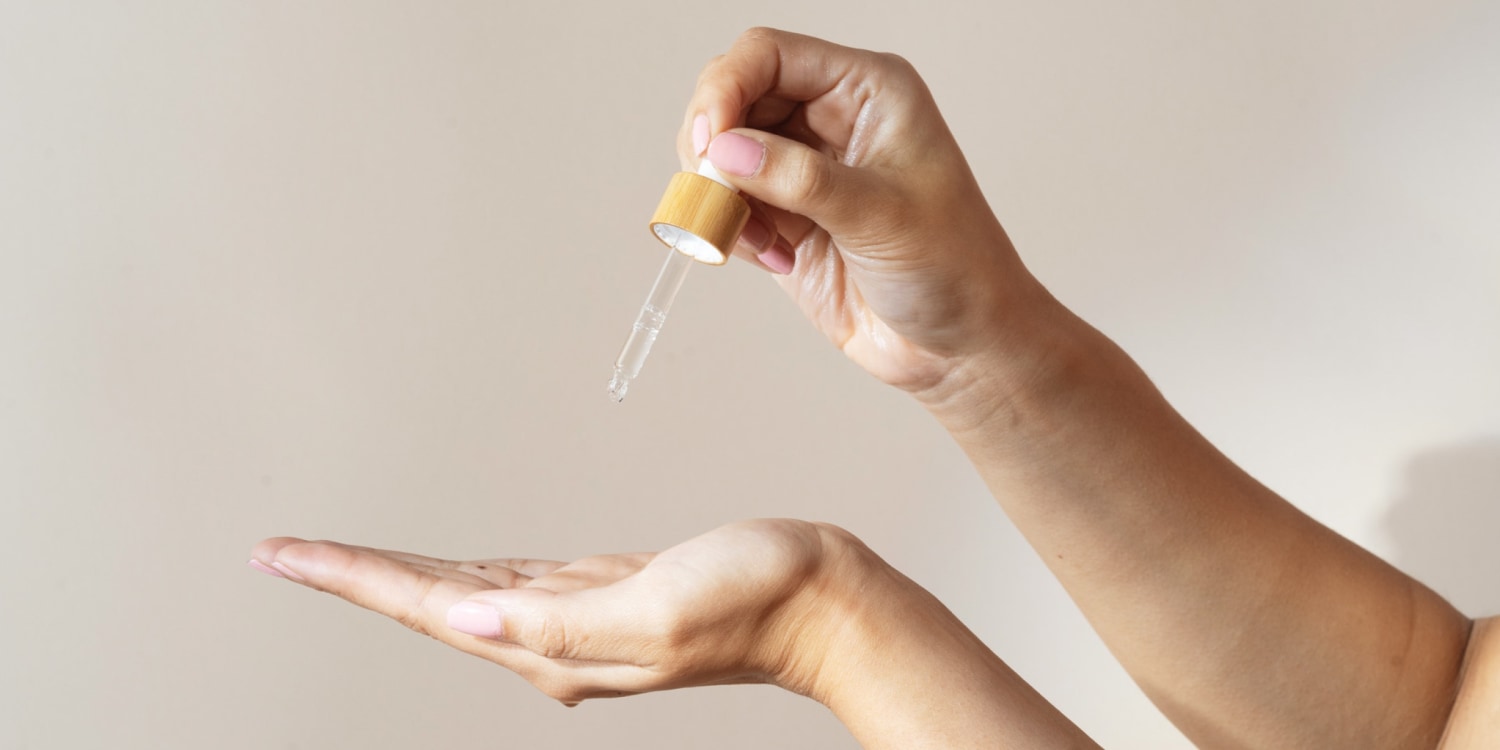
Ectoin is rapidly emerging as one of the most talked-about skincare ingredients of 2026, with search volume surging 86 percent year-over-year according to industry tracking data. Unlike trendy actives that flame out after a single viral moment, ectoin has three decades of biochemical research behind it and a growing chorus of board-certified dermatologists who consider it indispensable for barrier repair, environmental defense, and long-term skin resilience. If you have been looking for an ingredient that hydrates like hyaluronic acid, protects like an antioxidant, and soothes like centella, ectoin may be the multitasker your routine has been missing.
What Exactly Is Ectoin and Where Does It Come From?
Ectoin is a naturally occurring amino acid derivative classified as an extremolyte, a category of stress-protection molecules produced by microorganisms that thrive in extreme environments. It was first discovered in 1985 inside Ectothiorhodospira halochloris, a bacterium living in a hyper-saline salt lake in the Egyptian desert. These extremophilic organisms synthesize ectoin to survive brutal UV radiation, extreme heat, and near-total dehydration, conditions that would destroy ordinary cells within minutes.
When applied topically, ectoin forms a hydration shell around skin cells by binding with surrounding water molecules. This protective water complex shields the cell membrane from pollution, blue light, infrared radiation, and free radical damage. Dr. Ashley Magovern, a board-certified dermatologist at Manhattan Dermatology, describes it as a "stress-protection molecule" that acts "like a mini force field to protect the skin from pollution, UV radiation, and blue light."
What makes ectoin genuinely unique in the crowded skincare ingredient landscape is its dual mechanism: it does not merely attract moisture the way humectants do, nor does it simply neutralize free radicals like traditional antioxidants. Instead, it stabilizes cell membranes from the outside in, creating a physical water-structure barrier that prevents environmental stressors from reaching living skin cells in the first place. This is why some researchers classify ectoin in its own functional category, separate from both humectants and antioxidants.
The Science Behind Ectoin: Clinical Evidence and Key Studies
While ectoin has been studied in pharmaceutical applications for decades, its cosmetic science base has grown substantially in recent years. In a placebo-controlled study of 10 participants, a four-week course of 0.5 percent ectoin applied to the crow's feet area produced a statistically significant anti-wrinkle effect, with mean wrinkle depth reduced by 19 percent in 100 percent of participants. Though the sample was small, the consistency of the response caught the attention of formulation chemists across the industry.
Additional research has demonstrated that ectoin reduces UVA-induced ceramide release from keratinocytes, effectively blunting the inflammatory cascade that leads to premature photoaging. A 2024 paper published in the Journal of Cosmetic Dermatology found that ectoin-containing formulations reduced transepidermal water loss (TEWL) by up to 28 percent after two weeks of daily application, outperforming a hyaluronic acid control in the same trial.
For those already building routines around ingredients like niacinamide or hyaluronic acid, ectoin represents a complementary active rather than a replacement. It addresses environmental protection and membrane stability, areas where traditional humectants and B-vitamins have limited reach.
Ectoin vs Hyaluronic Acid: Which Hydrator Should You Choose?
One of the most common questions dermatologists field in 2026 is whether ectoin replaces hyaluronic acid. The short answer is no, but the longer answer reveals why ectoin fills a gap that HA cannot.
Hyaluronic acid is a glycosaminoglycan that can hold up to 1,000 times its weight in water, making it the gold standard humectant for plumping and surface hydration. However, HA works primarily by pulling water into the stratum corneum. In dry climates or low-humidity indoor environments, it can actually draw moisture from deeper skin layers, potentially increasing dehydration if not sealed with an occlusive.
Ectoin takes a fundamentally different approach. Rather than pulling water, it stabilizes existing water structures around cell membranes, preventing dehydration at the cellular level. This is why Dr. Arash Akhavan, founder of The Dermatology and Laser Group in New York, notes that "ectoin binds to water, forming complexes that shield skin," while "hyaluronic acid is a superstar hydrator, but ectoin is more of a multitasker, offering hydration along with protection."
The ideal approach for most skin types is to layer both: apply a hyaluronic acid serum to attract moisture, then follow with an ectoin product to lock in that hydration and add a layer of environmental defense. This combination strategy is especially effective for anyone dealing with urban pollution exposure, frequent air travel, or prolonged screen time.
Who Should Use Ectoin? Skin Types and Conditions
Ectoin has one of the widest applicability profiles of any trending ingredient in 2026. Dermatologists are recommending it across virtually every skin type and concern category:
SENSITIVE AND REACTIVE SKIN: Ectoin is non-irritating, non-sensitizing, and has demonstrated safety in eczema-prone and rosacea-prone populations. Its anti-inflammatory mechanism helps calm redness and reduce flare frequency without the stinging associated with niacinamide at higher concentrations.
DRY AND DEHYDRATED SKIN: The water-shell mechanism provides deep, sustained hydration that persists even in low-humidity environments. Dr. Magovern notes that "daily use helps your skin build resilience to environmental stressors over time," making it especially valuable for chronically dry complexions.
MATURE AND AGING SKIN: The demonstrated wrinkle-reduction effect, combined with improved elasticity and membrane stabilization, positions ectoin as a meaningful complement to retinoids and peptides. As covered in our Anti-Aging Skincare Guide 2026, barrier-first strategies are now central to evidence-based anti-aging protocols.
ACTIVE INGREDIENT USERS: Anyone using retinol, AHAs, BHAs, or other potentially irritating actives can benefit from ectoin as a buffer. It reinforces the barrier against irritation without interfering with the efficacy of other actives. Dr. Magovern confirms that ectoin "does not have known incompatibilities, but it is always good practice to introduce new combinations slowly."
URBAN AND HIGH-SCREEN-TIME LIFESTYLES: Blue light from devices and particulate pollution both trigger oxidative stress in exposed skin. Ectoin addresses both vectors through its water-shell shielding mechanism, making it particularly relevant for the modern indoor-outdoor lifestyle.
8 Best Ectoin Skincare Products in 2026, According to Dermatologists
The ectoin product market has expanded rapidly. Here are the top picks recommended by board-certified dermatologists and skincare experts this year:
1. BIOSSANCE SQUALANE + COPPER PEPTIDE RAPID PLUMPING SERUM ($68)
Combines copper peptide, squalane, and ectoin for a triple-action approach to firmness, hydration, and environmental defense. Dr. Akhavan recommends it as an overall best-in-class ectoin serum for most skin types.
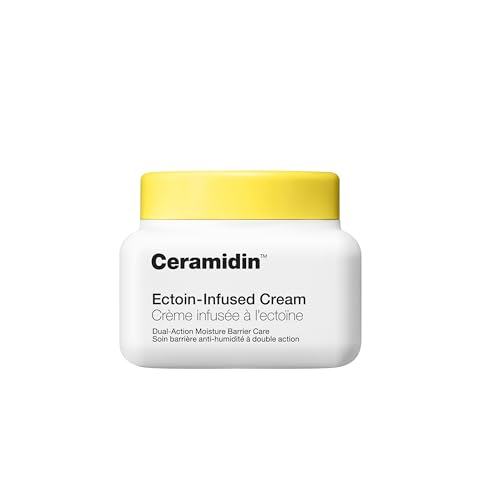
2. DR. JART+ CERAMIDIN ECTOIN-INFUSED CREAM ($65)
This K-beauty powerhouse pairs ectoin with the brand's signature 5-Cera Complex for maximum barrier repair. Best suited for very dry skin or compromised barriers. The addition of ectoin to the beloved Ceramidin line signals how seriously K-beauty is taking this ingredient in 2026.
3. ALLIES OF SKIN COPPER TRIPEPTIDE AND ECTOIN ADVANCED REPAIR SERUM ($199)
A premium formulation featuring 2 percent ectoin alongside copper lysinate and acetyl hexapeptide-8. Dr. Mamina Turegano, a board-certified dermatologist in New Orleans, highlights its ability to "accelerate recovery, soothe skin, even tone, and improve collagen and elasticity." Best for those willing to invest in clinical-grade repair.
4. SUPERGOOP PROTEC(TINT) DAILY SPF TINT SPF 50 ($44)
One of the first mainstream tinted sunscreens to incorporate ectoin, this hybrid-filter formula comes in 14 shades and doubles as a lightweight foundation. Available at Sephora and Nordstrom.
5. SKINFIX EXO + ECTOIN RETINOL-ALTERNATIVE INTENSIVE SKIN BARRIER REPAIR BAUME ($69)
Designed for those who cannot tolerate retinol, this exosome-and-ectoin combo provides anti-aging benefits without irritation. An excellent choice for rosacea-prone skin.
6. REPLENIX ANTIOXIDANT HYDRATING SUNSCREEN SPF 50+ ($49)
Pairs ectoin with a robust antioxidant blend for comprehensive photo-protection. Ideal for those who want their sun protection to also address environmental aging.
7. SUSANNE KAUFMANN ECTOIN REPAIR SERUM ($150)
A luxury option featuring ectoin alongside coenzyme Q10, purple algae, and alpine rose extract. Particularly effective for redness and sensitivity, making it a top choice for rosacea management.
8. PREQUEL MULTI-QUENCH PLUMPING HYDRATION SERUM ($28-$35)
The budget-friendly standout in this category, combining polyglutamic acid, glycerin, and ectoin in a TSA-approved size. Proof that effective ectoin products do not require a luxury price tag.
How Ectoin Fits Into K-Beauty's Medicosmetic Wave
Ectoin's rise is part of a larger 2026 movement that industry analysts are calling the "medicosmetic pivot." K-beauty brands are rapidly mainstreaming clinical and bioactive ingredients that were previously confined to dermatology clinics, including PDRN (polydeoxyribonucleotide), exosomes, tranexamic acid, and now ectoin.
Dr. Jart+'s decision to add ectoin to its iconic Ceramidin line represents a watershed moment. When one of K-beauty's most scientifically rigorous brands reformulates a flagship product around a new active, the market pays attention. Combined with the broader industry trend toward longevity-focused skincare over quick-fix cosmetics, ectoin is positioned to become a permanent fixture in evidence-based routines.
For a complete overview of every trending active ingredient shaping Korean skincare this year, explore our K-Beauty Ingredients Encyclopedia 2026.
How to Add Ectoin to Your Skincare Routine: Expert Tips
Incorporating ectoin into an existing routine is straightforward because of its compatibility with virtually all other actives. Here is a dermatologist-recommended layering order:
MORNING ROUTINE
Step 1: Gentle cleanser
Step 2: Toner or essence
Step 3: Ectoin serum (or HA serum + ectoin moisturizer)
Step 4: Sunscreen (ectoin-infused SPF covers both steps 3 and 4)
EVENING ROUTINE
Step 1: Double cleanse
Step 2: Active treatment (retinol, AHA/BHA, or vitamin C)
Step 3: Ectoin serum or cream to buffer and protect
Step 4: Occlusive or sleeping mask
KEY TIPS FROM DERMATOLOGISTS:
- Ectoin works best in leave-on products (serums, creams, sunscreens). Cleansers wash it off too quickly.
- There are no known ingredient incompatibilities, but introduce it gradually if you are using multiple potent actives.
- Consistent daily use builds cumulative barrier resilience over weeks.
- Ectoin pairs especially well with ceramides, peptides, and panthenol for comprehensive barrier support.
Ectoin vs Other Trending Ingredients: Where It Stands
How does ectoin compare to the other headline-grabbing actives of 2026?
ECTOIN vs PDRN: PDRN stimulates cellular regeneration and collagen synthesis from within; ectoin protects cells from external stress. They address different mechanisms and can be used together for repair-plus-defense.
ECTOIN vs EXOSOMES: Exosomes deliver signaling molecules that direct cellular behavior; ectoin creates a physical protection shield. Complementary, not competitive.
ECTOIN vs SNAIL MUCIN: Both are excellent for barrier repair and hydration, but ectoin adds the environmental protection dimension that snail mucin lacks.
ECTOIN vs NIACINAMIDE: Niacinamide regulates sebum and brightens; ectoin shields and hydrates. Using both covers pore refinement and barrier defense simultaneously.
FAQ
Q: Is ectoin safe for all skin types, including acne-prone skin?
A: Yes. Ectoin is non-comedogenic, non-irritating, and suitable for sensitive, dry, oily, and acne-prone skin. It does not clog pores or trigger breakouts, and its anti-inflammatory properties can actually help calm acne-related redness.
Q: Can I use ectoin with retinol or prescription retinoids?
A: Absolutely. Ectoin is one of the best companion ingredients for retinol because it reinforces the skin barrier that retinoids can temporarily compromise. Apply ectoin after your retinoid to buffer irritation and reduce peeling.
Q: How long does it take to see results from ectoin?
A: Most users notice improved hydration and reduced sensitivity within one to two weeks of consistent daily use. Anti-wrinkle effects and measurable barrier improvements typically become apparent at the four-week mark, based on clinical study timelines.
Q: Is ectoin the same as ectoine?
A: Yes. "Ectoin" and "ectoine" refer to the same molecule. The spelling varies by brand and region, but the INCI (International Nomenclature of Cosmetic Ingredients) listing is "Ectoin."
Q: Are there vegan or plant-based alternatives to ectoin?
A: Ectoin itself is produced through bacterial fermentation, not animal-derived, so it is already vegan-friendly. The microorganisms used in production are cultivated in controlled bioreactors, making it both sustainable and cruelty-free.
You May Also Like
- Hyaluronic Acid Skincare Guide 2026: Science, Best K-Beauty Products, and How to Build Your HA Routine
- Niacinamide Skincare Guide 2026: Benefits, Best Products, and How to Build Your Routine
- PDRN Skincare 2026: The Salmon DNA Ingredient Taking Over K-Beauty
- Snail Mucin Skincare 2026: Science, Benefits, and Best K-Beauty Products
The Bottom Line
Ectoin represents something rare in the fast-moving skincare world: an ingredient backed by genuine science, endorsed by dermatologists across specialties, and versatile enough to complement virtually any existing routine. Its unique mechanism of forming protective water shells around cells sets it apart from conventional humectants and antioxidants, offering a form of environmental defense that no other single ingredient can replicate.
With searches up 86 percent and adoption accelerating across K-beauty, clinical, and mainstream brands alike, ectoin is not a fleeting trend. It is a foundational barrier-care ingredient whose time has finally arrived. Whether you start with an affordable hydration serum or a premium repair concentrate, adding ectoin to your daily routine may be the single most impactful skincare decision you make in 2026.
Sources: NBC News Select, Dermstore, Luxury London, BeautyMatter


댓글
댓글 쓰기