Cooling Skincare 2026: The Climate-Adaptive K-Beauty Trend Dermatologists Say You Need This Summer
Cooling Skincare 2026: The Climate-Adaptive K-Beauty Trend Dermatologists Say You Need This Summer
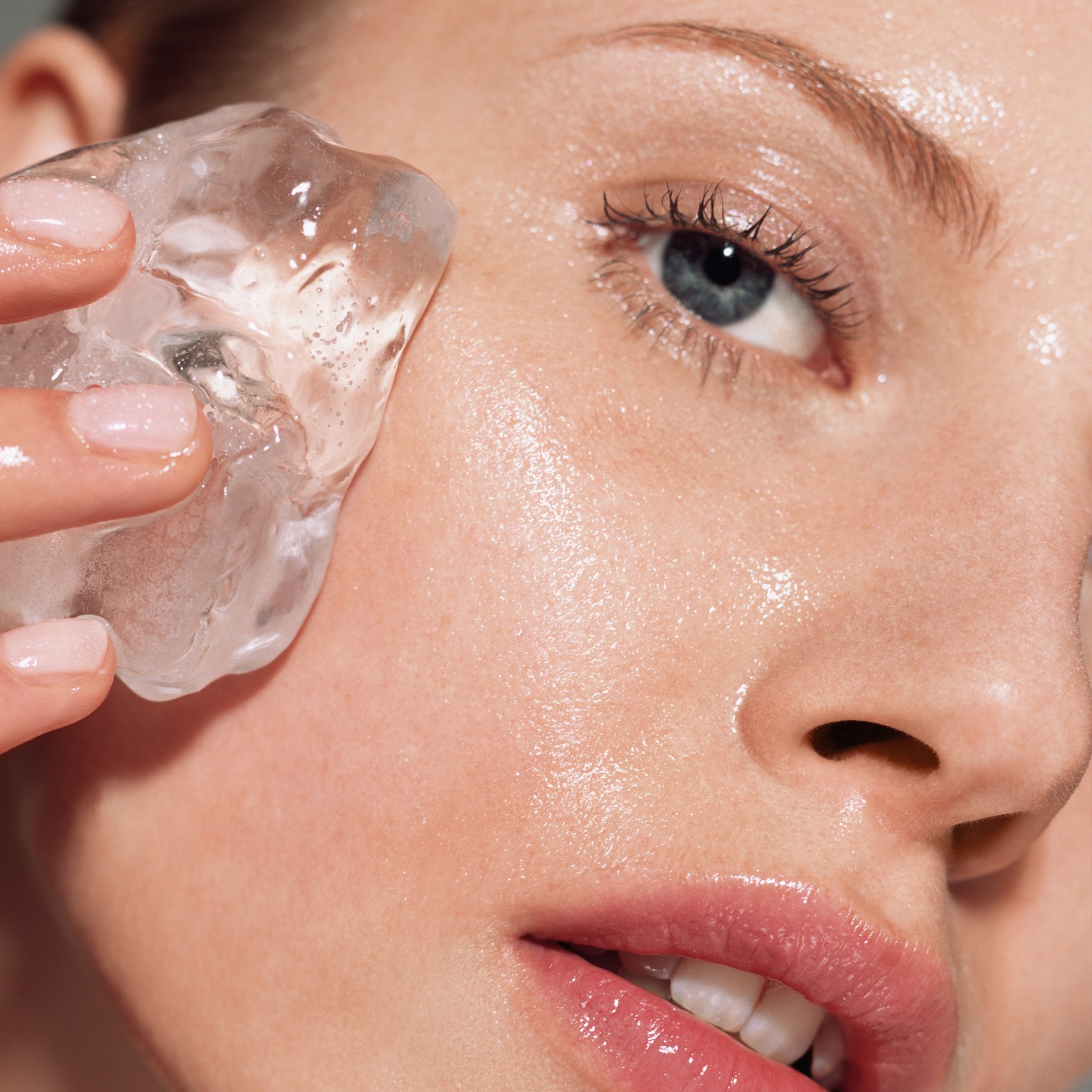
Cooling skincare is officially one of the biggest K-beauty trends of 2026, and dermatologists agree it is much more than a seasonal gimmick. As global temperatures continue to rise, Korean beauty brands are leading the charge with innovative cooling gels, cryotherapy-inspired serums, and temperature-adaptive textures designed to instantly lower skin temperature, reduce visible redness, and strengthen the skin barrier against environmental heat stress. According to data from Trendier and BeautyMatter's 2026 K-Beauty Forecast, search volume for "cooling skincare" and "skin heat relief" products has surged dramatically, making climate-adaptive beauty one of the most data-backed trends reshaping the global skincare market this year.
Why Cooling Skincare Is Trending in 2026
The rise of cooling skincare in 2026 is not a coincidence. It is a direct response to a measurable problem: rising global temperatures driven by climate change are fundamentally altering how our skin behaves. Heat triggers vasodilation, which leads to increased redness, inflammation, and sensitivity. Prolonged heat exposure accelerates transepidermal water loss (TEWL), weakens the skin barrier, and can worsen conditions like rosacea, eczema, and acne.
Korean skincare brands, known for their data-driven approach to product development, recognized this shift early. BeautyMatter's 2026 K-Beauty Forecast identified Cooling Care as one of seven data-backed trends reshaping global skincare. The report notes that consumers are actively seeking products that address "heat sensation" and "redness relief" as core functional claims, not just a pleasant sensory experience.
"Soothing and calming skincare products can be great for those with rosacea, eczema, or sensitive skin to help support the skin barrier, calm irritation, and reduce redness," board-certified dermatologists have confirmed. The clinical rationale is straightforward: cooling the skin constricts blood vessels temporarily, reducing visible redness and inflammation while active ingredients penetrate more effectively.
The Science Behind Cooling Skincare: How It Actually Works
Understanding why cooling skincare works requires a quick look at skin physiology. When skin temperature rises, blood vessels near the surface dilate to release heat, a process called vasodilation. This is what causes the flushing, redness, and that uncomfortable "hot face" feeling during summer months or after exercise.
Cooling skincare products counteract this through two primary mechanisms. First, the physical cooling effect triggers vasoconstriction, which temporarily narrows blood vessels and reduces visible redness. Second, key cooling ingredients like menthol and camphor activate TRPM8 receptors in the skin, which are the same thermoreceptors responsible for detecting cold temperatures. This creates a genuine cooling sensation that goes beyond surface-level refreshment.
Additionally, many cooling formulas incorporate anti-inflammatory actives that address the underlying causes of heat-induced skin stress. Ingredients like centella asiatica (cica), aloe vera, allantoin, and panthenol calm inflammation at the cellular level, supporting the skin barrier while the cooling effect provides immediate sensory relief. As we explored in our guide to ectoin skincare, stress-protection molecules like ectoin also play a critical role in shielding skin cells from thermal stress, making them natural allies in cooling formulations.
Top Cooling Skincare Ingredients Dermatologists Recommend
Not all cooling ingredients are created equal. Dermatologists recommend focusing on ingredients that deliver genuine physiological benefits beyond a temporary chill. Here are the most effective cooling skincare ingredients for 2026:
Centella Asiatica (Cica): The gold standard of K-beauty soothing ingredients, cica contains madecassoside and asiaticoside, which reduce inflammation, promote collagen synthesis, and accelerate wound healing. In cooling formulations, cica provides the therapeutic backbone that makes the cooling effect clinically meaningful rather than purely cosmetic.
Menthol and Peppermint: These classic cooling agents activate TRPM8 cold receptors, creating an immediate cooling sensation. However, dermatologists caution that high concentrations can irritate sensitive skin. Look for products that use controlled concentrations paired with soothing buffers.
Aloe Vera: A time-tested cooling ingredient that contains acemannan, a polysaccharide that modulates the immune response and accelerates tissue repair. Aloe vera's natural gel texture also creates a physical cooling barrier on the skin surface.
Cucumber Extract: Rich in vitamins C and K, cucumber extract provides mild astringent properties alongside its cooling effect. It is particularly effective for reducing puffiness around the eye area.
Allantoin and Panthenol: These two ingredients are dermatologist favorites for calming and soothing sensitive or irritated skin. Allantoin promotes cell proliferation and tissue repair, while panthenol (provitamin B5) strengthens the skin barrier and locks in moisture.
Green Tea (EGCG): The catechins in green tea, particularly epigallocatechin gallate, are powerful antioxidants with anti-inflammatory properties. When combined with cooling delivery systems, green tea extract provides both thermal relief and long-term protection against UV-induced free radical damage.
Best Cooling Skincare Products for 2026
The 2026 cooling skincare market is packed with innovative products across multiple categories. Here are the standout products that dermatologists and beauty editors are recommending:
Dr.Jart+ Cicapair Cooling Gel Moisturizer: This is arguably the gold standard of cooling moisturizers in 2026. The lightweight gel cream features an advanced Cica Complex combined with CoolSonic technology for enhanced absorption. Clinical testing shows it repairs the skin barrier by 65% in one hour, instantly reduces visible redness by 12%, and improves hydration by 27% after a single use. At around $38 for 50ml, it delivers clinical-grade results at a consumer-friendly price point.
JOAH Heal Me CICA Cooling Gel Mist: This versatile mist format is perfect for on-the-go cooling relief. Infused with centella asiatica, mint, and aloe vera, it reduces the look of redness while providing a burst of cooling hydration. The mist format makes it ideal for reapplication over sunscreen during hot days.
Dr.Gentle CICA Cooling Gel Moisturizer: A lightweight, fast-absorbing gel formulated with Centella Asiatica Leaf Water and growth factors (EGF, FGF, and IGF) to soothe irritated skin. This is a particularly strong choice for post-sun exposure care.
Meebak Cica Gel Face Moisturizer: This budget-friendly option combines hyaluronic acid with cica for instant cooling hydration. The water-cream texture absorbs quickly without leaving a sticky residue, making it an excellent choice for oily and combination skin types.
Sofie Pavitt Face Chill Toner Ice Cubes: One of the most innovative products of 2026, these toner-infused ice cubes bring cryotherapy concepts to at-home skincare. You simply pop out a cube and glide it across your face for an intense cooling treatment. This product has gone viral on TikTok, where ice water facials have become a trending skincare ritual.
For those interested in layering cooling products into a complete K-beauty routine, dermatologists recommend applying cooling products after cleansing and toning, when the skin is most receptive to active ingredients.
How to Build a Cooling Skincare Routine for Summer 2026
Building an effective cooling skincare routine is about strategic layering, not just adding cooling products randomly. Here is a dermatologist-aligned approach to incorporating cooling care into your daily regimen:
Step 1 - Double Cleanse with a Cooling Twist: Use a gentle oil cleanser followed by a water-based cleanser. Store your second cleanser in the refrigerator for an extra cooling effect during your evening routine.
Step 2 - Cooling Toner or Mist: Apply a cica-based cooling toner or mist to damp skin. This preps the skin for subsequent products while providing the first layer of thermal relief. Products like the JOAH Cooling Gel Mist work well here.
Step 3 - Targeted Treatment Serum: Apply your active serum of choice. If you are using potent actives like spicule-based serums or retinoids, the cooling prep from Step 2 can help minimize potential irritation.
Step 4 - Cooling Gel Moisturizer: Lock everything in with a cooling gel moisturizer like the Dr.Jart+ Cicapair Cooling Gel. The gel texture is key here because it provides hydration without the occlusive heaviness that can feel suffocating in hot weather.
Step 5 - SPF (Non-Negotiable): Finish with a lightweight, preferably cooling sunscreen. Korean brands are leading innovation here with hybrid tinted-cooling SPF cushions that provide sun protection with a refreshing sensory experience.
Pro Tip: Keep a cooling mist in your bag for midday reapplication. The mist format allows you to refresh your skin and reactivate your SPF without disturbing your makeup.
Cooling Skincare for Specific Skin Concerns
One of the most compelling aspects of the cooling skincare trend is its versatility across different skin types and concerns. Here is how to tailor your approach:
For Rosacea-Prone Skin: Cooling products are particularly beneficial because they counteract the vasodilation that triggers rosacea flares. Stick to fragrance-free formulas with cica and allantoin. Avoid menthol, which can be too stimulating for rosacea-prone complexions.
For Acne-Prone Skin: Heat and humidity increase sebum production and bacterial proliferation, making cooling care a strategic ally against breakouts. Look for cooling gels with niacinamide and salicylic acid that regulate oil while providing thermal relief.
For Aging Concerns: As we covered in our skin longevity guide, chronic inflammation accelerates skin aging. Cooling products that reduce inflammation can be a valuable addition to any anti-aging strategy, especially during summer months when heat and UV exposure compound inflammatory stress.
For Post-Procedure Skin: Anyone who has undergone laser treatments, chemical peels, or microneedling knows the value of cooling the skin during recovery. Cooling gels with centella asiatica and panthenol can accelerate post-procedure healing while providing comfort. Many Korean dermatology clinics now incorporate cooling care as a standard part of post-procedure protocols.
The K-Beauty Innovation Edge: What Makes Korean Cooling Products Different
Korean beauty brands are not simply adding menthol to existing products and calling it cooling skincare. The innovation happening in Korean cooling care goes significantly deeper. According to the K-Beauty Ingredients Encyclopedia, Korean brands are pioneering several novel approaches:
Temperature-Adaptive Textures: K-beauty brands are developing formulations that physically change texture in response to skin temperature. These products feel denser when applied to cool skin and become more fluid and refreshing when applied to warm, overheated skin.
Cryo-Encapsulation Technology: Some brands are using encapsulation to create time-released cooling sensations that last for hours rather than minutes. This represents a significant leap beyond traditional menthol-based cooling.
Cooling Device Integration: Korean skincare brands are designing products to work synergistically with at-home cooling devices like cryotherapy wands, ice globes, and LED cooling masks. This device-plus-product ecosystem is a distinctly Korean approach to skincare that reflects the market's emphasis on multi-step efficacy.
Fermented Cooling Actives: Combining K-beauty's expertise in fermented ingredients with cooling delivery systems, brands like hanbang-inspired lines are creating products that use fermented bamboo sap and lotus extract for cooling effects that also deliver probiotic benefits to the skin microbiome.
Expert Insights: What Dermatologists Really Think About Cooling Skincare
While the cooling skincare trend has generated significant consumer enthusiasm, dermatologists offer a nuanced perspective that is worth considering before overhauling your routine.
The consensus among board-certified dermatologists is that cooling skincare provides genuine clinical benefits, primarily through its anti-inflammatory and vasoconstricting effects. However, they emphasize that the cooling sensation itself is not the therapeutic mechanism. It is the active ingredients in the formula that deliver long-term skin health improvements.
Dermatologists also caution against extreme cooling. While ice water facials trending on TikTok may feel refreshing, applying ice directly to the skin can cause cold burns and damage capillaries. Professional-grade cooling products are formulated to deliver a controlled, safe level of cooling that provides benefits without risk.
The bottom line from dermatologists: cooling skincare is a legitimate trend with real science behind it, but it should complement your core routine (cleanser, active treatment, moisturizer, SPF) rather than replace it. Think of cooling care as a seasonal upgrade to your existing regimen, not a standalone solution.
You May Also Like
- Ectoin Skincare 2026: The Stress-Protection Molecule Your Skin Barrier Needs
- Spicule Skincare 2026: Why Microneedling in a Bottle Is K-Beauty's Hottest Trend
- Skin Longevity 2026: Why Dermatologists Say It Replaces Anti-Aging
- Hanbang Skincare 2026: K-Beauty's High-Tech Herbal Revolution
- K-Beauty Complete Guide 2026: Your Ultimate Korean Skincare Handbook
FAQ
Q: What is cooling skincare, and why is it trending in 2026?
A: Cooling skincare refers to products formulated with temperature-lowering ingredients and technologies that reduce skin temperature, calm redness, and soothe inflammation. It is trending in 2026 as a direct response to rising global temperatures and increased consumer demand for climate-adaptive beauty products. K-beauty brands are leading this trend with data-backed formulations that address heat sensation and redness relief as core functional benefits.
Q: Is cooling skincare just a summer trend, or can I use it year-round?
A: While cooling skincare is especially beneficial during summer months when heat-induced skin stress peaks, many cooling products provide year-round benefits. Ingredients like centella asiatica, aloe vera, and panthenol offer anti-inflammatory and barrier-repair properties that are valuable regardless of season. If you have rosacea or naturally reactive skin, cooling products can be a permanent part of your routine.
Q: Are cooling skincare products safe for sensitive skin?
A: Most cooling skincare products are specifically designed for sensitive and reactive skin types. However, those with very sensitive skin should avoid products with high concentrations of menthol or peppermint, which can cause irritation. Instead, opt for cooling products based on centella asiatica, allantoin, and aloe vera, which provide a gentle cooling effect without the risk of sensitization.
Q: Can I combine cooling skincare with retinol or other active ingredients?
A: Yes, cooling skincare products can actually complement active treatments like retinol, vitamin C, and chemical exfoliants. The anti-inflammatory properties of cooling ingredients can help mitigate the irritation that sometimes accompanies potent actives. Apply your active treatment first, wait a few minutes, then layer your cooling moisturizer on top for a soothing, protective finish.
Q: What are the best Korean cooling skincare products to try in 2026?
A: The top Korean cooling skincare products for 2026 include the Dr.Jart+ Cicapair Cooling Gel Moisturizer (clinically proven to reduce redness by 12%), JOAH Heal Me CICA Cooling Gel Mist (ideal for on-the-go use), Dr.Gentle CICA Cooling Gel Moisturizer (great for post-sun care), and Meebak Cica Gel (a budget-friendly option with hyaluronic acid). For a more intensive treatment, Sofie Pavitt Face Chill Toner Ice Cubes bring cryotherapy concepts to at-home skincare.
The Bottom Line
Cooling skincare in 2026 represents something bigger than a fleeting beauty trend. It is the beauty industry's response to a fundamental shift in environmental conditions, and K-beauty brands are at the forefront of this innovation with data-backed, clinically meaningful products. Whether you are managing rosacea, looking for summer heat relief, or simply want to add an anti-inflammatory boost to your routine, cooling skincare offers real, dermatologist-endorsed benefits that go far beyond a pleasant chill.
The key is to choose products with proven cooling ingredients like centella asiatica, allantoin, and panthenol rather than relying solely on menthol-based cooling that can irritate sensitive skin. Build cooling care into your existing routine as a strategic seasonal upgrade, and you will be rewarded with calmer, less reactive, and more resilient skin all summer long.
Sources: BeautyMatter, Marie Claire, Beauty Independent, Stellis Health


댓글
댓글 쓰기