Hanbang Skincare 2026: K-Beauty's High-Tech Herbal Revolution
Hanbang Skincare 2026: K-Beauty's High-Tech Herbal Revolution
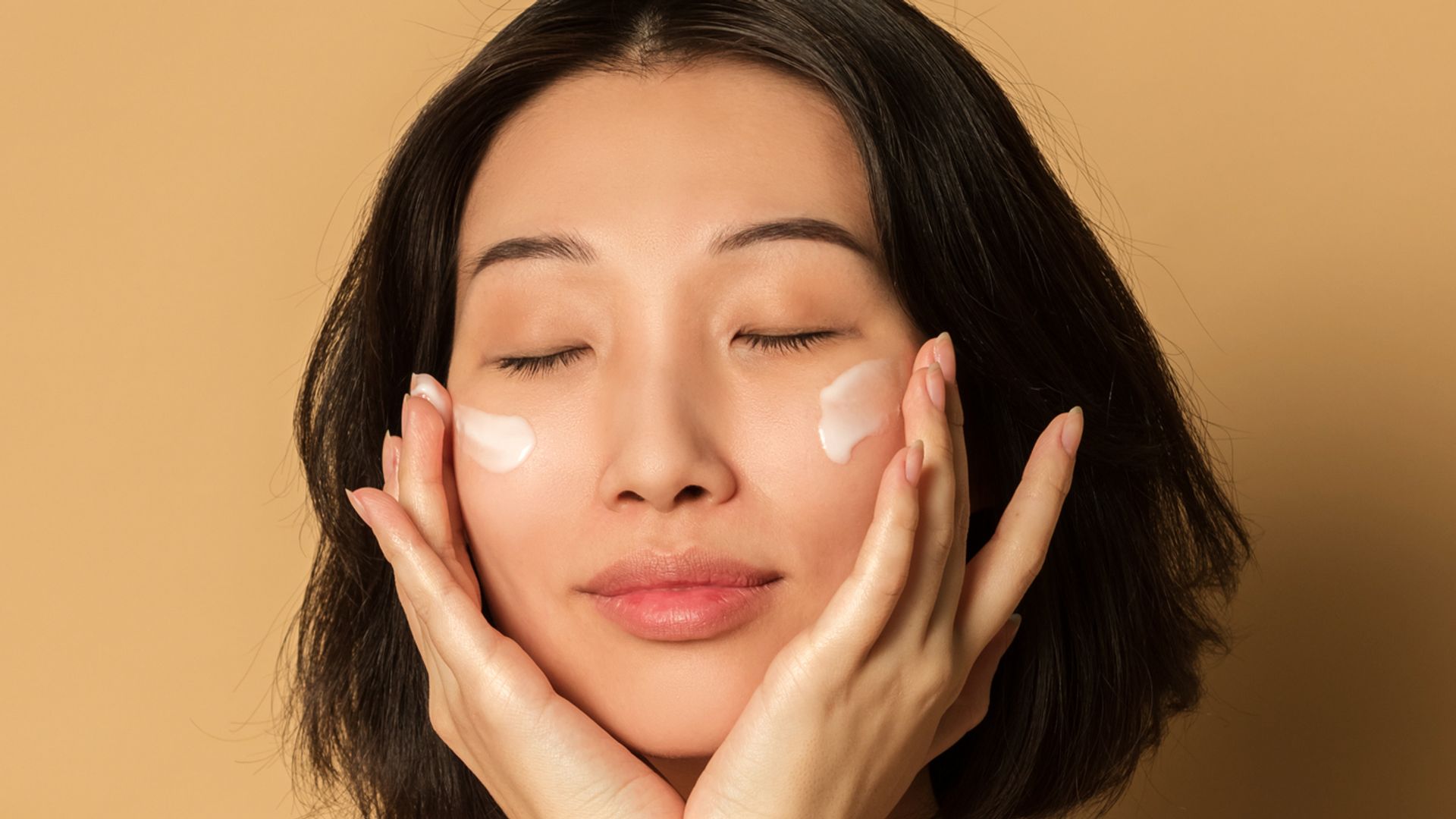
Hanbang skincare 2026 is reshaping the global beauty landscape as ancient Korean herbal medicine ingredients undergo a remarkable high-tech transformation. Once confined to luxury spa treatments and grandmother's home remedies, traditional Korean medicinal herbs like ginseng, mugwort, and bamboo sap are now being supercharged with cutting-edge biotech delivery systems, including lipid nanoparticle encapsulation, peptide conjugation, and fermentation science. The result is a new generation of K-beauty products that combine centuries of Eastern herbal wisdom with clinically proven modern formulation technology, and the global beauty industry is taking notice.
According to trend forecasting data, searches for "hanbang skincare" have surged dramatically in early 2026, driven by consumers who are increasingly skeptical of synthetic-only approaches and eager for products that offer both tradition-rooted credibility and measurable clinical results. South Korea's cosmetics exports reached a record US$11.43 billion in 2025, surpassing France as the largest cosmetics exporter to the United States, and hanbang-inspired formulations are a significant driver of that growth.
What Is Hanbang and Why Is It Trending in 2026?
Hanbang (韓方) refers to Traditional Korean Medicine, a holistic healing system that has been practiced for over 2,000 years. Unlike Western medicine, which typically targets specific symptoms, hanbang takes a whole-body approach to rebalancing interconnected systems. In skincare, this translates to formulations designed not just to treat surface-level concerns but to restore the skin's fundamental equilibrium from within.
The key distinction of hanbang skincare 2026, however, is what industry insiders are calling "Hanbang 2.0." This new generation moves beyond simply adding herbal extracts to creams and serums. Instead, it applies pharmaceutical-grade delivery technologies to maximize the bioavailability of traditional ingredients. The modernized approach pairs time-tested botanicals like ginseng, mugwort, and bamboo sap with advanced peptides, exosome technology, and encapsulation systems that dramatically improve ingredient stability and skin penetration.
As we explored in our K-Beauty Ingredients Encyclopedia 2026, Korean skincare innovation continues to lead the global market. Hanbang 2.0 represents the latest chapter in that ongoing story of scientific advancement.
Ginseng: The Crown Jewel of Hanbang Gets a Biotech Upgrade
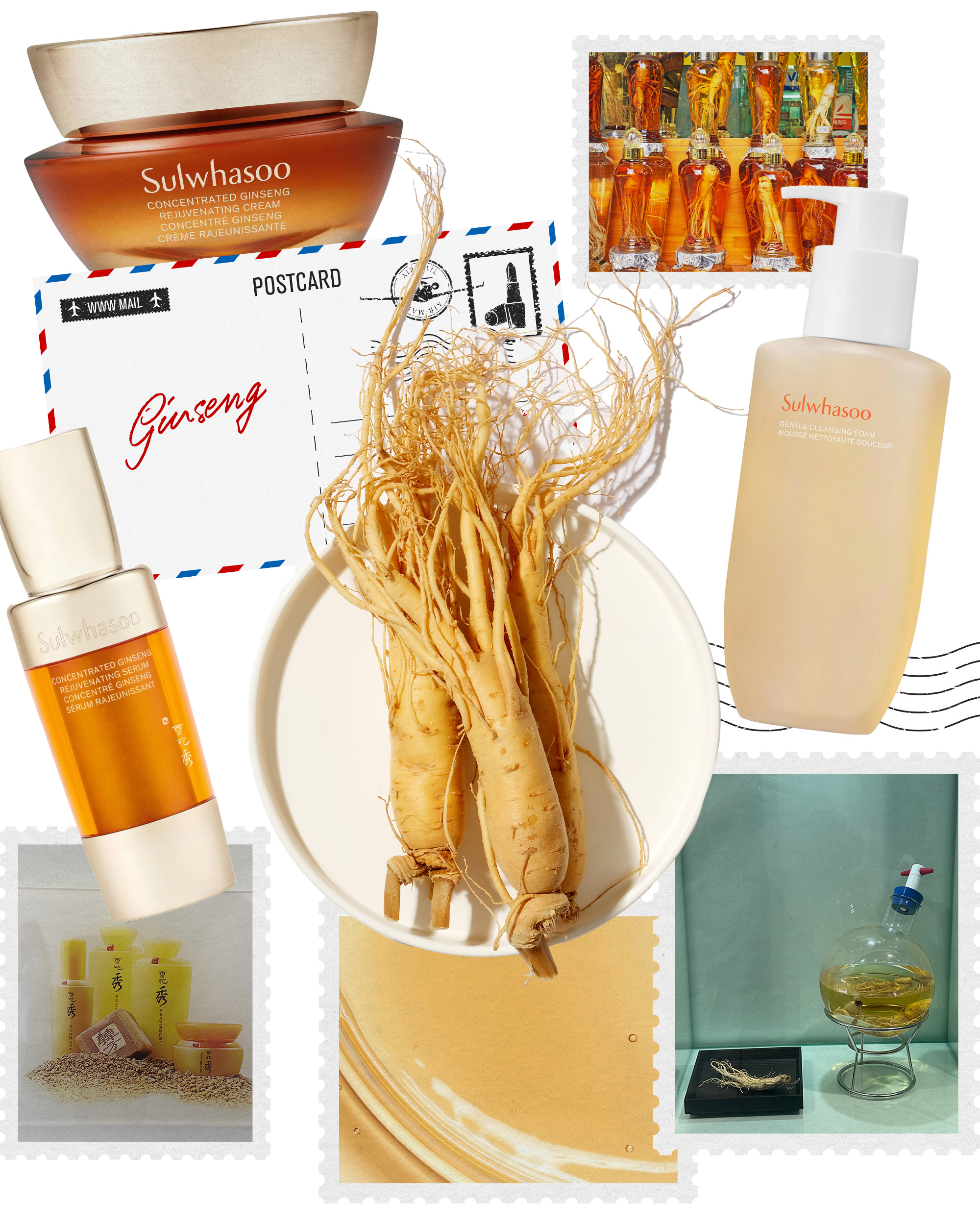
Korean red ginseng (Panax ginseng) has been the cornerstone of Korean herbal medicine for millennia. Its active compounds, called ginsenosides, have been extensively studied and shown to promote collagen synthesis, reduce oxidative stress, and improve skin elasticity. But the challenge has always been delivery: ginsenosides are relatively large molecules that struggle to penetrate the skin's outermost barrier, the stratum corneum.
That is where the 2026 innovation comes in. Amorepacific, the parent company of luxury hanbang brand Sulwhasoo, invested five years developing a patented "micro-encapsulation" system that wraps ginsenoside molecules in lipid nanoparticles approximately 100 nanometers in diameter. These nanoparticles can penetrate through the stratum corneum to reach the dermis, where ginsenosides are most biologically active.
The results are significant. A 2025 study published in the International Journal of Cosmetic Science compared encapsulated ginseng extract versus non-encapsulated ginseng extract applied to the forearms of 40 participants over 8 weeks. The encapsulated version showed 43% greater improvement in skin elasticity and 31% greater improvement in hydration, using the exact same concentration of active ingredient.
In February 2026, Sulwhasoo launched its Concentrated Ginseng Rejuvenating Cleansing Foam ($65), featuring their proprietary Ginseng Peptide technology. The collection now includes five new products (serum, ampoule, essence, toner, and eye cream), all built on over 60 years of continuous ginseng research and fortified with upgraded formulations.
For those seeking a more accessible entry point, Beauty of Joseon offers its Revive Serum combining 63% ginseng root water with 3% snail mucin at under $15. As covered in our Anti-Aging Skincare Guide 2026, the combination of traditional actives with modern science represents the most promising frontier in affordable anti-aging skincare.
Mugwort: The Unsung Hero of Korean Bathhouses Goes Global
Mugwort, known as "ssuk" in Korean, has been a staple of Korean wellness culture for centuries. In traditional jjimjilbangs (Korean bathhouses), bundles of dried mugwort are added to steam rooms for their calming, anti-inflammatory properties. In hanbang medicine, mugwort has been used to treat skin irritation, promote wound healing, and reduce inflammation.
In 2026, mugwort is experiencing a renaissance in K-beauty formulations. Brands like I'M FROM have established themselves as mugwort specialists, with the I'M FROM Mugwort Essence remaining one of the most recommended starter products for anyone entering the hanbang skincare space. The essence contains 91.45% mugwort extract sourced from the Ganghwa Island region, known for producing the highest quality mugwort in Korea.
What makes 2026 mugwort products different from previous generations is the pairing with modern actives. Brands like Roundlab and Abib are now combining mugwort extract with peptides, short chains of amino acids that signal skin cells to produce more collagen and elastin. This combination addresses both the calming and anti-inflammatory benefits of mugwort and the structural rebuilding capabilities of peptides, creating a two-pronged approach to skin repair.
Mugwort is particularly relevant for consumers with sensitive or reactive skin, as it provides soothing benefits without the irritation potential of stronger actives like retinol or vitamin C. Dermatologists note that mugwort's natural antimicrobial properties also make it an excellent choice for acne-prone skin types that need gentle, non-stripping formulations.
The Encapsulation Revolution: Why Delivery Technology Matters More Than Ingredients
The single biggest technological advancement driving hanbang skincare 2026 is encapsulation: the process of wrapping active ingredients in microscopic protective shells that control where and how the ingredient is released in the skin. This is the bridge between traditional herbal wisdom and modern pharmaceutical science.
There are several types of encapsulation being used in 2026 K-beauty products:
- Lipid nanoparticles: Used by Sulwhasoo for ginsenoside delivery, these mimic the skin's natural lipid structure for optimal penetration
- Liposomal encapsulation: Commonly used for mugwort and bamboo sap extracts, liposomes protect sensitive botanical compounds from oxidation
- Cyclodextrin encapsulation: A newer method that uses sugar-based molecular cages to stabilize volatile herbal compounds
- Fermentation-enhanced delivery: Fermented hanbang extracts have naturally smaller molecular weights, improving absorption without additional encapsulation
The practical impact for consumers is straightforward: the same ginseng or mugwort extract that previously sat on the skin surface and evaporated can now be delivered precisely where it needs to go. This advancement explains why hanbang skincare 2026 products are delivering clinical results that were previously only achievable with injectable treatments.
This biotech-driven approach aligns with the broader K-beauty trend toward "medicosmetics," as we documented in our coverage of PDRN skincare and exosome skincare. Korean R&D continues to blur the line between cosmetics and clinical therapeutics.
Best Hanbang Skincare Products to Try in 2026
Whether you are a hanbang newcomer or a longtime devotee, here are the standout products defining Korean herbal skincare in 2026:
Luxury Tier:
- Sulwhasoo Concentrated Ginseng Rejuvenating Serum EX (approx. $200): The gold standard. Features patented micro-encapsulated ginsenosides with five types of peptides for maximum anti-aging efficacy
- Sulwhasoo Concentrated Ginseng Rejuvenating Cream ($250): Rich, nourishing formula with fortified Ginseng Peptide technology for visible wrinkle reduction and barrier strengthening
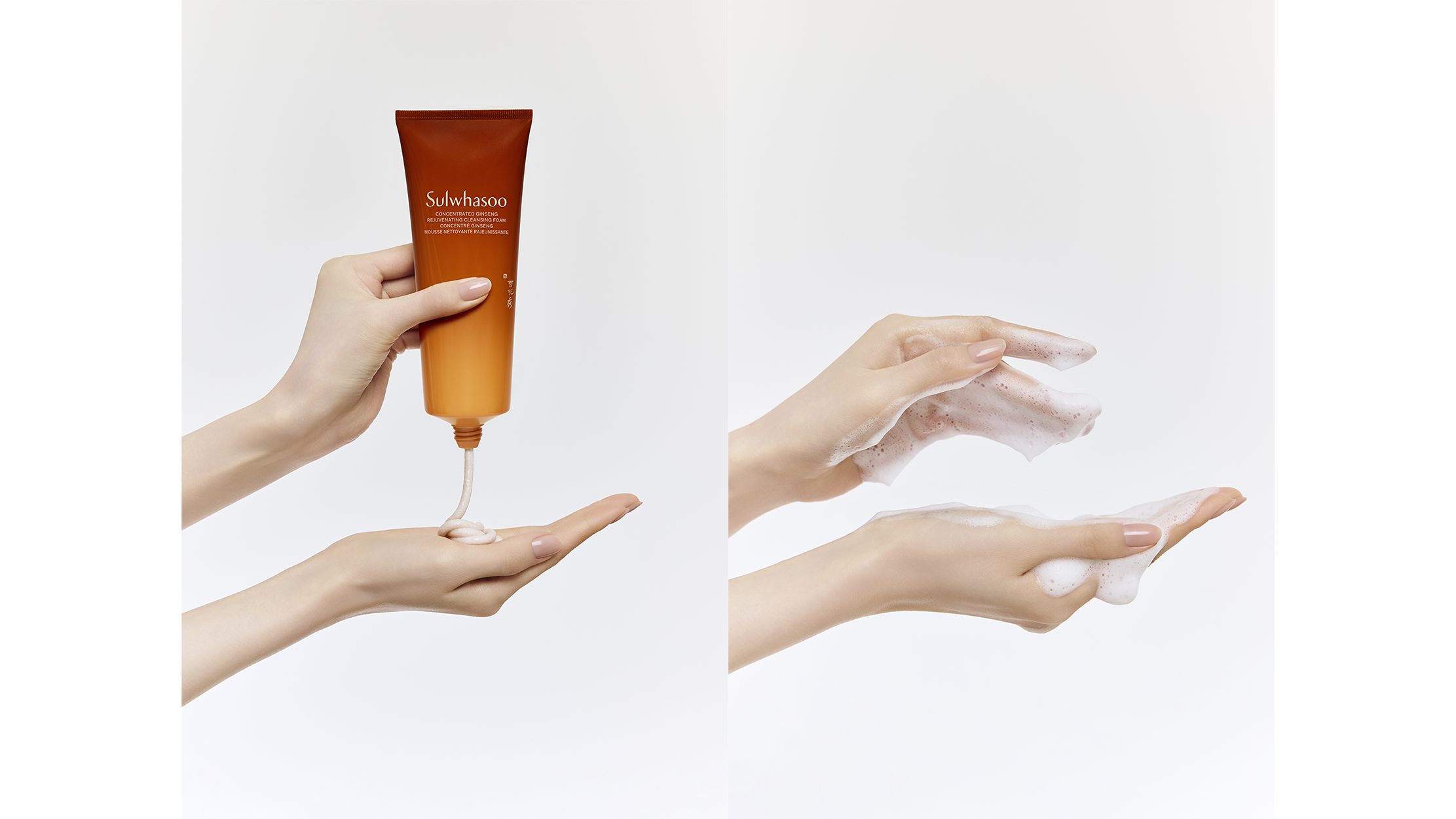
- Sulwhasoo Concentrated Ginseng Rejuvenating Cleansing Foam ($65): The newest addition, featuring Dual Elastic Bubble Technology for thorough yet gentle cleansing
Mid-Range:
- I'M FROM Mugwort Essence ($28): 91.45% mugwort extract from Ganghwa Island. The classic introduction to hanbang skincare for sensitive and irritated skin
- Roundlab Mugwort Calming Cream ($22): Combines mugwort with peptides for soothing and structural support
Budget-Friendly:
- Beauty of Joseon Revive Serum: Ginseng + Snail Mucin ($14): 63% ginseng root water combined with 3% snail mucin for hydration and elasticity at an accessible price point
- Beauty of Joseon Dynasty Cream ($16): Rich, nourishing hanbang moisturizer that absorbs quickly without greasiness
- Beauty of Joseon Ginseng Essence Water ($15): Lightweight toner with a dewy finish for daily hanbang benefits
For a comprehensive comparison of these products and other trending ingredients, check out our K-Beauty Complete Guide 2026.
What Dermatologists Say About Hanbang Skincare
The dermatological community has taken notice of the clinical evidence emerging around modernized hanbang ingredients. While traditional hanbang formulations were often dismissed by Western dermatologists as lacking rigorous clinical validation, the new generation of encapsulated and peptide-enhanced products is generating peer-reviewed data that is harder to ignore.
Ginsenosides, the primary actives in ginseng, have demonstrated significant effects in multiple clinical studies, including enhancement of collagen synthesis, skin elasticity improvement, and wrinkle reduction through activation of purinergic A2A receptors. Research indicates that PDRN and ginseng treatments combined can increase collagen synthesis by 25-35% over 8-12 weeks.
Mugwort extract has shown anti-inflammatory effects comparable to low-concentration hydrocortisone in some studies, making it a compelling natural alternative for conditions like eczema, rosacea, and contact dermatitis. Its antimicrobial properties also make it effective against acne-causing bacteria without the drying effects of benzoyl peroxide.
Dermatologists generally recommend starting with one hanbang product at a time to assess skin tolerance. For most consumers, a ginseng-based serum or a mugwort essence makes an excellent starting point before building a more comprehensive hanbang routine.
How to Build a Hanbang Skincare Routine in 2026
Incorporating hanbang products into your existing skincare routine does not require a complete overhaul. Here is a practical approach for beginners:
Morning Routine:
- Gentle cleanser (or Sulwhasoo Ginseng Cleansing Foam for a hanbang-first approach)
- Beauty of Joseon Ginseng Essence Water as toner
- Existing vitamin C serum or treatment
- Moisturizer
- SPF
Evening Routine:
- Double cleanse (oil cleanser + foam cleanser)
- I'M FROM Mugwort Essence for calming after daytime environmental stress
- Beauty of Joseon Revive Serum (Ginseng + Snail Mucin) for overnight regeneration
- Beauty of Joseon Dynasty Cream or Sulwhasoo Ginseng Cream as final moisturizing step
The beauty of hanbang skincare is its compatibility with other active ingredients. Ginseng and mugwort work well alongside retinoids, niacinamide, and hyaluronic acid, making them easy to integrate into virtually any existing routine.
You May Also Like
- PDRN Skincare 2026: Why Salmon DNA Is K-Beauty's Hottest Anti-Aging Ingredient
- Exosome Skincare 2026: How This Biotech Ingredient Is Rewriting the Rules of Anti-Aging
- Spicule Skincare 2026: Why 'Microneedling in a Bottle' Is K-Beauty's Hottest New Trend
- K-Beauty Ingredients Encyclopedia 2026: Every Trending Skincare Active Explained
- Anti-Aging Skincare Guide 2026: Science-Backed Ingredients, Routines, and Expert Strategies
FAQ
Q: What is hanbang skincare and how is it different from regular K-beauty?
A: Hanbang skincare is based on Traditional Korean Medicine (TKM), using herbal ingredients like ginseng, mugwort, bamboo sap, and green tea that have been used for over 2,000 years. Unlike regular K-beauty products that may use synthetic or Western-derived actives, hanbang formulations draw on centuries of herbal medicine knowledge. In 2026, "Hanbang 2.0" combines these traditional ingredients with modern biotech delivery systems like encapsulation and peptide conjugation for clinically proven results.
Q: Is hanbang skincare good for sensitive skin?
A: Yes. Many hanbang ingredients, particularly mugwort and bamboo sap, are known for their calming, anti-inflammatory properties. Mugwort has shown anti-inflammatory effects comparable to low-concentration hydrocortisone in clinical studies. Products like I'M FROM Mugwort Essence are specifically designed for sensitive and reactive skin types. However, as with any skincare product, patch testing is recommended before incorporating new ingredients into your routine.
Q: What are the best hanbang skincare brands in 2026?
A: The top hanbang skincare brands span multiple price points. Sulwhasoo leads the luxury segment with its patented ginseng encapsulation technology. Beauty of Joseon offers the best value with products under $20 that combine ginseng with modern actives like snail mucin. I'M FROM specializes in single-ingredient hanbang products, particularly their mugwort line. Roundlab and Abib are newer brands innovating with mugwort-peptide combinations.
Q: Can I mix hanbang skincare products with retinol or vitamin C?
A: Absolutely. Hanbang ingredients like ginseng and mugwort are generally compatible with most active ingredients, including retinoids, vitamin C, niacinamide, and hyaluronic acid. In fact, mugwort's anti-inflammatory properties can help buffer the irritation sometimes caused by retinol, making them a complementary pairing. Dermatologists suggest using mugwort products in the evening alongside retinol and ginseng products in the morning for antioxidant protection.
Q: Is hanbang skincare backed by clinical research?
A: Increasingly so. While traditional hanbang relied on centuries of observational evidence, modern formulations are generating peer-reviewed clinical data. Ginsenosides have been shown to promote collagen synthesis and improve skin elasticity through A2A receptor activation. A 2025 study found that encapsulated ginseng extract improved skin elasticity by 43% more than non-encapsulated versions. Mugwort has demonstrated anti-inflammatory and antimicrobial properties in controlled studies. Amorepacific alone has published over 100 research papers on ginseng skincare science.
The Bottom Line
Hanbang skincare 2026 represents one of the most exciting convergences in the beauty industry: the marriage of 2,000 years of Korean herbal medicine tradition with 21st-century biotech innovation. With encapsulation technology, peptide enhancement, and fermentation science transforming how traditional ingredients are delivered to the skin, the clinical results are now matching the cultural legacy.
Whether you invest in Sulwhasoo's luxury ginseng technology or start with Beauty of Joseon's affordable herbal serums, incorporating hanbang ingredients into your routine means tapping into a skincare philosophy that treats the skin as part of a whole-body ecosystem, not just a surface to be treated. As K-beauty continues to lead global skincare innovation, hanbang 2.0 may well be the most enduring trend of 2026.
Sources: HELLO! Magazine, Who What Wear, Cosmetics Business, TheIndustry.beauty, PhotoBook Magazine


댓글
댓글 쓰기