Ozempic Face Skincare 2026: Best Products and Ingredients to Fix GLP-1 Facial Volume Loss
Ozempic Face Skincare 2026: Best Products and Ingredients to Fix GLP-1 Facial Volume Loss
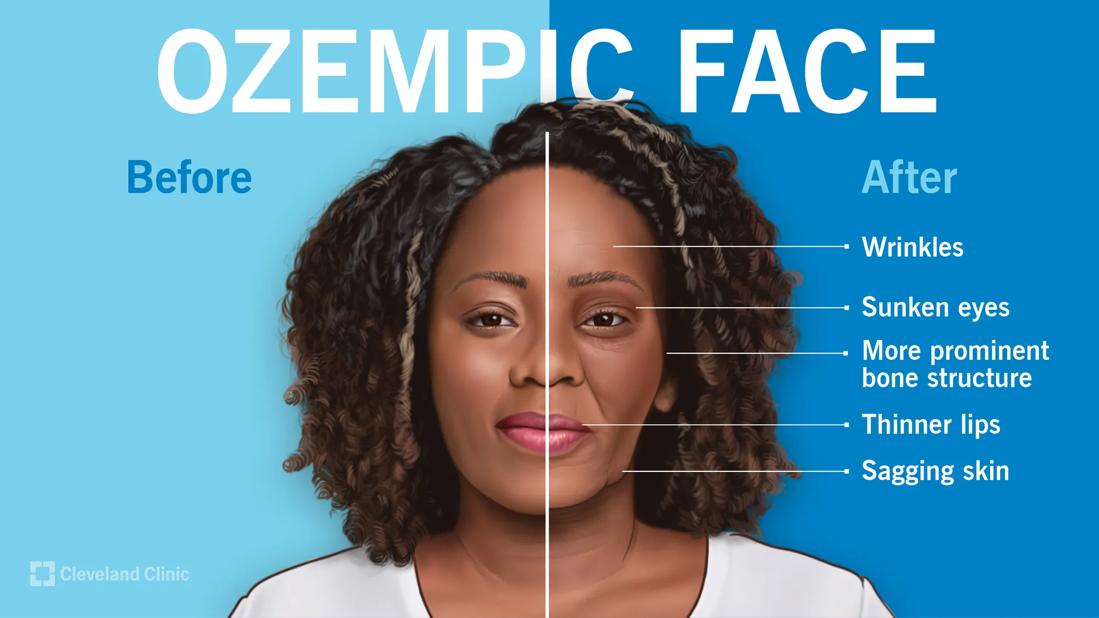
Ozempic face has become one of the most searched skincare concerns of 2026, as roughly one in eight American adults now takes a GLP-1 medication for weight management. The rapid weight loss these drugs deliver is life-changing for many patients, but it comes with an unwanted side effect: facial volume loss that can make you look years older almost overnight. Dermatologists, cosmetic chemists, and skincare brands are racing to address this new category of concern with targeted products and science-backed ingredients. Here is everything you need to know about Ozempic face skincare in 2026, including the best products, key active ingredients, professional treatments, and prevention strategies recommended by board-certified dermatologists.
What Exactly Is Ozempic Face?
"Ozempic face" is a term coined by New York dermatologist Dr. Paul Frank to describe the gaunt, hollowed facial appearance that can develop during rapid weight loss on GLP-1 receptor agonist medications such as Ozempic (semaglutide), Wegovy, and Mounjaro (tirzepatide). According to Dr. Vinni Makin, an endocrinologist at Cleveland Clinic, "the term refers to changes in the face that can happen with rapid weight loss," including sunken cheeks, deepened nasolabial folds, prominent under-eye hollows, temple depressions, and increased skin laxity around the jawline and neck.
The mechanism is straightforward: when you lose weight quickly, you lose subcutaneous fat from your face alongside body fat. This facial fat sits in specialized compartments called buccal fat pads, malar fat pads, and temporal fat pads. Once these shrink, the skin that previously stretched over them begins to sag, creating a deflated appearance. As Dr. Sheila Farhang, a board-certified dermatologist in Tucson, explains, "what we are seeing is not just general weight loss; it is accelerated, targeted loss of facial fat pads in some patients taking GLP-1 medications."
Making matters worse, rapid weight loss also reduces collagen density and damages elastic fibers in both the papillary and reticular dermis. One dermatologist likened the resulting skin quality to "an old, overused rubber band" that has lost its snap-back capacity. Age is a significant compounding factor: patients over 40 tend to experience more pronounced Ozempic face because their baseline collagen reserves are already declining.
Why This Became a Major Skincare Category in 2026
The numbers tell the story. A YouGov poll commissioned by the National Pharmacy Association projects that more than twice the number of UK adults will use weight-loss injections in 2026 compared to the 1.5 million who used them monthly in 2025. In the United States, 8 to 10 percent of adults currently use GLP-1 medications, and 30 to 35 percent express interest in trying them. The GLP-1 drug market is projected to exceed $100 billion by 2030, according to industry forecasts.
This surge in adoption has created an entirely new skincare category. As Larissa Jensen, a beauty industry analyst at Circana, noted: "As you lose weight, your skin loses plumpness, so consumers seek ingredients to replace that." Retailers like The Vitamin Shoppe, GNC (across 2,300-plus locations), and Walmart have begun launching dedicated sections for GLP-1 companion products. Beauty brands are prioritizing firming technologies, collagen-supporting actives, barrier repair formulations, and ingredients that enhance cellular energy specifically for this demographic.
WGSN Beauty Strategist Pia Fisher frames the trend in cultural terms: "Cosmetics will be a source of renewed joy and visibility, empowering users to reconnect with their evolving sense of identity." Meanwhile, a counterculture of "Faux-zempic" products is emerging for pharma-hesitant consumers who want natural weight-support supplements without the prescription.
The Best Ozempic Face Skincare Products for 2026

Several brands have launched products specifically formulated for GLP-1 users experiencing facial volume loss. Here are the standout options dermatologists and beauty editors are recommending:
IMAGE Skincare VOL.U.LIFT GLP-1 4D Skin Rebound Complex ($134) — Intentionally formulated by a plastic surgeon, this is the first major skincare product designed specifically for Ozempic face. It uses patent-pending XOSM Technology with encapsulated antioxidants (ectoin, vitamin C, astaxanthin-rich microalgae), next-generation hyaluronic acid, biomimetic collagen fragments, bakuchiol, and amino acids. Clinical trials show visible results starting at 4 weeks and optimal results at 12 weeks with twice-daily use. It targets facial skin deflation, loose and sagging skin texture, dehydration, and deep wrinkles in a single product.
SkinCeuticals A.G.E. Interrupter Ultra Serum — This advanced formula from the L'Oreal-owned dermatologist brand targets glycation (a process accelerated during metabolic shifts) and promotes collagen production. As Tara Pyle from SkinCeuticals explained, users of GLP-1 drugs "are enjoying confidence but now face sagging skin," making this a natural fit for the category. The serum contains proxylane, blueberry extract, and phytosphingosine to rebuild skin structure from within.
SkinBetter Science BioRewind Skin-Renewing Trio — This curated system combines the BioRewind skincare supplement, InterFuse Treatment Cream for Face and Neck, and InterFuse Treatment Cream for the Eye area. The trio was specifically designed to harmoniously address the side effects of GLP-1 treatments, working from the inside out with ingestible nutrients and outside in with topical peptide-rich formulations.
For those seeking a more holistic approach, Replenza is a new supplement brand formulated specifically with GLP-1 medication users in mind, promoting both digestive health and skin firmness. Similarly, Kourtney Kardashian's Lemme GLP-1 Daily supplement and Dr. Alexandra Sowa's GLP-1 Support System address the nutritional gaps that can worsen skin quality during rapid weight loss.
Key Ingredients Dermatologists Recommend for Ozempic Face
Whether you choose a dedicated GLP-1 product or want to build your own routine, dermatologists agree on the active ingredients that matter most for combating facial volume loss. As explored in our K-Beauty Ingredients Encyclopedia 2026, ingredient science is advancing rapidly.
Retinoids (Retinol, Retinal, Tretinoin) — The gold standard for collagen stimulation. Retinoids promote cell turnover and signal fibroblasts to produce new collagen and elastin. For GLP-1 users, consistent retinoid use can partially offset the collagen density loss that accompanies rapid weight change. Start with a low concentration (0.25 percent retinol) and gradually increase to minimize irritation. Our Retinol vs Bakuchiol Guide covers this in depth.
Vitamin C (L-Ascorbic Acid, Ascorbyl Glucoside) — A potent antioxidant that serves double duty: it protects existing collagen from free radical degradation while simultaneously stimulating new collagen synthesis. A stable 15 to 20 percent L-ascorbic acid serum used in the morning provides both photoprotection and structural support.
Peptides (Matrixyl, Copper Peptides, Palmitoyl Tripeptide-1) — Peptides are signaling molecules that tell your skin to produce more collagen, enhancing elasticity and resilience. Copper peptides in particular have shown promise in wound healing and tissue remodeling, making them especially relevant for skin undergoing metabolic stress. Read our Peptide Serums 2026 Guide for product recommendations.
Hyaluronic Acid (Multi-Molecular Weight) — While hyaluronic acid cannot replace lost facial fat, it provides immediate plumping through intense hydration. Multi-molecular weight formulations deliver moisture at different skin depths: high molecular weight hydrates the surface, while low molecular weight penetrates deeper to improve skin suppleness from within.
Niacinamide (Vitamin B3) — This versatile ingredient strengthens the skin barrier, reduces transepidermal water loss, and supports ceramide production. For GLP-1 users whose skin barrier may be compromised by nutritional changes, niacinamide provides essential structural support at concentrations of 5 to 10 percent.
Bakuchiol — A plant-based retinol alternative that stimulates collagen without the irritation profile of traditional retinoids. IMAGE Skincare chose bakuchiol as a key ingredient in their Vol.U.Lift formula specifically because GLP-1 users often have sensitized skin that cannot tolerate aggressive retinoid therapy.
Exosomes and Growth Factors — The newest frontier in regenerative skincare, exosomes are cell-derived vesicles that carry growth factors, proteins, and signaling molecules directly to target cells. As we covered in our Exosome Skincare 2026 Guide, these biotech ingredients represent a paradigm shift in how we approach skin regeneration.
Building an Ozempic Face Prevention Routine
Dermatologists emphasize that the best time to start addressing Ozempic face is before it becomes severe. Here is a dermatologist-recommended morning and evening routine for anyone on GLP-1 medications:
Morning Routine:
- Gentle, hydrating cleanser (avoid stripping formulas)
- Vitamin C serum (15-20 percent L-ascorbic acid)
- Hyaluronic acid serum (multi-molecular weight)
- Niacinamide moisturizer (5 percent or higher)
- Broad-spectrum SPF 50 sunscreen (non-negotiable: UV accelerates collagen breakdown)
Evening Routine:
- Oil-based cleanser followed by water-based cleanser (double cleansing)
- Retinoid serum (alternate nights if sensitive)
- Peptide-rich treatment cream
- Occlusive moisturizer or sleeping mask to lock in hydration
Beyond topical products, Cleveland Clinic's Dr. Makin recommends focusing on slower weight loss of approximately 1 to 2 pounds per week, consuming adequate protein to support muscle and skin structure, and staying well hydrated to maintain skin elasticity. For a comprehensive approach to skin health during weight loss, our Skin Longevity 2026 Guide covers the long-term perspective.
Professional Treatments for Ozempic Face

When topical skincare alone is not enough, dermatologists and plastic surgeons offer several in-office treatments that can dramatically improve Ozempic face:
Dermal Fillers (Juvederm, Restylane, Voluma) — Hyaluronic acid-based fillers provide immediate volume replacement in key areas like the cheeks, temples, and tear troughs. Results are visible instantly and last 12 to 18 months. Dermatologists advise waiting until your weight has stabilized for at least three months before pursuing fillers, as ongoing weight loss will shift your facial anatomy and require costly adjustments.
Sculptra (Poly-L-Lactic Acid) — Unlike traditional fillers that add volume directly, Sculptra works by stimulating your body's own collagen production. Results develop gradually over several months and can last up to two years. Many dermatologists consider Sculptra the ideal treatment for Ozempic face because it addresses the root cause: collagen depletion.
Radiofrequency Microneedling (Morpheus8, Vivace) — These devices combine the collagen-stimulating benefits of microneedling with radiofrequency energy that tightens skin at deeper tissue levels. A series of three to four treatments spaced four to six weeks apart can significantly improve skin laxity on the face, neck, and jawline.
PRP (Platelet-Rich Plasma) Therapy — Also known as the "vampire facial," PRP uses your own concentrated growth factors to stimulate collagen regeneration. Combined with microneedling, PRP can accelerate skin renewal and improve texture. The treatment leverages regenerative medicine principles similar to those behind PDRN skincare.
Laser Resurfacing (Fraxel, CO2) — Fractional laser treatments create controlled micro-injuries in the skin that trigger a robust healing response, producing new collagen and elastin. Downtime ranges from 3 to 7 days depending on intensity, but results can be dramatic for skin tightening and texture improvement.
What Dermatologists Want You to Know
Board-certified dermatologist Dr. Brian Hibler cautions that "patients are losing volume in their face, and lines and folds can deepen" even at moderate rates of weight loss on GLP-1 drugs. He recommends starting a collagen-supportive skincare routine concurrently with medication initiation rather than waiting for visible changes to appear.
It is also worth noting that not everyone on GLP-1 medications will develop noticeable Ozempic face. Factors that increase your risk include: age over 40, higher starting weight, faster rate of weight loss, pre-existing sun damage, smoking history, and genetic predisposition to skin laxity. Younger patients with good skin elasticity and moderate weight loss goals may see minimal facial changes.
For a holistic approach to maintaining skin health during your weight loss journey, our Anti-Aging Skincare Guide 2026 covers the full spectrum of science-backed strategies.
You May Also Like
- Anti-Aging Skincare Guide 2026: Science-Backed Ingredients, Routines, and Expert Strategies
- Peptide Serums 2026: 10 Dermatologist Picks for Firmer Skin
- Retinol vs Bakuchiol 2026: Which Anti-Aging Ingredient Is Right for Your Skin?
- Exosome Skincare 2026: The Biotech Ingredient Dermatologists Say Will Transform Anti-Aging
- Skin Longevity 2026: The Science-Backed Skincare Shift Replacing Anti-Aging Routines
Frequently Asked Questions
Q: What is Ozempic face and why does it happen?
A: Ozempic face refers to the gaunt, hollowed facial appearance caused by rapid loss of subcutaneous facial fat during GLP-1 medication use. When you lose weight quickly on drugs like Ozempic, Wegovy, or Mounjaro, you lose fat from specialized facial fat pads in the cheeks, temples, and under-eye area. This combined with reduced collagen density creates a deflated, aged appearance.
Q: Can skincare products actually fix Ozempic face?
A: Topical skincare products cannot replace lost facial fat volume, but they can significantly improve skin quality, stimulate collagen production, and enhance skin elasticity. Products containing retinoids, peptides, vitamin C, and hyaluronic acid help rebuild the structural proteins that keep skin firm and plump. For actual volume restoration, dermal fillers or Sculptra remain the most effective options.
Q: When should I start using skincare for Ozempic face prevention?
A: Dermatologists recommend starting a collagen-supportive skincare routine at the same time you begin GLP-1 medication, not after facial changes appear. Prevention is significantly more effective than correction. A daily routine with retinoids, vitamin C, peptides, and SPF provides the foundation for maintaining skin structure during weight loss.
Q: What is the best product for Ozempic face in 2026?
A: The IMAGE Skincare VOL.U.LIFT GLP-1 4D Skin Rebound Complex ($134) is the first product specifically formulated for GLP-1 facial volume loss, with clinical results showing improvement at 4 weeks. SkinCeuticals A.G.E. Interrupter Ultra Serum and SkinBetter Science BioRewind Trio are also highly recommended by dermatologists for addressing the collagen loss and skin laxity associated with rapid weight loss.
Q: How long does it take for Ozempic face to improve with treatment?
A: Results vary by treatment type. Dermal fillers provide immediate volume restoration. Sculptra shows gradual improvement over 3 to 6 months as collagen rebuilds. Topical skincare products typically show visible improvement in skin texture and firmness within 4 to 12 weeks of consistent use. Radiofrequency microneedling results develop over 3 to 6 months after a treatment series.
The Bottom Line
Ozempic face skincare represents one of the fastest-growing categories in the beauty industry in 2026, driven by the explosive adoption of GLP-1 medications worldwide. While no topical product can fully replace lost facial volume, the combination of science-backed active ingredients, targeted product formulations, and professional treatments offers a comprehensive approach to maintaining facial structure and skin quality during weight loss. The key is to start early, be consistent, and work with a dermatologist who understands the specific skin challenges that come with GLP-1 therapy. Whether you invest in a dedicated product like IMAGE Skincare's Vol.U.Lift or build a custom routine around retinoids, peptides, and vitamin C, the most important step is simply to begin before the changes become difficult to reverse.
Sources: Cleveland Clinic | US Chamber of Commerce | Cosmetics Design Europe / WSGN | Glossy | IMAGE Skincare


댓글
댓글 쓰기