Peptide Serums 2026: 10 Dermatologist Picks for Firmer Skin
Peptide Serums 2026: 10 Dermatologist Picks That Actually Boost Collagen and Firm Your Skin
Peptide serums have become the cornerstone of anti-aging skincare in 2026, and dermatologists across the globe are calling them essential for anyone serious about collagen production, wrinkle reduction, and long-term skin firmness. Unlike retinoids, which can cause irritation and peeling, peptide serums work by sending molecular signals to your skin cells, encouraging them to produce more collagen and elastin naturally. A landmark 2026 systematic review and meta-analysis published in Frontiers in Medicine has now confirmed what dermatologists have observed clinically: topical and oral peptides significantly improve skin elasticity, hydration, and wrinkle depth. Here is everything you need to know about the best peptide serums of 2026, backed by dermatologist expertise and clinical research.
What Are Peptides and Why Do They Matter for Your Skin?
Peptides are short chains of amino acids that serve as building blocks for proteins like collagen, elastin, and keratin. These proteins are responsible for your skin's texture, firmness, and resilience. As we age, collagen production naturally declines by approximately 1% per year after age 30, leading to fine lines, sagging, and loss of volume. Peptide serums work by acting as molecular messengers that tell your skin cells to ramp up collagen and elastin synthesis.
At the cellular level, signal peptides bind to fibroblast surface receptors and activate the TGF-beta and MAPK signaling pathways, which increase the production of collagen types I and III, elastin, and hyaluronic acid. This mechanism makes peptide serums fundamentally different from simple moisturizers. They do not just hydrate the surface; they actively stimulate your skin's own repair and renewal processes from within.
What makes 2026 a turning point for peptide skincare is the advancement in formulation science. Modern peptide serums use encapsulation technologies, liposomal delivery systems, and precision-targeted peptide complexes that are more stable, better absorbed, and used at clinically effective concentrations than ever before. As we explored in our Skin Longevity 2026 guide, consumers are increasingly viewing their skincare routines as long-term investments in skin health, and peptide serums are at the center of this shift.
The Science Behind Peptide Serums: What Clinical Studies Show
A growing body of peer-reviewed research supports the efficacy of peptide serums for anti-aging. A recent randomized, double-blind, placebo-controlled trial found that participants using a 2.5 g/day bioactive collagen peptide supplement experienced a 65% increase in skin procollagen type I and an 18% increase in elastin after just 8 weeks. While this study focused on oral peptides, topical peptide formulations have shown similarly promising results when delivered at the right concentration and molecular weight.
The 2026 meta-analysis in Frontiers in Medicine reviewed dozens of clinical trials and concluded that peptide-based therapies consistently enhance collagen synthesis and extracellular matrix integrity. The review highlighted that low-molecular-weight peptides are particularly effective because they cross the stratum corneum more efficiently, allowing them to reach the dermal layer where collagen production actually occurs.
Board-certified dermatologists emphasize that not all peptide serums are created equal. The key factors that determine efficacy include peptide type, concentration, delivery mechanism, and the supporting ingredient matrix. Signal peptides like Palmitoyl Tripeptide-5 stimulate collagen production, neurotransmitter-inhibiting peptides like Acetyl Hexapeptide-8 relax facial muscles to reduce expression lines, and copper peptides promote wound healing and antioxidant defense. The best peptide serums of 2026 combine multiple peptide types for a comprehensive approach to skin rejuvenation.
10 Best Peptide Serums of 2026, According to Dermatologists
Based on dermatologist recommendations from leading publications including Who What Wear, NBC News Select, and Dermstore, here are the top peptide serums that have earned expert approval in 2026.
1. SkinMedica TNS Advanced+ Serum - This dual-chamber serum sits at the top of nearly every dermatologist list. It combines a proprietary blend of growth factors, peptides, and antioxidants designed to improve wrinkles, firmness, and overall skin texture. The innovative double-pump system mixes two specialized formulas upon application for maximum efficacy. While it carries a premium price tag, dermatologists consistently cite it as the gold standard in peptide therapy.
2. SkinCeuticals P-Tiox Anti-Wrinkle Peptide Serum - SkinCeuticals has earned a strong reputation among dermatologists, and this targeted peptide complex is specifically designed to soften expression lines while improving overall skin texture. It pairs well with the brand's vitamin C serums for a comprehensive anti-aging regimen.
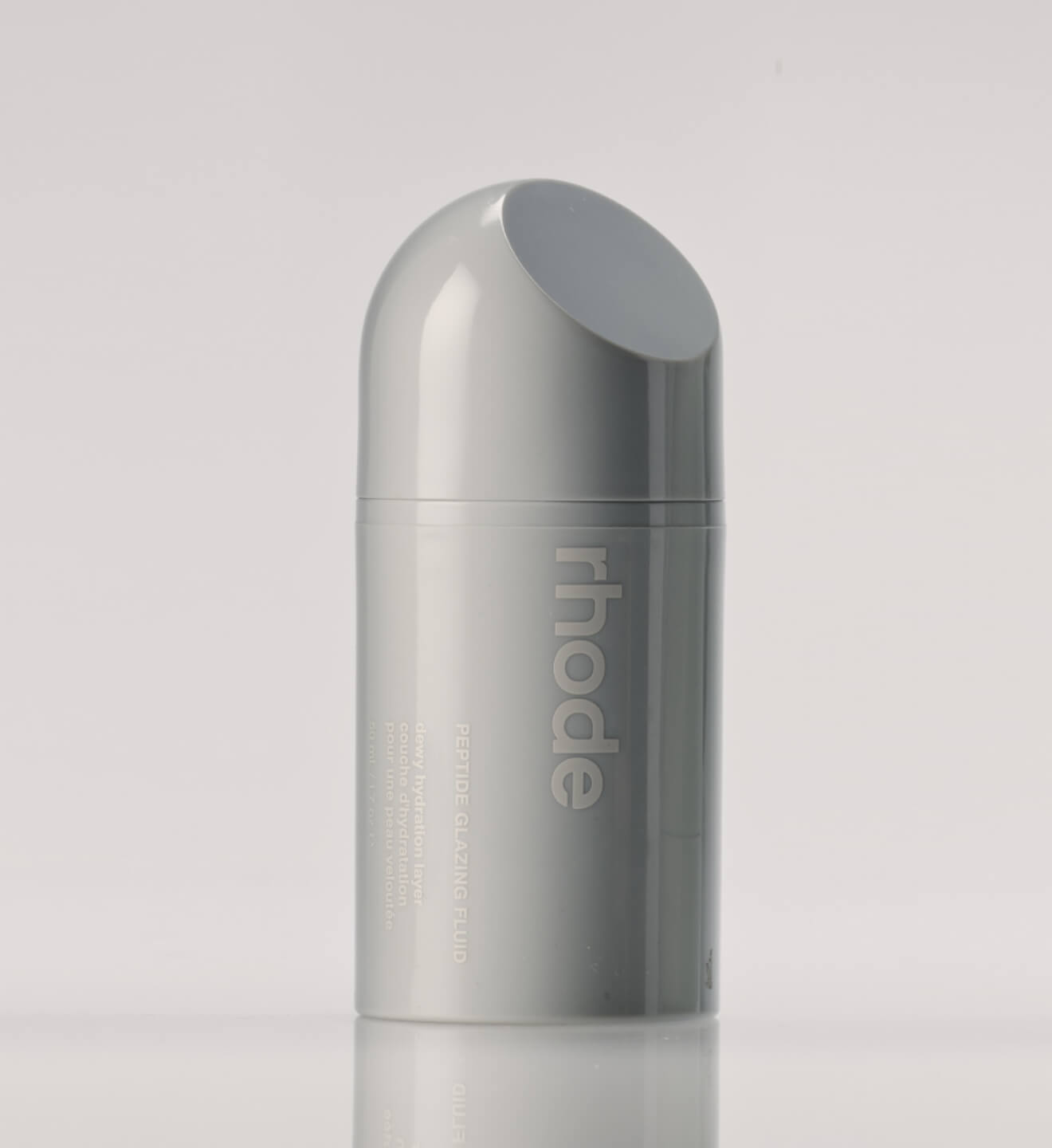
3. Rhode Peptide Glazing Fluid - Hailey Bieber's brand has made peptide skincare accessible and trendy. This lightweight, fast-absorbing formula includes a neurotransmitter-inhibiting peptide that helps reduce fine lines, combined with hyaluronic acid and niacinamide for hydration and brightening. Dermatologists praise its clean formulation and effective delivery system.
4. Medik8 Liquid Peptides - Board-certified dermatologist Cheryl Karcher, MD, specifically recommends this serum for its impressive formulation containing approximately 10 different peptides, including copper peptides and signal peptides that boost collagen production. It is a powerhouse of peptide diversity in a single bottle.
5. The Ordinary Multi-Peptide + Copper Peptides 1% Serum - For those seeking evidence-based peptide skincare at an accessible price point, this serum delivers. Dermatologist Dr. Nava Greenfield recommends it for combining age-correcting peptides with a hydrating hyaluronic acid base. At under $25, it is arguably the best value in the peptide serum category.
6. Allies of Skin Copper Tripeptide and Ectoin Advanced Repair Serum - This sophisticated formulation combines copper tripeptides with ectoin and additional peptide complexes designed to strengthen the skin barrier and address visible signs of aging. It frequently appears at the top of dermatologist-curated lists for its science-backed approach.
7. Paula's Choice Pro-Collagen Multi-Peptide Booster - This targeted booster serum supports collagen production with a blend of plumping hyaluronic acid and amino acids. Its fragrance-free, research-driven formula aligns with what dermatologists look for in a peptide product: clinical concentrations without unnecessary additives.
8. Drunk Elephant Protini Powerpeptide Resurfacing Serum - Combining peptides with lactic acid, this hybrid serum resurfaces and firms simultaneously. It is an excellent choice for those who want both exfoliation and collagen-boosting benefits without layering multiple products. Similar to the multi-functional approach seen in K-beauty snail mucin products, this serum delivers multiple benefits in one step.
9. Neocutis Bio Serum Firm - This professional-grade serum is a favorite among dermatologists for its advanced peptide technology focused on firming and hydration. It works well as part of a post-procedure skincare routine and can be paired with other active ingredients without irritation.
10. Biossance Squalane + Copper Peptide Rapid Plumping Serum - This clean beauty option combines squalane with copper peptides for visible plumping and firming. It is suitable for all skin types, including sensitive skin, and delivers peptide benefits in a nourishing, plant-derived base.
How to Choose the Right Peptide Serum for Your Skin Type
Selecting the best peptide serum depends on your specific skin concerns, type, and budget. For dry or mature skin, look for peptide serums that also contain hyaluronic acid and ceramides for added hydration and barrier support. Products like Rhode Peptide Glazing Fluid and Biossance's squalane-based formula work particularly well for dehydrated skin.
For oily or acne-prone skin, lightweight, non-comedogenic peptide serums like The Ordinary's Multi-Peptide serum or Paula's Choice Pro-Collagen Booster are ideal. These formulas deliver peptide benefits without clogging pores or adding excess oil.
If your primary concern is deep wrinkles and significant loss of firmness, invest in professional-grade options like SkinMedica TNS Advanced+ or Neocutis Bio Serum Firm. These contain higher concentrations of active peptides and growth factors that target advanced signs of aging.
For those interested in the latest innovations from K-beauty, peptide technology is increasingly being combined with other trending ingredients like PDRN (salmon DNA), exosomes, and beta-glucan for synergistic anti-aging benefits. Korean brands are leading the way in these multi-peptide, multi-active formulations.
Expert Tips: How to Use Peptide Serums Effectively
Dermatologists agree on several best practices for maximizing the benefits of peptide serums. First, apply your peptide serum after cleansing and toning but before heavier creams and oils. Peptides are water-soluble molecules that need direct contact with clean skin to absorb effectively.
Second, consistency matters more than concentration. Unlike retinoids, which deliver visible results within weeks, peptide serums work gradually by stimulating your skin's natural repair processes. Most dermatologists recommend a minimum of 8 to 12 weeks of consistent daily use before expecting significant improvements in firmness, wrinkle depth, and skin elasticity.
Third, peptide serums pair beautifully with other active ingredients. They can be used alongside vitamin C in the morning for antioxidant protection, and with retinol at night for enhanced collagen stimulation. However, avoid using peptides immediately after strong chemical exfoliants like glycolic acid peels, as the low pH can break down peptide bonds and reduce efficacy.
Fourth, store your peptide serums properly. Heat, light, and air exposure can degrade peptide molecules over time. Keep your serum in a cool, dark place and use products with airless pump dispensers when possible to maintain potency.
You May Also Like
- Skin Longevity 2026: The Science-Backed Skincare Shift Replacing Anti-Aging Routines
- PDRN Skincare 2026: How Salmon DNA Became K-Beauty's Hottest Anti-Aging Ingredient
- Exosome Skincare 2026: What Dermatologists Really Think About the Buzzy Anti-Aging Ingredient
- Beta-Glucan Skincare 2026: Why Dermatologists Say This Barrier Repair Ingredient Outperforms Hyaluronic Acid
- Snail Mucin Skincare 2026: Science, Benefits, and 10 Best K-Beauty Products
FAQ
Q: What do peptide serums do for your skin?
A: Peptide serums deliver short chains of amino acids that act as molecular messengers, signaling your skin cells to produce more collagen, elastin, and hyaluronic acid. This results in firmer, smoother, more hydrated skin with reduced fine lines and wrinkles over time. Unlike harsh exfoliants, peptides work with your skin's natural biology to stimulate repair and renewal without causing irritation.
Q: How long does it take to see results from peptide serums?
A: Most dermatologists recommend using peptide serums consistently for 8 to 12 weeks before expecting significant visible improvements. Some users notice enhanced hydration and radiance within the first 2 to 4 weeks, but structural changes like increased firmness and reduced wrinkle depth require longer-term use as collagen synthesis is a gradual process.
Q: Can you use peptide serums with retinol?
A: Yes, peptides and retinol complement each other well. Retinol increases cell turnover and stimulates collagen production through the retinoic acid pathway, while peptides provide the amino acid building blocks needed for that collagen synthesis. Many dermatologists recommend using both in your evening routine. Apply the peptide serum first, then layer retinol on top after it absorbs.
Q: Are peptide serums safe for sensitive skin?
A: Peptide serums are generally considered one of the gentlest anti-aging actives available. Unlike retinoids or alpha hydroxy acids, peptides rarely cause redness, peeling, or irritation. They are suitable for most skin types, including sensitive skin. However, always patch test a new product and start with lower-concentration formulas if you have reactive or easily irritated skin.
Q: What is the best peptide serum for 2026?
A: The best peptide serum depends on your budget and skin concerns. For the overall best performance, dermatologists consistently recommend SkinMedica TNS Advanced+ Serum. For the best value, The Ordinary Multi-Peptide + Copper Peptides 1% Serum delivers clinical-grade peptides at under $25. For a trendy, lightweight option, Rhode Peptide Glazing Fluid offers effective peptide delivery in an accessible format.
The Bottom Line
Peptide serums have earned their place as an essential category in the 2026 skincare landscape. Backed by rigorous clinical research and near-universal dermatologist endorsement, these collagen-boosting formulations offer a gentle yet effective approach to anti-aging that works with your skin's own biology. Whether you choose a luxury investment like SkinMedica TNS Advanced+ or an accessible powerhouse like The Ordinary's peptide serum, incorporating a peptide product into your daily routine is one of the smartest skincare decisions you can make this year. Start with a formula that matches your skin type and budget, commit to consistent use, and let the science of peptides do the rest.
Sources: NBC News Select, Who What Wear, Frontiers in Medicine (2026), Colorescience


댓글
댓글 쓰기