Skin Longevity 2026: The Science-Backed Skincare Shift Replacing Anti-Aging Routines
Skin Longevity 2026: The Science-Backed Skincare Shift Replacing Anti-Aging Routines

Skin longevity has emerged as the single most defining skincare trend of 2026, fundamentally reshaping how consumers, dermatologists, and beauty brands approach skin health. Unlike the aggressive anti-aging protocols of previous years that promised to freeze, peel, and purge skin into submission, the skin longevity movement takes an entirely different approach: maintaining the skin's structural integrity, resilience, and biological function over time. Industry analysts at Beauty Independent report that 80% of adults are now adopting a preventative approach to their beauty routines, prioritizing consistent, long-term care over reactive solutions. This is not just another fleeting TikTok trend. It is a paradigm shift.
What Is Skin Longevity and Why Is It Different from Anti-Aging?
Skin longevity represents a proactive approach to skin health rather than a reactive one. Traditional anti-aging messaging focused on fighting visible signs of aging after they appeared, often through harsh treatments, aggressive exfoliation, and ingredient overload. The skin longevity philosophy flips this script entirely. It asks: how can we preserve and strengthen our skin's natural functions so it ages well from the start?
"Longevity has been a defining theme in 2025, and it will only strengthen in 2026," explains Eva Alexandrines, founder of 111Skin. "Skincare is shifting from treating symptoms to restoring biological function," adds Stephanie Sprayregen of Mumuk. This distinction matters because it changes not just what products people buy, but how they think about their entire skincare routine.
Major beauty conglomerates are taking notice. Estee Lauder launched the Skin Longevity Institute, while L'Oreal introduced L'Oreal Longevity Integrative Science, signaling that this is no niche movement. It is becoming the industry's central organizing principle for research, development, and marketing. The concept extends beyond topical products to encompass what experts call "functional skin fitness," integrating sun protection, nutrition, stress management, sleep quality, and gut health into a holistic framework for lifelong skin resilience.
The Death of the 10-Step Routine: Why Skinimalism Is Winning
One of the most visible consequences of the skin longevity movement is the dramatic simplification of skincare routines. The elaborate 10-step K-Beauty regimens that defined the mid-2010s are officially declining. "Skinimalism is no longer a trend, it is becoming a mindset for consumers," says Erica Choi, founder of Superegg.
The reasoning is both scientific and practical. Dermatologists have long warned that product overload can compromise the skin barrier, leading to sensitization, chronic inflammation, and paradoxically accelerated aging. Consumers are finally listening. As Veronica Pedersen of Timeless Skin Care observes, "Consumers are moving toward simple, effective routines supporting long-term skin health."
The new approach centers on what experts call the four pillars of skin longevity: broad-spectrum SPF as the non-negotiable foundation, a well-chosen retinoid strategy for cellular turnover, targeted antioxidants for environmental defense, and barrier support through ceramides and lipids. Everything else is considered an optional upgrade rather than a necessity. As covered in our Beta-Glucan Skincare Guide, ingredients that support barrier repair have become central to this philosophy.
Key Ingredients Driving the Skin Longevity Revolution
While the skin longevity trend favors simplicity in routine structure, it demands sophistication in ingredient selection. The focus has shifted from single-ingredient obsessions to multi-mechanism formulas that address skin health at the cellular level. Here are the ingredients that dermatologists and formulators consider essential for the skin longevity approach:
Ceramides and lipid-rich formulas have moved from being merely "moisturizing" to being recognized as critical structural components of healthy skin. They restore the skin barrier's natural architecture, preventing transepidermal water loss and protecting against environmental aggressors. Peptides, particularly signal peptides and copper peptides, support collagen synthesis and cellular communication without the irritation potential of more aggressive actives.
Exosomes represent one of the most exciting frontiers in skin longevity science. As we explored in our Exosome Skincare 2026 deep dive, these tiny cellular messengers support tissue repair and regeneration at a fundamental level. "Plant-based exosomes feel like a breakout 2026 moment for the clean beauty space," notes Jenni Ewing of Ursa Major. Similarly, PDRN (Salmon DNA) has gained significant traction as a regenerative ingredient that promotes cellular renewal without irritation.
Niacinamide continues its reign as a versatile workhorse ingredient, now positioned as a skin longevity essential for its ability to strengthen the barrier, reduce inflammation, regulate sebum, and improve uneven skin tone. Antioxidants like stabilized vitamin C derivatives, resveratrol, and astaxanthin protect against the oxidative stress that accelerates skin aging at the DNA level.
What Dermatologists Actually Recommend for a Skin Longevity Routine
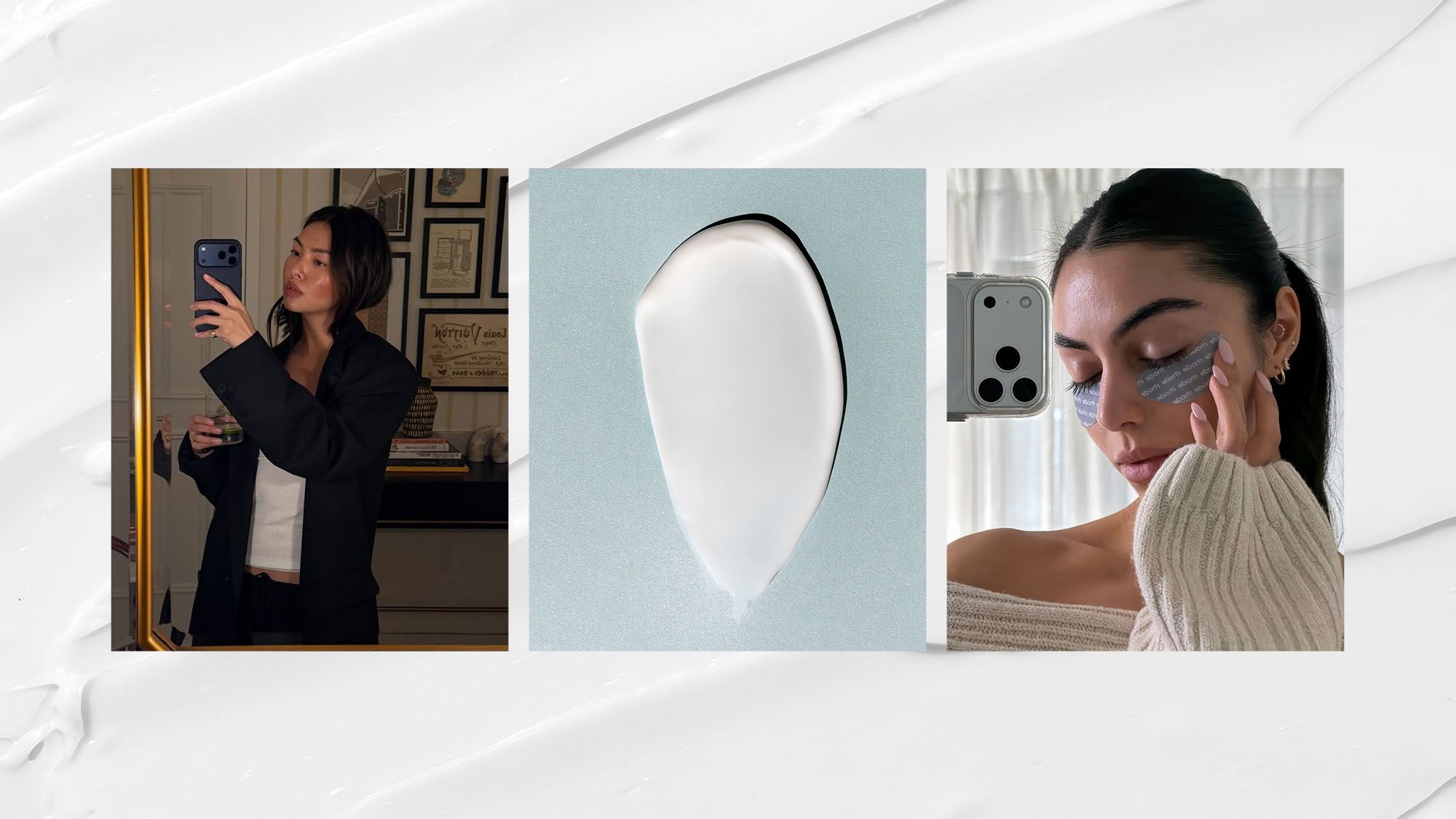
Dermatologists are rallying behind a surprisingly simple framework. "Consumers want real results they can notice, not wonder if something is working," explains Jack Jia of Musely. The consensus routine for skin longevity in 2026 breaks down as follows:
Morning: gentle cleanser, antioxidant serum (vitamin C or equivalent), moisturizer with ceramides, and broad-spectrum SPF 50. As we reviewed in our Korean Sunscreen 2026 Guide, K-Beauty SPF formulations have become some of the most elegant and effective options available. Evening: gentle cleanser, retinoid (prescription or over-the-counter retinol alternative), and a barrier-repair night cream.
"Brands will have to prove clinical efficacy; consumers seek measurable data and expert endorsement," warns Dr. Whitney Bowe of Dr. Whitney Bowe Beauty. This demand for evidence-based products is reshaping how brands formulate, test, and market their products. Clinical trials, peer-reviewed research, and transparent ingredient lists are becoming prerequisites rather than differentiators.
K-Beauty's Evolution: From Trend Machine to Science Powerhouse
The Korean beauty industry, which saw its U.S. sales skyrocket 37.2% to reach $2 billion according to NielsenIQ data, is undergoing its own longevity-driven transformation. Rather than churning out viral gimmick products, Korean brands are increasingly focusing on biotech-driven innovation and clinical validation.
The K-Beauty approach to skin longevity draws on decades of research into ingredients like ginseng, mugwort, and fermented extracts, now paired with cutting-edge delivery systems and biotechnology. This "Hanbang 2.0" approach merges traditional Korean herbal medicine wisdom with modern molecular engineering. Korean R&D labs continue to lead global innovation in precision formulation, working with exosomes, growth factors, advanced peptides, and molecularly engineered botanicals.
The microbiome skincare revolution also aligns perfectly with the skin longevity philosophy. Postbiotic treatments that support the skin's natural microbial ecosystem are gaining momentum as consumers recognize that healthy skin depends on a thriving microbiome rather than sterile, stripped surfaces.
The Trends That Are Losing Their Sizzle
The rise of skin longevity has a casualty list. Several previously popular approaches are falling out of favor with both consumers and professionals:
Aggressive anti-aging treatments that rely on irritation as proof of efficacy are being abandoned. The "freeze, peel, purge" mentality is fading as consumers and dermatologists recognize that chronic irritation from over-exfoliation actually accelerates aging rather than preventing it. "Consumers seeking stability instead of shock factor," notes Salma Hassouna of Skin by Noor.
Single-ingredient obsession is also declining. While hero ingredients like retinol and vitamin C remain important, the era of one-ingredient serums marketed as miracle cures is ending. Brian Oh of Venn observes that "consumers are no longer impressed by long ingredient lists; they are seeking clinically substantiated actives" that work synergistically.
TikTok-driven trend cycles, including slugging, skin cycling, and buffering, have lost their momentum. These viral hacks offered temporary texture tricks but lacked the sustained results that longevity-minded consumers now demand. "Consumers realize pop products do not deliver long-term results or integrate into real routines," says Sydney Dake of Gntl. Even beef tallow products, which experienced a viral peak in 2024-2025, have seen interest cooling as consumers compare them to proven alternatives.
The Technology Factor: AI, Devices, and Precision Skincare
Technology is accelerating the skin longevity movement in two key ways. First, AI-powered personalization is enabling consumers to build routines tailored to their specific skin biology rather than following generic recommendations. "AI-powered recommendations and discovery will advance very quickly in 2026," predicts Alexandra Keating of Uni. Real-time skin analysis devices can now assess hydration levels, barrier function, and environmental damage, creating data-driven protocols for each individual.
Second, at-home beauty devices are becoming more sophisticated and accessible, as we detailed in our At-Home Beauty Devices 2026 Guide. Monopolar radiofrequency devices stimulate collagen production in the dermis without downtime, while LED therapy supports cellular energy production and repair. These technologies align with the longevity philosophy by supporting skin function rather than just addressing surface symptoms.
The concept of "collagen banking," using preventative treatments to build and maintain collagen reserves before significant loss occurs, is gaining particular traction among younger consumers. This represents a fundamental shift in who invests in skin health: it is no longer just a concern for those over 40.
Neuroscience-Aligned Beauty: The Brain-Skin Connection
An emerging frontier within skin longevity is the recognition of the brain-skin connection. "Resilience-driven beauty is about calming the nervous system as much as the skin," explains Monique Meneses of Iota. Topical nootropics, adaptogenic ingredients, and stress-reducing formulations are entering the market, reflecting research showing that chronic psychological stress directly damages skin barrier function, accelerates collagen breakdown, and triggers inflammatory cascades.
This holistic perspective, sometimes called "psychodermatology" or "neurocosmetics," positions skincare within a broader wellness framework. Sleep quality, stress management, regular exercise, and balanced nutrition are now considered as important as any topical product. Liz Folce of Nakery Beauty notes that "the merging of wellness and high-performance skincare is a progressive trend emerging" that will continue to reshape the industry.
You May Also Like
- Beta-Glucan Skincare 2026: Why Dermatologists Say This Barrier Repair Ingredient Outperforms Hyaluronic Acid
- Exosome Skincare 2026: What Dermatologists Really Think About the Buzzy Anti-Aging Ingredient
- PDRN Skincare 2026: How Salmon DNA Became K-Beauty's Hottest Anti-Aging Ingredient
- Microbiome Skincare 2026: The Probiotic Beauty Revolution
- Korean Sunscreen 2026: 11 Best K-Beauty SPF Products Dermatologists Actually Recommend
FAQ
Q: What is skin longevity in skincare?
A: Skin longevity is a skincare philosophy focused on maintaining the skin's structural integrity, resilience, and biological function over time. Unlike traditional anti-aging approaches that react to visible signs of aging, skin longevity emphasizes preventative care through simplified, evidence-based routines built around proven pillars like SPF, retinoids, antioxidants, and barrier support. Major brands including Estee Lauder and L'Oreal have launched dedicated longevity research programs.
Q: What is the difference between skin longevity and anti-aging skincare?
A: Anti-aging skincare traditionally focuses on correcting visible signs of aging after they appear, often through aggressive treatments like chemical peels and high-concentration actives. Skin longevity takes a proactive approach, working to preserve skin health before damage accumulates. It prioritizes barrier function, cellular resilience, and inflammation reduction over dramatic short-term results.
Q: What are the best ingredients for skin longevity in 2026?
A: Dermatologists recommend building a skin longevity routine around ceramides for barrier repair, broad-spectrum SPF for UV protection, retinoids for cellular turnover, and antioxidants like vitamin C for environmental defense. Advanced ingredients gaining traction include exosomes, PDRN, beta-glucan, and signal peptides that support cellular communication and repair at a fundamental level.
Q: Is the 10-step skincare routine dead in 2026?
A: Industry experts agree that elaborate multi-step routines are declining sharply. The skin longevity approach favors streamlined, four-to-five-step routines using multifunctional products. Dermatologists warn that product overload can compromise the skin barrier and cause sensitization. The consensus is that fewer, better-chosen products deliver superior long-term results compared to layering numerous actives.
Q: How does K-Beauty fit into the skin longevity trend?
A: Korean beauty brands are evolving from trend-driven innovation to science-powered skin longevity solutions. K-Beauty's U.S. sales reached $2 billion in 2025 with 37.2% growth. Korean R&D labs lead in biotech ingredients like exosomes, PDRN, and advanced peptides, while traditional hanbang ingredients like ginseng and mugwort are being modernized with cutting-edge delivery systems.
The Bottom Line
Skin longevity is not a trend that will fade with the next TikTok cycle. It represents a fundamental shift in how we think about skin health, backed by science, supported by major industry players, and embraced by consumers tired of chasing short-lived viral ingredients. The message from dermatologists and industry experts is clear: invest in your skin the way you would invest in your physical health, with consistency, evidence-based choices, and a long-term perspective. As Alena Demina of System Skin puts it, "Longevity is taking over beauty, and there is no way back from symptom-based approaches." The future belongs to those who treat their skin as a lifelong asset rather than a problem to be solved.
Sources: Beauty Independent, Who What Wear, Cartessa Aesthetics, Longevity Technology


댓글
댓글 쓰기