Tranexamic Acid 2026: K-Beauty's Brightening Hero Surging 705% (And Why Dermatologists Call It Hydroquinone's Heir)
Tranexamic Acid 2026: K-Beauty's Brightening Hero Surging 705% (And Why Dermatologists Call It Hydroquinone's Heir)
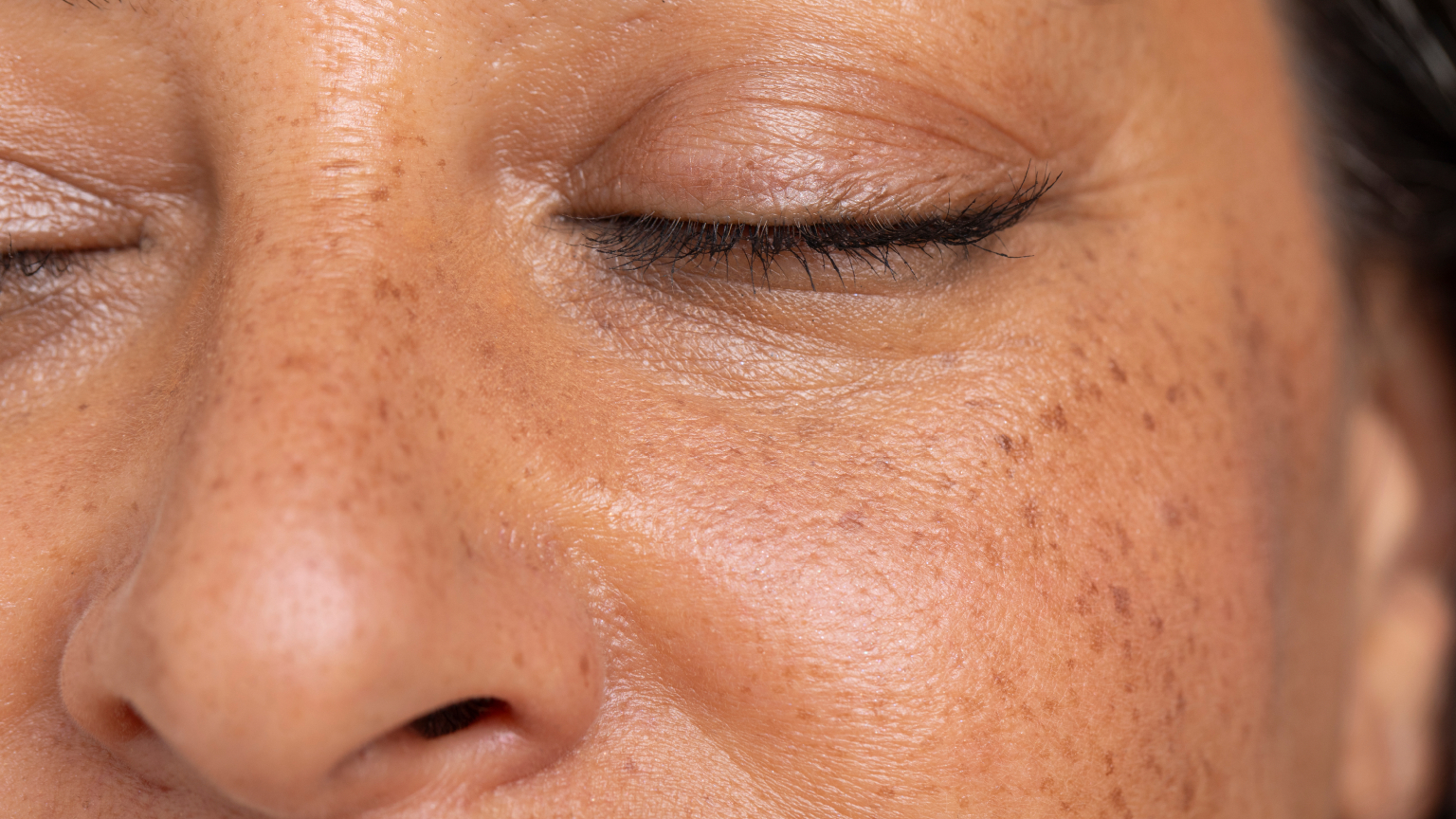
Tranexamic acid is having its biggest commercial moment of the decade. In May 2026, the synthetic lysine derivative — originally an oral hemostatic prescribed to stop heavy menstrual bleeding — has crossed over into mainstream Korean skincare with a velocity that dermatologists and ingredient analysts did not predict even twelve months ago. According to Spate's Popularity Index, tranexamic acid cream searches have grown 705.7% year over year, and TikTok views attached to the ingredient now average 687,200 per week. The K-beauty industry, which spent the early 2020s building consumer literacy around niacinamide and vitamin C, has quietly pivoted to position tranexamic acid as the brightening molecule of choice for melasma, post-inflammatory hyperpigmentation, and stubborn dark spots that refuse to fade.
What Tranexamic Acid Actually Does To Pigment
Tranexamic acid (TXA) is a synthetic analog of the amino acid lysine. Its dermatological mechanism is different from every other brightening ingredient on the K-beauty shelf, which is precisely why it is generating renewed clinical interest. Traditional brighteners like hydroquinone, kojic acid, and arbutin work by inhibiting tyrosinase, the enzyme melanocytes use to manufacture melanin. Tranexamic acid takes a different route: it blocks the plasminogen-plasmin pathway in keratinocytes, which in turn dampens the release of arachidonic acid and prostaglandins — the inflammatory signals that tell melanocytes to overproduce pigment in the first place.
Dr. Mona Gohara, a Yale-trained board-certified dermatologist, describes the mechanism with a plumbing analogy: "Tranexamic acid turns off the faucet that keeps refilling the sink." In her clinical experience, "patients who feel like their dark spots come back no matter what often respond well." The distinction matters because melasma — the hormonal hyperpigmentation that affects roughly nine in ten cases on women, particularly those with Fitzpatrick skin types III through V — is fundamentally a recurrence disease. Tyrosinase inhibitors can lighten visible pigment, but they do not interrupt the inflammatory loop that keeps producing it. Tranexamic acid does.
The Clinical Evidence Behind The Hype
The peer-reviewed literature on topical tranexamic acid is now robust enough to satisfy even the most skeptical regulatory reviewer. A 12-week randomized controlled trial published in the Journal of Cutaneous and Aesthetic Surgery found that topical 5% tranexamic acid reduced melasma severity by approximately 27% — statistically comparable to 4% hydroquinone, which has been the gold standard for decades. The critical difference: tranexamic acid participants reported significantly fewer side effects. No ochronosis, no rebound hyperpigmentation, no skin thinning. Patient satisfaction scores were measurably higher.
A separate double-blind comparison of 10% versus 5% topical tranexamic acid published in Universa Medicina found that both concentrations were effective, but the 5% formulation produced fewer adverse events with nearly equivalent depigmenting outcomes. This is the dose-response sweet spot most Korean formulators have settled on. Higher concentrations do not translate into proportionally better results, and the formulation overhead — including pH stabilization and emulsion compatibility — becomes substantially harder above 5%.
The ingredient also performs well in combination. Research published in Cosmetics (MDPI) demonstrated that tranexamic acid stacks effectively with niacinamide, kojic acid, and licorice extract. Korean labs have leveraged this stackability aggressively, producing micro-dose formulations that pair 2–3% tranexamic acid with complementary brighteners and barrier-supportive ingredients like ceramides and panthenol.
Why K-Beauty Owns This Trend In 2026
Tranexamic acid is not a Korean invention — Japanese researchers at Daiichi Sankyo synthesized it in 1962, and the topical cosmetic application was first commercialized by Shiseido. But the 2026 K-beauty boom around the ingredient is unmistakably Korean in execution. Three factors converged.
First, regulatory flexibility. Korea's Ministry of Food and Drug Safety classifies tranexamic acid as a functional cosmetic ingredient with established whitening efficacy, which allows brands to make stronger pigment-correction claims than they could under FDA cosmetic guidelines in the United States. This gives Korean brands a marketing runway that American competitors lack.
Second, formulation density. Korean indie labs and OEMs have become exceptionally skilled at blending tranexamic acid with the rising-star K-beauty actives now driving conversation: PDRN (salmon DNA), exosomes, and dexpanthenol. The "bloom-skin" formulas defining 2026 stack tranexamic acid micro-doses with nano-hyaluronic acid, ceramide complexes, and lipid-balancing toners — a level of multi-active integration that mass-market Western brands are still catching up to.
Third, the cultural template. Korean beauty consumers have long accepted brightening as a non-negotiable pillar of skincare, and the cultural fluency around even tone, glass skin, and chok-chok luminosity translates directly into demand for ingredients like tranexamic acid. As we covered in our Niacinamide Skincare Guide, the K-beauty playbook has been refining anti-pigmentation routines for two decades. Tranexamic acid slots cleanly into that established framework.
What Dermatologists Say About Real-World Use
Beyond the clinical trials, dermatologists report consistent observations in patient practice. Tranexamic acid tends to perform best on inflammatory and post-inflammatory hyperpigmentation, including the dark marks left behind by acne, ingrown hairs, and friction in melanin-rich skin. It is also one of the few brighteners that does not require strict sun avoidance during use — though daily SPF remains essential because melasma in particular is intensely UV-driven.
Dr. Gohara's framework — "calm the skin first, correct second" — is increasingly adopted across Korean skincare guidance. Patients with compromised barriers do not respond well to brightening protocols regardless of ingredient, which is why Korean routines almost always pair tranexamic acid with barrier-supportive layers. Onset of visible improvement typically takes 8–12 weeks of consistent use, which aligns with the keratinocyte turnover cycle. Dermatologists caution against expecting two-week miracles. As Dr. Gohara puts it: "Pigment treatments are marathons, not sprints."
The safety profile is excellent. Topical tranexamic acid does not appreciably enter systemic circulation, which addresses concerns about its oral form being contraindicated in patients with thromboembolic risk. Pregnancy data on topical use remain limited, so dermatologists generally advise pregnant patients to defer initiating new tranexamic acid regimens until postpartum, though the topical route is considered low-risk.
The Best K-Beauty And Global Tranexamic Acid Serums Of 2026
The serum and cream category has expanded rapidly. Among the products dermatologists and beauty editors are highlighting in 2026: SkinMedica Even and Correct Advanced Brightening Treatment ($178) leads the prestige tier with a tranexamic-niacinamide-licorice stack. Naturium Tranexamic Topical Acid 5% ($19.99) offers the most accessible clinically-relevant dose. Topicals Faded Brightening Serum ($28) pairs tranexamic acid with azelaic acid and is widely recommended for melanin-rich skin. Vichy Liftactiv Pigment Specialist B3 Dark Spot Serum ($45) takes a 5% niacinamide approach with tranexamic acid as the secondary correcting agent. Eadem Cashmere Peel Milky Exfoliant & Hydrating Essence ($42) is the niche favorite for sensitive skin types.
On the K-beauty side, Medicube, Cosrx, Beauty of Joseon, and Sioris have all launched dedicated tranexamic acid products in 2025–2026, and Olive Young's bestseller charts now feature multiple TXA serums in the top twenty pigment-care SKUs. The Korean approach typically favors lower concentrations (2–3%) layered into multi-step routines rather than single-product 5% applications — an execution philosophy more aligned with the Hanbang skincare tradition of gentle, sustained correction.
How To Layer Tranexamic Acid In A Korean Routine
Sequencing matters. Tranexamic acid is water-soluble and works best applied to clean, slightly damp skin before heavier emulsions. The standard K-beauty order: cleanser, hydrating toner, tranexamic acid serum, niacinamide or peptide serum, moisturizer, SPF in the morning. Evening routines can incorporate a gentle exfoliating acid (mandelic, lactic, or PHA) two to three times weekly, applied before the tranexamic acid serum and after a hydrating toner.
Compatibility is broad. Tranexamic acid layers safely with vitamin C, niacinamide, retinoids, AHAs, BHAs, peptides, and most barrier-repair ingredients. The one combination that requires caution: aggressive exfoliating actives stacked on a compromised barrier. If the skin is already inflamed, tranexamic acid will not produce its full benefit and may transiently sting. Calm the barrier first with ceramides, panthenol, and a simplified routine for two to three weeks, then reintroduce.
Expert Insights: What Dermatologists Want You To Know
The clinical community is broadly enthusiastic but offers three important caveats. First, tranexamic acid is not a substitute for daily broad-spectrum SPF 30+ in pigmentation management. UV is the primary driver of melasma recurrence, and no topical brightener can outpace continued solar exposure. Second, hormonal melasma — pregnancy-related or contraceptive-induced — may not respond fully to topical tranexamic acid alone, and combination therapy with oral tranexamic acid (prescribed by a dermatologist) or procedural treatments like low-fluence laser may be needed. Third, expectations should be calibrated: even the best topical protocols typically achieve 25–35% pigment reduction in 12 weeks. Patients seeking dramatic complete clearance often need a multi-modal approach.
You May Also Like
- Niacinamide Skincare Guide 2026: Benefits, How to Use, and the Best K-Beauty Serums Ranked
- PDRN Skincare 2026: Inside the K-Beauty Salmon DNA Trend Surging 700% in Search
- Bakuchiol vs Retinol 2026: What New Research Reveals About K-Beauty's Gentler Anti-Aging Hero
- Hanbang Skincare 2026: How K-Beauty's Modernized Korean Herbal Medicine Is Powering the Next Anti-Aging Wave
FAQ
Q: Is tranexamic acid better than hydroquinone for melasma?
A: Clinical trials show comparable efficacy with significantly fewer side effects. Tranexamic acid does not cause ochronosis, skin thinning, or rebound hyperpigmentation, which are the main risks of long-term hydroquinone use. For most patients with melasma or post-inflammatory hyperpigmentation, tranexamic acid is now the preferred first-line topical option.
Q: How long does tranexamic acid take to work on dark spots?
A: Visible improvement typically begins at 8–12 weeks of consistent daily use, aligning with the keratinocyte turnover cycle. Full results are usually evaluated at 16 weeks. Pigment correction is a long-term commitment, not a quick fix.
Q: Can I use tranexamic acid with vitamin C and retinol?
A: Yes. Tranexamic acid layers safely with vitamin C (apply tranexamic acid first on damp skin, vitamin C after), and with retinol (use tranexamic acid in the morning and retinol at night). The combination is one of the most evidence-supported brightening stacks available.
Q: Is tranexamic acid safe during pregnancy?
A: Topical use is generally considered low-risk because systemic absorption is minimal, but data are limited and most dermatologists advise pregnant patients to defer initiating new tranexamic acid regimens until after delivery. Oral tranexamic acid is contraindicated in pregnancy.
Q: What concentration of tranexamic acid should I look for?
A: Clinical efficacy data support 2–5% topical concentrations. Korean formulations often favor 2–3% in multi-step routines, while Western brands typically offer 3–5% standalone serums. Higher concentrations do not produce proportionally better results and may compromise formulation stability.
The Bottom Line
Tranexamic acid has earned its 705% growth surge. The molecule offers something the K-beauty brightening category has never had simultaneously: clinical efficacy comparable to hydroquinone, an excellent safety profile, and formulation compatibility with the full stack of modern Korean actives. For anyone managing melasma, post-inflammatory hyperpigmentation, or stubborn dark spots — particularly in melanin-rich skin — tranexamic acid is the most defensible topical addition to a 2026 routine. Start with a 3–5% serum, layer it under SPF every morning, and commit to twelve weeks before judging the result. The science, the dermatologists, and the K-beauty product pipeline have all aligned. The question is no longer whether to try it, but which formulation to start with.
Sources: Marie Claire, Happi, Cosmetics (MDPI), PubMed Central, BeautyMatter


댓글
댓글 쓰기