Bakuchiol vs Retinol 2026: What New Research Reveals About K-Beauty's Gentler Anti-Aging Hero
Bakuchiol vs Retinol 2026: What Dermatologists and New Research Reveal About K-Beauty's Gentler Anti-Aging Hero
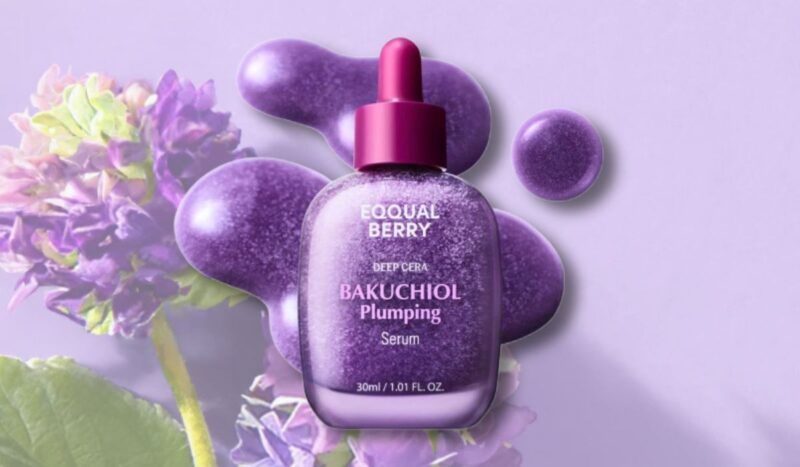
The bakuchiol vs retinol debate has reached a new peak in 2026, with K-beauty laboratories releasing the most sophisticated bakuchiol-based formulations ever produced. A growing body of randomized clinical evidence, combined with a peer-reviewed comprehensive review published in the Journal of Integrative Dermatology, now suggests that bakuchiol delivers retinol-comparable anti-aging results with significantly fewer side effects, photostability that allows AM and PM use, and a safety profile compatible with pregnancy and breastfeeding. For consumers who have struggled with retinoid burn, peeling, or sun sensitivity, this plant-derived ingredient has shifted from a niche curiosity to a mainstream pillar of modern Korean skincare.
What Is Bakuchiol and Why Is K-Beauty Embracing It?
Bakuchiol is a meroterpene phenol naturally extracted from the seeds and leaves of Psoralea corylifolia, a plant used in traditional Indian Ayurvedic and Chinese medicine for centuries. Despite having no structural resemblance to retinoids, bakuchiol activates several of the same gene-expression pathways as retinoic acid, including the retinoic acid receptors that regulate collagen synthesis, cellular turnover, and pigmentation control.
Korean R&D labs have leaned into bakuchiol because it aligns with two dominant 2026 K-beauty themes: barrier-respecting actives and hybrid multitasking formulations. Unlike retinol, which can compromise the skin barrier during the initial "retinization" phase, bakuchiol allows continuous use without the redness, scaling, and prickling that typically accompany retinoid initiation. This positions it as a natural fit for sensitive, reactive, and rosacea-prone skin populations that are growing rapidly worldwide.
The Clinical Evidence: What Recent Studies Actually Show
The landmark study underpinning the bakuchiol movement remains the 2018 prospective, randomized, double-blind trial published in the British Journal of Dermatology, which directly compared 0.5% bakuchiol applied twice daily against 0.5% retinol applied once daily over 12 weeks. Both ingredients produced statistically similar improvements in wrinkles and hyperpigmentation, but the retinol group experienced significantly more facial skin scaling and stinging.
A comprehensive 2022 review article in the Journal of Integrative Dermatology, authored by Sarah JaeHwa Park and reviewed by Dr. Peter Lio and Dr. Neil Gibbs, concluded that bakuchiol "can operate as a functional analog of topical retinol in vitro, with considerable advantages in safety, photostability, and ease of formulation." The authors specifically noted that bakuchiol avoids the cutaneous side effects and concerns of teratogenicity and embryotoxicity associated with topical retinoids, making it suitable for pregnant, nursing, or conception-planning individuals based on mechanism of action.
Mechanistic research published in peer-reviewed dermatology journals has also demonstrated that bakuchiol exhibits multidirectional anti-aging activity, stimulating fibronectin and accelerating epidermal regeneration while simultaneously delivering antioxidant and anti-inflammatory benefits that retinol does not provide. This "holistic" mechanism is why dermatologists increasingly recommend bakuchiol not merely as a retinol substitute but as a complementary or even superior choice for specific patient profiles.
Bakuchiol vs Retinol: Head-to-Head Comparison
The differences between these two anti-aging powerhouses matter clinically. Retinoids degrade under sunlight and must be applied at night to remain effective, whereas bakuchiol maintains stability under light exposure and can be applied twice daily. Retinoids accelerate desquamation and often cause transient irritation, while bakuchiol gradually remodels the dermis without disrupting the barrier. Retinoids increase photosensitivity, requiring stricter sunscreen use, while bakuchiol does not appear to compromise sun tolerance and may even offer mild photoprotective synergy when combined with antioxidants.
That said, retinoids — particularly prescription tretinoin and tazarotene — remain more potent for advanced photoaging, severe acne, and deep wrinkles. The honest clinical takeaway is that bakuchiol is not a magic bullet replacement for prescription retinoids in patients who tolerate them, but it is a meaningfully effective and dramatically gentler option for the millions of consumers who cannot. For anyone building a routine focused on long-term consistency, pairing bakuchiol with a robust Korean sunscreen routine creates a sustainable anti-aging foundation.
What Dermatologists Say About Bakuchiol in 2026
Dr. Heather Rogers, a board-certified dermatologist and founder of Doctor Rogers Skin Care, describes bakuchiol as "a plant-derived skincare ingredient often used as a gentler alternative to retinol for sensitive skin," and emphasizes that night turnover treatments remain an important part of any dermatologist-recommended routine. Dermatologists at the Cleveland Clinic similarly recommend bakuchiol as a first-line consideration for patients with rosacea, eczema, perioral dermatitis, or visible sun damage who experience intolerable irritation from topical retinoids.
The 2026 consensus among integrative dermatologists is that bakuchiol works best as part of a balanced formulation rather than a standalone hero, often combined with peptides, ceramides, niacinamide, or fermented botanicals. This positioning fits naturally into K-beauty's broader 2026 thesis that single-ingredient skincare is giving way to multi-functional sensorial formulations engineered for both efficacy and user experience.
How K-Beauty Brands Are Innovating with Bakuchiol
Korean formulators are leading the next generation of bakuchiol products by pairing it with complementary actives that amplify results while preserving tolerability. Common 2026 pairings include bakuchiol plus retinal (the more potent retinoid cousin) for accelerated efficacy with reduced irritation, bakuchiol plus copper peptides (GHK-Cu) for collagen synergy, and bakuchiol plus ceramides for simultaneous barrier reinforcement during cellular turnover.
This formulation philosophy mirrors the broader K-beauty shift toward biotech-driven efficacy that we explored in our coverage of copper peptide skincare and the exosomes biotech revolution. Korean R&D is uniquely positioned to scale these complex multi-active formulations because of its mature ingredient supply chains and decades of expertise in delivery system engineering.
How to Use Bakuchiol Correctly: A Practical Routine
For maximum benefit, dermatologists recommend introducing bakuchiol once daily for the first two weeks, then increasing to twice daily if tolerated. Apply to clean, dry skin before heavier moisturizers and occlusive layers. Because bakuchiol is photostable, it can be used in the morning, but daily broad-spectrum SPF remains non-negotiable to protect collagen gains from UV degradation.
Bakuchiol layers safely with most other actives, including vitamin C, niacinamide, hyaluronic acid, polyglutamic acid, peptides, and AHAs. The one combination requiring caution is bakuchiol with prescription retinoids — while some studies suggest synergy, the cumulative irritation potential warrants medical supervision. For anyone simplifying their routine, bakuchiol fits naturally into the skin streaming minimalist approach that has become dominant in 2026.
Who Should Choose Bakuchiol Over Retinol?
Bakuchiol is the smarter choice for sensitive or reactive skin, rosacea-prone individuals, patients with eczema or perioral dermatitis, anyone pregnant or breastfeeding, those new to active skincare who want a gentle introduction, and people who want a single product safe for both AM and PM use. Retinol remains preferable for resilient skin tolerating retinoids well, advanced photoaging requiring maximum potency, severe inflammatory acne, and patients under dermatologist supervision with established retinoid tolerance.
For acne-prone consumers specifically, bakuchiol pairs beautifully with the K-beauty approach we outlined in our Korean skincare guide for acne-prone skin, where barrier preservation is as important as active treatment.
You May Also Like
- Copper Peptide Skincare 2026: Why GHK-Cu Is K-Beauty's Next Anti-Aging Hero
- Skin Streaming 2026: Why Dermatologists Say K-Beauty's Minimalist Routine Wins
- Exosomes Skincare 2026: The K-Beauty Biotech Trend Dermatologists Are Watching
- Hanbang Skincare 2026: K-Beauty's Modernized Herbal Medicine
FAQ: Bakuchiol vs Retinol
Q: Is bakuchiol really as effective as retinol for anti-aging?
A: Clinical evidence from the landmark 2018 randomized double-blind trial and the 2022 Journal of Integrative Dermatology review indicates bakuchiol delivers comparable improvements in wrinkles and pigmentation to 0.5% retinol over 12 weeks, with significantly less irritation. It is not as potent as prescription tretinoin but performs in the range of over-the-counter retinol concentrations.
Q: Can I use bakuchiol while pregnant or breastfeeding?
A: Topical retinoids are contraindicated during pregnancy due to teratogenicity concerns. The 2022 review article concluded that bakuchiol avoids these concerns based on its mechanism of action, making it a popular pregnancy-safe alternative. Always confirm with your obstetrician before introducing any active.
Q: Does bakuchiol cause sun sensitivity like retinol?
A: No. Bakuchiol is photostable and does not increase photosensitivity, allowing morning use. However, daily broad-spectrum SPF remains essential to protect any anti-aging benefits from UV-induced collagen degradation.
Q: How long until I see results from bakuchiol?
A: Most users report visible texture and tone improvements within 8 to 12 weeks of consistent twice-daily use. Bakuchiol favors gradual, sustained improvement rather than the rapid turnover of prescription retinoids.
Q: Can I combine bakuchiol with vitamin C or niacinamide?
A: Yes. Bakuchiol layers safely with vitamin C (morning), niacinamide, hyaluronic acid, polyglutamic acid, peptides, and most antioxidants. The only combination requiring caution is concurrent prescription retinoid use, which should occur under dermatologist guidance.
The Bottom Line
The 2026 evidence base solidifies bakuchiol's role as the K-beauty industry's most credible retinol alternative for consumers prioritizing tolerability, photostability, and pregnancy safety. While prescription retinoids retain a place in advanced anti-aging protocols, bakuchiol now occupies the central position for the much larger population of sensitive-skin consumers, parents-to-be, and routine-streamlining minimalists. The K-beauty laboratories driving multi-active formulations are quietly building bakuchiol into the next generation of barrier-respecting, biotech-supported anti-aging serums — and the clinical data finally justifies the marketing claims.
If your retinol journey has been derailed by irritation or sun sensitivity, the 2026 K-beauty bakuchiol landscape offers a scientifically validated path forward.
Sources: Palace Beauty College, Journal of Integrative Dermatology, British Journal of Dermatology PubMed, Doctor Rogers Skin Care, Cleveland Clinic


댓글
댓글 쓰기