Skinification 2026: Why Hybrid Skincare-Makeup Is Replacing Traditional Foundation
Skinification 2026: Why Hybrid Skincare-Makeup Is Replacing Traditional Foundation
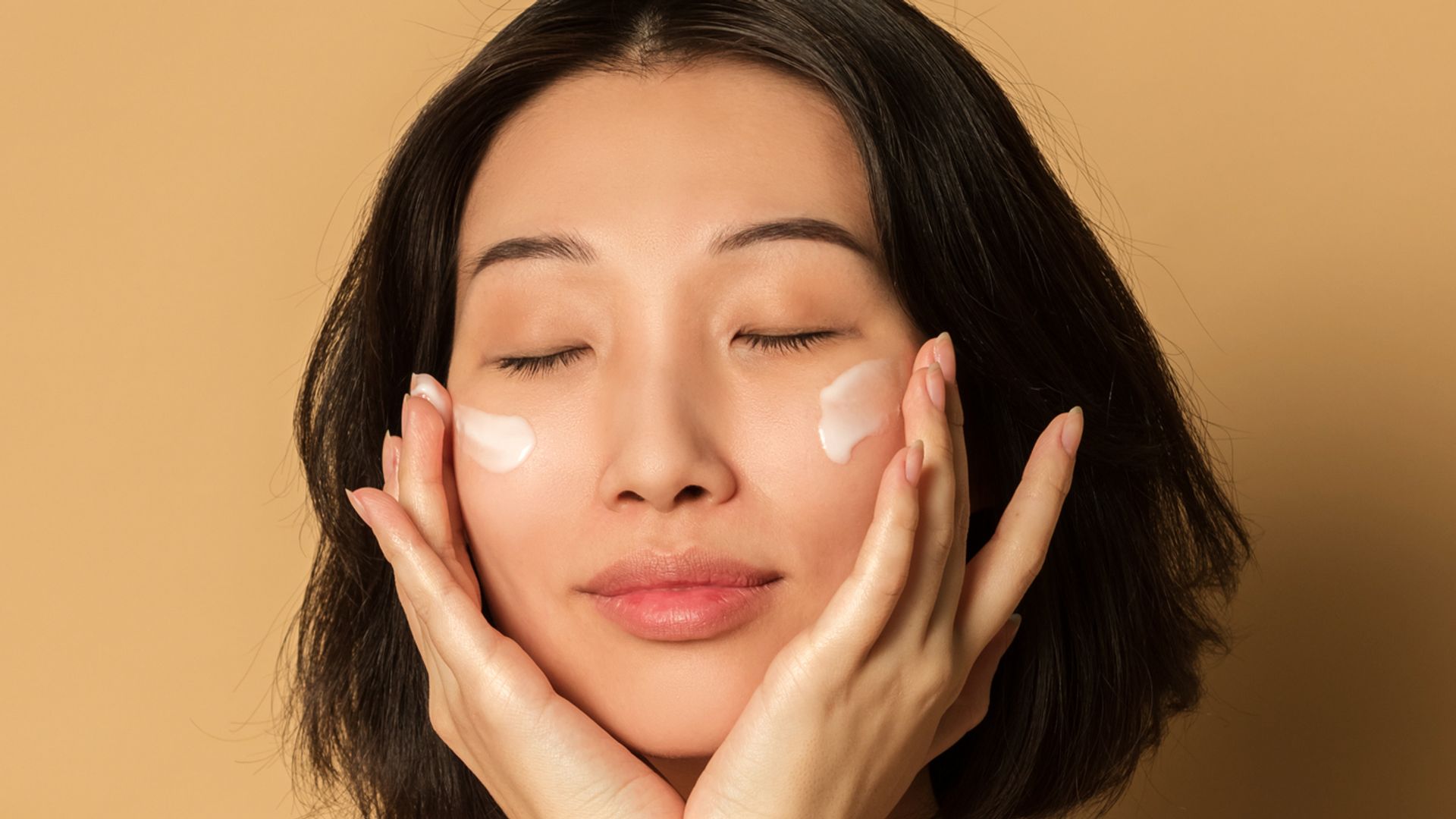
Skinification — the migration of clinical skincare ingredients into traditional makeup formats — has crossed from buzzword to dominant industry shift in 2026. More than 50 percent of U.S. consumers now seek products that combine makeup and skincare in a single step, climbing to roughly 60 percent among Gen Z and millennial shoppers, according to consumer-tracking data cited by Modern Retail in late 2025. The result: an avalanche of skincare-infused makeup launches from Clarins, Laneige, Glow Recipe, Versed, and a wave of K-beauty challengers that are quietly retiring the category we used to call "foundation."
For 2026, skinification is no longer a prestige curiosity. It is hitting mass aisles at Walmart, Target, and Ulta, with hybrid foundations, tinted lip serums, cushion-serums, and dewy blush hybrids occupying the shelf space once held by matte full-coverage bases. Tinted lip serums alone surged 3,600 percent year-over-year in 2025, per BeautyMatter market data, and that velocity has not slowed.
What "Skinification" Actually Means in 2026
The term skinification describes the deliberate addition of clinically active skincare ingredients — peptides, niacinamide, hyaluronic acid, ceramides, centella asiatica, ferments, antioxidants, SPF — into product categories that previously existed for color, coverage, or scent alone. In 2026, the trend has matured beyond marketing copy. Formulators are now stabilizing actives at concentrations that deliver measurable skin benefits while wearing pigment, not merely sprinkling buzzy ingredients into a base for the back-of-pack.
Three forces are driving the shift. First, the K-beauty playbook normalized skin-first beauty for a global audience: the Korean approach treats makeup as the final, lightest layer of a barrier-supporting routine, not a mask covering it. Second, post-pandemic skin sensitivity and the rise of barrier-repair culture made consumers wary of products that strip, clog, or fight their skincare. Third, biotech advances in encapsulation, multi-functional polymers, and ferment chemistry have made it genuinely possible for a single SKU to do what two or three products did in 2020. As we covered in our Skin Streaming guide, fewer better-engineered products are now beating long maximalist routines.
The 2026 Launches Reshaping the Hybrid Category
Several launches have anchored skinification's mainstream pivot this spring.
Clarins unveiled its Double Serum Foundation on April 15, 2026, transposing its iconic Double Serum skincare blockbuster into a complexion product. The dual-chamber bottle holds a formula that is two-thirds makeup, one-third concentrated serum, separated by a thin internal wall and dispensed through a customizable dial. Inside the serum chamber are 21 plant extracts — turmeric, organic aloe, acetylated hyaluronic acid, organic horse chestnut, plant-based squalane, teasel, vitamin E, organic green banana, peptides including Matrixyl 3000, organic strawberry tree, and an anti-pollution complex. The makeup chamber adds Clarins' new A.U.R.A. (Augmenting Make-Up Radiance) technology — glycerin, squalane, illuminating microcrystals — and stabilized papain for gentle enzymatic refinement. The brand promises 12 hours of medium-to-full coverage with 24 hours of hydration across 37 shades, retailing at $62.
Laneige expanded the K-beauty hybrid lineup with Neo Cushion Glow SPF50+ PA+++, blending centella extract and hyaluronic acid into a luminous cushion compact. Clinical data accompanying the launch shows skin hydration improving 30 percent after 8 hours of wear, positioning the cushion as a hybrid between a treatment essence and a long-wear base. The science behind centella's barrier benefits is detailed in our Centella Asiatica skincare guide.
Numbuzin's No.2 Skin Supercell BB Serum took the serum-foundation hybrid even further, prioritizing skin treatment with bifida ferment lysate (a postbiotic) and niacinamide as headline actives — two ingredients more commonly found in dedicated essences than in tinted bases. The result is a product that earns shelf space as both treatment and complexion step.
Glow Recipe's Watermelon Glow Niacinamide Dewy Flush brought the same logic to blush, offering pigmented niacinamide-rich liquid color in two shades (Watermelon Flush, Berry Flush) at $25, while Versed launched a 14-piece skincare-infused makeup collection at mass price points ranging from $10.99 to $19.99 with caffeine, kojic acid, argan oil, vitamin E, and niacinamide running through the line. Peach & Lily's Glass Skin Luminizing Stick ($39) packs nine peptides, green tea, heart leaf, and hyaluronic acid into a portable highlighter format, and Pat McGrath Labs' Skin Fetish Glass Skin 001 Artistry Mask blurred the line between sheet treatment and dewy primer.
Why K-Beauty Sits at the Center of the Hybrid Wave
Korean brands invented the hybrid grammar that Western prestige is now adopting. Cushion compacts — invented by Amorepacific in 2008 — were the first true hybrid format, marrying SPF and skincare actives with portable buildable color. In 2026, K-beauty has extended that template to nearly every makeup category. The category-defining ingredients now appearing in Korean hybrid color cosmetics include centella asiatica (cica), niacinamide, peptides including copper peptide GHK-Cu, fermented filtrates like bifida and lactobacillus, and barrier-repair lipids such as beta-glucan and ceramides.
This convergence with treatment chemistry has made the line between "skincare" and "makeup" increasingly arbitrary. A 2026 Korean cushion compact may contain higher concentrations of niacinamide than a 2018 brightening serum did. A skin tint with SPF, peptides, and antioxidants may functionally replace three earlier products: moisturizer, sunscreen, and base.
Expert Insights: What Dermatologists and Formulators Say
Industry experts are split between cautious enthusiasm and pointed skepticism. Amy Liu, founder of Tower 28, told BeautyMatter that "once a skincare ingredient goes into a makeup formula, the bar is incredibly high. It has to be proven safe at every concentration, with every other ingredient." That threshold — stability under pigment load, surfactants, and pearls — is non-trivial.
Veteran cosmetic chemist Kevin James Bennett delivered a sharper warning: "Know your chemistry before your marketing. If you can't identify the genuine innovation beneath the trend language, it's probably marketing bulls*it." His critique targets brands adding trace hyaluronic acid to lipsticks while branding them as treatments. Adam Friedman, MD, of George Washington University, added a clinical caveat: "Even low concentrations can potentially cause irritation in sensitive individuals, creating risk without proportional benefit."
Mary Schook, a longtime esthetician, framed the consumer reality: "Consumers want the convenience of combining multiple steps, but they prefer the control, especially with ingredient intolerances." That tension — convenience versus control — is shaping which hybrid formats succeed. Products that hide actives at marketing-only doses are losing share. Products that disclose concentrations, publish clinical data, and let consumers layer or skip steps are winning.
How to Choose a Hybrid Product That Actually Works
Skinification done well replaces a step. Skinification done poorly creates a worse version of two products. Use four filters before buying.
First, look for clinical concentrations, not trace mentions. A serum foundation listing niacinamide at 4 percent or higher is meaningfully different from one listing it at the bottom of an ingredient list. Second, prioritize barrier-supporting actives — ceramides, beta-glucan, centella, fermented filtrates — over fragile actives like vitamin C or retinol, which are difficult to stabilize inside pigmented bases. Third, check for SPF claims independently: many "tinted SPF" products require 1.2 grams or more applied per face to deliver their labeled protection — a quantity most users do not apply. As we covered in our Best Tinted Sunscreens 2026 guide, dedicated SPF still matters even with hybrid bases. Fourth, patch-test on the inner forearm for three days if you have reactive or barrier-compromised skin.
You May Also Like
- K-Beauty Complete Guide 2026: Your Ultimate Korean Skincare Handbook
- K-Beauty Ingredients Encyclopedia 2026: Every Trending Skincare Active Explained
- 10 Best Korean Moisturizers 2026: Dermatologist-Approved Picks
- Complete Guide to Glass Skin 2026
FAQ: Skinification and Hybrid Beauty in 2026
Q: What is skinification in beauty?
A: Skinification is the trend of formulating makeup, hair, body, and oral care products with clinical skincare actives — peptides, niacinamide, hyaluronic acid, ceramides, ferments, SPF — so a single product delivers cosmetic and treatment benefits at once. In 2026, hybrid skincare-makeup is the most visible expression of the trend.
Q: Is hybrid skincare-makeup actually effective, or just marketing?
A: It depends on concentration and formulation chemistry. Products that disclose clinical concentrations of well-stabilized actives (e.g., niacinamide 4–10 percent, centella extract, peptides, ferments) deliver real benefits. Products that include trace actives at marketing levels do not. Look for disclosed percentages, third-party clinical data, and INCI lists where actives appear above preservatives.
Q: Can hybrid foundation replace my serum or moisturizer?
A: For most users, no — not entirely. Hybrid bases work best as the final step on top of a barrier-supporting moisturizer and dedicated sunscreen. They can replace a separate primer, light tinted moisturizer, or daytime treatment serum if formulated at clinical doses. Reactive or barrier-compromised skin should treat hybrids as add-ons, not replacements.
Q: What are the best K-beauty skinification products in 2026?
A: Standout 2026 launches include Laneige Neo Cushion Glow SPF50+ PA+++ (centella, hyaluronic acid), Numbuzin No.2 Skin Supercell BB Serum (bifida ferment, niacinamide), and a wave of cushion-serum hybrids from Olive Young exclusives. Western parallels include Clarins Double Serum Foundation, Glow Recipe Watermelon Glow Niacinamide Dewy Flush, and Peach & Lily Glass Skin Luminizing Stick.
Q: Are skinification products safe for sensitive skin?
A: Generally safer than traditional matte heavy-coverage foundations because they emphasize barrier-supporting ingredients. However, layered actives can compound — for example, a serum with retinol under a foundation with vitamin C may aggravate reactive skin. Patch test for 3 days, introduce one hybrid product at a time, and avoid stacking strong actives across steps.
Q: How long does the skinification trend have left to run?
A: Skinification is not a fad. Modern Retail forecasts mass-market expansion through 2026 and beyond, with category sales in scalp-care growing 19 percent year-over-year in the first half of 2025 alone. Expect continued migration of skincare actives into hair, body, oral, and even fragrance categories through 2027.
The Bottom Line
Skinification in 2026 is the most consequential structural shift in beauty since cushion compacts arrived in 2008. Hybrid skincare-makeup is no longer a niche claim — it is the format winning shelf space, search volume, and Gen Z loyalty. The products worth buying disclose their actives at clinical concentrations, lean on barrier-first chemistry borrowed from K-beauty, and respect the skin underneath. The products to skip are the ones treating "skinification" as a sticker rather than a formulation discipline. Audit your routine, replace one matte traditional product with a properly formulated hybrid this season, and watch how a skin-first base changes the rest of your makeup.
Sources: PR Newswire — Clarins Double Serum Foundation | Modern Retail — Skinification 2026 | BeautyMatter — Experts on Skinification | WWD — Skincare-Makeup Hybrids | HELLO! — K-Beauty Trends 2026


댓글
댓글 쓰기