Skin Streaming 2026: Why Dermatologists Say K-Beauty's Minimalist Routine Is Beating 12-Step Skincare
Skin Streaming 2026: Why Dermatologists Say the Minimalist Routine Is Beating 12-Step K-Beauty
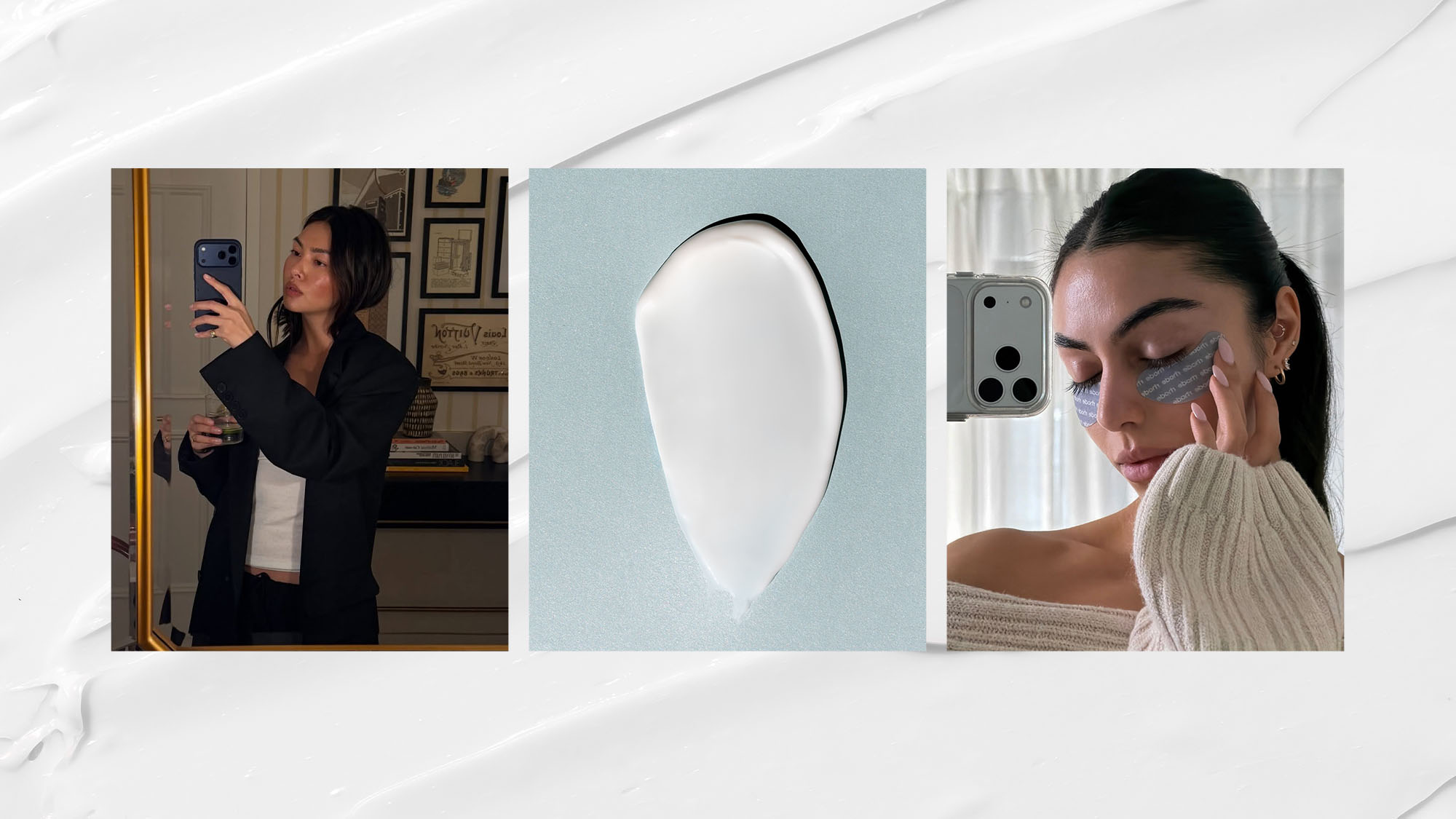
Skin streaming is the defining skincare trend of 2026 — a deliberate move away from bathroom shelves crowded with half-used serums, toward a tight stack of three to four products that each do real work. Dermatologists, celebrity facialists, and K-beauty formulators agree: the era of the 12-step routine is ending, and skin streaming is what is taking its place. After years of aggressive actives, viral product cycles, and sensitized barriers, consumers are rebuilding their routines around fewer, smarter products that protect long-term skin health.
The numbers tell the story. Google search interest for "skin streaming" and "skinimalism" climbed sharply through Q1 2026, and Boots' 2026 Beauty & Wellness Trends Report named minimalist routines as one of the year's top three growth categories. Celebrity facialist Michaella Bolder — who works on faces including Olivia Munn — frames the shift bluntly: "Skinimalism is a movement of using less steps but smarter skincare formulations." This guide breaks down what skin streaming actually is, how to build one for your skin type, and why dermatologists are calling it the most evidence-backed trend of the year.
What Is Skin Streaming, Exactly?
Skin streaming is the practice of paring your skincare down to three or four essential products, each chosen for a specific, evidence-based purpose. Unlike skinimalism — a broader philosophy of "less is more" — skin streaming is operational. It tells you exactly what stays in the routine and what gets cut. The typical streamlined stack looks like this: a gentle cleanser, one targeted treatment serum, a barrier-supporting moisturizer, and broad-spectrum SPF in the morning.
The trend is rooted in a hard truth that dermatologists have repeated for years: layering too many actives at once damages the stratum corneum, dilutes ingredient efficacy, and frequently triggers the very irritation consumers are trying to fix. By contrast, a streamed routine gives each ingredient room to absorb, react, and perform. This is also why skin streaming pairs naturally with K-beauty's 2026 ingredient pivot toward biotech heroes like PDRN salmon DNA, beta-glucan, and ectoin: these single ingredients are powerful enough to anchor an entire routine.
Why Skin Streaming Is Trending in 2026
Three forces converged this year to push skin streaming from TikTok niche into mainstream practice. First, barrier fatigue. The aggressive-actives era — high-percentage retinoids, daily exfoliating acids, layered vitamin C — left a generation of users with sensitized skin, persistent redness, and broken barriers. Dermatologists were diagnosing "over-washed face" and rosacea-like reactions in patients who had simply done too much. The corrective swing was inevitable.
Second, the longevity reframe. Skincare in 2026 is being marketed less around instant glow and more around long-term skin health. Aderonke Obayomi, MD, a board-certified dermatologist quoted in Who What Wear's 2026 trends report, summarizes the new question consumers are asking: "Will this actually work long-term?" Skin streaming aligns perfectly with that lens because every product in the stack must justify its place over years, not days.
Third, economics. With fewer products doing more work, consumers are reallocating budget toward higher-quality formulations. Boots' 2026 report shows premium single-ingredient serums outpacing multi-product gift sets for the first time in a decade. The result is a routine that costs roughly the same as a 10-step regimen but delivers more measurable results — exactly the value calculation modern shoppers want.
How to Build a Skin Streaming Routine for Your Skin Type
The framework is simple but the product selection requires precision. Start by identifying your single biggest skin concern — barrier weakness, dullness, hyperpigmentation, fine lines, or breakouts — and build the entire stack around addressing it. Below is the canonical four-product structure dermatologists recommend in 2026.
STEP 1 — CLEANSE. One gentle, low-pH cleanser used morning and night. For dry or sensitive skin, a cream or oil cleanser; for combination or oily skin, a low-foaming gel. Skip double cleansing unless you wear heavy SPF or makeup, in which case a single oil cleanse at night is sufficient. Reference: Korean Cleansing Oils Guide 2026.
STEP 2 — TREAT. One concern-targeted serum. This is the workhorse of the entire stack. Choose one of: PDRN or polynucleotide serum for regeneration, beta-glucan or ectoin for barrier rebuilding, niacinamide for tone and pores, or a low-dose retinal for anti-aging. Crucially, do not stack two active serums in the same routine. If you have multiple concerns, alternate AM and PM, or alternate days.
STEP 3 — MOISTURIZE. One barrier-supporting moisturizer with ceramides, cholesterol, and fatty acids. A well-formulated cream replaces what would otherwise be three products: an essence, a hydrating serum, and a cream. See 10 Best Korean Moisturizers 2026 for dermatologist-vetted picks.
STEP 4 — PROTECT. Broad-spectrum SPF 30+ every morning, no exceptions. This is the only product no skin streamer skips. UV exposure remains the single largest driver of skin aging, and any routine that omits SPF is structurally incomplete regardless of how many serums sit underneath it.
Skin Streaming vs. Traditional 10-Step K-Beauty: Which Wins?
This is the question that dominates Korean beauty forums in 2026, and the answer is more nuanced than the headlines suggest. The traditional 10-step Korean routine — oil cleanser, water cleanser, toner, essence, ampoule, serum, sheet mask, eye cream, moisturizer, SPF — was never designed to be done daily by everyone. It evolved as a menu of options that Korean women adapted to skin condition, season, and weekly cycle. The Western misreading was treating it as a daily checklist.
Skin streaming is closer to how skilled K-beauty users actually behave: a small, stable core routine, with optional add-ons (spicule treatments, masks, exfoliants) used once or twice weekly rather than daily. K-beauty brands themselves have pivoted: Beauty of Joseon, Anua, and Round Lab now build product lineups around 3-step "essential trios" rather than full ten-step shelves. The trend is also visible in the rise of Bloom Skin, the 2026 glass skin successor that emphasizes barrier health over layered shine.
For sensitive, reactive, or compromised skin, skin streaming is unambiguously better. See our Korean Skincare for Sensitive Skin 2026 routine for a fully streamed protocol designed around redness and barrier repair. For mature skin pursuing aggressive anti-aging, a streamed core with two strategic weekly add-ons typically outperforms daily layering of multiple actives.
Best Hero Ingredients for a Skin Streaming Routine
Because the entire routine hinges on the treatment serum, ingredient choice matters more than ever. Dermatologists in 2026 are converging on a short list of single ingredients robust enough to anchor a streamed stack. PDRN (polydeoxyribonucleotide) leads the regenerative category, with clinical data showing improved hydration, elasticity, and barrier function within 8 to 12 weeks. Beta-glucan and ectoin lead the barrier-repair category, both outperforming hyaluronic acid in deep hydration and anti-inflammatory response.
For tone and texture, niacinamide at 5 percent remains the most evidence-backed single ingredient: it improves barrier lipid synthesis, reduces transepidermal water loss, fades hyperpigmentation, and refines pore appearance — four mechanisms in one molecule, exactly the multifunction profile a streamed routine demands. For anti-aging, retinaldehyde (retinal) is replacing retinol in 2026 streamed routines because it converts to retinoic acid in fewer steps and delivers comparable results with less irritation.
Expert Insights: What Dermatologists and Facialists Say
Aderonke Obayomi, MD, board-certified dermatologist, in Who What Wear: "The shift toward longevity-focused skincare means people are finally asking whether a product will work long-term, not just whether it gives immediate gratification. Streamed routines fit that model because every product earns its place over months, not minutes."
Michaella Bolder, celebrity facialist: "Skinimalism is a movement of using less steps but smarter skincare formulations. The clients I see with the best skin in 2026 are not the ones with the biggest cabinets. They are the ones who have edited their routines down to what genuinely works."
Dr. Christine Hall, aesthetic doctor, in Marie Claire: "Bombarding the skin with too many actives at once damages the barrier and reduces the effectiveness of the ingredients you actually want to work. A streamed routine paired with a single high-quality treatment outperforms a layered one almost every time in clinic."
Common Skin Streaming Mistakes to Avoid
The most common mistake is streaming the wrong products. Cutting the moisturizer or skipping SPF in the name of minimalism defeats the purpose entirely. Skin streaming reduces redundancy, not essentials. The four-step structure — cleanse, treat, moisturize, protect — is the floor, not the ceiling.
The second mistake is rotating treatment serums weekly chasing trends. A streamed routine works because consistency lets one active accumulate measurable results over 8 to 12 weeks. Switching every two weeks from PDRN to retinal to vitamin C delivers none of the long-term benefit any single one would provide.
The third mistake is under-applying. Half a pump of moisturizer because the bottle "should last longer" is a streamed routine sabotaging itself. Use the manufacturer-recommended amount — typically two pumps for serum, a generous nickel-sized dollop for moisturizer, and a quarter-teaspoon for facial SPF.
You May Also Like
- K-Beauty for Beginners 2026: Essential Products and the Routine
- Korean Skincare for Sensitive Skin 2026: The Complete K-Beauty Routine
- Bloom Skin 2026: K-Beauty's Glass Skin 2.0 Trend Explained
- Beta-Glucan Skincare 2026: The Barrier-Repair Hero Outperforming Hyaluronic Acid
FAQ
Q: How is skin streaming different from skinimalism?
A: Skinimalism is a philosophy — less is more. Skin streaming is the operational version: a defined four-step protocol (cleanse, treat, moisturize, protect) with a single targeted serum doing the heavy lifting. Skinimalism describes the mindset; skin streaming describes the routine.
Q: Can skin streaming work for mature or anti-aging skin?
A: Yes, and dermatologists frequently recommend it for mature skin specifically. The treatment serum slot is occupied by a regenerative active — PDRN, retinal, or peptides — and weekly add-ons such as a spicule treatment or PLLA serum supply intensive boosts without overloading the daily routine.
Q: Is skin streaming the same as the "less is more" approach for sensitive skin?
A: Conceptually similar, but skin streaming is more structured. Sensitive-skin routines simply remove irritants; skin streaming additionally specifies which barrier hero (beta-glucan, ectoin, centella) anchors the treatment slot and how often weekly recovery products are layered in.
Q: How long until I see results from a streamed routine?
A: Barrier-related improvements — reduced redness, less tightness, fewer reactive flares — typically appear within two to four weeks. Tone, texture, and fine line improvements from regenerative actives like PDRN or retinal require 8 to 12 weeks of consistent use to become measurable.
Q: Can I still use sheet masks, exfoliants, or spicule treatments on a streamed routine?
A: Yes, as weekly add-ons rather than daily steps. The principle is one to two intensive treatments per week, scheduled on days when no active serum is being layered. This preserves the streamed structure on most days while allowing periodic boosts.
The Bottom Line
Skin streaming is the most evidence-aligned skincare trend of 2026 because it solves the actual problem the last decade created: barrier-damaged, over-treated skin that more product cannot fix. Pair a single concern-targeted serum with a strong barrier moisturizer, daily SPF, and a gentle cleanser, and you have a routine dermatologists, facialists, and K-beauty formulators all agree will outperform a 10-step regimen for the vast majority of users. Edit ruthlessly, stick with one active long enough to see what it actually does, and let your skin do the rest.
Sources: Who What Wear, Vogue Scandinavia, Beauty Independent, Boots 2026 Beauty & Wellness Trends Report.


댓글
댓글 쓰기