Best Tinted Sunscreens 2026: 7 New SPFs Replacing Foundation
Best Tinted Sunscreens 2026: The New SPFs That Make Foundation Obsolete
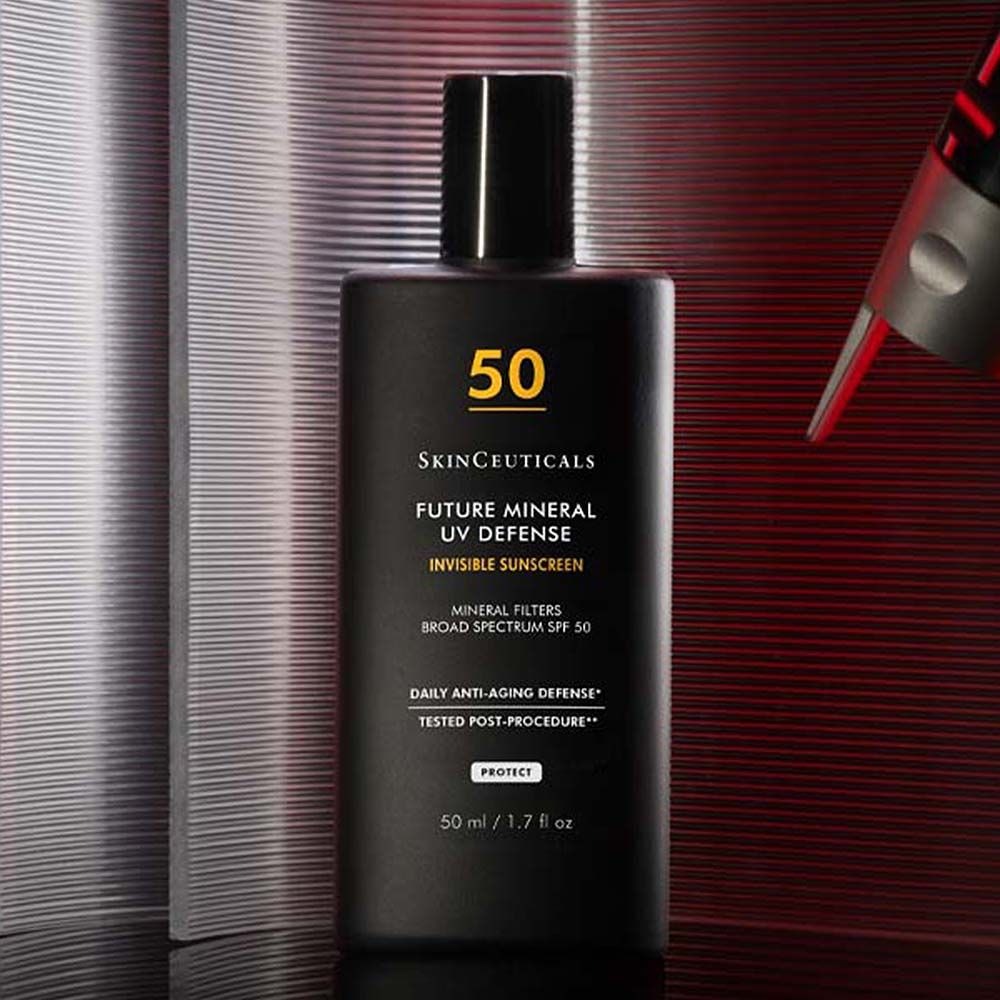
The best tinted sunscreens of 2026 are not just sun protection anymore — they are full-blown skincare treatments that eliminate the need for foundation entirely. This April alone saw major launches from SkinCeuticals, ILIA Beauty, and Dezi Skin that combine clinical-grade UV protection with visible skin correction, anti-aging actives, and all-day hydration. If you are still layering moisturizer, sunscreen, and foundation as three separate steps, the newest tinted SPFs are about to revolutionize your morning routine.
Board-certified dermatologist Dr. Mona Gohara confirms the shift: "The best tinted sunscreens are sunscreens first, tested as such, with makeup benefits baked in — not the other way around." With iron oxides providing additional defense against visible light and blue light, these hybrid products do more for your skin than traditional foundation ever could.
Why Tinted Sunscreens Are Replacing Foundation in 2026
The tinted sunscreen category has exploded because of three converging trends. First, the skin longevity movement has consumers prioritizing long-term skin health over heavy cosmetic coverage. Second, clinical research now proves that iron oxides in tinted sunscreens provide significantly better protection against visible light-induced hyperpigmentation than untinted mineral filters alone. Third, formulation technology has advanced to deliver tints that adapt to multiple skin tones without the chalky, mask-like finish that plagued earlier generations.
A 2026 study published in the Journal of the American Academy of Dermatology found that tinted mineral sunscreens with iron oxides reduced melasma severity scores by 15% more than non-tinted mineral SPFs over 12 weeks. This protection against visible light — which penetrates deeper into skin than UVA — makes tinted formulas the scientifically superior choice for anyone concerned about aging, dark spots, or uneven tone.
1. SkinCeuticals Future UV Mineral Defense SPF 50 — Best Anti-Aging Tinted Sunscreen
Price: $60 | Protection: Broad-spectrum SPF 50 | Key Ingredient: 15% zinc oxide in patent-pending emulsion
SkinCeuticals has long been the gold standard in dermatologist-recommended suncare, and their Future UV Mineral Defense represents a genuine leap forward. This is the first tinted mineral sunscreen with independently verified anti-aging clinical data: a 27% reduction in wrinkles and dark spots and a 32% decrease in fine lines in clinical testing. The patent-pending emulsion technology ensures the 15% zinc oxide disperses into an elegant, lightweight texture that feels nothing like traditional mineral sunscreens.
What sets this apart from competitors is the dual-action approach. While other tinted SPFs protect against future damage, SkinCeuticals has engineered a formula that actively reverses existing signs of aging while shielding against new UV exposure. The tint provides natural-looking coverage that blurs imperfections without settling into fine lines — a common complaint with tinted SPFs in the $30-40 range.
2. ILIA Sun Serum Mineral Sunscreen SPF 50 — Best for Sensitive Skin
Price: $40 | Protection: Broad-spectrum SPF 50 | Shades: Light-Medium, Medium-Deep
ILIA founder Sasha Plavsic calls Sun Serum "your new daily driver," and after its April 7 launch at Sephora, it is already generating buzz as the most wearable mineral tinted sunscreen of the year. This is ILIA's first-ever standalone sunscreen, and the brand spent years developing a formula that feels more like a hydrating serum than sun protection.
The formula features seven molecular weights of hyaluronic acid for multi-depth hydration, plant-derived Aquaxyl for barrier reinforcement, and Echinacea Purpurea plus Rhodiola Rosea extracts for sebum control. Clinical testing showed 100% of participants reported lightweight comfortable wear, 100% experienced all-day hydration, and 98% noted all-day shine control. The gel-cream texture transforms into a water-burst finish on application — a sensation that makes you forget you are wearing mineral SPF at all.
Certified clean, vegan, cruelty-free (Leaping Bunny), and dermatologist-tested, ILIA Sun Serum represents the pinnacle of the "skincare as sun protection" philosophy. Available exclusively at Sephora.com and iliabeauty.com, with in-store Sephora availability beginning April 30.
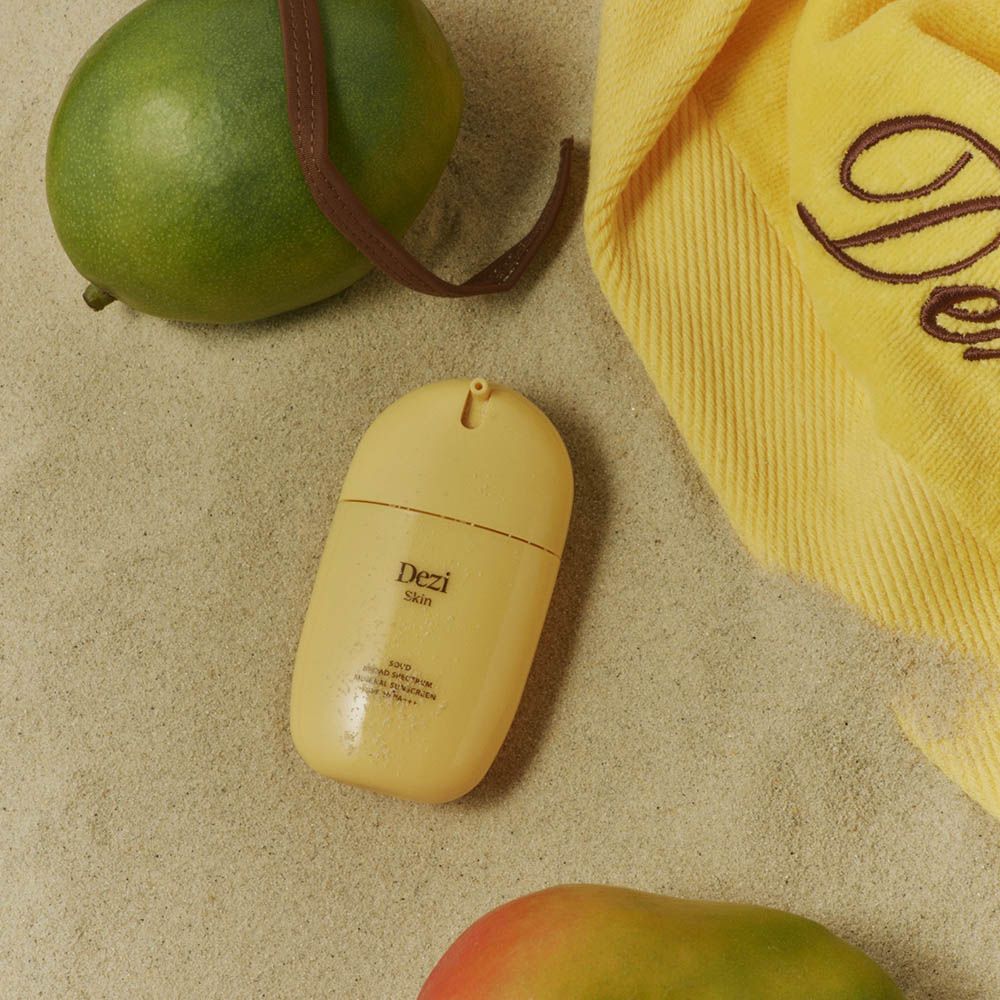
3. Dezi Skin SOL'D Broad Spectrum Mineral Sunscreen SPF 30 — Best for No White Cast
Price: $38 | Protection: Broad-spectrum SPF 30 PA+++ | Finish: Soft-focus sheen
Created by influencer Desi Perkins, Dezi Skin SOL'D solves the number one complaint about mineral sunscreens: white cast. The zinc oxide-based formula uses a pink tint that neutralizes the ashy finish that plagues most mineral SPFs on medium and deep skin tones. The buttery texture blends effortlessly, leaving behind a soft-focus finish that mimics the look of a blurring primer.
Key ingredients include squalane, shea butter, and allantoin for intense hydration without heaviness. The PA+++ rating confirms strong UVA protection, making this particularly valuable for preventing photoaging and hyperpigmentation. If you have ever abandoned mineral sunscreen because of the ghost-face effect, SOL'D is designed specifically for you.
4. Babo Botanicals Hydrating Mineral Sunscreen Milk SPF 30 — Best Budget Pick
Price: $25 | Protection: Broad-spectrum SPF 30 | Formula: Liquid zinc oxide reverse emulsion
At $25, Babo Botanicals proves that effective tinted mineral sun protection does not require a luxury price tag. The brand uses patented water-in-oil reverse emulsion technology with liquid zinc oxide — a formulation approach that creates a dewy, hydrating finish rather than the matte, cakey texture of traditional zinc sunscreens.
The milk texture is specifically designed for sensitive and reactive skin types. Fragrance-free and dermatologist-tested, it works beautifully on eczema-prone skin and post-procedure skin that cannot tolerate chemical UV filters. The light tint provides just enough color to even out minor redness without looking like makeup — ideal for the "I woke up like this" aesthetic.
5. Colorescience Sunforgettable Total Protection Face Shield Flex SPF 50 — Best for Melasma
Price: $49 | Protection: Broad-spectrum SPF 50 | Technology: EnviroScreen with iron oxides
Dermatologists have recommended Colorescience Face Shield Flex for years, and the 2026 formulation remains the clinical gold standard for visible light protection. The combination of zinc oxide and iron oxides provides comprehensive defense against UVA, UVB, visible light, and infrared radiation — the full spectrum that triggers melasma flares and post-inflammatory hyperpigmentation.
Available in multiple shade ranges, Face Shield Flex self-adjusts to your skin tone during application, making shade-matching nearly foolproof. For anyone managing hormonal pigmentation, this is the one product dermatologists reach for first when building a sun protection protocol.
6. EltaMD UV Daily Tinted SPF 40 — Best Dermatologist Office Staple
Price: $39 | Protection: Broad-spectrum SPF 40 | Key Active: 9% zinc oxide + 5% niacinamide
EltaMD has earned its position as the sunscreen brand most recommended by U.S. dermatologists, and UV Daily Tinted remains their most versatile everyday formula. The combination of 9% zinc oxide with 5% niacinamide makes it uniquely suited for acne-prone, rosacea-prone, or reactive skin — the niacinamide actively calms inflammation while the zinc provides physical barrier protection.
The sheer tint is light enough to work across a wide range of skin tones without leaving behind noticeable color. As we discussed in our skin barrier repair guide, niacinamide strengthens the skin's natural defense mechanisms — getting it delivered through your daily SPF is a smart two-for-one approach to barrier health.
7. Live Tinted HUEGUARD Skin Tint SPF 50 — Best Shade Range
Price: $36 | Protection: Broad-spectrum SPF 50 | Filters: 100% mineral non-nano zinc oxide + iron oxides
Founded by beauty influencer Deepica Mutyala, Live Tinted was built specifically to address the shade limitations that have historically excluded deeper skin tones from mineral sun protection. HUEGUARD Skin Tint offers light-to-medium buildable coverage with a radiant, skin-like finish across an inclusive shade range that actually looks natural on brown and Black skin.
The 100% mineral non-nano zinc oxide combined with iron oxides defends against UV and visible light without the ashy residue. For deeper complexions that have long struggled to find a mineral SPF that does not look chalky, HUEGUARD represents a genuine breakthrough in inclusive sun protection formulation.
How Dermatologists Recommend Choosing Your Tinted Sunscreen
Not every tinted SPF suits every skin type. Here is how dermatologists recommend matching your tinted sunscreen to your specific concerns:
FOR AGING AND WRINKLES: Choose formulas with added anti-aging actives. SkinCeuticals Future UV leads this category with clinical proof of wrinkle reduction. Look for zinc oxide concentrations of 12% or higher for maximum UVA protection, as UVA rays are primarily responsible for photoaging and collagen degradation.
FOR OILY AND ACNE-PRONE SKIN: Prioritize oil-free formulas with niacinamide or sebum-controlling botanicals. EltaMD UV Daily and ILIA Sun Serum both excel here — the former with 5% niacinamide, the latter with Rhodiola Rosea for natural shine control lasting up to 8 hours.
FOR SENSITIVE AND REACTIVE SKIN: Fragrance-free, minimal ingredient lists are essential. Babo Botanicals and EltaMD are both dermatologist-tested for reactive skin. Avoid formulas with essential oils or botanical fragrances that can trigger contact dermatitis. As our Korean sunscreen guide notes, K-beauty brands excel at gentle yet effective SPF formulation for sensitive skin types.
FOR MELASMA AND HYPERPIGMENTATION: Iron oxide content is non-negotiable. Colorescience Face Shield Flex and Live Tinted HUEGUARD both provide the visible light protection that prevents melasma triggering. Pair with a vitamin C serum in the morning for synergistic brightening and photoprotection.
The Science Behind Tinted vs. Untinted Mineral Sunscreen
Understanding why tinted mineral sunscreens outperform untinted versions requires understanding the electromagnetic spectrum. Traditional sunscreens — both chemical and mineral — protect against UVB (290-320nm) and UVA (320-400nm) radiation. However, visible light (400-700nm) also damages skin, particularly in individuals with darker skin tones where visible light triggers significantly more pigmentation than UV alone.
Iron oxides, the pigments that give tinted sunscreens their color, are uniquely effective at blocking visible light wavelengths. A landmark study from the University of Sao Paulo demonstrated that tinted sunscreens with iron oxides reduced visible light transmission by over 90% compared to just 50% with untinted zinc oxide alone. For the estimated 5 million Americans managing melasma and the many more concerned about uneven skin tone, this additional protection layer is clinically meaningful.
This aligns with the broader skin longevity approach that dermatologists now champion — protecting against ALL sources of skin damage rather than just the UV radiation we have traditionally focused on.
FAQ
Q: Can tinted sunscreen really replace foundation?
A: Yes, for many people. The newest tinted SPFs provide light-to-medium coverage that evens skin tone, blurs imperfections, and provides a natural finish. However, if you need full coverage for acne scarring or significant discoloration, you may still want to layer a concealer over your tinted SPF in targeted areas rather than applying full-face foundation.
Q: How much tinted sunscreen should I apply for adequate protection?
A: The same amount as any sunscreen — approximately two finger-lengths (about 1/4 teaspoon) for the face alone. Many people under-apply tinted sunscreens because they treat them like foundation. If you are applying a thin layer for natural coverage, you are likely not getting the labeled SPF protection. Apply generously and let it set before makeup.
Q: Do tinted mineral sunscreens work on dark skin tones?
A: Modern formulations like Live Tinted HUEGUARD and Dezi Skin SOL'D are specifically designed to work beautifully on deeper skin tones without white cast or ashy finish. Look for products that use iron oxides and adaptive pigments rather than simple titanium dioxide, which tends to leave visible residue on darker complexions.
Q: Is SPF 30 enough, or should I always choose SPF 50?
A: SPF 30 blocks approximately 97% of UVB rays, while SPF 50 blocks about 98%. The difference is clinically minimal. What matters more is proper application amount and reapplication every two hours during sun exposure. A well-applied SPF 30 outperforms an under-applied SPF 50 every time.
Q: Can I use tinted sunscreen with retinol or other actives?
A: Absolutely — tinted mineral sunscreens are ideal partners for active ingredients like retinol, vitamin C, and AHAs because mineral filters sit on top of the skin rather than absorbing into it. They create a physical barrier that does not interact with your actives underneath. As discussed in our retinol vs bakuchiol guide, robust sun protection is essential when using any photosensitizing active ingredient.
You May Also Like
- Korean Sunscreen 2026: Why K-Beauty SPF Is Years Ahead of the Rest
- Skin Barrier Repair 2026: K-Beauty's Best Ceramide and Postbiotic Products
- Hyaluronic Acid Skincare Guide 2026: Types, Benefits, and 10 Best K-Beauty Products
The Bottom Line
The tinted sunscreen category in 2026 has reached a tipping point where the best formulas genuinely outperform the combination of separate moisturizer, SPF, and foundation. SkinCeuticals Future UV leads for anti-aging seekers with its clinical data, ILIA Sun Serum wins for everyday wearability, and Dezi Skin SOL'D finally solves the white cast problem. Whether you invest $25 or $60, every option on this list delivers dermatologist-approved protection with skin-perfecting coverage that simplifies your routine while protecting your skin for the long term. Your foundation might just become obsolete.
Sources: NewBeauty April 2026 Launches | ILIA Beauty Official Launch | Today.com Dermatologist Picks


댓글
댓글 쓰기