Cloud Skin 2026: Inside The Blurred Makeup Trend Surging 870% (And How K-Beauty Sparked It)
Cloud Skin 2026: Inside The Blurred Makeup Trend Surging 870% (And How K-Beauty Sparked It)
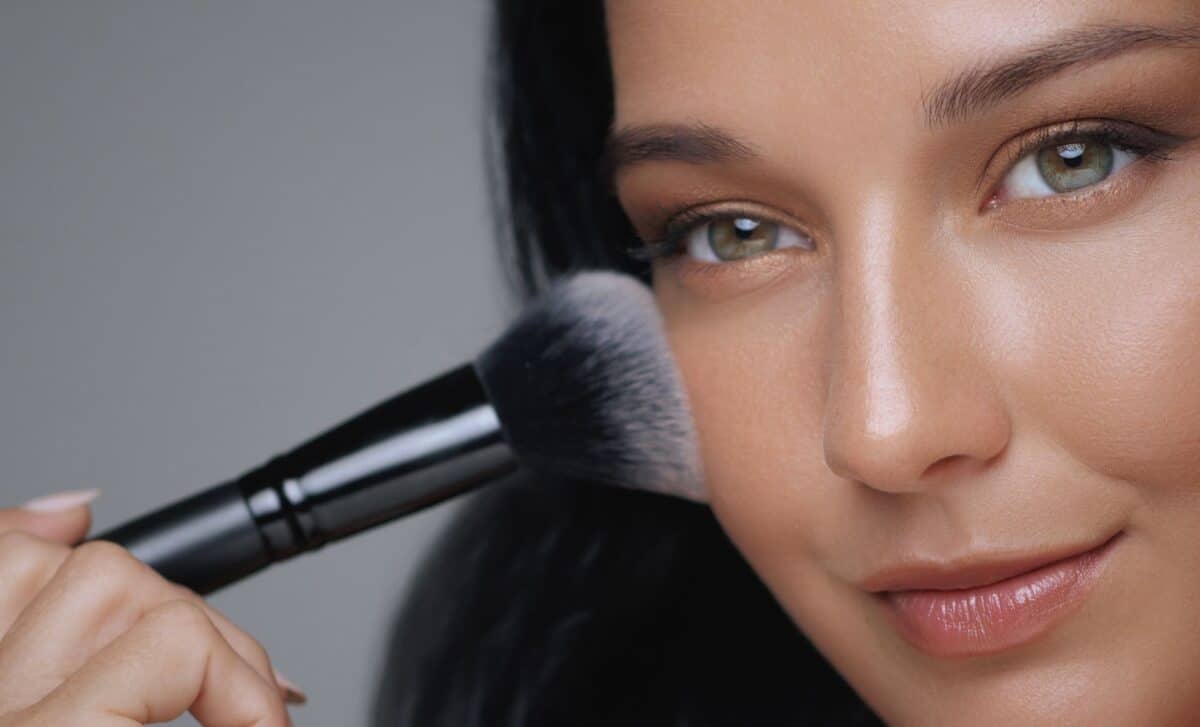
Cloud skin is officially the first viral makeup trend of 2026, with online searches surging more than 870% in the first quarter alone. Unlike the dewy, mirror-finish glass skin look that dominated K-beauty for the past five years, cloud skin makeup is a soft-focus, weightless complexion technique that mimics the look of a digital filter in real life. The trend is reshaping how foundations are formulated, how primers are layered, and how Korean beauty brands talk about "skin finish" in 2026.
What makes the cloud skin trend different from every other "no-makeup makeup" idea of the last decade is the engineering behind it. The blur is not from heavy powder or silicone-laden primers. It is from a deliberate stack of hydrating skincare, sheer skin tints, cream textures, and a single pinpoint of mattifying powder placed only where oil breaks through. The result is skin that looks bouncy and lit-from-within without ever appearing wet, sticky, or heavy in humid weather, which is exactly why Korean and Southeast Asian editors pushed it forward this year.
What Is Cloud Skin? The Soft-Focus Definition
Cloud skin is defined by a soft, matte, and bouncy finish inspired by clouds. The technique seamlessly matches, blends, and blurs makeup into the complexion to create a subtly luminous, smooth, and ethereal version of the bare face. Where glass skin emphasized reflectivity and high-shine, cloud skin emphasizes diffusion. Light hits the face and scatters rather than bouncing back in a single highlight.
The aesthetic comes from three principles that K-beauty makeup artists have been refining since late 2025. First, the skin must be deeply hydrated before any base product touches it. Second, every base layer must be sheer enough to let some natural texture show through. Third, the only "set" areas are the T-zone and the inner cheeks; everywhere else stays slightly tacky, which is what gives the finish its three-dimensional, plush quality. As we covered in our Skinification 2026 guide, this hybrid skincare-makeup philosophy is the driving force behind the new generation of Korean tinted moisturizers and serum foundations.
Why Cloud Skin Is Replacing Glass Skin In 2026
Glass skin had a problem its fans rarely admitted: it photographed beautifully and lived terribly. In humid climates, the look slid into greasy within an hour. In cold, dry climates, the highlighter strips emphasized every fine line. Cloud skin solves both problems by trading shine for diffusion. The blurred finish reads as "expensive skin" in person and on camera, holds up under heat and humidity, and forgives texture rather than spotlighting it.
K-beauty's pivot toward cloud skin also tracks a larger 2026 shift in skincare priorities. Consumers are moving away from the quick-fix, high-shine aesthetic toward what the industry now calls "skin longevity," a philosophy focused on barrier health, hydration depth, and long-term skin function rather than instant gratification. Cloud skin makeup is the visual expression of that shift. Skin that looks well rested, well hydrated, and well taken care of, not skin that has been polished into a mannequin.
How To Get Cloud Skin: The K-Beauty Method
The cloud skin technique has five layers, and every layer is intentional. Skipping any one of them collapses the finish into either flat matte or shiny dewy.
Layer 1 — Deep hydration. Start with a humectant-rich essence or hydrating toner, then layer a lightweight moisturizer. Korean artists often press in a polyglutamic acid serum at this stage because it binds water more efficiently than hyaluronic acid alone. If you are new to the ingredient, our Polyglutamic Acid 2026 explainer breaks down why it has become the prep step for almost every viral 2026 base.
Layer 2 — A blurring primer, used sparingly. Press, do not rub, a pea-sized amount of a soft-focus primer onto the center of the face. Avoid silicone-heavy "filling" primers; they create a wax-paper finish that fights cloud skin's natural look. Look for primers with niacinamide, panthenol, or hydrolyzed silk that blur visually without sealing the skin.
Layer 3 — Sheer skin tint or watery foundation. Apply a lightweight skin tint with the fingers, working from the center of the face outward. Coverage should be roughly 20 to 30 percent. The goal is to even out tone, not erase texture. Damp sponges sheer the product out further if needed.
Layer 4 — Cream blush and cream bronzer. Powders kill the cloud finish. Cream blush placed on the apples of the cheeks and blended upward, plus a soft cream bronzer at the temples and jawline, gives dimension without disrupting the diffused texture.
Layer 5 — Strategic powder. Use a finely milled translucent powder only on the T-zone and around the nose. Everywhere else stays bare. This is the single most important step, and the one most beginners overcorrect.
The K-Beauty Products Driving The Trend

Korean brands have been quick to repackage existing hero products under the cloud skin banner, but a few formulas genuinely earn the label. Hera's Black Cushion in a soft-matte finish, Clio's Kill Cover Glow Fitter in lighter shades, and Tirtir's Mask Fit Aura in the lower-coverage formula all deliver the diffused texture without flatness. Among Western brands, Armani's Luminous Silk and Nars Pure Radiant Tinted Moisturizer remain the gold-standard sheer bases that artists rely on for the same effect.
For finishing, the new generation of "soft blur" mineral powders from Innisfree and Etude House are formulated specifically to absorb oil without leaving a chalky cast on darker skin tones, a flaw that defined first-generation mattifying powders. Cream blushes from Romand, Peripera, and Rare Beauty have become the cloud-skin staples because they melt into the base instead of sitting on top.
Expert Insights: What Dermatologists And Artists Say
Korean dermatologists have been broadly supportive of the cloud skin shift because the underlying behavior, deeply hydrating before makeup and using minimal powder, is genuinely good for the skin barrier. The longstanding criticism of glass skin from clinical dermatology was that the visible "wetness" often came from heavy occlusives that trapped sweat, sebum, and bacteria, contributing to clogged pores and breakouts in oily skin types. Cloud skin's emphasis on humectants over occlusives reduces that risk.
Makeup artists working backstage at Seoul Fashion Week in March 2026 noted that cloud skin also photographs better under the new generation of high-resolution camera sensors, which exaggerate any inconsistency in foundation. The diffused finish hides the micro-texture that high-shine bases tend to highlight. The same artists warned, however, that cloud skin is unforgiving on dehydrated or flaky skin. The technique amplifies whatever is happening underneath, which is why the prep skincare is non-negotiable.
For sensitive or barrier-compromised skin, pairing cloud skin with the gentler routine outlined in our Skin Streaming 2026 guide works particularly well, because both philosophies prioritize barrier function over layered actives.
Cloud Skin For Different Skin Types
Oily and combination skin: Use a mattifying primer on the T-zone only, swap the cream bronzer for a soft powder bronzer, and keep cream blush limited to the cheek apples. Set with translucent powder pressed, not buffed, into the skin.
Dry and mature skin: Add a facial oil mixed into your moisturizer at the prep stage, skip primer entirely, and reduce powder to a single pass on the inner T-zone. Use a damp sponge to push product into the skin rather than sitting on top of fine lines.
Sensitive and reactive skin: Choose fragrance-free skin tints with cica, panthenol, or centella asiatica. Avoid silicone-heavy primers, which can trigger flushing in rosacea-prone skin. Mineral-based finishing powders are gentler than talc-based formulas.
Cloud Skin And The Broader 2026 Beauty Shift
Cloud skin does not exist in isolation. It is one piece of a larger 2026 movement away from sharp, defined, "perfect" beauty toward soft, diffused, lived-in beauty. The same logic is showing up in the blurred lips trend, in the rise of brushed-up "soap brows," and in the return of cream eyeshadow over powder. Across the face, the message is the same: blur the edges, soften the contrast, and let the skin breathe.
This is also a strategic moment for K-beauty as a category. After a five-year cycle dominated by glass skin and the 10-step routine, Korean brands needed a new visual signature to drive the next wave of global growth. Cloud skin gives them one that is fresher, more inclusive across skin tones and climates, and more aligned with the broader skin longevity movement that Western dermatology has rallied behind.
You May Also Like
- Skinification 2026: Why Hybrid Skincare-Makeup Is Replacing Traditional Foundation
- Blurred Lips 2026: The Soft-Focus Lip Liner Trend Replacing Sharp Definition
- Polyglutamic Acid 2026: K-Beauty's New Hydration Hero
- K-Beauty Complete Guide 2026: The Ultimate Korean Skincare Handbook
FAQ
Q: What is cloud skin makeup, and how is it different from glass skin?
A: Cloud skin is a soft-matte, diffused complexion finish that uses sheer base products and minimal powder to mimic the look of a digital blur filter in real life. Glass skin, by contrast, is a high-shine, dewy finish that emphasizes reflectivity. Cloud skin holds up better in humidity and on high-resolution cameras.
Q: Is cloud skin a K-beauty trend or a Western trend?
A: Cloud skin originated in Korean makeup artistry as an evolution of the "honey skin" finish and was popularized globally through TikTok and Seoul Fashion Week in early 2026. It is firmly a K-beauty trend, though Western brands have adapted quickly with their own skin tints and blurring primers.
Q: What products do I need to start with cloud skin?
A: At minimum, you need a hydrating essence or moisturizer, a sheer skin tint or watery foundation, a cream blush, and a finely milled translucent powder. A blurring primer is helpful but optional. Avoid heavy full-coverage foundations and shimmer highlighters, which break the cloud finish.
Q: Can cloud skin work on oily skin?
A: Yes, but with adjustments. Use a mattifying primer only on the T-zone, choose a sheer base with a natural-matte finish rather than a dewy one, and set the T-zone and chin with a finely milled powder. Cream blush still works; just place it slightly higher on the cheekbone where oil is less of an issue.
Q: Why did cloud skin go viral in 2026 specifically?
A: Three factors converged. First, glass skin fatigue after five years of dominance. Second, the rise of high-resolution selfie cameras that exaggerate shiny finishes. Third, the broader skin longevity movement, which has pushed both consumers and brands toward gentler, hydration-focused routines that pair naturally with diffused makeup finishes.
The Bottom Line
Cloud skin is the most important makeup trend of 2026 not because it is new, but because it captures where K-beauty is heading: away from spectacle, toward longevity, and away from filters, toward skin that genuinely looks and feels healthier. The technique is achievable in under ten minutes with products most people already own, and it forgives a wider range of skin types and climates than glass skin ever did. If you have been holding onto a stash of high-shine highlighters and dewy foundations, this is the year to retire them.
For the deeper context on how K-beauty is evolving across skincare, makeup, and ingredients in 2026, start with our K-Beauty Complete Guide 2026, which is updated monthly with the latest viral trends and product launches.
Sources: Ultimate Face, Thailand Tatler, Flanelle Magazine, e.l.f. Cosmetics


댓글
댓글 쓰기