NMN Skincare 2026: The NAD+ Anti-Aging Ingredient Dermatologists Are Watching
NMN Skincare 2026: How NAD+ Boosting Ingredients Are Rewriting the Rules of Anti-Aging
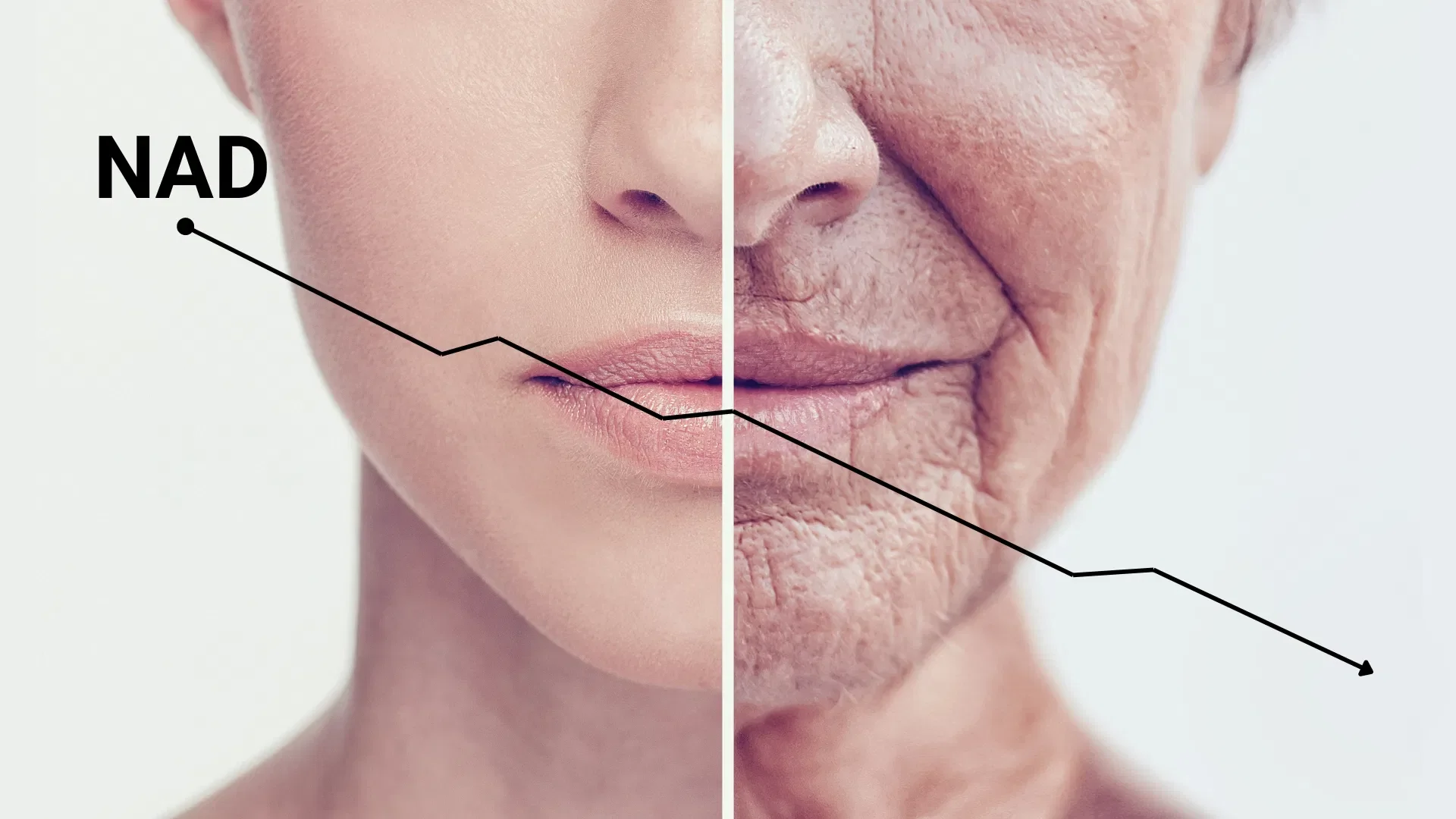
NMN skincare is quickly becoming the most talked-about development in anti-aging for 2026, as longevity science meets daily skincare routines. While retinol and vitamin C have dominated the conversation for years, a new generation of NAD+ supporting ingredients is emerging with a fundamentally different approach: instead of treating visible signs of aging on the surface, NMN targets the cellular energy decline that causes aging in the first place. Dermatologists and skincare scientists are now paying serious attention to nicotinamide mononucleotide, or NMN, as a topical active that could change how we think about skin aging, barrier repair, and long-term skin health.
What Is NMN and Why Does It Matter for Skin?
NMN stands for nicotinamide mononucleotide, a naturally occurring molecule that serves as a direct precursor to NAD+ (nicotinamide adenine dinucleotide). NAD+ is a coenzyme found in every living cell that powers critical biological processes including cellular energy production, DNA repair, and stress response regulation. The problem is that NAD+ levels decline steadily with age, dropping approximately 1-2% per year starting in the mid-twenties. By age fifty, most people have roughly half the NAD+ levels they had at twenty.
This decline is not just a number. Lower NAD+ directly translates to slower collagen synthesis, impaired UV repair capacity, accumulated senescent cells (sometimes called "zombie cells"), and a progressively thinner, less elastic skin barrier. NMN works by providing cells with the building blocks they need to replenish NAD+, effectively addressing aging at the mitochondrial level rather than just masking its symptoms.
As we explored in our Sirtuin Skincare 2026 guide, the SIRT1 pathway is central to cellular longevity. NMN fuels this exact pathway, activating SIRT1 which in turn suppresses collagen-degrading enzymes called MMPs and improves the skin's UV damage response.
The Science: What Research Actually Shows
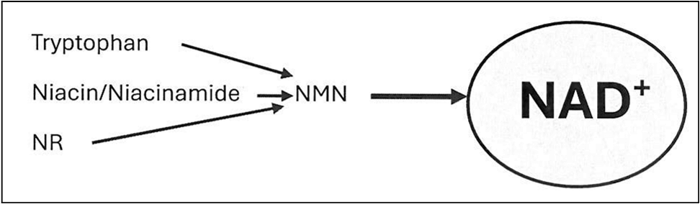
The evidence for NMN in skincare comes from multiple research angles. A landmark 2022 clinical trial involving 66 healthy adults ages 40-65 tested 300 mg per day of NMN supplementation for 60 days. The results showed that NMN significantly increased blood NAD+ levels compared to placebo, with participants also demonstrating improved physical performance markers. While this study focused on oral supplementation, it confirmed the fundamental premise that NMN can meaningfully raise NAD+ levels in humans.
For topical applications specifically, laboratory research has demonstrated remarkable results. Studies show that administering an NMN solution to the stratum corneum (the outermost skin layer) results in a 100-fold increase of NMN within the cells, while NAD+ levels rise by approximately four times. In cell culture studies, NMN increased collagen production by up to 70% in fibroblasts, the cells responsible for manufacturing collagen and elastin.
Animal model studies have been equally promising, showing significantly reduced wrinkle formation and skin surface roughness, improved skin hydration and elasticity, and enhanced UV damage recovery over ten-week treatment periods. Additionally, NMN fuels PARP enzymes, which are the molecular repair crews that fix UV-induced DNA strand breaks, providing a potential mechanism for photoaging prevention.
NMN vs. Niacinamide vs. NAD+: Understanding the Differences
One of the biggest points of confusion in this category is the relationship between NMN, niacinamide, and NAD+ itself. Here is what you need to know:
NAD+ is the active molecule your cells need, but it is too large to penetrate skin effectively when applied topically. Think of it as the destination, not the vehicle.
NMN is a smaller precursor molecule that shows better skin permeability in laboratory studies. Once inside the cell, NMN converts directly into NAD+, making it a more efficient delivery mechanism than NAD+ itself.
Niacinamide (vitamin B3) is the most evidence-backed and widely available NAD-supportive skincare ingredient. It has decades of clinical data supporting benefits for barrier strengthening, texture improvement, pore refinement, and overall skin resilience. Dermatologists frequently highlight niacinamide for its versatility, affordability, and long-term skin benefits.
The practical takeaway: niacinamide remains the gold standard for accessible NAD+ pathway support. NMN represents the next evolution, offering potentially more direct NAD+ replenishment, but with less long-term clinical data in topical formats. Smart formulations often combine both.
7 Best K-Beauty NMN and NAD+ Products for 2026
Korean beauty brands are leading the charge in incorporating NMN and NAD+ into topical skincare, bringing the same innovation mindset that produced K-beauty hits like snail mucin and PDRN. Here are the standout products to watch:
1. numbuzin No. 9 NAD Bio Lifting-sil Essence - A peptide-focused formula with NAD support designed for firming and lifting. Numbuzin has built a reputation for transparent formulations, and this essence pairs NAD+ actives with signal peptides for a multi-mechanism approach to skin tightening.
2. BIOHEAL BOH NAD-PRIZCELL Glow Power Serum - From the Olive Young powerhouse brand we covered in our BIOHEAL BOH deep dive, this serum emphasizes antioxidant protection and barrier repair alongside NAD+ pathway activation. The combination targets both prevention and repair.
3. EQQUALBERRY NAD+ Peptide Boosting Serum - Combines both NAD+ and NMN with ceramides for a barrier-first approach. This is notable because it addresses the common criticism that NAD+ products neglect the skin barrier while chasing cellular energy metrics.
4. Derma Factory NMN 1% Renewing Serum - One of the highest-concentration NMN topical products available, featuring a 1% NMN formulation with a minimal, functional base. For ingredient purists who want maximum NMN concentration without fillers.
5. Haruharu Wonder Black Rice Probiotics Barrier 2% NAD+ Serum Mist - A unique mist format that combines NAD+ with black rice probiotics for barrier support and microbiome balance. The spray delivery makes it ideal for layering into existing routines without disruption.
6. Sungboon Editor Green Tomato NMN Pore Hydro Soothing Toner - A hydration-focused toner with trace NMN, designed for oily and combination skin types. The green tomato extract adds pore-refining benefits while NMN works at the cellular level.
7. CNP Derma Answer Pore Firming Ampoule - A sophisticated formula combining NMN with PDRN and low-level retinol. This triple-active approach is especially interesting because it pairs cellular energy restoration (NMN) with DNA repair (PDRN) and cell turnover acceleration (retinol), creating a comprehensive anti-aging cocktail.
How NMN Compares to Other Longevity Ingredients
NMN does not exist in isolation. It is part of a broader longevity skincare movement that includes several complementary ingredients, many of which we have covered in detail:
NMN + PDRN: As trending K-beauty formulations show, combining NMN with PDRN (polydeoxyribonucleotide) creates a dual-action approach. NMN restores cellular energy while PDRN provides DNA fragments for tissue regeneration. The CNP Derma Answer Ampoule mentioned above uses exactly this combination.
NMN + Exosomes: Exosomes deliver cell-to-cell signaling molecules that can direct repair processes, while NMN provides the energy those processes require. Think of exosomes as the instructions and NMN as the fuel.
NMN + Copper Peptides: GHK-Cu copper peptides stimulate collagen synthesis and wound healing through a different mechanism than NMN. Together they attack collagen loss from multiple angles: energy supply (NMN) and direct stimulation (copper peptides).
NMN + Resveratrol: These two ingredients work synergistically on the SIRT1 pathway. NMN provides the NAD+ fuel while resveratrol activates the SIRT1 enzyme itself, creating a more potent longevity signal than either ingredient alone.
What Dermatologists Actually Say About NMN Skincare
Dermatologists approach NMN skincare with cautious optimism. The consensus among skin experts is that the science behind NAD+ decline and its impact on skin aging is robust and well-established. The cellular mechanisms are clear: boosting NAD+ levels improves energy production, DNA repair, and barrier function at the fundamental level.
However, experts also emphasize important caveats. Topical NAD+ itself is unlikely to penetrate deeply or enter skin cells intact due to its molecular size. This is precisely why NMN, as a smaller precursor, has attracted more attention for topical applications. Even so, the clinical evidence for topical NMN specifically remains in its early stages, with most compelling data coming from cell culture and animal studies rather than large-scale human clinical trials.
The dermatological recommendation for 2026 is to view NMN skincare as supportive care within a comprehensive routine, not a standalone miracle solution. Niacinamide remains the proven NAD+ pathway supporter with the strongest evidence base. NMN products are best used as complementary actives alongside established ingredients like retinoids, vitamin C, and sunscreen.
For a comprehensive overview of evidence-based anti-aging strategies, see our Anti-Aging Skincare Guide 2026.
How to Incorporate NMN Into Your Skincare Routine
If you want to try NMN skincare, here is a practical approach based on current evidence and dermatologist recommendations:
Step 1 - Start with niacinamide. If you are not already using a niacinamide product, begin here. It is the most accessible and proven way to support NAD+ pathways in your skin. A 5% niacinamide serum is the sweet spot for most skin types.
Step 2 - Add an NMN serum. Apply your NMN product after cleansing and toning but before heavier creams and oils. Morning application may be optimal since NAD+ supports UV damage repair throughout the day.
Step 3 - Layer strategically. NMN pairs well with peptides, ceramides, and hyaluronic acid. Avoid layering NMN directly with strong acids (AHA/BHA at high percentages) as pH conflicts may reduce absorption.
Step 4 - Be patient. NAD+ restoration is a gradual process. Expect to see initial improvements in skin radiance and texture at 4-6 weeks, with more significant firming and elasticity benefits emerging at 3-6 months of consistent use.
Step 5 - Never skip sunscreen. NMN supports UV damage repair mechanisms, but it does not replace sun protection. SPF 50+ broad-spectrum sunscreen remains non-negotiable in any anti-aging routine.
For a complete guide to building a science-backed Korean skincare routine, visit our K-Beauty Complete Guide 2026.
You May Also Like
- Sirtuin Skincare 2026: Science-Backed Age Reversal Explained
- PDRN Skincare 2026: Does Salmon DNA Actually Work?
- Exosome Skincare 2026: K-Beauty's Hottest Anti-Aging Ingredient
- Copper Peptides Skincare 2026: Why GHK-Cu Is Dermatologist-Recommended
- K-Beauty Ingredients Encyclopedia 2026
FAQ
Q: What is NMN in skincare and how does it work?
A: NMN (nicotinamide mononucleotide) is a precursor to NAD+, a coenzyme essential for cellular energy production and DNA repair. When applied topically, NMN penetrates the skin and converts into NAD+, helping restore the cellular energy levels that decline with age. This supports collagen synthesis, UV damage repair, and overall skin barrier function.
Q: Is NMN better than niacinamide for anti-aging?
A: NMN is a more direct NAD+ precursor than niacinamide, meaning it may convert to NAD+ more efficiently. However, niacinamide has decades of clinical evidence supporting its skin benefits and remains the proven choice. For best results, consider using both: niacinamide as your foundation and NMN as a complementary booster.
Q: Can NMN skincare replace retinol?
A: No. NMN and retinol work through completely different mechanisms. Retinol accelerates cell turnover and collagen production through retinoic acid receptor activation, while NMN restores cellular energy through NAD+ pathways. They are complementary, not interchangeable. Some K-beauty products like the CNP Derma Answer Ampoule combine both for a multi-mechanism approach.
Q: How long does NMN skincare take to show results?
A: Initial improvements in skin radiance and hydration typically appear at 4-6 weeks. More significant anti-aging benefits like improved firmness and elasticity may take 3-6 months of consistent use. NAD+ restoration is a gradual cellular process, not an overnight fix.
Q: Which K-beauty NMN products are best for beginners?
A: Start with the Haruharu Wonder Black Rice Probiotics Barrier 2% NAD+ Serum Mist for easy integration into any routine, or the Derma Factory NMN 1% Renewing Serum for a straightforward, high-concentration NMN formula. Both are affordable and widely available through Korean beauty retailers.
The Bottom Line
NMN skincare represents the most exciting convergence of longevity science and daily beauty routines in 2026. The underlying science is compelling: NAD+ decline is a well-documented driver of skin aging, and NMN offers a direct path to replenishing it. Korean beauty brands are already delivering innovative formulations that combine NMN with proven actives like PDRN, peptides, and ceramides.
That said, this is still an emerging category. The strongest evidence exists for oral NMN supplementation, while topical applications are supported primarily by cell culture and animal studies. Niacinamide remains the most evidence-backed way to support NAD+ pathways in your skincare routine today. The smartest approach for 2026 is to use niacinamide as your NAD+ foundation while selectively adding NMN products for targeted boosting, all within a comprehensive routine that includes sunscreen, antioxidants, and proven actives.
The future of anti-aging is not about fighting aging on the surface. It is about restoring the cellular energy that keeps skin functioning at its best. NMN is at the forefront of that shift.
Sources: Korean Skincare Coach | Viva Health Skincare | WinAging | Beauty Independent | BeautyMatter


댓글
댓글 쓰기