Exosome Skincare 2026: K-Beauty's Hottest New Anti-Aging Ingredient
Exosome Skincare 2026: Why Dermatologists Call This K-Beauty Ingredient the Future of Anti-Aging

Exosome skincare has rapidly become the most talked-about ingredient in the K-beauty world, and for good reason. These microscopic cellular messengers, once confined to high-end dermatology clinics in Seoul, are now available in affordable at-home serums, ampoules, and masks that promise to revolutionize how we approach anti-aging. According to five board-certified dermatologists interviewed by NBC News, exosomes represent a genuine paradigm shift in skincare science, delivering instructions directly to skin cells to boost collagen, reduce inflammation, and promote cellular repair. But with the hype comes legitimate questions: do exosome serums actually work, and are they safe for everyday use? Here is everything you need to know about the ingredient dominating beauty conversations in 2026.
What Exactly Are Exosomes and How Do They Work in Skincare?
Exosomes are tiny extracellular vesicles, roughly 30 to 150 nanometers in diameter, that are naturally released by virtually all cell types in the human body. Think of them as microscopic delivery trucks. They carry a cargo of proteins, lipids, and micro-RNAs from one cell to another, essentially functioning as a cell-to-cell communication system that your body uses to coordinate repair, regeneration, and immune responses.
In skincare, exosomes work by delivering specific biological instructions to fibroblasts, the cells responsible for producing collagen and elastin. When applied topically or delivered via microneedling, exosomes nudge these fibroblasts into action, increasing collagen synthesis, calming inflammation, and promoting tissue repair. The genetic material that exosomes carry, particularly mRNA, can influence gene expression in recipient cells, essentially reprogramming aging skin cells to behave more like younger, healthier ones.
This mechanism sets exosomes apart from traditional anti-aging ingredients like retinol or vitamin C. Rather than providing the skin with a single active compound, exosomes deliver a complex package of biological signals that work synergistically. As covered in our Copper Peptides Guide, peptides also signal cellular repair, but exosomes carry a far richer payload of signaling molecules, making them potentially more versatile.
Why Korean Beauty Labs Are 2-3 Years Ahead
Korean skincare companies have been researching and commercializing exosome technology for several years, giving them a significant head start over Western competitors. Brands like Medicube, which became Amazon's number one bestselling skincare brand after hitting the US market, have pioneered consumer-grade exosome delivery systems that were previously available only in clinical settings.
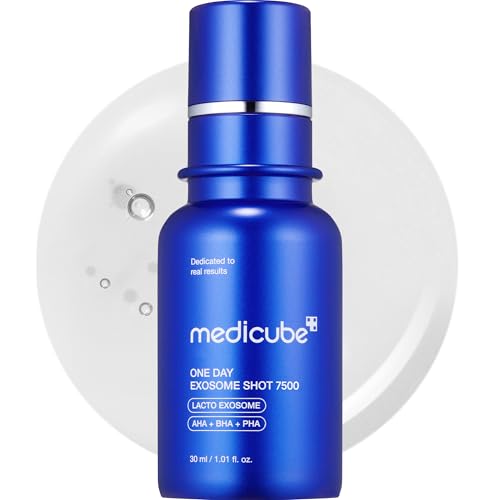
The K-beauty approach to exosomes is particularly innovative because of the delivery systems these brands have developed. Medicube's signature spicule technology, for example, uses micro-sized, needle-shaped particles coated in exosomes. These natural spicules physically penetrate the outer layer of the skin, depositing active ingredients precisely where they are needed. Clinical testing shows this approach enhances active ingredient uptake by 242% compared to standalone application, a figure that has attracted attention from dermatologists worldwide.
The broader context is equally significant. Korean cosmetics exports surpassed $10.2 billion in 2024, up 20.6% year-over-year, and Korea overtook France as the number one cosmetics exporter to the United States, reaching $1.4 billion compared to France's $1.03 billion in the same period. This dominance is driven largely by ingredient innovation like exosomes, as we explored in our K-Beauty Complete Guide 2026.
The Best Exosome Skincare Products of 2026
The exosome skincare market has expanded rapidly, with options now available at every price point. Here are the standout products that dermatologists and beauty editors are recommending this year:
MEDICUBE ZERO EXOSOME SHOT 7500: This is the product that brought exosomes into the mainstream. Priced at around $22, the Zero Exosome Shot uses 7,500 ppm of exosome-coated spicules combined with AHA, BHA, and PHA to deliver pore-refining and texture-smoothing results. Users consistently report visible brightening after the first application. The formula comes in two strengths, 2000 for beginners and 7500 for those who want maximum results, and the initial tingling sensation confirms the spicules are working. The brand is now widely available at Target stores nationwide as well as on Amazon and Ulta Beauty.
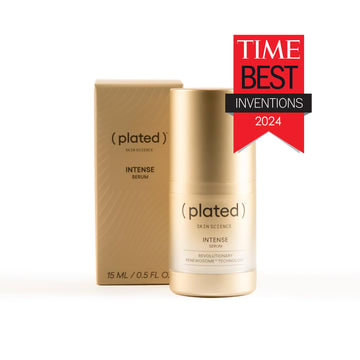
PLATED SKIN SCIENCE INTENSE SERUM: Developed with a focus on human-derived exosomes, Plated's Intense Serum is the premium choice that many dermatologists recommend for their patients. It uses purified exosomes sourced from human mesenchymal stem cells, tested for sterility and bioactivity, and counted for potency. This medical-grade approach offers the highest quality exosome formulation currently available in a consumer product.
MEDICUBE PDRN PINK COLLAGEN EXOSOME SHOT: This hybrid formula combines 15 million high-purity exosomes with 99% pure salmon PDRN, creating a dual-action approach that addresses both cellular communication and DNA repair. For readers familiar with PDRN skincare, this product represents the next evolution, pairing the regenerative benefits of salmon DNA with the cellular signaling power of exosomes.
SKINFIX EXO + ECTOIN RETINOL-ALTERNATIVE INTENSIVE SKIN BARRIER REPAIR BAUME: For those seeking an exosome product without spicules or retinol, Skinfix offers a barrier-focused option that combines exosomes with ectoin, a stress-protective molecule. This is particularly suitable for sensitive skin types or anyone looking for gentle, long-term anti-aging benefits.
THE INKEY LIST EXOSOME HYDRO-GLOW COMPLEX SERUM: At a budget-friendly price point, The Inkey List has democratized exosome skincare. While the concentration may not match premium options, this serum delivers a noticeable glow and serves as an excellent entry point for those curious about the ingredient.
DR. BARBARA STURM EXOSO-METIC FACE SERUM: At the luxury end, Dr. Sturm's exosome serum represents the pinnacle of Western interpretation of the exosome trend, combining the ingredient with the brand's signature anti-inflammatory philosophy.
What Dermatologists Actually Say About Exosomes
Dermatologist opinions on exosome skincare are cautiously optimistic. The scientific evidence supports several key claims. A systematic review published in peer-reviewed literature found that exosome-based interventions were associated with improvements in skin hydration, elasticity, wrinkle depth, pore size, pigmentation, and overall skin appearance in the short term. The majority of studies reported a positive safety profile for topical application.
However, dermatologists emphasize several important caveats. First, the quality and source of exosomes matter enormously. Many doctors favor human-derived exosomes, ideally sourced from human mesenchymal stem cells that have been purified, tested for sterility and bioactivity, and counted for potency. Plant-derived exosomes, which Korean brands increasingly offer from sources like cica and ginseng, show promise but have less clinical data behind them.
Second, how you use exosome products determines their effectiveness. When paired with microneedling, exosomes can be significantly more effective because the microchannels created enhance absorption and penetration, accelerating healing and amplifying collagen production. This is one reason spicule-based delivery systems like those used by Medicube have shown strong results, as the spicules create similar micro-penetration without requiring a separate microneedling step.
Those with mature skin are likely to benefit most from exosome skincare, since the body's natural ability to reduce inflammation and produce collagen and elastin slows with age. Pregnant or breastfeeding individuals should avoid exosome products, as there is insufficient safety data for these populations.
Exosomes vs PDRN vs Peptides: How They Compare
Understanding where exosomes fit in the anti-aging ingredient landscape helps clarify when and how to use them:
EXOSOMES function as biological messengers, delivering a complex package of proteins, lipids, and genetic material that instructs cells to repair and regenerate. Their strength lies in this multi-signal approach. Rather than doing one thing well, exosomes coordinate multiple cellular processes simultaneously.
PDRN (Polydeoxyribonucleotide) works through a different mechanism, activating adenosine A2A receptors to stimulate cell proliferation and collagen synthesis. As we detailed in our coverage of vegan PDRN alternatives, this ingredient has strong clinical backing but acts through a single pathway.
PEPTIDES like copper peptides (GHK-Cu) are short chains of amino acids that signal specific cellular behaviors. They are well-studied and effective but tend to target narrow outcomes, whether that is collagen production, wound healing, or antioxidant defense.
The emerging consensus among Korean skincare formulators is that these ingredients work best in combination. Products like Medicube's PDRN Pink Collagen Exosome Shot pair exosomes with PDRN for a dual-pathway approach, and many dermatologists suggest layering a peptide serum underneath an exosome product for complementary benefits.
How to Add Exosomes to Your Skincare Routine
Integrating exosome products into an existing routine requires understanding their place in the application sequence and their interaction with other actives:
STEP 1 - CLEANSE: Use a gentle, pH-balanced cleanser. Double cleansing (oil cleanser followed by water-based cleanser) is recommended if you wear sunscreen or makeup.
STEP 2 - TONE/PREP: Apply a hydrating toner or essence to damp skin. This helps create the optimal environment for exosome absorption. Our K-Beauty Ingredients Encyclopedia covers the full range of prep-step options.
STEP 3 - EXOSOME SERUM: Apply your exosome product to slightly damp skin. If using a spicule-based product like the Medicube Exosome Shot, press the product gently into the skin rather than rubbing. Expect a mild tingling sensation with spicule formulas, which is normal and indicates the delivery system is working.
STEP 4 - MOISTURIZE: Follow with a moisturizer to seal in the active ingredients. Exosome products work well under both lightweight gel creams and richer barrier-repair formulas.
STEP 5 - SPF (morning only): Always finish your morning routine with broad-spectrum sunscreen. This is non-negotiable when using any active anti-aging ingredient.
For beginners, start with exosome products two to three times per week and gradually increase to daily use as your skin acclimates. If using a spicule-based formula, evening application is generally preferred to allow the skin to recover overnight.
The Science and Safety: What the Research Shows
Transparency about the current state of exosome research is essential. While the results are promising, this is not a fully settled area of skincare science. Here is what the evidence tells us:
A comprehensive systematic review of human studies found efficacy of exosome-based therapies for skin rejuvenation, with improvements reported across multiple skin parameters. However, the lack of long-term data and standardization in exosome isolation, profiling, and quality control means that product quality can vary significantly between brands.
No exosome products currently have FDA approval for cosmetic or therapeutic use. This does not mean they are unsafe, but it does mean consumers should look for products from reputable brands that provide transparency about their exosome sourcing, concentration, and testing protocols.
The market for exosome-based cosmeceuticals is expanding rapidly. Korean brands, supported by robust R&D infrastructure and a regulatory environment that encourages innovation, are leading this commercialization. Exosome serums command premium pricing in Korea (50,000 to 300,000+ KRW at retail), though US pricing has become increasingly competitive, with effective options now available starting around $20.
The K-Beauty Exosome Pipeline: What Is Coming Next
The exosome category is evolving quickly. Several developments are worth watching in the second half of 2026:
Plant-derived exosome analogs are gaining traction, with Korean labs extracting exosome-like vesicles from cica, ginseng, and other botanical sources. Medicube's Exosome Cica line uses nanoparticles derived from plant cells, offering a vegan-friendly alternative that aligns with the growing demand for science-backed botanical skincare.
The convergence of exosome and spicule delivery technology represents what industry analysts at Magazine Kave call a "paradigm shift in delivery technology." The fusion of these two innovations allows brands to create at-home treatments that approach the efficacy of professional procedures at a fraction of the cost.
Exosome formulations are expanding beyond serums into sheet masks, cleansers, eye creams, and even hair care products, signaling that this ingredient class has legs beyond the initial hype cycle.
You May Also Like
- PDRN Skincare 2026: Does Salmon DNA Actually Work? Dermatologists Weigh In
- Copper Peptides Skincare 2026: Why GHK-Cu Is the Anti-Aging Ingredient Dermatologists Actually Recommend
- Medicube at Target 2026: Complete Guide to K-Beauty's Viral Brand
- Anti-Aging Skincare Guide 2026: Science-Backed Ingredients and Strategies
- Vegan PDRN Skincare 2026: Plant-Based Alternatives to Salmon DNA
FAQ
Q: What are exosomes in skincare and why are they trending in 2026?
A: Exosomes are nano-sized vesicles that facilitate cell-to-cell communication. In skincare, they deliver proteins, lipids, and micro-RNAs to skin cells, instructing them to produce more collagen, reduce inflammation, and repair damage. They are trending because Korean beauty brands have made clinical-grade exosome technology available in affordable consumer products, and five board-certified dermatologists told NBC News they represent a genuine advance in anti-aging skincare.
Q: Are exosome skincare products safe to use daily?
A: Topical exosome products have shown a positive safety profile in clinical studies, and dermatologists say almost anyone can incorporate them into their routine. However, pregnant or breastfeeding individuals should avoid them due to insufficient safety data. Start with two to three applications per week and increase gradually. Spicule-based exosome products may cause mild, temporary tingling that subsides within a few hours.
Q: How do exosome serums compare to PDRN and retinol?
A: Exosomes deliver a complex package of biological signals that coordinate multiple repair pathways simultaneously, whereas PDRN targets a specific receptor (adenosine A2A) and retinol works primarily through increasing cell turnover. Exosomes are generally better tolerated than retinol, with no photosensitivity concerns, and can be combined with both PDRN and retinol in a routine for complementary benefits.
Q: Which exosome serum should I try first?
A: For most people, the Medicube Zero Exosome Shot 2000 is the ideal starting point. It is affordable (around $22), widely available at Target, Amazon, and Ulta, and the lower spicule concentration (2000 ppm) makes it gentler for first-time users. Once your skin has acclimated, you can upgrade to the 7500 strength or explore premium options like Plated Skin Science for human-derived exosomes.
Q: Do exosome products have FDA approval?
A: No exosome products currently have FDA approval for cosmetic or therapeutic use. This is common for innovative skincare ingredients and does not indicate safety concerns. Dermatologists recommend choosing products from reputable brands that are transparent about their exosome sourcing, concentration, and testing. The topical application of exosomes has shown a consistent safety profile across clinical studies, though injectable exosome treatments carry different risk considerations and should only be performed by licensed professionals.
The Bottom Line
Exosome skincare represents one of the most scientifically substantive trends to emerge from the K-beauty world in recent years. Unlike fleeting ingredient fads, exosomes are backed by a growing body of peer-reviewed research demonstrating real benefits for skin hydration, elasticity, wrinkle reduction, and pore refinement. Korean brands, led by Medicube, have successfully translated this technology from clinic to consumer, creating products that deliver professional-grade results at accessible price points. While long-term data is still accumulating and no exosome products carry FDA approval, the ingredient's mechanism of action, its safety profile, and the enthusiasm of dermatologists all suggest this is a category with staying power. For anyone serious about anti-aging skincare in 2026, exosomes deserve a place in your routine.
Sources: NBC News Select | PMC Systematic Review | Cosmetics Business | BioInformant | The Lifeology


댓글
댓글 쓰기