Copper Peptides Skincare 2026: Why GHK-Cu Is the Anti-Aging Ingredient Dermatologists Actually Recommend
Copper Peptides Skincare 2026: Why GHK-Cu Is the Anti-Aging Ingredient Dermatologists Actually Recommend

Copper peptides skincare has officially moved from dermatology clinics to mainstream beauty counters in 2026, and for good reason. As the global skincare conversation shifts from aggressive actives and complicated multi-step routines toward science-backed ingredients that support long-term skin health, GHK-Cu — the specific copper tripeptide behind the trend — is earning serious attention from both board-certified dermatologists and skincare enthusiasts. Unlike many viral ingredients that fade within a season, copper peptides bring decades of peer-reviewed research and measurable clinical outcomes to the table, making them one of the most credible anti-aging actives available today.
What Are Copper Peptides and Why Is GHK-Cu Different?
When the beauty industry talks about copper peptides skincare, it is almost always referring to one specific molecule: copper tripeptide-1, known as GHK-Cu. This naturally occurring peptide consists of three amino acids — glycine, histidine, and lysine — bound to a copper ion. GHK-Cu is not a lab invention. It exists in human plasma, saliva, and urine, and its concentration naturally declines with age. By age 60, GHK-Cu levels drop to roughly 40 percent of what they were at age 20, which coincides with the visible signs of aging such as thinning skin, loss of elasticity, and slower wound healing.
What makes GHK-Cu fundamentally different from other trending peptides is its broad biological activity. Rather than targeting a single pathway, copper peptides act as signaling molecules that trigger multiple repair mechanisms simultaneously. Research published in peer-reviewed journals has demonstrated that GHK-Cu stimulates collagen synthesis, promotes the production of glycosaminoglycans (the molecules that keep skin plump and hydrated), enhances angiogenesis for improved blood supply to the skin, and activates antioxidant defense systems including superoxide dismutase. This multi-pathway approach is why dermatologists increasingly view copper peptides as a foundational ingredient rather than a trendy add-on.
The Science Behind Copper Peptides and Anti-Aging
The anti-aging benefits of copper peptides skincare are rooted in their ability to remodel the extracellular matrix — the structural scaffolding that gives skin its firmness and bounce. As we age, the balance between collagen synthesis and collagen degradation tips toward breakdown, largely driven by matrix metalloproteinases (MMPs). GHK-Cu addresses both sides of this equation: it stimulates fibroblasts to produce new collagen types I and III while simultaneously inhibiting destructive MMPs.
Clinical studies have shown measurable improvements in skin appearance after 12 weeks of consistent copper peptide use. Participants in controlled trials reported reduced wrinkle depth, improved skin clarity, increased skin thickness, and enhanced overall skin resilience. One landmark study found that GHK-Cu performed comparably to retinol in collagen stimulation metrics while producing significantly less irritation — a critical finding for the estimated 40 to 50 percent of skincare users who cannot tolerate retinoids.
Beyond anti-aging, copper peptides demonstrate powerful wound-healing properties that make them valuable for post-procedure recovery. This is particularly relevant in 2026 as the science-backed anti-aging movement increasingly incorporates at-home devices and clinical treatments that create controlled micro-injuries in the skin. The regenerative capacity of GHK-Cu makes it an ideal companion for these protocols, as explored in our guide to at-home beauty devices.
Copper Peptides vs Retinol: A Dermatologist Comparison
The copper peptides vs retinol debate is one of the most searched skincare comparisons in 2026, and for good reason. Both ingredients target collagen production, but they work through entirely different mechanisms. Retinol operates through the retinoid receptor pathway, directly upregulating specific procollagen genes and accelerating cell turnover. Copper peptides, by contrast, work through growth factor-like signaling mechanisms that stimulate broader repair and regeneration processes.
Here is how they compare across key factors:
SPEED OF RESULTS — Retinol delivers visible resurfacing results faster, typically within 4 to 8 weeks. Copper peptides work more gradually, with optimal results appearing at 8 to 12 weeks. However, dermatologists note that the slower timeline reflects a fundamentally different type of improvement — structural repair versus surface-level turnover.
TOLERANCE — This is where copper peptides have a decisive advantage. Retinoids are the most common cause of irritant contact dermatitis in skincare, producing dryness, peeling, redness, and sensitivity. Copper peptides are exceptionally well-tolerated, even by sensitive and reactive skin types. Board-certified dermatologist Jennifer Gordon, MD, explains that copper peptides are "less about short-term smoothing and more about long-term skin quality and resilience."
CLINICAL EVIDENCE — Retinol has over 50 years of research and remains the only topical ingredient class with FDA approval for wrinkle reduction. Copper peptides have strong but less extensive clinical backing. However, the evidence base is growing rapidly as more brands invest in clinical trials for GHK-Cu formulations.
USING BOTH — Many dermatologists recommend using copper peptides and retinol in the same routine but not in the same application step. The optimal approach is retinol at night for cell turnover and copper peptides in the morning for repair and protection. Avoid layering them directly, as transition metals can destabilize retinoid molecules.
Best Copper Peptide Products Worth Trying in 2026
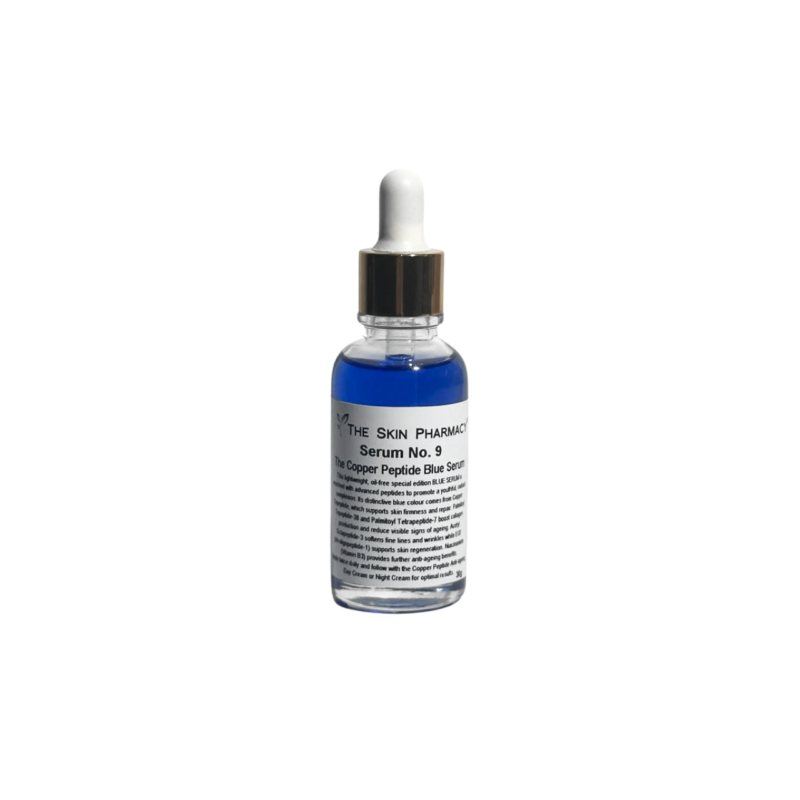
The copper peptides skincare market has expanded significantly, with options ranging from affordable serums to professional-grade formulations. Here are the products that dermatologists and beauty editors consistently recommend:
THE ORDINARY MULTI-PEPTIDE + COPPER PEPTIDES 1% SERUM stands out as the most accessible entry point, priced under 25 dollars for a formula that combines GHK-Cu with Matrixyl (palmitoyl tripeptide-1 and palmitoyl tetrapeptide-7) and Argirelox neuropeptide. It delivers a multi-peptide approach that addresses both structural support and expression line relaxation.
IS CLINICAL COPPER FIRMING MIST offers a unique delivery format — a fine mist that combines copper tripeptide-1 with centella asiatica and hyaluronic acid. This format works particularly well as a post-treatment recovery spray or a mid-day antioxidant boost.
BIOSSANCE SQUALANE + COPPER PEPTIDE RAPID PLUMPING SERUM pairs GHK-Cu with plant-derived squalane for enhanced penetration and barrier support. This combination addresses the common complaint that peptide serums feel too light for drier skin types, a topic explored in detail in our K-Beauty Ingredients Encyclopedia.
MEDIK8 LIQUID PEPTIDES brings pharmaceutical-grade copper peptide technology in a lightweight serum base, leveraging next-generation delivery systems that optimize GHK-Cu stability and bioavailability.
ISDIN MELATONIK combines copper peptides with melatonin and bakuchiol in a nighttime formula designed to leverage the skin circadian repair cycle — aligning with the chrono-beauty trend that has gained significant traction this year.
What Dermatologists Say About the Copper Peptide Trend
The dermatological community view on copper peptides skincare is notable for its measured enthusiasm. Unlike ingredients that dermatologists dismiss as marketing hype, GHK-Cu receives genuine scientific respect — but with important caveats.
"Copper peptides are scientifically grounded ingredients that support skin repair, collagen production, and overall skin health," explains dermatology researcher Dr. Loren Pickart, who has studied GHK-Cu for decades. "They boost collagen, improve skin healing, and fight oxidative stress through well-documented mechanisms."
However, experts caution against viewing copper peptides as a miracle solution. "Most benefits occur gradually and subtly. Think of copper peptides as a supportive, restorative ingredient, not a quick fix," advises Dr. Gordon. This realistic framing is important in an era when social media often overpromises results from new ingredients.
The expert consensus for 2026 is clear: copper peptides are a legitimate, science-backed addition to an anti-aging routine, ideally used alongside proven staples like SPF, retinoids, and vitamin C. They excel particularly for those with sensitive skin who cannot tolerate retinol, as a post-procedure recovery aid, and for anyone interested in the collagen banking approach to preventive anti-aging.
How to Add Copper Peptides to Your Skincare Routine
Incorporating copper peptides skincare into your routine requires attention to ingredient compatibility and application order:
STEP 1 — CLEANSE: Start with a gentle, pH-balanced cleanser. If you follow the double-cleansing method popular in K-beauty routines, complete both oil and water-based cleansing steps first.
STEP 2 — TONE AND ESSENCE: Apply any hydrating toner or essence to prep the skin.
STEP 3 — COPPER PEPTIDE SERUM: Apply your GHK-Cu serum to clean, slightly damp skin. Most formulations require only 3 to 4 drops for the full face and neck.
STEP 4 — MOISTURIZE: Follow with a barrier-supporting moisturizer containing ceramides, squalane, or hyaluronic acid to seal in the peptides and support the skin barrier.
STEP 5 — SPF (MORNING ONLY): Always finish with broad-spectrum sunscreen in the morning. Copper peptides make your skin more invested in repair — do not undo that work with unprotected UV exposure.
KEY COMPATIBILITY NOTES: Avoid using copper peptides alongside direct acids (AHAs, BHAs) at high concentrations, vitamin C (L-ascorbic acid) at the same application time, and strong retinoids in the same application step. Copper ions can oxidize ascorbic acid, reducing the efficacy of both ingredients. Alternate them between morning and evening routines for best results.
You May Also Like
- Collagen Banking 2026: The Preventive Skincare Trend Dermatologists Want You to Start Now
- Skin Longevity Revolution 2026: Urolithin-A, PDRN, and the Science Redefining Anti-Aging
- Skin Barrier Repair 2026: K-Beauty Best Ceramide and Postbiotic Products
Frequently Asked Questions
Q: Can I use copper peptides every day?
A: Yes. Unlike retinoids, copper peptides do not require a build-up period and are well-tolerated for daily use. Most dermatologists recommend once or twice daily application for optimal results.
Q: Are copper peptides safe during pregnancy?
A: Copper peptides are generally considered safer than retinoids during pregnancy, but there is limited research specifically on topical GHK-Cu use during pregnancy. Consult your dermatologist or OB-GYN before starting any new active ingredient while pregnant or breastfeeding.
Q: How long does it take to see results from copper peptide skincare?
A: Most clinical studies show measurable improvements in skin firmness, fine lines, and overall clarity within 8 to 12 weeks of consistent daily use. Some users report improved skin texture and hydration within the first 2 to 4 weeks.
Q: Can copper peptides replace retinol in my routine?
A: For individuals with sensitive skin or retinoid intolerance, copper peptides offer a viable alternative for collagen stimulation and anti-aging benefits. However, dermatologists generally recommend them as complementary ingredients rather than direct replacements, since retinol provides unique cell turnover benefits that copper peptides do not replicate.
Q: What is the difference between copper peptides and regular peptides?
A: Regular peptides like Matrixyl or Argireline each target specific skin concerns through particular pathways. Copper peptides (GHK-Cu) are unique because the copper ion component enables broader biological activity including collagen synthesis, antioxidant defense, and wound healing simultaneously. This multi-functional activity is what makes GHK-Cu particularly valued in anti-aging skincare.
The Bottom Line
Copper peptides skincare in 2026 represents the broader industry shift toward science-backed, long-term skin health over quick fixes and viral trends. GHK-Cu is not the flashiest ingredient on TikTok, but it may be one of the most substantiated. With decades of research, strong dermatologist endorsement, excellent tolerability, and an expanding range of accessible products, copper peptides deserve a place in your anti-aging routine — whether as a retinol companion or a gentler alternative. As the skincare industry continues its pivot toward longevity and barrier health, expect copper peptides to move from trending ingredient to permanent staple. For a complete overview of science-backed anti-aging strategies, visit our Anti-Aging Skincare Guide 2026.
Sources: HuffPost, NewBeauty, The Skin Pharmacy, Westlake Dermatology, Dermatology Times, The Conversation


댓글
댓글 쓰기