Korean Sheet Masks Guide 2026: How to Choose and Use Effectively for Every Skin Type
Korean Sheet Masks Guide 2026: How to Choose and Use Effectively for Every Skin Type
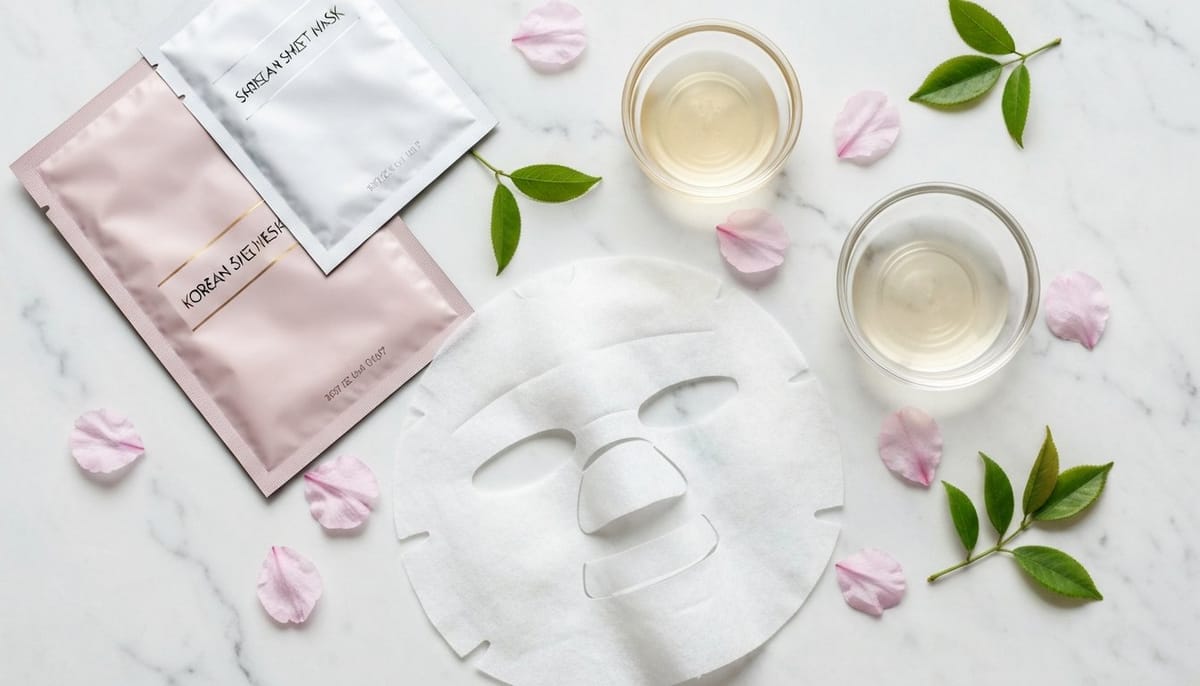
Korean sheet masks have become a cornerstone of the global skincare routine, and for good reason. In 2026, the K-beauty sheet mask market is more innovative than ever, with advanced materials, cutting-edge ingredients like PDRN and heartleaf extract, and eco-friendly formulations that deliver real results. Whether you are dealing with dehydrated skin, stubborn acne, post-inflammatory hyperpigmentation, or early signs of aging, there is a Korean sheet mask engineered for your exact concern. This comprehensive guide covers everything you need to know: how to choose the right mask for your skin type, which products dermatologists recommend, the science behind why sheet masks work, and the application techniques that maximize every drop of serum. Consider this your definitive Korean sheet mask handbook for 2026.
What Makes Korean Sheet Masks Different
The Korean sheet mask is not just a piece of fabric soaked in serum. It is a delivery system refined over decades of K-beauty innovation. While Western face masks typically contain 10 to 15 milliliters of essence, Korean sheet masks are saturated with 20 to 30 milliliters of concentrated serum, often containing multiple active ingredients at clinically relevant concentrations. This generous formulation is one reason why a single Korean sheet mask can replace an entire serum step in your routine.
The material itself matters enormously. Korean brands have pioneered three distinct mask substrates, each with unique benefits:
COTTON AND MICROFIBER masks are the most common and affordable option. Modern Korean cotton masks use ultra-thin, multi-layered microfiber that conforms to facial contours better than traditional woven cotton. They hold serum well and are ideal for daily or budget-conscious use.
BIOCELLULOSE masks represent the premium tier. Made from fermented coconut water through a bacterial cultivation process, biocellulose fibers can hold up to 100 times their dry weight in fluid. They adhere to the skin like a transparent second skin, creating a superior occlusive seal that drives active ingredients deeper into the stratum corneum. Research published in the Journal of Cosmetic Dermatology confirms that this occlusive effect significantly improves both hydration levels and skin elasticity compared to standard topical application.
HYDROGEL masks are made from a gel-like polymer that melts at body temperature. This means the mask progressively releases its active ingredients as it warms against your skin, ensuring sustained delivery throughout the entire masking session. Hydrogel masks are particularly effective for cooling, soothing, and delivering water-soluble actives like hyaluronic acid.
Beyond material innovation, Korean sheet masks benefit from the same ingredient research pipeline that drives the broader K-beauty industry. Many masks feature patented ingredient complexes, fermented extracts, and biotechnology-derived actives that simply are not available in Western drugstore masks. This is why the Korean sheet mask category continues to set the global standard in 2026.
Best Korean Sheet Masks by Skin Type (2026 Picks)
Choosing the right sheet mask starts with understanding your skin type and primary concern. Here are the top dermatologist-recommended picks for 2026:
FOR DRY AND DEHYDRATED SKIN
The Torriden DIVE-IN Low Molecular Hyaluronic Acid Mask is the undisputed hydration champion for 2026. It features five different molecular weights of hyaluronic acid, from high-molecular HA that forms a moisture-locking film on the surface to low-molecular HA that penetrates deep into the skin layers. It is completely fragrance-free, making it safe for reactive skin. Each mask is drenched in 27 milliliters of essence.
The Round Lab 1025 Dokdo Hydrating Water Gel Mask takes a different approach, using mineral-rich deep sea water from the waters near Ulleungdo Island. Combined with panthenol and allantoin, this mask excels at calming redness while delivering intense hydration. The gel-type material provides a cooling sensation that dehydrated skin craves. For a complete hydration routine, pair your sheet mask with one of the 10 best Korean moisturizers for every skin type to seal in the benefits.
FOR OILY AND ACNE-PRONE SKIN
The Mediheal Tea Tree Essential Mask remains the go-to choice for breakout-prone skin. Tea tree oil provides natural antibacterial action that helps calm active acne, while centella asiatica extract soothes surrounding inflammation without stripping your skin's moisture barrier. This mask controls excess sebum production without the tight, dry feeling that oily skin types dread.
For deep pore concerns, the Innisfree Super Volcanic Pore Clay Mask harnesses Jeju volcanic clusters and clay minerals to draw out impurities and tighten the appearance of enlarged pores. This is technically a wash-off mask rather than a sheet mask, but Innisfree also offers a sheet mask version that is gentler and better suited for weekly maintenance.
FOR SENSITIVE AND IRRITATED SKIN
The Abib Gummy Sheet Mask Heartleaf Sticker is the breakout product of 2026. Its unique gummy texture adheres to the face without sliding or readjusting, and it contains 75 percent heartleaf (Houttuynia cordata) extract. Clinical data shows heartleaf can reduce skin surface temperature by 4 to 5 degrees Celsius upon application, making it exceptionally effective for redness, rosacea-like flushing, and post-procedure sensitivity. Heartleaf has overtaken centella asiatica as the trending calming ingredient in Korean skincare for 2026, largely because studies show a faster anti-inflammatory response.
The Dr. Jart+ Ceramidin Facial Barrier Mask is another excellent choice, using a blend of five ceramides to reinforce the skin barrier while providing deep hydration. If your skin barrier is compromised from over-exfoliation or environmental stress, this mask provides immediate relief. For more on barrier-strengthening ingredients, explore our guide to postbiotic skincare and skin barrier science.
FOR AGING AND MATURE SKIN
The Beauty of Joseon Ginseng Mask draws on traditional Korean herbal medicine, using ginseng root extract and ginseng berry extract to stimulate collagen synthesis and improve skin elasticity. Korean ginseng (Panax ginseng) has been used in Hanbang medicine for centuries, and modern studies confirm its potent antioxidant and anti-wrinkle properties.
The Mediheal Collagen Essential Mask delivers hydrolyzed collagen peptides that help plump fine lines and improve skin firmness. It is one of the bestselling anti-aging masks at Olive Young stores across Korea and is available internationally at competitive prices.
FOR DULL AND UNEVEN SKIN TONE
The Beauty of Joseon Glow Deep Serum Mask is a triple-action brightening powerhouse. It combines rice bran water (a traditional Korean brightening ingredient), alpha-arbutin (a stable melanin inhibitor), and 2 percent niacinamide to target hyperpigmentation from multiple angles. After 4 to 6 weeks of twice-weekly use, users consistently report more even, luminous skin tone.
The Mediheal N.M.F Aquaring Ampoule Mask deserves special mention as Korea's number one bestselling sheet mask overall. It provides a balanced combination of hydration and brightening that works across virtually all skin types, making it the perfect gateway sheet mask for beginners.
Key Ingredients to Look For in Sheet Masks
Understanding ingredient lists helps you choose masks that truly address your concerns. Here are the most effective active ingredients found in Korean sheet masks for 2026, each backed by clinical evidence:
HYALURONIC ACID — The gold standard for hydration. Look for masks with multiple molecular weights (high, medium, and low) for both surface-level moisture retention and deep hydration. Low-molecular hyaluronic acid (under 50 kDa) penetrates the skin more effectively than the high-molecular form alone.
CENTELLA ASIATICA (CICA) — Contains four key compounds: asiaticoside, madecassoside, asiatic acid, and madecassic acid. These work synergistically to calm inflammation, accelerate wound healing, and strengthen the skin barrier. Centella remains a staple, though heartleaf is emerging as a faster-acting alternative for acute irritation.
HEARTLEAF (Houttuynia cordata) — The trending calming ingredient of 2026. Heartleaf extract demonstrates rapid anti-inflammatory and antibacterial properties. It is especially effective for acne-related redness and sensitivity.
NIACINAMIDE (Vitamin B3) — A versatile ingredient that brightens skin tone, minimizes pore appearance, strengthens the barrier, and regulates sebum production. At 2 to 5 percent concentration in sheet masks, it delivers visible brightening results without irritation.
SNAIL MUCIN — Contains a complex of glycoproteins, hyaluronic acid, glycolic acid, and antimicrobial peptides. Snail mucin accelerates cell turnover and repair, making it excellent for post-acne marks and general skin recovery.
CERAMIDES — Essential lipids that form the mortar between skin cells. Ceramide-infused masks are critical for anyone with a compromised skin barrier, including those who over-exfoliate or live in harsh climates.
TEA TREE OIL — A natural antiseptic with proven antibacterial properties against Propionibacterium acnes, the bacterium responsible for inflammatory acne. Tea tree masks help reduce active breakouts without the drying effects of benzoyl peroxide.
For a deep dive into every major K-beauty active ingredient, visit our K-Beauty Ingredients Encyclopedia 2026.
How to Use Korean Sheet Masks Like a Pro
Even the best sheet mask will underperform if applied incorrectly. Follow these expert-approved steps to maximize results:
STEP 1: CLEANSE — Start with a thorough double cleanse. Use an oil-based cleanser to remove sunscreen and makeup, followed by a water-based cleanser to clear any remaining impurities. A clean canvas allows active ingredients to penetrate unobstructed.
STEP 2: TONE — Apply your toner or Korean essence to slightly damp skin. This primes the skin and creates a hydrated base layer that helps sheet mask ingredients absorb more effectively. Some K-beauty experts recommend lightly misting the face with a hydrating toner spray before applying the mask.
STEP 3: APPLY THE MASK — Unfold the mask carefully and align it with your eyes, nose, and mouth openings. Smooth outward from the center to eliminate air bubbles and ensure full contact with the skin. The closer the mask adheres, the better the occlusive seal and ingredient delivery.
STEP 4: WAIT 15 TO 20 MINUTES — This is the critical window. After 20 minutes, the mask begins to dry out and can actually reverse its benefits by pulling moisture away from your skin through evaporation. Set a timer. Never fall asleep with a sheet mask on.
STEP 5: REMOVE AND PAT — Peel the mask off gently and pat the remaining serum into your skin using your fingertips. Do not rinse your face. The leftover essence contains concentrated actives that continue working after the mask is removed.
STEP 6: SEAL WITH MOISTURIZER — This is the step most people skip, and it makes a significant difference. Apply your regular moisturizer or sleeping mask immediately after patting in the serum. This locks in all the active ingredients and prevents transepidermal water loss.
FREQUENCY GUIDE: For normal to dry skin, 2 to 3 times per week is ideal. For oily or acne-prone skin, limit use to 1 to 2 times per week to avoid over-hydration that can trigger breakouts. Sensitive skin types should start with once per week and increase gradually.
Common Sheet Mask Mistakes That Damage Your Skin
Avoid these five mistakes that can turn your sheet mask session from beneficial to harmful:
LEAVING THE MASK ON TOO LONG — Once the sheet dries, it acts like a sponge in reverse, pulling moisture out of your skin. Always remove within 20 minutes, even if the mask still feels damp.
USING SHEET MASKS ON BROKEN OR ACTIVELY INFLAMED SKIN — Open wounds, severe eczema flares, or active cystic acne can be worsened by the occlusive environment of a sheet mask, which traps bacteria and can increase irritation.
SKIPPING MOISTURIZER AFTERWARD — Sheet mask serum is water-based and evaporates quickly without an occlusive layer on top. Always follow with moisturizer or a sleeping mask.
CHOOSING THE WRONG MASK FOR YOUR SKIN TYPE — Using a heavy, nourishing mask on oily skin can clog pores and trigger breakouts. Conversely, using a clay or pore-tightening mask on already dry skin can worsen dehydration.
MASKING TOO FREQUENTLY — More is not always better. Daily sheet masking can overwhelm the skin, leading to clogged pores, milia (tiny white bumps), or sensitization. Stick to the frequency guidelines above.
2026 Sheet Mask Trends You Should Know
The Korean sheet mask category continues to evolve rapidly. Here are the defining trends for 2026:
ECO-FRIENDLY AND BIODEGRADABLE MATERIALS — Consumer demand for sustainability is driving Korean brands to develop biodegradable sheet mask substrates made from plant-based cellulose, bamboo fiber, and even seaweed-derived materials. Packaging is also shifting toward recyclable and plastic-free options.
HEARTLEAF DOMINANCE — Heartleaf (Houttuynia cordata) has surpassed centella asiatica as the most popular calming ingredient in new Korean sheet mask launches. Its faster anti-inflammatory onset and broader antibacterial spectrum make it the soothing ingredient of choice in 2026.
BIOTECH ACTIVES: PDRN AND EXOSOMES — Salmon-derived PDRN (polydeoxyribonucleotide) and exosome-infused masks represent the cutting edge of K-beauty biotechnology. These ingredients promote cellular regeneration at a deep level, offering anti-aging benefits that go beyond surface hydration.
MULTI-FUNCTIONAL FORMULAS — The era of single-purpose masks is fading. Consumers in 2026 want masks that hydrate, brighten, and deliver anti-aging benefits simultaneously. Korean brands are responding with complex, multi-active formulations that address multiple concerns in one session.
CLEAN AND VEGAN FORMULATIONS — Minimalist ingredient lists, clear labeling, and vegan certifications are now expected, not optional. Brands are removing controversial ingredients like artificial fragrances, parabens, and animal-derived extracts in favor of transparency and efficacy.
Frequently Asked Questions
How often should I use Korean sheet masks?
For most skin types, 2 to 3 times per week provides optimal results without overwhelming the skin. If you have oily or acne-prone skin, reduce frequency to 1 to 2 times per week. Sensitive skin types should begin with once weekly and adjust based on tolerance.
Can I use a sheet mask every day?
Daily sheet masking is generally not recommended. While it will not cause immediate harm for most people, consistent daily use can lead to over-hydration, which manifests as clogged pores, milia, or even increased breakouts. Reserve daily masking for special occasions or short periods when your skin needs intensive recovery.
Should I wash my face after using a sheet mask?
No. After removing the mask, gently pat the remaining serum into your skin with your fingertips. The leftover essence contains concentrated active ingredients that continue to benefit your skin. Follow immediately with a moisturizer to seal everything in.
What is the difference between cotton, biocellulose, and hydrogel sheet masks?
Cotton masks are the most affordable and widely available, offering good serum delivery for everyday use. Biocellulose masks, made from fermented coconut water, adhere tightly to the skin and can hold 100 times their dry weight in fluid, providing superior ingredient absorption. Hydrogel masks are gel-based and dissolve slightly at body temperature, releasing ingredients gradually for sustained delivery. Each type has advantages depending on your skin needs and budget.
Can Korean sheet masks help with acne?
Yes, when you choose the right formulation. Sheet masks containing tea tree oil, centella asiatica, heartleaf extract, or low concentrations of salicylic acid can help calm active breakouts and reduce inflammation. However, avoid heavy, occlusive masks during severe acne flares, as trapping bacteria under the mask can worsen certain types of acne.
When should I apply a sheet mask in my skincare routine?
Sheet masks belong after cleansing and toning but before your moisturizer and sunscreen. This positioning allows the concentrated serum to penetrate effectively on clean, prepped skin, while the moisturizer applied afterward locks in the active ingredients. In the full Korean 10-step routine, sheet masks occupy step 7, right after essences and serums.
You May Also Like
- K-Beauty Complete Guide 2026: Your Ultimate Korean Skincare Resource
- Korean Essence Guide 2026: What It Is, How to Use It, and 10 Best Picks
- 10 Best Korean Moisturizers for Every Skin Type (2026 Updated)
- Korean Sunscreen 2026: Why K-Beauty SPF Is Years Ahead of the Rest
- Cloudglow Skin 2026: Why K-Beauty Is Replacing Glass Skin
- K-Beauty Ingredients Encyclopedia 2026
This guide is part of our K-Beauty Complete Guide 2026 series. Updated April 2026.


댓글
댓글 쓰기