Cloudglow Skin 2026: Why K-Beauty Is Replacing Glass Skin
Cloudglow Skin 2026: Why K-Beauty Is Replacing Glass Skin
Cloudglow skin has emerged as the defining K-beauty trend of 2026, signaling a collective move away from the high-shine, glass-like finish that dominated Korean skincare aesthetics for nearly a decade. Where glass skin aimed for a mirror-like, almost wet-looking complexion, cloudglow skin delivers something entirely different: a soft-focus luminosity that appears lit from within, like the diffused light filtering through a sun-drenched cloud. It is no exaggeration to say that this single aesthetic shift is reshaping how millions of consumers approach their daily skincare and makeup routines.
The transition did not happen overnight. By late 2025, Korean beauty platforms and social media channels were already buzzing with terms like "cloud skin" and "bloom skin," describing a finish that felt more natural, more wearable, and more forgiving than the reflective perfection of glass skin. By the time the trend landed on global red carpets in early 2026, it had already cemented its place as the new gold standard in Korean beauty.
What Is Cloudglow Skin, Exactly?
Cloudglow skin is an elevated take on the radiant complexion that K-beauty has always championed. The name itself captures the aesthetic perfectly: think of the soft, even glow of light passing through a cloud, rather than bouncing off a pane of glass. The result is skin that looks dewy but never greasy, luminous but never shiny, and textured but never flawed.
Unlike glass skin, which relied on heavy layering of hydrating products to create a reflective sheen, the cloudglow skin approach prioritizes skin health from the inside out. The glow comes from a well-maintained skin barrier, balanced hydration levels, and minimal, strategic makeup application. As one beauty editor put it, cloudglow skin looks like "your skin, but softer and better" rather than "skin wearing a filter."
This represents a broader maturation in K-beauty philosophy. The industry is moving away from chasing dramatic visual effects and toward cultivating genuine skin health that simply looks beautiful without effort. As covered in our K-Beauty Complete Guide 2026, this shift toward intentional minimalism is one of the most significant developments in Korean skincare history.
Glass Skin vs Cloudglow Skin: Understanding the Shift
To appreciate why cloudglow skin has captured the beauty world's attention, it helps to understand what made glass skin both revolutionary and, ultimately, limiting.
Glass skin, which surged to global popularity around 2018-2019, was all about achieving the most luminous, reflective complexion possible. It required meticulous layering of toners, essences, serums, and moisturizers, often following the famous 10-step Korean skincare routine. The payoff was undeniably stunning in photographs, particularly under controlled lighting conditions.
However, glass skin came with practical challenges that many consumers experienced firsthand. The heavy product layering could feel uncomfortable in warm or humid climates. The ultra-dewy finish often appeared greasy under natural lighting or in casual settings. And for anyone with combination or oily skin, maintaining that wet-look finish throughout the day was nearly impossible without constant touch-ups.
In Korea, beauty observers began openly discussing "wet look fatigue," a collective saturation with skin that looked too constructed and overly shiny to feel authentic in everyday life. Cloudglow skin emerged as the natural response: all the radiance and health of glass skin, but delivered in a way that works indoors, outdoors, in daylight, and in settings where no one is lighting you with a ring light.
The 5-Step Cloudglow Skin Routine
One of the most appealing aspects of the cloudglow skin trend is that it requires fewer products and steps than the glass skin routine it replaces. Where glass skin demanded extensive layering, cloudglow skin favors a streamlined approach with multi-active formulations. Here is the essential routine:
STEP 1: GENTLE CLEANSER
Start with a pH-balanced cleanser in the 5.0-6.0 range. The goal is to clean without stripping your skin's natural moisture barrier. Avoid foaming cleansers that leave your skin feeling tight. If you follow the double cleansing method, use a lightweight oil cleanser followed by a gentle water-based formula.
STEP 2: HYDRATING TONER OR ESSENCE
Apply a hydrating toner using the patting method, pressing the product into your skin rather than wiping. Look for ingredients like niacinamide, fermented extracts, or hyaluronic acid. Some cloudglow devotees still practice a simplified version of the 7-skin method, applying 2-3 thin layers of toner for buildable hydration without heaviness.
STEP 3: BARRIER-SUPPORTING SERUM
This is the step that separates cloudglow skin from glass skin. Instead of reaching for multiple targeted serums, choose one barrier-strengthening formula containing ceramides, panthenol, or madecassoside. The emphasis is on building skin resilience rather than piling on actives. For a deeper look at this approach, our Collagen Banking Guide explores the science behind preventive skincare.
STEP 4: LIGHTWEIGHT MOISTURIZER
Choose a moisturizer that hydrates without creating a heavy film. Gel-creams and water-based formulas work beautifully here. The key is to seal in the previous layers while maintaining a breathable finish. Skip heavy face oils, which can push the finish into glass skin territory.
STEP 5: DEWY SUNSCREEN
Finish with a chemical or hybrid sunscreen that provides a natural, dewy finish. Korean sunscreens excel at this, offering high SPF protection with elegant, skin-like textures. The sunscreen serves double duty as your final glow-enhancing layer.
Best Products for Achieving Cloudglow Skin
Several K-beauty products have become synonymous with the cloudglow skin aesthetic. These are the formulations that beauty editors, makeup artists, and skincare enthusiasts in Seoul are reaching for in 2026:
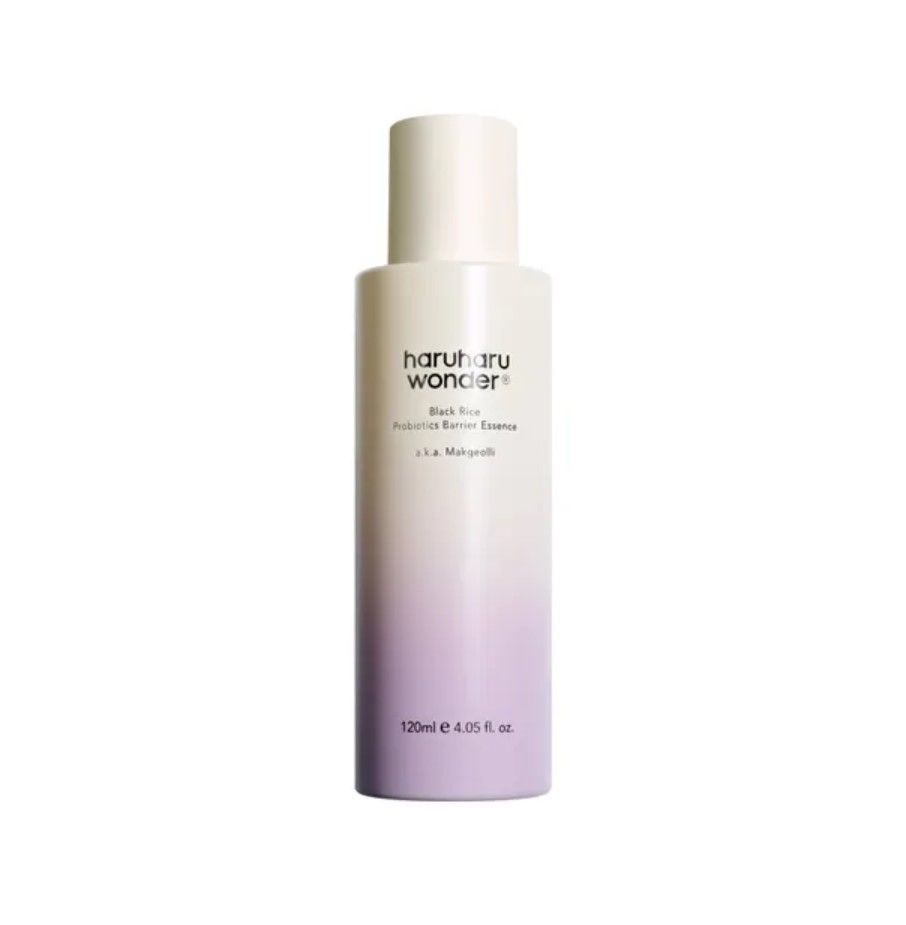
TONERS AND ESSENCES: Round Lab Birch Juice Moisturizing Toner delivers lightweight, buildable hydration. Haruharu Wonder Black Rice Hyaluronic Toner offers fermented ingredients for that subtle inner glow. Both absorb quickly without leaving a sticky residue.
SERUMS: Beauty of Joseon Glow Serum with propolis and niacinamide is a standout, providing radiance and barrier support in a single step. Torriden DIVE-IN Low Molecular Hyaluronic Acid Serum offers deep hydration without heaviness, perfect for layering under moisturizer.
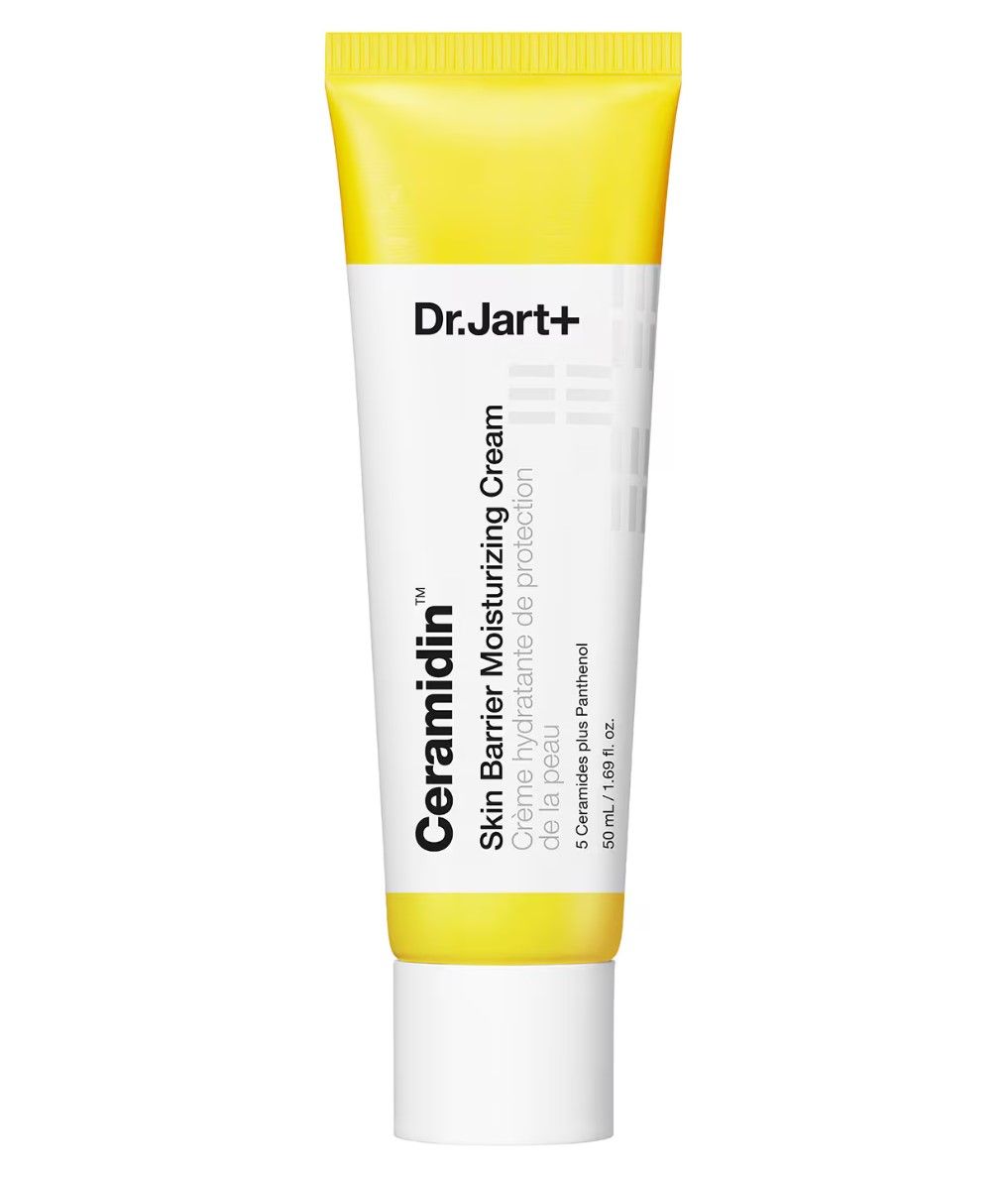
MOISTURIZERS: Beauty of Joseon Dynasty Cream delivers rich hydration with a surprisingly lightweight finish. Dr.Jart+ Ceramidin Cream has become a staple for its barrier-strengthening formula. TIRTIR My Glow Cream was practically designed for the cloudglow aesthetic. For more product picks, check our Best K-Beauty Products 2026 roundup.
SLEEPING MASKS: Laneige Water Sleeping Mask remains a K-beauty classic that pairs perfectly with the cloudglow philosophy, providing overnight hydration and a refreshed, naturally luminous complexion by morning.
For a comprehensive breakdown of these active ingredients, explore our K-Beauty Ingredients Encyclopedia.
What Makeup Artists and Dermatologists Say
The cloudglow skin movement has earned strong support from both the makeup artistry and dermatology communities, though for different reasons.
Makeup artists appreciate the trend because it delivers photogenic results without requiring heavy product application. Nina Park, a makeup artist of Korean descent who has worked with Hollywood A-listers, has been credited with bringing cloudglow aesthetics to the global stage. Her approach emphasizes skin preparation over product coverage, using cream-based products applied in strategic zones rather than all-over coverage.
The technique involves applying a hydrating primer only where needed, using sheer foundation or skin tint rather than full-coverage formulas, and setting with translucent powder exclusively on the T-zone. The result is dimensional luminosity that moves naturally with the face rather than sitting as a uniform layer on top.
From a dermatological perspective, the cloudglow trend aligns with what skin experts have been advocating for years. The emphasis on barrier health, reduced product layering, and gentle formulations reflects evidence-based skincare principles. Dermatologists note that the barrier-first approach central to cloudglow skin can actually improve long-term skin quality, as opposed to the aggressive active layering that sometimes accompanies glass skin routines.
The shift also supports the broader "skin longevity" movement in dermatology, which focuses on preserving and maintaining healthy skin over decades rather than chasing short-term visual effects. This philosophy connects closely to the science-backed anti-aging strategies that dermatologists recommend.
Cloudglow Skin on the Red Carpet and Beyond
The cloudglow aesthetic has already made high-profile appearances beyond Korean beauty circles. At this year's award season, actresses including Jessie Buckley, Gracie Abrams, and Emma Stone were spotted wearing what industry insiders recognized as cloudglow-inspired makeup. Their skin appeared luminous and healthy without the overly dewy, Instagram-filter look that characterized red carpet beauty in previous years.
What makes this notable is the crossover from K-beauty niche to mainstream global beauty. The makeup artists behind these looks, including Emily Cheng and Nina Park, have backgrounds in Asian beauty traditions and brought that sensibility to some of Hollywood's most-watched faces. It signals that cloudglow skin is not a passing micro-trend but a genuine shift in what the industry considers beautiful, aspirational skin.
On social media, the trend continues to gain momentum. TikTok and Instagram are filled with tutorials showing the difference between glass skin and cloudglow skin side by side, and the consensus is clear: cloudglow feels more achievable, more wearable, and more genuinely beautiful in everyday settings.
How to Transition From Glass Skin to Cloudglow Skin
If you have been following a glass skin routine and want to transition, the good news is that you likely already have most of the products you need. The adjustment is more about technique and philosophy than about replacing your entire skincare shelf.
First, simplify your layering. Instead of applying 7-10 products, aim for 3-5 well-chosen formulations. Focus on products that support your skin barrier rather than adding additional shine or dew.
Second, rethink your makeup base. Swap full-coverage foundation for a skin tint or BB cream. Apply concealer only where needed rather than all over. Use cream products instead of powders for blush and highlight to maintain that soft, dimensional quality.
Third, embrace setting powder selectively. A light dusting of translucent powder on your T-zone controls shine without removing the natural glow from your cheeks and high points. This creates the signature cloudglow effect: controlled luminosity that looks intentional rather than accidental.
You May Also Like
- K-Beauty for Beginners 2026: Your Essential Starter Kit and First Korean Skincare Routine
- Spicule Skincare 2026: The Microneedling-in-a-Bottle Trend
- Exosome Skincare 2026: K-Beauty's Biotech Breakthrough Explained
FAQ
Q: What is cloudglow skin and how is it different from glass skin?
A: Cloudglow skin is a 2026 K-beauty trend that delivers soft-focus, diffused luminosity rather than the mirror-like, wet-looking finish of glass skin. While glass skin aims for maximum reflective shine, cloudglow skin creates a dimensional glow that looks natural and wearable in everyday settings, like light filtering through a cloud rather than bouncing off glass.
Q: Can I achieve cloudglow skin with oily or combination skin?
A: Absolutely. Cloudglow skin is actually more achievable for oily and combination skin types than glass skin was. The approach uses lightweight, breathable products and strategic powder application on the T-zone, which controls excess shine while maintaining a natural glow on the cheeks and high points of the face.
Q: How many products do I need for a cloudglow skin routine?
A: A cloudglow skin routine typically requires 3-5 products: a gentle cleanser, hydrating toner, barrier-supporting serum, lightweight moisturizer, and dewy sunscreen. This is significantly fewer steps than the traditional 10-step glass skin routine, reflecting K-beauty's 2026 shift toward intentional minimalism.
Q: Is cloudglow skin the same as bloom skin?
A: The terms cloudglow skin, cloud skin, and bloom skin all describe the same overarching trend, which represents the evolution beyond glass skin toward a softer, more natural-looking radiance. Bloom skin emphasizes the organic, lifelike quality of the glow, while cloudglow highlights the diffused, ethereal quality. Both reject the hyper-reflective finish of glass skin.
Q: What ingredients are most important for cloudglow skin?
A: The most important ingredients for cloudglow skin are those that support barrier health and provide balanced hydration: ceramides, niacinamide, panthenol, hyaluronic acid, and fermented extracts. These ingredients create the foundation of genuine skin health that produces a natural glow without heavy product layering.
The Bottom Line
Cloudglow skin represents more than just a new beauty trend. It marks a philosophical evolution in how the beauty industry, and K-beauty in particular, defines beautiful skin. Moving from the high-maintenance, high-shine ideal of glass skin to the accessible, natural radiance of cloudglow skin reflects a broader cultural shift toward authenticity, practicality, and long-term skin health.
Whether you are a dedicated K-beauty enthusiast or someone just beginning to explore Korean skincare, the cloudglow approach offers a refreshingly achievable goal: skin that glows because it is genuinely healthy, not because it is coated in product. And in 2026, that might be the most radical beauty statement of all.
Sources: nss G-Club | iWay Magazine | Mirai Skin | BeautyMatter


댓글
댓글 쓰기