At-Home Beauty Devices 2026: Expert-Approved Skincare Tech
At-Home Beauty Devices 2026: The Expert-Approved Skincare Tech Transforming Your Routine
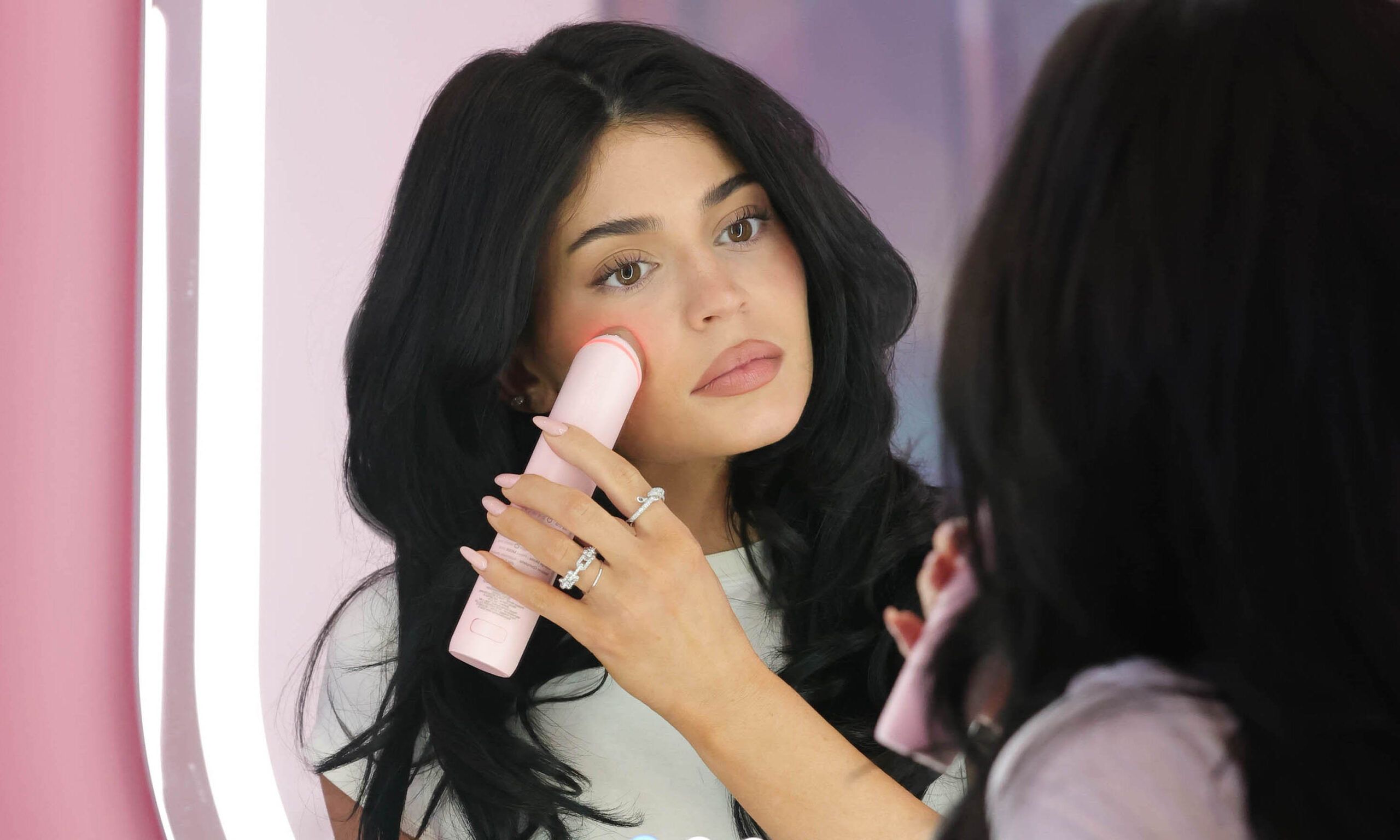
At-home beauty devices in 2026 are no longer luxury novelties sitting unused in bathroom drawers. They have become essential tools in everyday skincare routines, backed by clinical research and endorsed by dermatologists worldwide. The global beauty devices market, valued at $36.2 billion in 2024, is projected to surge past $99 billion by 2035, signaling a seismic shift from professional clinics to personal bathrooms. From Kylie Jenner's viral Medicube AGE-R Booster Pro to CES 2026's groundbreaking innovations from L'Oreal and Amorepacific, this year marks the tipping point where at-home beauty devices deliver genuinely professional-grade results.
Why At-Home Skincare Devices Are Exploding in 2026
Several converging factors are driving the at-home beauty devices revolution. First, technology miniaturization has made it possible to pack multiple clinical-grade technologies into compact, user-friendly designs. Second, the post-pandemic consumer mindset favors self-care independence over repeated clinic visits. Third, K-beauty brands like Medicube have demonstrated that effective devices can be accessible at various price points, not just the ultra-premium segment.
The shift is also deeply tied to the skin longevity movement that has defined 2026 skincare. Consumers are no longer chasing quick fixes. They want devices that support long-term cellular health, collagen preservation, and barrier resilience. This aligns perfectly with what dermatologists have been recommending for years: consistent, gentle, evidence-based interventions rather than aggressive one-time treatments.
Medicube AGE-R Booster Pro: The Device That Won Over Hollywood
No conversation about at-home beauty devices in 2026 is complete without mentioning the Medicube AGE-R Booster Pro. This Korean-engineered 6-in-1 device combines microcurrent, EMS (electrical muscle stimulation), LED therapy, and electroporation technology to lift, firm, and dramatically boost product absorption by up to 785 percent.
The device features four distinct modes. The Booster mode uses electroporation to create temporary micro-channels in the skin, allowing serums and active ingredients to penetrate far deeper than topical application alone. The Microcurrent mode delivers low-level electrical currents that stimulate facial muscles, mimicking the effects of a professional facial workout. The Derma Shot mode targets specific concern areas with concentrated energy delivery, while the Air Shot mode provides a finishing lift and contour effect.

Kylie Jenner's viral endorsement on TikTok, where she described the Booster Pro as her "all-in-one facial tool" for achieving glass skin, catapulted the device into mainstream consciousness. But it was Hailey Bieber's earlier organic endorsement that first sparked celebrity interest. The combined star power helped Medicube's parent company APR Corp. see its stock soar 200 percent in 2025, pushing market value past $4 billion and making founder Kim Byung Hoon South Korea's newest beauty billionaire. Medicube has since expanded into Ulta Beauty stores across the U.S. and launched at Target in April 2026, bringing the brand to an even wider audience.
For those building a comprehensive K-beauty routine, pairing the Medicube device with clinically proven actives like exosome serums or PDRN formulations can maximize the electroporation absorption benefits.
CES 2026: The Beauty Tech Innovations That Changed Everything
CES 2026 in Las Vegas was a landmark event for beauty technology, with cosmetics giants unveiling innovations that blur the line between consumer electronics and skincare. Here are the standout launches that will shape at-home beauty devices throughout the year.
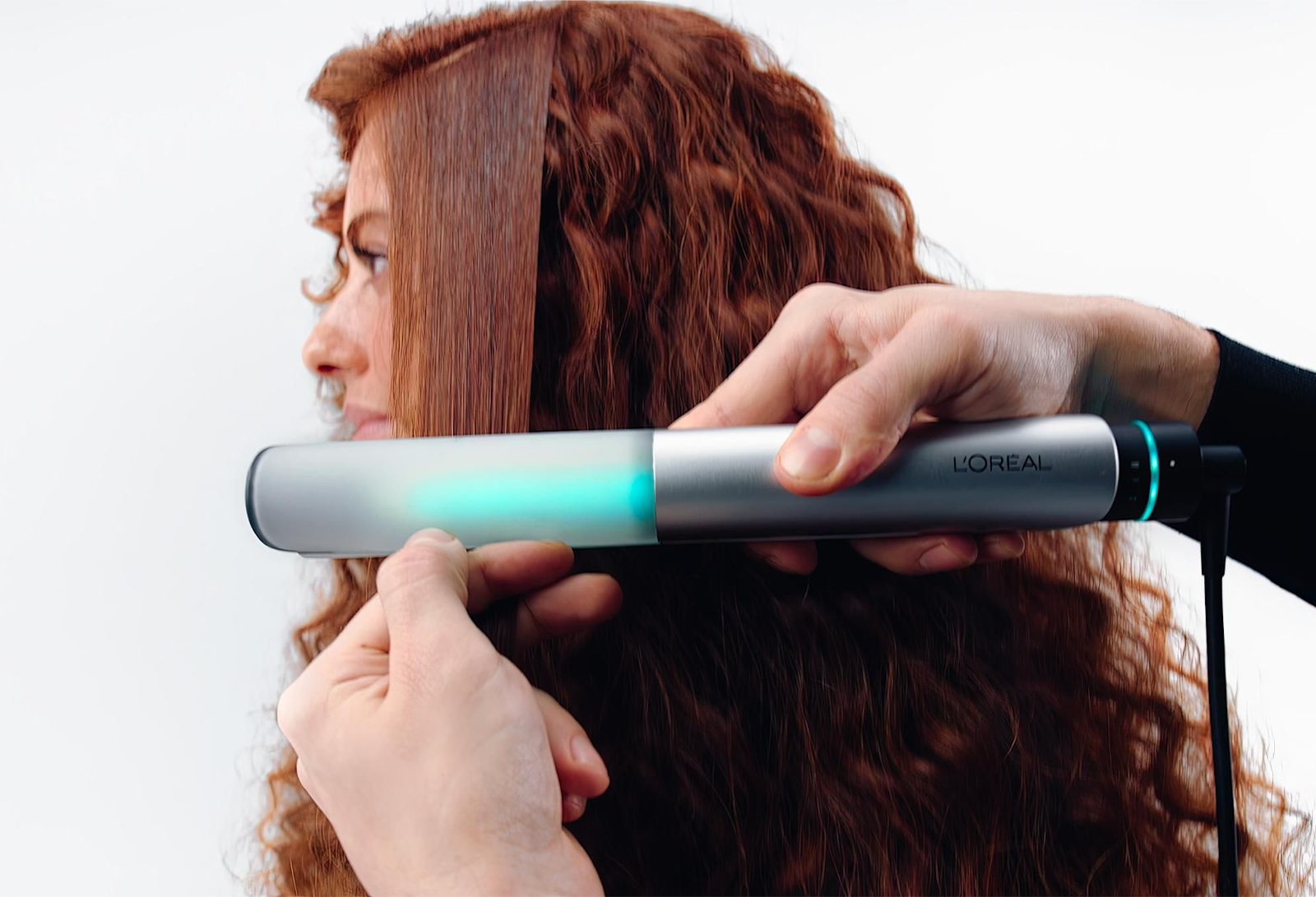
L'Oreal dominated the show with multiple reveals. Their Light Straight and Multi-Styler uses near-infrared light technology below 320 degrees Fahrenheit to reshape hair bonds without heat damage. Their flexible LED Face Mask emits red and near-infrared light wavelengths clinically proven to stimulate collagen production and reduce fine lines. Perhaps most revolutionary, the Lancome Renergie Nano-Resurfacer uses silicon nanochips to create micro-channels for professional-grade skin resurfacing with zero downtime.
The SkinBoosters JET represented a paradigm shift in product delivery. This needle-free injection device uses micro-atomization technology to deliver active ingredients deep into the skin without any needles, bringing clinical-grade ingredient penetration into the home setting.
Amorepacific, the Korean beauty conglomerate, unveiled two game-changing innovations. Skinsight is a wearable skin sensor patch that monitors exposome data and predicts aging patterns, then recommends personalized interventions. Their AI Beauty Mirror, developed in collaboration with Samsung, uses a three-camera system to measure pore size, redness, melanin levels, and wrinkle depth with clinical precision, generating customized product recommendations in real time.
LG entered the space with their Hyper Rejuvenating Eye Patch, an ultra-thin LED patch with AI-driven personalization specifically designed for the delicate periocular area. Meanwhile, Korean company Kolmar unveiled a SCAR Treatment Device that combines AI-powered scar classification with micro-dispensing technology, delivering targeted treatment in just 10 minutes.
LED Light Therapy: The Most Accessible Entry Point
For those new to at-home beauty devices, LED light therapy remains the most accessible and well-researched technology. Red light at 630 to 660 nanometers stimulates collagen synthesis and accelerates cellular repair. Near-infrared light at 830 to 850 nanometers penetrates deeper to reduce inflammation and support tissue regeneration. Blue light at 415 nanometers targets acne-causing bacteria.
The Celluma At-Home LED panel, priced at $795, offers a flexible wraparound design that conforms to the face, neck, and body. Its FDA-cleared technology delivers the same wavelengths used in dermatology clinics. The Dr. Dennis Gross SpectraLite Lipware Pro, at $148, represents a more targeted approach, using LED technology to enhance lip fullness and reduce fine lines around the mouth.
Mito's Mitopro+ Red Light Therapy Panel at $369 provides a full-body option that addresses not only skin concerns like collagen production and inflammation but also muscle recovery and joint discomfort, making it appealing for the holistic wellness consumer who views skincare as part of overall body health.
Understanding the science behind these devices connects directly to the collagen banking trend that dermatologists are championing in 2026. Regular LED therapy sessions can support ongoing collagen preservation, especially when started in the late twenties or early thirties.
Microcurrent and EMS: The Non-Surgical Facelift
Microcurrent devices deliver imperceptible electrical currents that retrain facial muscles, improve lymphatic drainage, and stimulate ATP (adenosine triphosphate) production at the cellular level. The result is a lifted, more defined facial contour that accumulates with consistent use.
The UpLift 5 Pulsating Facial Lift at $245 uses NASA-inspired pulsating technology that works differently from traditional microcurrent. Rather than continuous electrical stimulation, it delivers rhythmic pulses that rebuild facial structure through gentle, targeted energy delivery. Users report visible lifting and contouring effects within two to four weeks of daily five-minute sessions.
For maximum results, dermatologists recommend using microcurrent devices alongside a strong skin barrier repair routine. A healthy barrier ensures the skin can respond optimally to electrical stimulation without developing sensitivity or irritation.
AI-Powered Personalization: The Future Is Already Here
Perhaps the most transformative development in at-home beauty devices is the integration of artificial intelligence. Brands like Apeer now offer AI skin analysis that evaluates over 15 key skin health metrics from a simple selfie, including hydration levels, sebum production, pore size, pigmentation patterns, and sensitivity markers. The AI then generates a bespoke skincare regimen tailored to the individual's unique skin profile.
Cosmax's maXpace system, unveiled at CES 2026, takes personalization even further. This automated device generates custom cosmetic formulations in real time using their proprietary ShadeXense algorithm. Imagine scanning your skin in the morning and having a freshly formulated serum dispensed within minutes, calibrated to your skin's current condition, the day's weather, and your long-term skincare goals.
Perfect Corp.'s YouCam Agent brings conversational AI into the beauty space, functioning as an intelligent beauty consultant that can guide consumers through product selection, routine building, and technique optimization across retail and e-commerce platforms.
What Dermatologists Want You to Know Before Buying
While the at-home beauty devices market is booming, dermatologists offer important caveats for consumers. First, consistency matters more than intensity. A five-minute daily LED session will outperform an hour-long weekly treatment. Second, device hygiene is non-negotiable. Clean device heads after every use to prevent bacterial contamination and potential breakouts.
Third, not every device suits every skin type. Those with active rosacea, eczema, or inflammatory acne should consult a dermatologist before introducing microcurrent or laser devices. Pregnant or nursing individuals should avoid certain wavelengths and electrical stimulation modalities entirely.
Fourth, devices amplify your skincare products, they do not replace them. The best results come from pairing devices with clinically proven actives. As covered in our K-Beauty Ingredients Encyclopedia, ingredients like retinol, niacinamide, and vitamin C respond particularly well to enhanced delivery via electroporation and iontophoresis devices.
Price Guide: At-Home Beauty Devices for Every Budget
The at-home beauty devices market in 2026 spans a wide price range, making it accessible to virtually every consumer. Entry-level devices under $200 include targeted LED tools like the Dr. Dennis Gross Lipware Pro at $148 and basic microcurrent wands starting around $100. Mid-range devices between $200 and $500 encompass the most popular segment, including the Medicube AGE-R Booster Pro at $240, the UpLift 5 at $245, and the Mito Red Light Panel at $369.
Premium devices from $500 to $1,000 include full-face LED masks like the Celluma at $795 and at-home laser hair removal systems like the Epilaser at $995. Ultra-premium devices above $1,000 represent clinical-grade technology, with the Happy Head LLLT hair regrowth system at $1,179 and the LYMA Laser Pro at $5,995 representing the pinnacle of at-home beauty tech.
If you are just starting your device journey and want to build a foundation first, our K-Beauty for Beginners Guide can help you establish a solid skincare routine before adding technology.
You May Also Like
- Exosome Skincare 2026: K-Beauty's Biotech Breakthrough Explained
- Collagen Banking 2026: The Preventive Skincare Trend Dermatologists Want You to Start Now
- Skin Longevity Revolution 2026: Urolithin-A, PDRN, and the Science Redefining Anti-Aging
- Anti-Aging Skincare Guide 2026: Science-Backed Ingredients, Routines, and Expert Strategies
FAQ
Q: Are at-home beauty devices as effective as professional treatments?
A: At-home beauty devices in 2026 deliver approximately 60 to 80 percent of professional treatment results when used consistently. Devices like the Medicube AGE-R Booster Pro and clinical-grade LED panels use the same core technologies found in dermatology offices, though typically at lower power settings for safety. The key advantage is frequency: daily at-home use often outperforms monthly clinic visits for maintenance and prevention.
Q: How long does it take to see results from at-home skincare devices?
A: Most users notice initial improvements within two to four weeks of consistent daily use. LED therapy typically shows visible collagen and texture improvements around the six to eight week mark. Microcurrent lifting effects can be seen after a single session, though lasting results require ongoing use. Full cumulative benefits from any device usually manifest at the three-month milestone.
Q: Which at-home beauty device should I buy first in 2026?
A: For most consumers, a multi-function device like the Medicube AGE-R Booster Pro offers the best value, combining LED, microcurrent, EMS, and electroporation in a single tool at $240. If your primary concern is anti-aging, a dedicated LED panel delivers the most research-backed results. For acne-prone skin, a blue-light LED device should be your starting point. Always match the device to your primary skin concern rather than chasing the most expensive option.
Q: Can I use at-home beauty devices with retinol or active ingredients?
A: Use caution when combining devices with potent actives. Electroporation and iontophoresis devices dramatically increase ingredient penetration, which can amplify both benefits and irritation. Dermatologists recommend using gentle, hydrating serums with electroporation devices and reserving retinol application for non-device evenings. Always patch test new device-product combinations and introduce them gradually.
Q: Are K-beauty skincare devices better than Western brands?
A: K-beauty brands like Medicube have earned a reputation for combining clinical-grade technology with accessible pricing. Korean manufacturers benefit from the country's advanced electronics infrastructure and beauty-tech R&D investment. However, brands like LYMA, Celluma, and Dr. Dennis Gross also deliver excellent results. The best device is the one that matches your specific needs, budget, and consistency commitment, regardless of origin.
The Bottom Line
At-home beauty devices in 2026 represent a fundamental shift in how we approach skincare. The convergence of K-beauty innovation, AI personalization, and miniaturized clinical technology means that professional-grade results are now achievable in your own bathroom. Whether you start with a $148 targeted LED tool or invest in a $5,995 laser system, the key is consistency and pairing your device with a solid, evidence-based skincare routine. The era of device-enhanced skincare is here, and the gap between clinic and home is closing faster than anyone predicted.
Sources: NewBeauty, Who What Wear, BeautyMatter, Fashionista, Beauty Independent


댓글
댓글 쓰기