Urea Skincare 2026: K-Beauty's Underrated NMF Anti-Aging Hero
Urea Skincare 2026: K-Beauty's Most Underrated NMF Anti-Aging Ingredient
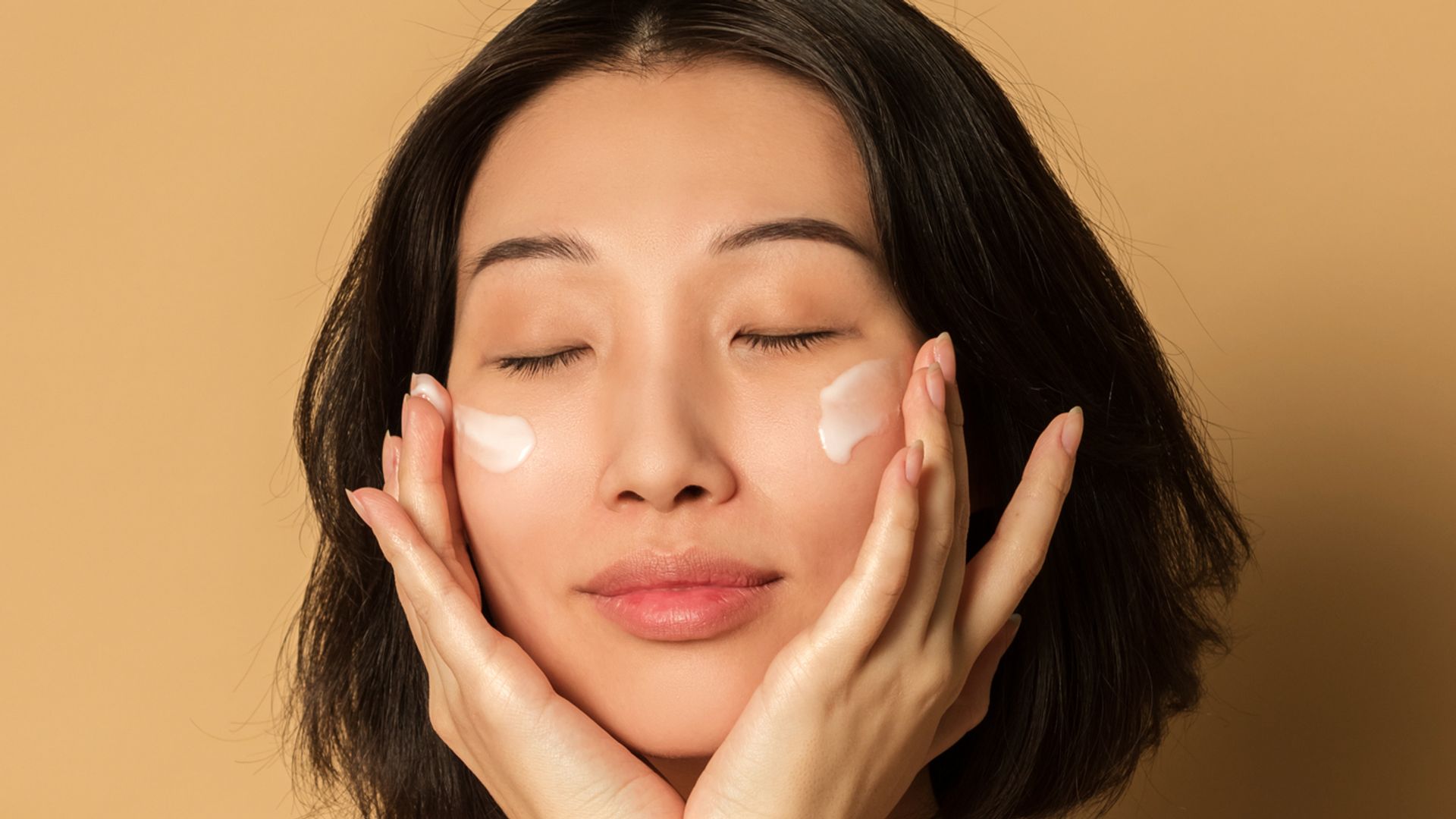
Urea skincare is having a quiet but decisive moment in 2026. While ingredients like PDRN, exosomes, and spicules dominate K-beauty headlines, a wave of dermatologists and cosmetic chemists is pushing the spotlight back onto urea, the small, naturally occurring molecule that makes up roughly 7 percent of the skin's natural moisturizing factor (NMF). Trilogy Laboratories listed urea among its 29 most important active ingredients for 2026, Consumer Reports ran a major feature calling it "one of the most underappreciated workhorses in dermatology," and Korean barrier-focused brands are increasingly pairing urea with ceramides, postbiotics, and hanbang botanicals. The result is a 2026 ingredient story that does not chase novelty but instead rebuilds skin from the inside out.
This guide breaks down what urea actually does at each concentration, why aging skin needs it more than your 20s did, where it fits in the new K-beauty barrier-first stack, and which mistakes to avoid when layering it with retinoids and acids.
What Is Urea, and Why Is It Trending in 2026?
Urea is a small, water-soluble organic compound that your body produces naturally. About 7 percent of the skin's NMF is urea, working alongside amino acids, lactates, and sodium PCA to hold water in the stratum corneum. It is one of the few ingredients that is endogenous, meaning your skin already recognizes it and already uses it. Topical urea simply replenishes what the skin has lost.
That deficit is the 2026 storyline. NMF components, including urea, decline measurably with age, with UV exposure, with low humidity, and with frequent washing or surfactant exposure. Dr. Joe Tung, MD, Medical Director at UPMC Falk Dermatology, told Consumer Reports that "urea is one of the most underappreciated workhorses in dermatology—effective, versatile, and backed by decades of clinical use." A 2021 review in Skin Pharmacology and Physiology summarized urea's emollient, moisturizing, keratolytic, skin barrier enhancing, and even antimicrobial properties, making it one of the few topicals that is multi-functional without being aggressive.
The 2026 K-beauty interest, in particular, ties into the broader Medicosmetic Pivot identified by BeautyMatter, in which clinically validated, low-irritation ingredients are replacing buzzy but harsh actives. As we covered in our Polyglutamic Acid 2026 guide, the next-generation Korean humectant stack is now layered: hyaluronic acid for surface, polyglutamic acid for film-forming hold, and urea to mimic the skin's own NMF underneath.
How Urea Works: Concentration Changes Everything
Urea is one of those rare actives whose behavior flips depending on percentage. This is the part most consumers get wrong, and it explains why some users love urea while others find it irritating.
At 2 to 10 percent, urea behaves primarily as a humectant. Because its molecular size is small (60 Da, compared with high molecular weight hyaluronic acid at 1,000,000+ Da), it penetrates the stratum corneum easily, binds water at deeper layers, and reduces transepidermal water loss (TEWL). This is the range relevant to most face products, anti-aging routines, and sensitive skin formulas.
At 10 to 30 percent, urea becomes keratolytic. It breaks down keratin proteins in the outermost corneocyte layer, softening rough patches and thinning thickened skin. This is the range used to treat keratosis pilaris, plantar calluses, seborrheic dermatitis, and mild psoriasis. It is not the range you want on facial skin daily.
At 40 percent and above, urea is used clinically for non-surgical nail debridement and softening of severely hyperkeratotic tissue. These are prescription-territory products and not relevant to consumer skincare.
For aging facial skin, the sweet spot is 5 to 10 percent: high enough to meaningfully replenish NMF, support barrier function, and improve hydration measured by corneometer studies, but low enough to remain non-irritating with daily use. Korean brands have begun consistently formulating in this exact range, often pairing urea with panthenol, ceramide NP, and centella asiatica extract.
Urea and Anti-Aging: The Mechanism Most Brands Don't Explain
The anti-aging case for urea is not collagen stimulation. It does not work like a peptide or retinoid. Instead, urea addresses a different, often overlooked driver of visible aging: chronic mild barrier dysfunction.
As NMF declines with age, the stratum corneum holds less water. Dehydrated skin shows fine lines more prominently, scatters light less evenly (which reads as dullness), and triggers low-grade inflammation that accelerates collagen degradation through the matrix metalloproteinase pathway. By replenishing NMF, urea restores corneocyte hydration, smooths optical roughness, reduces TEWL, and dampens the inflammatory baseline that makes other anti-aging actives less effective.
This is why dermatologists in 2026 increasingly frame urea as a "foundation layer" rather than a treatment. It does not replace retinol, peptides, or vitamin C. It makes them work better because it ensures the canvas they are applied to is structurally intact. For readers building a comprehensive routine, our Ectoin Skincare 2026 guide covers the parallel desert-extremolyte strategy, and our Beta-Glucan 2026 guide details the post-yeast immunomodulator side of the same barrier-first philosophy.
Where Urea Fits in a 2026 K-Beauty Routine
The Korean approach treats urea as a hydration anchor rather than a treatment step. The standard 2026 placement looks like this:
Morning: gentle low-pH cleanser, hydrating toner, antioxidant serum (vitamin C or niacinamide), urea-containing essence or lotion at 5 to 7 percent, ceramide-based moisturizer, mineral or hybrid SPF.
Evening: oil cleanse, water cleanse, exfoliating step (only 2 to 3 times weekly), urea essence or cream at 7 to 10 percent, targeted serum (retinoid or peptide, but not both), occlusive sleep mask one to two nights per week.
A note on layering: urea pairs well with niacinamide, panthenol, ceramides, beta-glucan, polyglutamic acid, and centella asiatica. It can be used alongside retinoids and exfoliating acids, but should be applied first so the skin barrier is hydrated and supported before the more aggressive active. Avoid combining urea with high-percentage AHA or BHA in the same step, especially on already-dry or compromised skin.
Expert Insights: What Dermatologists Say About Urea in 2026
Dr. Tung's framing for Consumer Reports captures the prevailing dermatology view: urea is not a novelty active, it is a corrective one. He emphasizes that "we're actually replenishing what the skin already uses to stay healthy and hydrated," a statement that aligns with how cosmetic chemists describe NMF mimetics.
Cosmetic chemists writing for Skin Type Solutions echo that urea below 10 percent is "remarkably well-tolerated even on rosacea-prone and eczematous skin," provided the formulation is properly buffered and avoids harsh co-ingredients. Korean formulators have leaned into this safety profile by combining urea with anti-inflammatory botanicals such as centella, mugwort, and bamboo sap, which our Azelaic Acid 2026 coverage contextualizes within the broader low-irritation, multi-tasker trend.
The clinical literature backs this up. The 2021 PMC review of urea in dermatology cited consistent improvements in skin hydration, reduction in TEWL, and improved barrier function in randomized controlled trials at the 5 to 10 percent range, with adverse events limited to transient stinging in a small minority of users.
Side Effects, Mistakes, and Who Should Be Cautious
Urea is well-tolerated for most users, but it is not entirely without risk. The most common issues are predictable:
Stinging and transient redness can occur when urea is applied to compromised skin, particularly skin already irritated by retinoids, harsh cleansers, or recent professional treatments. This is concentration-dependent and resolves quickly.
Excessive use of high-strength urea, particularly products above 20 percent applied daily to facial skin, can compromise the barrier rather than restore it. Reserve those strengths for body, feet, or specific keratosis pilaris protocols.
Combining urea with retinoids in the same step can amplify irritation. Stagger them: urea first to hydrate, wait a few minutes, then apply retinoid on dry skin.
Allergic contact dermatitis to urea exists but is exceptionally rare. Consumer Reports cited only one documented case in the medical literature, making urea one of the lowest-allergenicity actives in mainstream skincare.
You May Also Like
- Polyglutamic Acid 2026: K-Beauty's New Hydration Hero
- Ectoin Skincare 2026: The Desert Extremolyte Powering K-Beauty's Barrier Revolution
- Beta-Glucan Skincare 2026: The Barrier-Repair Hero Outperforming Hyaluronic Acid
- 10 Best Korean Moisturizers 2026: Dermatologist-Approved Picks
- Azelaic Acid 2026: K-Beauty's Multi-Tasking Skin Hero
FAQ
Q: Is urea skincare safe for sensitive or rosacea-prone skin?
A: Yes, at concentrations below 10 percent urea is one of the better-tolerated humectants, including for rosacea-prone and eczematous skin, because it mimics what your skin naturally produces. Patch test new formulas and avoid layering with strong acids or retinoids in the same step.
Q: What percentage of urea should I use on my face?
A: For daily facial use, 5 to 10 percent is the dermatologist-recommended range. It delivers measurable hydration and barrier benefits without keratolytic effects that could thin or sensitize facial skin.
Q: Can I use urea every day, morning and night?
A: Yes. Within the 5 to 10 percent range, urea is designed for daily use as a foundation hydrator. Korean barrier-first routines often include it twice daily, layered before more targeted serums.
Q: Does urea replace hyaluronic acid?
A: No, they complement each other. Hyaluronic acid is a large humectant that holds water at the surface; urea is a small NMF mimetic that penetrates deeper. The 2026 K-beauty stack typically layers both alongside polyglutamic acid for multi-depth hydration.
Q: Can I combine urea with retinol?
A: Yes, but stagger them. Apply urea first to hydrate and support the barrier, wait a few minutes for it to absorb, then apply retinol. This reduces retinoid-related irritation without diluting either ingredient's efficacy.
Q: Is urea better than glycerin or hyaluronic acid?
A: It is different, not better. Glycerin and HA are excellent humectants but are not native NMF components in the same way urea is. The most evidence-based 2026 approach uses all three, each at the depth they serve best.
The Bottom Line
Urea skincare in 2026 represents the quieter side of K-beauty's evolution: a return to ingredients that work because they replenish what the skin already produces. It does not promise overnight transformation, but for anyone over 30, anyone fighting chronic dryness, or anyone whose barrier has been compromised by years of acids and retinoids, a properly formulated 5 to 10 percent urea product may be the most quietly transformative addition to a routine this year. Pair it with ceramides and a daily SPF, and you have the corrective foundation that every other 2026 trending active depends on to actually work.
Sources: Consumer Reports — Urea Skincare, PMC: Urea in Dermatology Review (2021), BeautyMatter 2026 K-Beauty Forecast, Hello Magazine K-Beauty Trends 2026, Trilogy Laboratories Trending Skincare Ingredients 2026.


댓글
댓글 쓰기