Azelaic Acid 2026: K-Beauty's Multi-Tasking Skin Hero
Azelaic Acid 2026: The K-Beauty Multi-Tasker Treating Acne, Rosacea, and Dark Spots in One Step
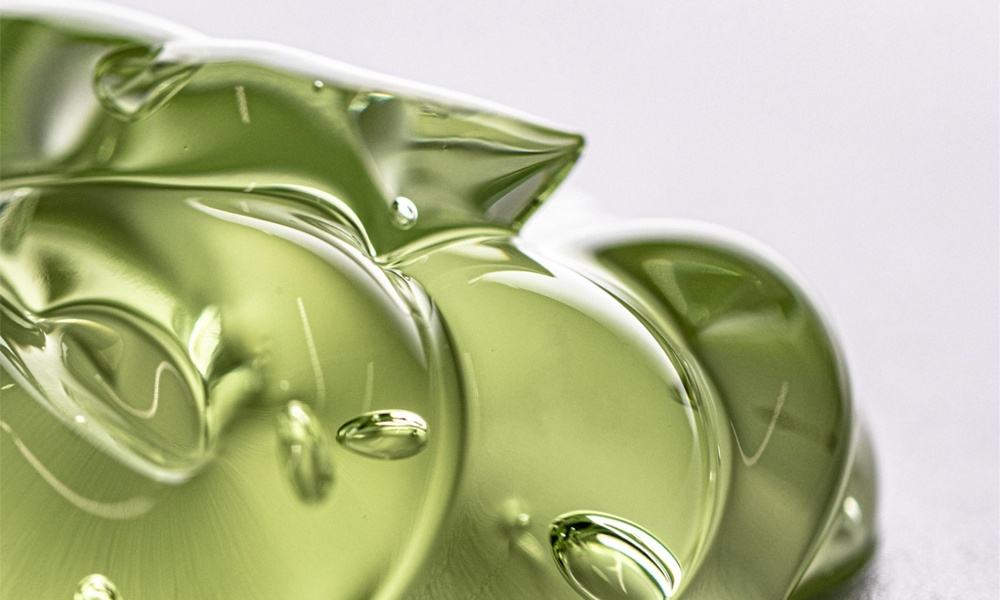
Azelaic acid is having a defining moment in 2026, and Korean beauty is leading the formulation race. Once a quiet prescription ingredient buried inside dermatology clinics, azelaic acid skincare is now a viral category in K-beauty, anchored by a wave of high-percentage serums from Medicube, Dr Ceuracle, VT Cosmetics, and Nineless. Searches for "azelaic acid serum" have climbed steadily through 2025 and 2026 as consumers look for one ingredient that can simultaneously calm acne, soothe rosacea-prone redness, and fade stubborn dark spots without the irritation of stronger acids or retinoids.
What makes azelaic acid different from the usual brightening or anti-acne actives is its breadth. According to a 2023 systematic review in the Journal of Cosmetic Dermatology, azelaic acid demonstrates clinical efficacy across acne vulgaris, rosacea, melasma, and post-inflammatory hyperpigmentation in a single molecule, with a safety profile mild enough for sensitive skin and pregnancy. K-beauty brands have taken that science and built it into elegant, layerable formulas designed for daily use.
What Is Azelaic Acid, and Why Is K-Beauty Obsessed With It?
Azelaic acid is a naturally occurring dicarboxylic acid found in grains such as wheat, rye, and barley, and it is also produced by Malassezia furfur, a yeast that lives on healthy skin. In skincare, the cosmetic-grade version is synthesized for purity and stability. It works through three mechanisms that explain why it punches so far above its weight:
First, it inhibits tyrosinase, the enzyme responsible for melanin production. This is the same pathway targeted by kojic acid and arbutin, but azelaic acid selectively acts on hyperactive melanocytes, which is why it fades dark spots without lightening surrounding skin. Second, it has antimicrobial action against Cutibacterium acnes, the bacteria implicated in inflammatory acne, while normalizing follicular keratinization to prevent comedones. Third, it dampens reactive oxygen species and pro-inflammatory cytokines that drive rosacea flushing and post-acne redness.
K-beauty's interest in azelaic acid sits at the intersection of two 2026 megatrends: barrier-first skincare and medicosmetic ingredients. Rather than positioning azelaic acid as a harsh exfoliant, Korean brands frame it as a calm, multi-tasking active that pairs cleanly with cica, niacinamide, and ceramides. As we covered in our Korean Skincare for Sensitive Skin 2026 guide, the K-beauty playbook for reactive complexions is now built around ingredients that calm and treat at the same time, and azelaic acid fits that brief perfectly.
The Clinical Evidence: What Azelaic Acid Actually Does
The dermatology literature on azelaic acid is unusually consistent for a topical active. A 2023 PubMed-indexed systematic review evaluating efficacy across acne, rosacea, melasma, and skin aging concluded that 15 to 20 percent azelaic acid is comparable to benzoyl peroxide 5 percent and clindamycin 1 percent for inflammatory acne, with substantially less irritation and no antibiotic resistance risk. For papulopustular rosacea, meta-analyses across roughly twenty randomized trials show azelaic acid significantly outperforms vehicle for erythema, lesion counts, and overall improvement at twelve weeks, and is more effective than metronidazole 0.75 percent for redness.
For pigmentation, azelaic acid 20 percent has been shown to perform similarly to hydroquinone 4 percent for melasma over six months, but without the rebound hyperpigmentation or ochronosis risk that has pushed many dermatologists to phase out long-term hydroquinone use. Australia's Therapeutic Goods Administration considers azelaic acid up to 10 percent safe for over-the-counter cosmetic use, which is why most K-beauty serums anchor around the 10 percent threshold while a smaller number push to 16 percent for stronger results.
The K-Beauty Azelaic Acid Lineup Defining 2026
The Korean azelaic acid market matured rapidly between 2024 and 2026, and the standout products now span every price tier:
Medicube Azelaic Acid 16 BB Calming Serum sits at the top of the strength range. At 16 percent azelaic acid blended with neem extract, turmeric, panthenol, and ceramides, it is positioned for inflammatory acne and persistent post-acne marks. The formula's calming buffer is what separates it from prescription versions, which are often drying.
Dr Ceuracle Azelaic 10 and Madeca Ampoule pairs 10 percent azelaic acid with Madecassoside, the standardized cica fraction. This combination is designed for redness-prone, acne-prone skin that cannot tolerate retinoids or higher-strength acids, and it has become a Reddit and TikTok favorite for rosacea sufferers.
VT Cosmetics A1 Calming Azelaic Acid Serum targets the sensitive-skin segment with 10 percent azelaic acid plus Centella Asiatica and panthenol. VT's approach is hydration-forward, layering azelaic acid into a watery essence texture that absorbs without the slight tackiness of higher-strength serums.
Medicube Azelaic Acid Exosome Shot 2000 represents the fusion trend in 2026 K-beauty, combining azelaic acid with exosome technology for targeted delivery. The thinking is that exosomes shuttle azelaic acid into deeper layers more efficiently, although clinical data on the combination is still emerging. For more on exosomes, see our 2026 Exosome Skincare guide.
Nineless A-Control 10% Azelaic Acid Serum rounds out the affordable tier, offering 10 percent azelaic acid in a streamlined formula popular with skin-streaming routines.
How to Use Azelaic Acid in a K-Beauty Routine
Azelaic acid is one of the most cooperative actives in skincare. It layers safely with niacinamide, hyaluronic acid, ceramides, peptides, and most plant extracts. Korean dermatologists generally recommend the following structure:
Apply azelaic acid to clean, dry skin after toning and before heavier creams. A pea-sized amount is enough for the full face. Lower concentrations of 5 to 10 percent can be used twice daily, while 15 to 20 percent formulas are typically introduced once daily and increased gradually over two to three weeks. A tingling or warming sensation in the first few applications is common and usually subsides as the skin acclimates.
Pair azelaic acid with niacinamide for compounded brightening, with cica or panthenol for redness control, and with ceramides at night for barrier reinforcement. Avoid stacking azelaic acid with high-strength glycolic, salicylic, or retinoid layers in the same step, since the combined exfoliation can compromise the barrier. If you use a retinoid, apply azelaic acid in the morning and the retinoid at night.
Sunscreen is non-negotiable. Even though azelaic acid is one of the more photo-stable actives, fading hyperpigmentation without daily SPF is a wasted exercise. Our Korean Sunscreen Guide 2026 covers the SPF formulas most compatible with active treatment routines.
Expert Insights: What Dermatologists Say About Azelaic Acid in 2026
Dermatologists have moved azelaic acid from a niche prescription option to a first-line recommendation for several phenotypes. Korean dermatologists in Seoul's clinical skincare circles have flagged azelaic acid as their preferred maintenance ingredient for patients transitioning off oral isotretinoin or topical retinoids, because it sustains acne control without the photosensitivity and barrier disruption common to alternatives.
For melasma, the consensus has shifted toward azelaic acid plus tranexamic acid as a safer long-term combination than hydroquinone-based regimens. Our deep dive on tranexamic acid in K-beauty explains why this pairing has become a staple for stubborn pigmentation cases.
For rosacea, the appeal is mechanistic. Azelaic acid suppresses kallikrein-5 and cathelicidin LL-37, two innate immunity peptides that are dysregulated in rosacea skin. By acting upstream of the inflammatory cascade rather than just suppressing surface symptoms, it produces durable, not just cosmetic, improvement. Twelve-week clinical data is when most patients see meaningful change, so dermatologists urge patience before judging the ingredient.
Who Should Avoid Azelaic Acid?
Azelaic acid is one of the safer actives in dermatology, with no known photosensitivity, no antibiotic resistance issues, and a benign profile in pregnancy and nursing. Side effects are typically limited to transient stinging, mild dryness, or pruritus, and they generally resolve within two weeks of consistent use. Patients with a documented allergy to wheat-derived cosmetics should patch test, although the molecule itself is unrelated to gluten and the wheat-allergy concern is largely theoretical.
People with severely compromised barriers, active eczema flares, or open wounds should stabilize the barrier before introducing azelaic acid. For barrier-repair guidance, our Beta-Glucan Skincare 2026 coverage is a useful starting point.
You May Also Like
- Tranexamic Acid 2026: K-Beauty's Best Dark Spot Treatment
- Niacinamide Skincare Guide 2026: Brightening Routine Essentials
- Korean Skincare for Sensitive Skin 2026: The Complete K-Beauty Routine
- Exosome Skincare 2026: K-Beauty's Successor to PDRN
FAQ
Q: Is azelaic acid better than tranexamic acid for dark spots?
A: They work through different mechanisms and are most powerful together. Azelaic acid inhibits tyrosinase and reduces melanocyte activity, while tranexamic acid blocks the vascular and plasmin pathways that drive melasma. Dermatologists in 2026 commonly stack the two, especially for stubborn melasma that has failed monotherapy. Use azelaic acid in the morning and tranexamic acid at night, or vice versa, and reassess at twelve weeks.
Q: Can I use azelaic acid with retinol or vitamin C?
A: Yes, but stagger them. Use vitamin C in the morning and azelaic acid in the evening, or alternate nights for retinol and azelaic acid. Stacking all three in one routine is feasible for skin acclimated to actives, but introduce one ingredient at a time over four-week intervals to avoid barrier disruption. If irritation appears, drop to azelaic acid alone for two weeks before reintroducing the others.
Q: How long does azelaic acid take to work for acne and dark spots?
A: Inflammatory acne typically improves within four to six weeks. Post-inflammatory hyperpigmentation responds in eight to twelve weeks. Melasma is the slowest, often requiring sixteen to twenty-four weeks of consistent twice-daily use plus rigorous SPF. The mistake most users make is judging azelaic acid at four weeks, when its slower remodeling work is just beginning.
Q: Is azelaic acid safe for pregnancy and breastfeeding?
A: Yes, azelaic acid is widely considered one of the safest topical actives during pregnancy and lactation. Unlike retinoids, salicylic acid above 2 percent, or hydroquinone, it has no documented teratogenic risk and is regularly recommended by obstetric dermatologists for pregnancy melasma and hormonal acne. Always confirm with your own clinician.
Q: What concentration of azelaic acid should I start with?
A: For first-time users or sensitive skin, start at 5 to 10 percent. The 10 percent threshold is well-tolerated and supported by strong clinical data. Move to 15 to 20 percent only if 10 percent has plateaued after twelve weeks, and only if your barrier feels resilient. Higher concentrations are more effective but also more likely to cause initial stinging.
The Bottom Line
Azelaic acid earned its 2026 K-beauty moment because it does what most ingredients only promise. It treats acne and rosacea, fades pigment, calms inflammation, and supports the barrier, all without photosensitivity or pregnancy contraindications. Korean brands have refined the delivery and texture problem that previously kept this ingredient in dermatology clinics, and the result is a category that suits beginners and skin-streaming minimalists as readily as it serves long-term acne and melasma patients. If your 2026 routine is missing one calm, evidence-backed multi-tasker, this is the ingredient to add. Start at 10 percent, give it twelve weeks, and pair it with daily SPF.
Source: Arktastic K-Beauty Azelaic Acid Guide, Lion Pose 2026 Azelaic Acid Roundup, Systematic Review: Efficacy of Azelaic Acid in Acne, Rosacea, Melasma, and Skin Aging


댓글
댓글 쓰기