Korean Sheet Masks Guide 2026: How to Choose, Layer, and Use Them Effectively
Korean Sheet Masks Guide 2026: How to Choose, Layer, and Use Them Effectively
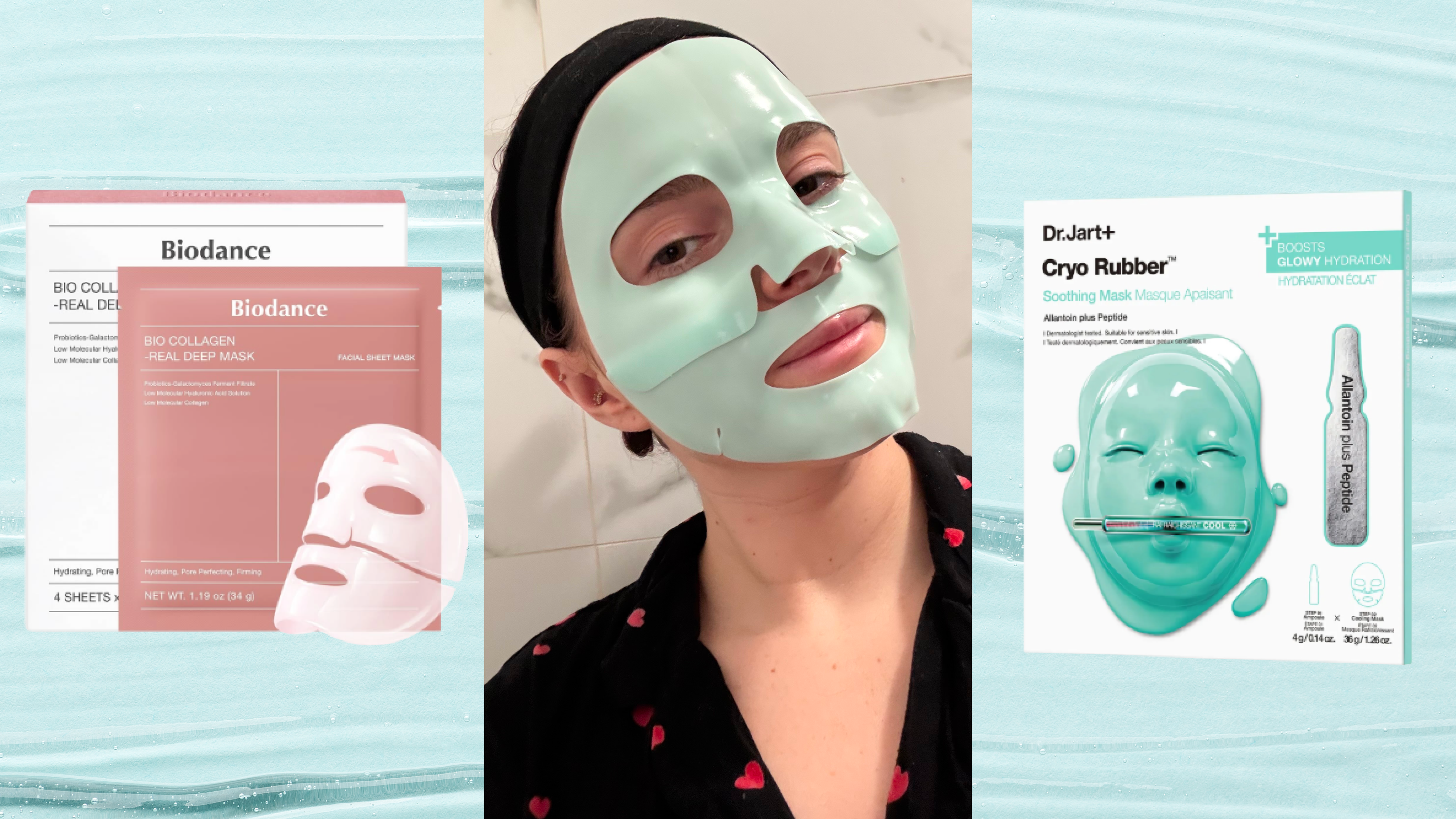
Korean sheet masks have evolved from a quirky travel souvenir into one of the most studied delivery formats in modern skincare. The premise is simple: a face-shaped substrate soaked in 20 to 30 milliliters of concentrated essence sits on the skin for 15 to 20 minutes, creating an occlusive seal that pushes actives deeper than a serum applied with bare fingers ever could. The execution, however, is where Korean formulators have built a decade-long lead. This 2026 Korean sheet masks guide breaks down what is actually inside the foil pouch, which substrates are worth paying for, how often to use them without compromising the skin barrier, and which products dermatologists recommend for hydration, brightening, calming, and anti-aging concerns.
If you are new to K-beauty, start with our K-Beauty for Beginners 2026 routine guide first, then layer sheet masking on top once your basic regimen is consistent. Masks accelerate results; they do not replace a daily routine.
What a Korean Sheet Mask Actually Does
A sheet mask is a vehicle, not an ingredient. The substrate (cotton, hydrogel, bio-cellulose, or microfiber) is saturated with essence and acts as a temporary occlusive barrier. Three things happen during the 15 to 20 minute wear time. First, transepidermal water loss is reduced because the substrate physically blocks evaporation, allowing the stratum corneum to rehydrate. Second, the warm, moist micro-environment slightly softens the lipid matrix between corneocytes, which improves the diffusion of small molecules such as niacinamide, panthenol, and low-molecular-weight hyaluronic acid. Third, the prolonged contact time delivers far more essence than a leave-on serum, because gravity and friction normally remove most of what you apply with your hands within minutes.
Independent measurements published by Korean dermatology journals consistently show absorption rates roughly 30 to 40 percent higher with a properly fitted sheet mask versus the same essence applied without occlusion. This is the entire scientific case for the format, and it is also why substrate quality and fit matter as much as the ingredient list.
The Four Substrate Types You Need to Know
Substrate is where most beginners overpay or underpay. Here is the honest hierarchy in 2026.
Cotton and non-woven sheets are the original and still the most common format. They are inexpensive, hold a reasonable amount of essence, and work well for daily hydration. The downside is fit; cotton sags around the nose and chin and tends to slip off if you move. Brands such as Mediheal, Innisfree, and Etude House dominate this tier, and a good cotton mask will run roughly 1 to 3 USD per sheet.
Hydrogel sheets are a jelly-like polymer (usually a polyacrylate or carrageenan blend) that adheres tightly to skin and provides an immediate cooling sensation. Hydrogel holds essence longer, fits the contours of the face better than cotton, and is the format of choice for under-eye and spot patches. Expect to pay 4 to 8 USD per sheet. Dr.Jart+ Cryo Rubber and Banobagi Vita Genic Jelly Mask are the category benchmarks.
Bio-cellulose is fermented from coconut water or a similar carbohydrate source and produces an extremely thin, second-skin layer that conforms perfectly to facial contours. Adhesion is so complete that you can talk and move without the mask shifting. Bio-cellulose is the most expensive substrate (8 to 15 USD per sheet) and is the gold standard for high-actives masks where every drop of essence must reach the skin. SK-II Facial Treatment Mask and Klairs Midnight Blue Calming Mask are widely cited examples.
Microfiber and ampoule masks are the newest entry, using ultra-fine synthetic fibers that mimic bio-cellulose adhesion at a lower price. Numbuzin and Anua have pushed this category forward in 2026, and quality has reached the point where microfiber is a credible mid-tier alternative to bio-cellulose.
For everyday use, cotton or microfiber is enough. Reserve bio-cellulose and hydrogel for special-occasion masking or for high-performance ingredients such as PDRN, exosomes, or peptides where ingredient delivery is non-negotiable. For background on those advanced actives, see our snail mucin science guide and centella asiatica complete benefits guide.
The Ingredient Categories That Actually Earn the Price Tag
Sheet masks are essence delivery systems, so the essence formula is the entire point. Five ingredient categories dominate the 2026 Korean sheet mask landscape.
Hydration heroes: multi-molecular-weight hyaluronic acid, polyglutamic acid, beta-glucan, panthenol, and glycerin. These are the workhorses of any daily hydration mask. Polyglutamic acid in particular has emerged as a hyaluronic acid alternative that holds roughly 5 times more water; we covered the science in our Polyglutamic Acid 2026 hydration guide and the beta-glucan barrier-repair article.
Calming actives: centella asiatica (madecassoside, asiaticoside), heartleaf (Houttuynia cordata) extract, mugwort, green tea, and allantoin. Heartleaf has overtaken centella as the trending calming ingredient in 2026 because clinical data shows a faster anti-inflammatory response in reactive skin. If your skin is reactive, redness-prone, or post-procedure, follow the protocol in our Korean skincare for sensitive skin routine.
Brightening actives: niacinamide (typically 2 to 5 percent in a sheet mask), tranexamic acid, glutathione, alpha-arbutin, and vitamin C derivatives such as 3-O-ethyl ascorbic acid. For a deeper look at how to layer these, see our Niacinamide Skincare Guide 2026.
Anti-aging actives: peptides (copper peptides, signal peptides), PDRN, exosomes, retinal in low concentrations, and bakuchiol. These ingredients are most worth paying for in bio-cellulose masks because the substrate matters most when you are trying to deliver large or unstable molecules.
Barrier-repair actives: ceramides, cholesterol, fatty acids, squalane, and madecassoside. A weekly barrier-repair mask is the single best investment if your skin is compromised by over-exfoliation, retinoid use, or seasonal change. Pair with a daily ceramide moisturizer; our Ceramide Skincare 2026 guide covers product selection.
How to Use a Sheet Mask Correctly
Most Korean sheet mask mistakes are sequence and timing errors, not product errors. Use this 7-step protocol.
1. Cleanse thoroughly. Sheet masks force whatever is on the skin deeper into the skin, so a poorly cleansed face means deeper-driven sebum, sunscreen residue, and pollution. Double cleanse if you wear sunscreen or makeup; the rationale is in our Double Cleansing Method 2026 explainer and our Korean Cleansing Oils Guide 2026.
2. Tone and apply a hydrating essence. Skin should be slightly damp, not dripping, when the sheet goes on. A pre-essence layer (such as a hyaluronic toner) primes the skin to receive the mask essence.
3. Apply the sheet for 15 to 20 minutes, no longer. Once the substrate dries, it begins to wick moisture out of the skin via reverse osmosis. Set a timer. If you fall asleep with a mask on, you have just dehydrated yourself.
4. Pat the residual essence into the skin. Do not rinse. The leftover essence on the face contains the same actives at a lower but still useful concentration.
5. Lock with a moisturizer. A sheet mask deposits water and water-soluble actives. Without an occlusive moisturizer, that water evaporates within 30 to 60 minutes and you are back where you started. Pair with a barrier moisturizer; see our 10 Best Korean Moisturizers 2026 list.
6. Use sunscreen the next morning. Many sheet mask formulas include AHAs, vitamin C, or retinal at low percentages, all of which increase photosensitivity. Reach for a Korean SPF; recommendations are in our Korean Sunscreen Guide 2026.
7. Limit frequency to 2 to 3 times per week. Daily sheet masking weakens the lipid barrier through over-hydration and ingredient buildup, even with gentle formulas. The exception is a 3 to 5 day intensive run before a major event using only a hydrating mask without active acids or retinoids.
Picking the Right Mask for Your Concern
Match the mask to a single concern at a time. Stacking concerns (brightening + anti-aging + calming in one session) usually delivers a sub-therapeutic dose of each.
For deep hydration: Torriden DIVE-IN Low Molecular Hyaluronic Acid Mask uses five molecular weights of hyaluronic acid plus polyglutamic acid in a fragrance-free cotton substrate. A.P.D.C. Real Aloe Soothing Mask is the budget pick.
For calming and redness: Abib Heartleaf Spot Pad Calming Mask, Anua Heartleaf 77% Soothing Mask, or Mediheal Tea Tree Mask. All three rely on a dominant calming hero (heartleaf or tea tree) at high concentration without competing actives.
For brightening: SKIN1004 Madagascar Centella Tone Brightening Glow Mask combines niacinamide and licorice root extract with authentic Madagascar centella for a gentle but visible result. Numbuzin No.5 Vitamin Energy Tone-Up Mask is the more aggressive option for users tolerant to vitamin C.
For anti-aging and firming: Mediheal Collagen Impact Essential Mask, BIODANCE Bio-Collagen Real Deep Mask (an overnight hydrogel), and Some By Mi Retinol Intense Reactivating Mask. Limit retinol-containing masks to once per week and never combine with at-home acids.
For barrier repair: Klairs Midnight Blue Calming Mask, Beauty of Joseon Centella Asiatica Calming Mask, and Pyunkang Yul Calming Mask. These are the masks to use after sun exposure, post-procedure, or during retinoid adjustment.
Sheet Masks vs Overnight Masks vs Wash-Off Masks
The Korean masking universe is broader than the foil-pouch sheet format, and choosing the right format for the right occasion matters. Sheet masks are best for short, high-intensity treatment of the face. Overnight or sleeping masks (such as Laneige Water Sleeping Mask or BIODANCE Bio-Collagen) are leave-on creams or hydrogels that work over 6 to 8 hours and are better suited for chronic dryness. Wash-off masks (clay, enzyme, exfoliating) are not ingredient-delivery vehicles; they are treatments meant to be removed. The three formats are complementary, not interchangeable.
Storage, Travel, and Sustainability
Refrigerate sheet masks during summer or in hot climates. The cold substrate triples vasoconstriction during application, which reduces puffiness and tightens pores temporarily. Do not freeze, as ice crystals damage the substrate fibers. For travel, sheet masks pass airport liquid limits because each pouch is under 100 mL; pack them in a single resealable bag to satisfy security agents quickly.
The sustainability question is real. A single sheet mask generates a foil pouch, plastic backing, and the substrate itself. In 2026, several Korean brands (Round Lab, Beauty of Joseon, Aromatica) have moved to recyclable mono-material pouches and biodegradable cellulose substrates. If sustainability matters to you, prioritize these brands and treat sheet masks as a 2 to 3 times per week tool rather than a daily ritual.
You May Also Like
- K-Beauty for Beginners 2026: Essential Products and Routine
- 10 Best Korean Moisturizers 2026: Dermatologist-Approved Picks
- Snail Mucin Skincare 2026: Science, Benefits, and Best Products
- Bloom Skin 2026: K-Beauty's Glass Skin 2.0 Trend Explained
- Double Cleansing Method 2026: The Two-Step Korean Secret
FAQ
Q: How often should I use a Korean sheet mask?
A: Two to three times per week is the dermatologist consensus for healthy skin. Daily masking can cause over-hydration that weakens the skin barrier over weeks. The exception is a short 3 to 5 day intensive run with a pure hydrating mask before a major event, which is safe for most skin types.
Q: Should I rinse my face after using a sheet mask?
A: No. Pat the residual essence into your skin and follow with a moisturizer. Rinsing removes the actives you just paid for. The only exception is if the formula explicitly says to rinse, which is rare in Korean sheet masks.
Q: Can I use a sheet mask every day for a week before a wedding or event?
A: Yes, if the mask is purely hydrating (hyaluronic acid, polyglutamic acid, beta-glucan, panthenol). Avoid daily masks containing acids, retinoids, or high-percentage vitamin C, which can cause cumulative irritation over a 7-day period.
Q: Are bio-cellulose masks worth the higher price?
A: For high-performance actives such as peptides, PDRN, exosomes, or retinal, yes. The superior adhesion and ingredient delivery justifies the cost when the formula contains expensive or unstable actives. For everyday hydration, a quality cotton or microfiber mask delivers similar results at a fraction of the price.
Q: Can I sheet mask after a chemical peel or laser treatment?
A: Only with a barrier-repair or pure hydration mask, and only if your dermatologist clears it. Avoid masks containing acids, retinoids, vitamin C, or fragrance for at least 7 days post-procedure. Madecassoside, panthenol, and centella-based formulas are the safest choice during recovery.
Q: Do sheet masks expire?
A: Yes. Most Korean sheet masks have a 24 to 36 month shelf life unopened, marked on the foil pouch. Once opened, use within the day; the actives oxidize quickly and the substrate dries within hours. If a sheet mask smells off or the essence has changed color, discard it.
Q: Can men use Korean sheet masks?
A: Of course. Skin biology is essentially the same across sexes; the only differences are slightly thicker stratum corneum and higher sebum output in male skin, neither of which contraindicates sheet masking. Hydrating, calming, and post-shave masks are particularly useful for men.
The Bottom Line
Korean sheet masks are not magic, but the format is one of the most efficient ingredient-delivery systems in modern skincare when used correctly. Match the substrate to the value of the actives, pick a single concern per session, limit frequency to 2 to 3 times per week, and always lock in the result with a moisturizer. The brands that consistently deliver in 2026 are Torriden, Mediheal, Abib, Anua, SKIN1004, Numbuzin, BIODANCE, Klairs, Beauty of Joseon, and Dr.Jart+. Build a small rotation of three or four masks across hydration, calming, brightening, and barrier-repair categories, and you will have a more powerful weekly toolkit than most ten-step routines.
Sources: Marie Claire, The Glow Pick, MEDI Sheet Masks 2026 Roundup, Biodance Korean Face Masks Guide.


댓글
댓글 쓰기