Tranexamic Acid Skincare 2026: Why Dermatologists Choose It Over Hydroquinone
Tranexamic Acid Skincare 2026: Why Dermatologists Choose It Over Hydroquinone for Dark Spots and Melasma
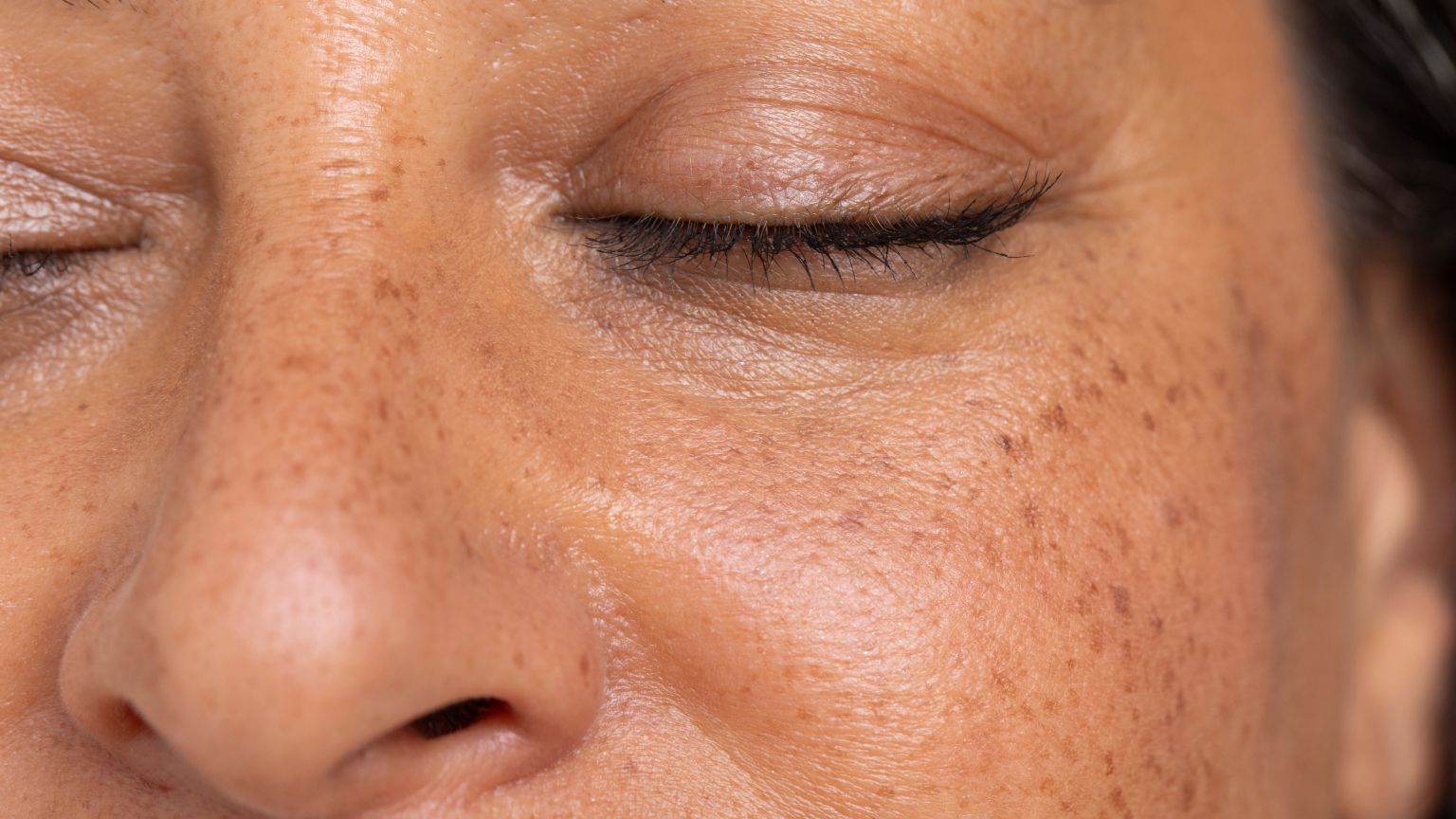
Tranexamic acid has officially arrived as the gold standard ingredient for treating melasma, hyperpigmentation, and stubborn dark spots in 2026. Once considered a niche dermatological active, tranexamic acid skincare products have surged into mainstream beauty routines, earning endorsements from board-certified dermatologists who increasingly recommend it over the long-reigning hydroquinone. With clinical trials showing comparable efficacy but significantly fewer side effects, this powerhouse ingredient is reshaping how we approach skin brightening and discoloration treatment.
Whether you are battling post-inflammatory hyperpigmentation from acne scars, sun-induced dark spots, or the notoriously difficult melasma, tranexamic acid offers a safer, gentler path to clearer, more even-toned skin. Here is everything you need to know about this breakthrough ingredient, including how it works, the best products to try, and why dermatologists are making the switch in 2026.
What Is Tranexamic Acid and How Does It Work on Skin?
Tranexamic acid (TXA) is a synthetic derivative of the amino acid lysine, originally developed as an antifibrinolytic medication to control excessive bleeding. In dermatology, researchers discovered that tranexamic acid has a remarkable ability to interrupt the melanin production pathway, making it an exceptionally effective treatment for hyperpigmentation disorders.
The mechanism of action is multifaceted and scientifically fascinating. Tranexamic acid works by inhibiting plasminogen activator, which reduces plasmin activity in the skin. This is significant because plasmin triggers the release of arachidonic acid and prostaglandins, both of which stimulate melanocyte activity and drive excess pigment production. By blocking this cascade at its source, tranexamic acid effectively reduces melanin synthesis without the harsh bleaching effects associated with older brightening agents.
Additionally, tranexamic acid inhibits vascular endothelial growth factor receptors (VEGFR) on melanocytes, further decreasing tyrosinase activity, the enzyme directly responsible for melanin production. This dual-action approach means tranexamic acid not only prevents new dark spots from forming but also helps fade existing discoloration over time. Its mild anti-inflammatory properties also calm the redness and irritation that often accompany and worsen hyperpigmentation conditions.
As we covered in our Niacinamide Skincare Guide, combining brightening actives can amplify results. Tranexamic acid pairs exceptionally well with niacinamide, as they target different steps in the pigmentation pathway.
Tranexamic Acid vs. Hydroquinone: Why Dermatologists Are Making the Switch in 2026
For decades, hydroquinone was the undisputed champion of skin brightening, prescribed at concentrations of 2% to 4% for treating melasma and dark spots. However, mounting safety concerns and regulatory restrictions have pushed dermatologists to seek alternatives, and tranexamic acid has emerged as the clear successor.
A landmark randomized, double-blind clinical trial published in the Journal of Cosmetic Dermatology compared 3% tranexamic acid cream with 4% hydroquinone cream in patients with mixed-type melasma. The results were striking: after 12 weeks of treatment, the severity of melasma decreased by 27 percent in the tranexamic acid group, which was comparable to the hydroquinone group. However, patients using tranexamic acid reported significantly higher satisfaction scores due to fewer side effects, including less skin irritation, redness, and dryness.
A 2026 comprehensive literature review published in the Journal of Cosmetic Dermatology by AlJabr further confirmed that topical and intradermal tranexamic acid formulations demonstrated comparable or superior efficacy to hydroquinone with fewer irritant reactions. The review examined evidence across multiple delivery methods, including topical creams, serums, oral supplements, and intradermal injections.
The safety concerns with hydroquinone are well-documented. Long-term use can cause ochronosis, a permanent blue-black darkening of the skin that is essentially irreversible. Hydroquinone can also lead to skin thinning, increased sun sensitivity, and a rebound effect where pigmentation worsens upon discontinuation. In contrast, tranexamic acid carries none of these risks and can be used safely for extended periods without the need for cycling on and off treatment.
Board-certified dermatologist Dr. Davin Lim notes that tranexamic acid provides a powerful and specific anti-inflammatory action, inhibiting pigment production while simultaneously blocking the transfer of pigment from melanocytes to keratinocytes in the upper skin layers. This dual mechanism makes it particularly effective for conditions like melasma, where inflammation plays a significant role in driving pigmentation.
Best Tranexamic Acid Products for Every Skin Type in 2026
The tranexamic acid skincare market has exploded in 2026, with options ranging from affordable K-beauty formulations to premium clinical-grade serums. Here are the top-rated products dermatologists and beauty editors are recommending this year:
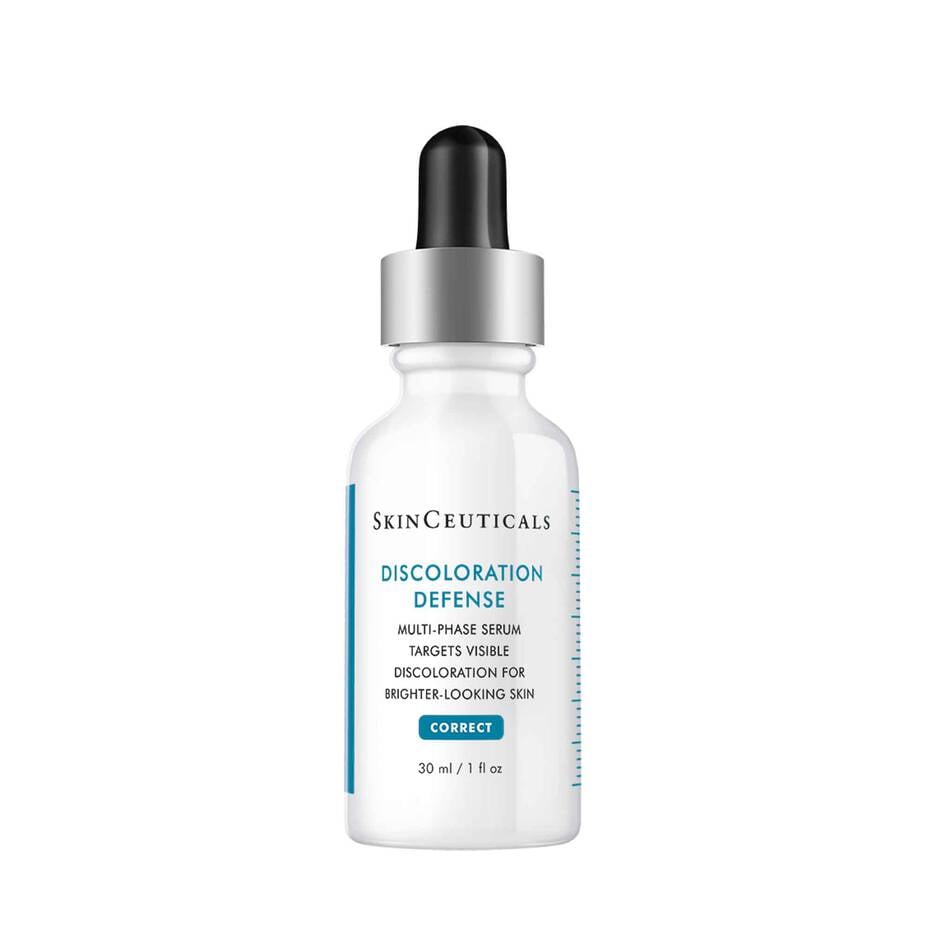
The SkinCeuticals Discoloration Defense ($98) remains the clinical gold standard, formulated with 3% tranexamic acid, 1% kojic acid, 5% niacinamide, and 5% HEPES. This multi-corrector approach targets stubborn brown patches and post-inflammatory discoloration through complementary brightening pathways. Dermatologists frequently recommend this as a first-line topical treatment for moderate to severe melasma.
For K-beauty enthusiasts, the APLB Tranexamic Acid Niacinamide Ampoule Serum (approximately $18) offers exceptional value. This Korean formulation combines tranexamic acid with niacinamide and Centella asiatica extract, delivering potent brightening action while calming and strengthening the skin barrier. The lightweight ampoule texture absorbs quickly and layers beautifully under sunscreen and makeup. For those exploring the full spectrum of Korean skincare innovations, our K-Beauty Ingredients Encyclopedia offers a comprehensive guide to every trending active ingredient.
The Cos de Baha 5% Tranexamic Acid Serum (around $15) is another K-beauty standout, offering a higher concentration of the active ingredient at an accessible price point. This minimalist formulation focuses on delivering tranexamic acid efficiently without unnecessary fillers, making it an excellent choice for sensitive skin types who want to avoid potential irritants.
Paula's Choice Discoloration Repair Serum ($46) combines tranexamic acid with bakuchiol and niacinamide for a comprehensive approach to uneven skin tone. This formulation is particularly well-suited for those who want to address both pigmentation and early signs of aging simultaneously.
The Naturium Tranexamic Topical Acid 5% Serum ($16) rounds out the affordable options, delivering a clinical-strength concentration in a clean, fragrance-free formula. NBC Select editors rated it among the best tranexamic acid serums of 2026 for its straightforward, no-nonsense approach to dark spot correction.
How to Incorporate Tranexamic Acid Into Your Skincare Routine
One of the greatest advantages of tranexamic acid skincare is its versatility and compatibility with other active ingredients. Unlike retinoids or strong acids that require careful introduction and may cause purging or irritation, tranexamic acid is generally well-tolerated from the first application, even on sensitive skin types.
For optimal results, dermatologists recommend applying tranexamic acid serum twice daily, morning and evening, after cleansing and toning but before heavier creams and sunscreen. The ideal concentration for topical products falls between 2% and 5%, with most clinical studies demonstrating efficacy at the 3% mark.
Tranexamic acid pairs exceptionally well with several other active ingredients. Combining it with vitamin C creates a powerful one-two punch against dark spots, as vitamin C acts as a direct antioxidant while tranexamic acid interrupts melanin production upstream. Adding niacinamide further enhances the brightening effect while strengthening the skin barrier.
Sunscreen is absolutely non-negotiable when using any brightening ingredient, and tranexamic acid is no exception. UV exposure is the primary trigger for melasma and hyperpigmentation, and even the most effective treatment will fail if sun protection is inadequate. As detailed in our Korean Sunscreen Guide 2026, Korean sunscreens offer elegant, high-protection options that layer seamlessly over treatment serums.
A recommended routine might look like this: gentle cleanser, tranexamic acid serum, niacinamide moisturizer, and broad-spectrum SPF 50 in the morning. In the evening, swap the sunscreen for a richer moisturizer, and consider adding a retinal product two to three nights per week for accelerated cell turnover and enhanced penetration of brightening actives.
Most users begin to see visible improvement in dark spots and overall skin tone evenness within 4 to 8 weeks of consistent use, with optimal results typically achieved at the 12-week mark. Unlike hydroquinone, there is no need to cycle off tranexamic acid, making it suitable for long-term maintenance of results.
Clinical Evidence: What the Research Actually Shows
The clinical evidence supporting tranexamic acid for hyperpigmentation has grown substantially, with multiple randomized controlled trials now published in peer-reviewed dermatology journals.
A pivotal study published in Nature Scientific Reports examined niosomal and conventional tranexamic acid combined with niacinamide versus hydroquinone creams in melasma patients. The tranexamic acid groups demonstrated considerable reduction in melanin index and melasma severity scores, with notable improvement in patients' quality of life measures. The niosomal formulation showed enhanced penetration and sustained release benefits.
Oral tranexamic acid has also shown promising results, particularly for recalcitrant melasma that resists topical treatment alone. Clinical data suggests that oral TXA at doses of 250 to 500 mg twice daily produces sustained clinical improvement with minimal adverse effects, most commonly mild gastrointestinal symptoms. However, oral supplementation should only be undertaken under medical supervision due to the theoretical risk of thromboembolic events, though this risk appears to be very low at dermatological doses.
The comprehensive 2026 review by AlJabr in the Journal of Cosmetic Dermatology synthesized evidence across delivery methods and concluded that tranexamic acid represents a paradigm shift in hyperpigmentation management, offering efficacy comparable to hydroquinone with a fundamentally better safety profile for long-term use.
You May Also Like
- Niacinamide Skincare Guide 2026: Benefits, Best Products, and How to Build Your Routine
- K-Beauty Ingredients Encyclopedia 2026: Every Trending Skincare Active Explained
- Korean Sunscreen Guide 2026: Top 15 SPF Products Ranked by Dermatologists
- Anti-Aging Skincare Guide 2026: Science-Backed Ingredients and Expert Strategies
- AHA, BHA, and PHA Exfoliation Guide 2026: The Complete K-Beauty Chemical Exfoliant Handbook
FAQ
Q: Is tranexamic acid safe for all skin types, including sensitive and dark skin tones?
A: Yes, tranexamic acid is considered safe for all skin types and all Fitzpatrick skin tones (I through VI). Unlike hydroquinone, which can cause paradoxical darkening in deeper skin tones, tranexamic acid carries no risk of ochronosis or depigmentation. Board-certified dermatologists specifically recommend it for patients with melanin-rich skin who are prone to post-inflammatory hyperpigmentation, as it provides effective brightening without the irritation that can trigger further pigmentation.
Q: How long does tranexamic acid take to fade dark spots and melasma?
A: Most clinical studies show measurable improvement in hyperpigmentation within 4 to 8 weeks of consistent, twice-daily application. Significant reduction in melasma severity, with up to a 27% decrease in the MASI score, has been documented at the 12-week mark. For deep or longstanding melasma, dermatologists recommend a minimum of 12 to 16 weeks of continuous use to assess full efficacy. Unlike hydroquinone, tranexamic acid can be used indefinitely for maintenance without the need to cycle off.
Q: Can I use tranexamic acid with retinol or vitamin C?
A: Absolutely. Tranexamic acid is one of the most compatible active ingredients in skincare. It pairs well with vitamin C (apply vitamin C first, then tranexamic acid), retinol or retinal (use retinoid in the evening, tranexamic acid morning and evening), niacinamide, azelaic acid, and alpha hydroxy acids. There are no known negative interactions with common skincare actives. This versatility is one reason dermatologists prefer it: it integrates seamlessly into existing routines without requiring a complete overhaul.
Q: What concentration of tranexamic acid should I look for in skincare products?
A: Dermatologists recommend topical products containing 2% to 5% tranexamic acid for effective dark spot treatment. The sweet spot for most users is 3%, which is the concentration used in major clinical trials comparing tranexamic acid to hydroquinone. Higher concentrations (5%) are available in products like the Naturium and Cos de Baha serums, and may offer faster results, though the difference in efficacy between 3% and 5% appears modest based on current evidence.
Q: Is tranexamic acid the same ingredient used to stop bleeding?
A: Yes, tranexamic acid was originally developed and is still widely used as a hemostatic agent in medicine to control excessive bleeding during surgery, trauma, and heavy menstrual periods. However, at the concentrations used in topical skincare (2% to 5%), it acts locally on skin melanocytes without entering systemic circulation in meaningful amounts. The topical application is considered very safe, with no reported cases of blood-clotting complications from skincare use. Oral tranexamic acid for melasma does carry a small theoretical thromboembolic risk and should only be used under physician supervision.
The Bottom Line
Tranexamic acid has earned its place as the gold standard ingredient for treating melasma and hyperpigmentation in 2026. With robust clinical evidence showing efficacy comparable to hydroquinone but with a dramatically better safety profile, it represents a genuine paradigm shift in how dermatologists approach skin brightening. Whether you choose a clinical-grade option like SkinCeuticals Discoloration Defense or an accessible K-beauty formulation like the APLB Tranexamic Acid Ampoule, consistency is key. Apply twice daily, never skip sunscreen, and give the ingredient at least 8 to 12 weeks to deliver visible results.
The era of harsh, time-limited bleaching agents is fading. In its place, tranexamic acid offers a gentler, safer, and equally effective path to clearer, more radiant skin, one that dermatologists are confident recommending for the long haul.
Sources: Marie Claire | Nagash Health | NBC Select | Journal of Cosmetic Dermatology | Nature Scientific Reports


댓글
댓글 쓰기