Korean Sunscreen Guide 2026: Top 15 SPF Products Ranked by Dermatologists
Korean Sunscreen Guide 2026: Top 15 SPF Products Ranked by Dermatologists
Korean sunscreens have earned a reputation as the gold standard in daily sun protection, and for good reason. While Western SPF products have long been associated with heavy, white-cast-leaving formulas that feel more like paint than skincare, Korean brands have spent decades perfecting lightweight, elegant sunscreens that double as treatment products. In 2026, the gap between Korean and Western sunscreen technology is wider than ever, thanks to advanced UV filters approved by South Korea's MFDS (Ministry of Food and Drug Safety) that remain unavailable in the United States.
Whether you are new to K-beauty sun protection or looking to upgrade your current SPF routine, this comprehensive guide ranks the 15 best Korean sunscreens of 2026 based on dermatologist recommendations, editor testing, and real-world performance. We cover every skin type, budget, and texture preference so you can find your perfect daily SPF match.
Why Korean Sunscreens Are Superior: The Science Behind the Hype
The difference between Korean and American sunscreens comes down to regulatory access to UV filter technology. South Korea's MFDS approves a wider range of next-generation UV filters, including Tinosorb S, Tinosorb M, Uvinul A Plus, and Uvinul T 150. These newer filters provide broad-spectrum UVA and UVB protection at lower concentrations, resulting in thinner, more cosmetically elegant formulas that layer seamlessly under makeup. None of these filters have received FDA approval in the United States, which is why American sunscreens still rely on older, heavier active ingredients.
Korean sunscreens also benefit from a fundamentally different philosophy. In Korea, SPF is treated as a full skincare step rather than a standalone protective product. That is why Korean sunscreens routinely contain up to 70 percent skincare ingredients such as hyaluronic acid, niacinamide, centella asiatica, rice extract, and ceramides. You are not just shielding your skin from UV damage; you are actively improving its texture, hydration, and tone with every application.
Another technological advantage in 2026 is nano-zinc processing, which has dramatically reduced the white cast problem that plagued mineral sunscreens. Korean brands have also normalized sunstick formats for midday reapplication, with ergonomic designs that contour to the face and matte finishes that blot excess oil rather than adding shine.
The 15 Best Korean Sunscreens of 2026, Ranked
This ranking draws from NBC Select's testing of over 100 sunscreens, dermatologist recommendations, and K-beauty community feedback. Every product listed here is rated SPF 50+ PA++++ unless otherwise noted.
1. Round Lab Birch Juice Moisturizing UVLock SPF 45
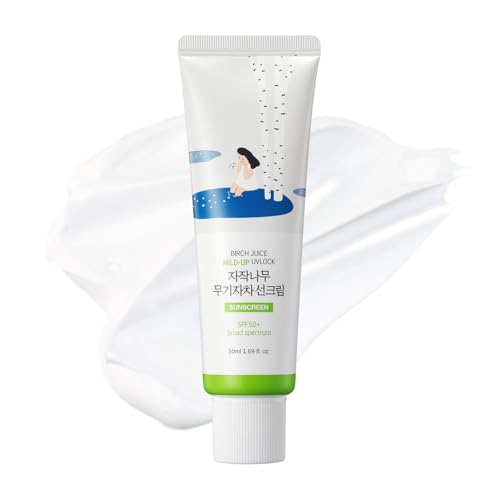
Crowned the number-one sunscreen overall in NBC Select's 100-sunscreen ranking, Round Lab's Birch Juice formula is the industry benchmark in 2026. The star ingredient is Inje birch sap, packed with amino acids and minerals that nourish the skin, while vita-hyaluronic acid creates a powerful hydration barrier. The silky texture absorbs without residue, leaves zero white cast on any skin tone, and works as both a moisturizer and SPF in one step. Price: approximately $20. Best for: all skin types, especially dry and normal skin.
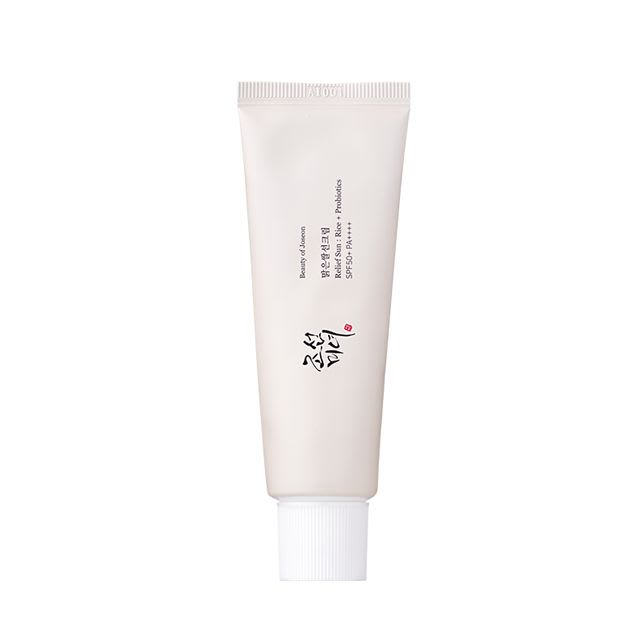
2. Beauty of Joseon Relief Sun: Rice + Probiotics SPF 50+ PA++++
The iconic bestseller that took TikTok by storm continues to dominate in 2026. Formulated with 30 percent rice extract and grain-fermented probiotics, this sunscreen delivers a gorgeous satin-to-dewy finish without white cast. The creamy-yet-lightweight texture glides on effortlessly and leaves the complexion bouncy and bright. It is the best all-around choice for anyone wanting a single Korean sunscreen to try first. Price: approximately $16. Best for: all skin types, K-beauty beginners.
3. Isntree Hyaluronic Acid Watery Sun Gel SPF 50+ PA++++
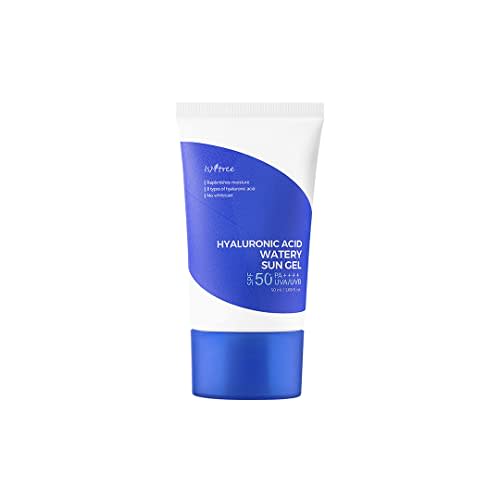
The undisputed champion for oily skin. This gel sunscreen has a true gel texture that sinks in within seconds and leaves absolutely zero greasiness behind. It delivers serious hydration through multiple molecular weights of hyaluronic acid, making it feel more like a lightweight moisturizer than a sunscreen. No fragrance, no alcohol, completely transparent finish. It uses Tinosorb S, an advanced photostable filter unavailable in US formulations. Price: approximately $15. Best for: oily and combination skin.
4. SKIN1004 Madagascar Centella Hyalu-Cica Water-Fit Sun Serum SPF 50+ PA++++
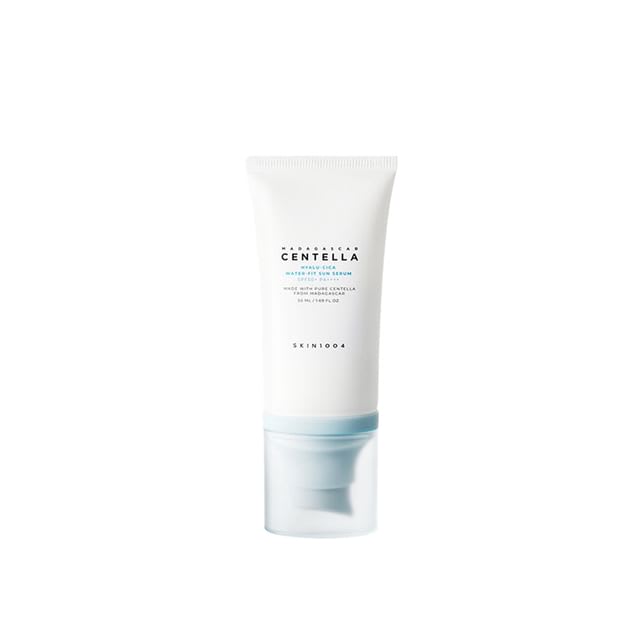
If you love the soothing power of centella asiatica, this serum-type sunscreen is your match. Its watery consistency is even lighter than the Isntree gel, making it ideal for layering under makeup or other skincare products. The centella and cica complex calms redness and irritation while providing robust UV protection. Completely transparent with no white cast. Price: approximately $14. Best for: sensitive and acne-prone skin.
5. Beauty of Joseon Dayscreen Moisturizer SPF 30 (NEW 2026)

The newest launch from Beauty of Joseon, unveiled in April 2026 with global ambassador Peggy Gou. This hybrid moisturizer-SPF is powered by green tea extract and uses FDA-approved OTC filters, making it the brand's first product specifically formulated for easy US purchase. It absorbs instantly with zero white cast and sensitive-skin-friendly ingredients. Available at Sephora since April 7, 2026. Price: $20. Best for: US consumers, sensitive skin, daily wear.
6. Laneige Hydro UV Defense Sunscreen SPF 50+
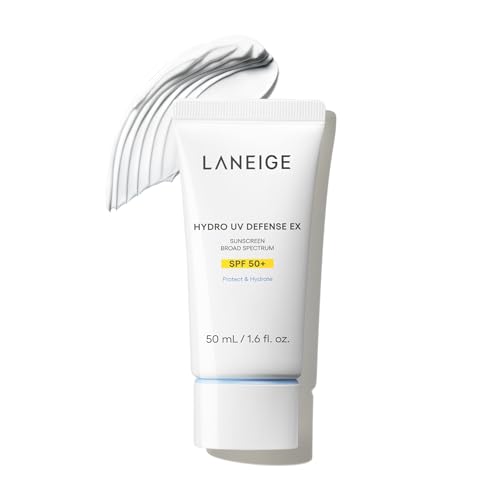
From the brand behind the viral Lip Sleeping Mask, Laneige delivers a dermatologically tested, hypoallergenic sunscreen that layers beautifully under makeup. The weightless texture makes it feel invisible on skin, and the broad-spectrum SPF 50 offers serious protection without heaviness. Widely available at Sephora and Amazon. Price: approximately $28. Best for: dry skin, makeup wearers.
7. Innisfree Daily UV Defense Sunscreen SPF 36
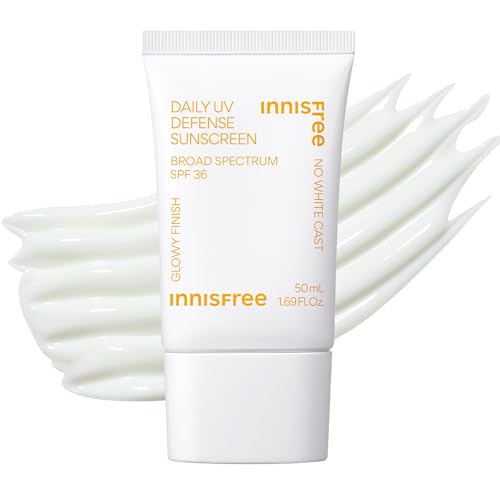
Innisfree's chemical sunscreen is a budget-friendly workhorse that delivers invisible protection with no white cast. The lightweight formula sinks in immediately and works under any makeup look. It is one of the most widely available Korean sunscreens in the US market, sold at Sephora, Amazon, and Target locations. Price: approximately $15. Best for: combination skin, everyday office wear.
8. Innisfree Daily Mineral UV Defense SPF 45 (Green Tint)
For those who prefer mineral filters, Innisfree's tinted mineral version evens out skin tone without needing additional makeup. The green tint neutralizes redness, and active ingredients including hyaluronic acid and squalane soothe the skin barrier. Reviewers consistently note it does not feel heavy or irritate sensitive skin. Price: approximately $17. Best for: sensitive skin, redness-prone skin, mineral sunscreen fans.
9. belif The True Cream Aqua Bomb SPF 45
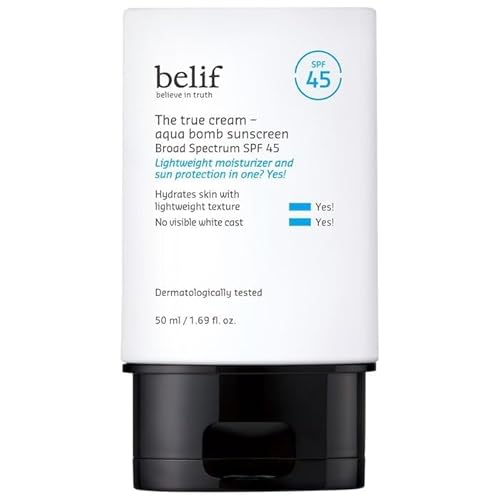
Belif transformed their cult-favorite Aqua Bomb moisturizer into a hydrating SPF 45 sunscreen packed with niacinamide. The gel-cream texture bursts with moisture on application and dries down weightless, invisible, and non-greasy. It is the ideal choice for anyone who wants their sunscreen to replace their morning moisturizer entirely. Price: approximately $34. Best for: dry skin, moisturizer replacement.
10. COSRX Ultra-Light Invisible Sunscreen SPF 50 PA++++
Proof that excellent sun protection does not require a premium price tag. COSRX's aloe-based formula is gentle, effective, and truly invisible on all skin tones. The ultra-light texture absorbs in seconds without any tacky residue. It is a reliable daily driver that never disappoints. Price: approximately $12. Best for: budget shoppers, all skin types.
11. Dr. Jart+ Every Sun Day Invisible Sunscreen Stick SPF 40
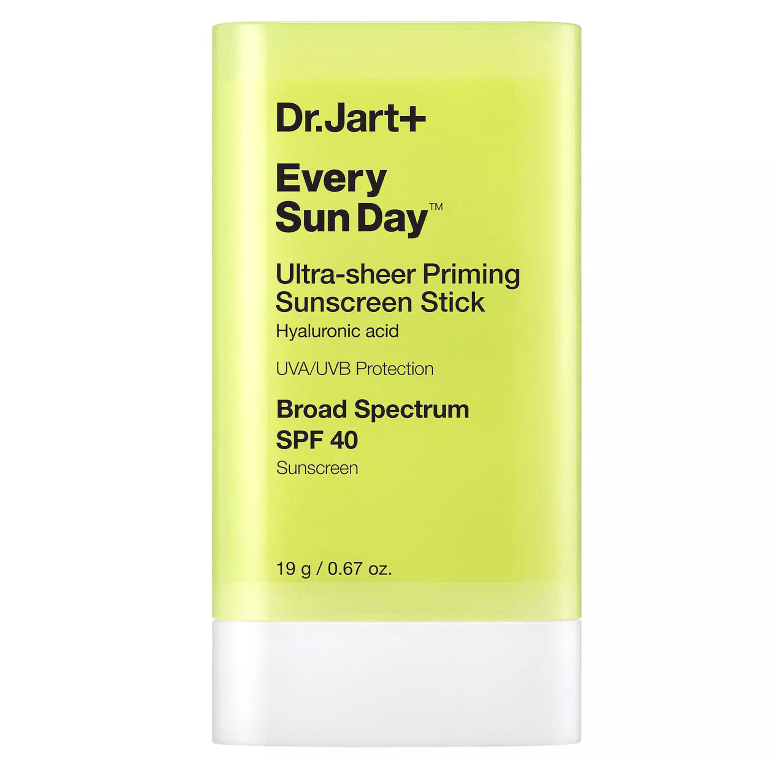
The best Korean sunscreen stick for midday reapplication over makeup. Dr. Jart+ hydrates the skin and blurs pores on contact, making it a dual-purpose product that primes and protects simultaneously. The stick format is TSA-friendly and fits easily in any bag. Dermatologists praise its ability to be applied over makeup without disturbing the base underneath. Price: approximately $22. Best for: on-the-go reapplication, makeup wearers.
12. KraveBeauty Beet The Sun SPF 40 PA+++
Founded by beauty creator Liah Yoo, KraveBeauty brings a minimalist, vegan approach to Korean sun protection. Beet The Sun delivers broad-spectrum SPF 40 with no white cast and no pilling, even over layered skincare. The formula is free of fragrance, essential oils, and dyes. It is cruelty-free and ideal for conscientious consumers. Price: approximately $20. Best for: vegans, minimalist skincare fans.
13. Etude Sunprise Mild Weightless SPF 50+
A pharmacy-tier price point with premium performance. Etude's Sunprise formula is incredibly lightweight, leaving a fresh, barely-there feel on the skin. It provides reliable SPF 50+ protection for daily urban wear and layers smoothly under foundation or BB cream. Price: approximately $10. Best for: students, budget shoppers, light everyday protection.
14. Torriden DIVE-IN Mild Sun Cream SPF 50+ PA++++
Torriden brings their signature hyaluronic acid expertise to sun care with a vegan mineral sunscreen formulated with 100 percent zinc oxide and ten types of hyaluronic acid. This is one of the few Korean mineral sunscreens that manages to minimize white cast through advanced nano-zinc processing while still being reef-safe and ocean-friendly. Price: approximately $18. Best for: eco-conscious consumers, mineral-only preference.
15. Missha All Around Safe Block Essence Sun Milk SPF 50+ PA++++
A long-standing K-beauty classic that has been reformulated for 2026 with improved photostability and a lighter texture. The milk-type formula spreads evenly and dries to a natural, semi-matte finish. It remains one of the most affordable high-SPF options from a trusted Korean brand. Price: approximately $11. Best for: combination skin, those wanting a matte finish.
How to Choose the Right Korean Sunscreen for Your Skin Type
Selecting the right Korean sunscreen depends on three factors: your skin type, your texture preference, and how you plan to wear it in your routine.
For oily skin, gel and serum-type sunscreens like the Isntree Hyaluronic Acid Watery Sun Gel or SKIN1004 Centella Sun Serum are ideal. These formulas absorb rapidly without adding shine and often contain oil-controlling ingredients that keep the skin matte throughout the day.
For dry skin, cream-type sunscreens like Round Lab Birch Juice or Laneige Hydro UV Defense provide both protection and moisture. These products can replace your morning moisturizer, simplifying your K-beauty skincare routine by one step.
For sensitive and acne-prone skin, look for fragrance-free, alcohol-free formulas with soothing actives like centella asiatica or birch sap. The SKIN1004 Centella Sun Serum and Innisfree Mineral UV Defense are both excellent choices that avoid common irritants.
For makeup wearers, consider keeping a cream sunscreen for morning application and a sunscreen stick like Dr. Jart+ for midday reapplication over your base. This two-product strategy ensures you maintain protection without disrupting your makeup.
Understanding Korean SPF Ratings: SPF, PA++++, and What They Mean
Korean sunscreens use two protection ratings that you need to understand:
SPF (Sun Protection Factor) measures protection against UVB rays, the type that causes sunburn. Dermatologists recommend SPF 30 as the minimum for daily use and SPF 50 for extended outdoor exposure. Most Korean sunscreens offer SPF 50+, which blocks approximately 98 percent of UVB rays.
PA (Protection Grade of UVA) is a rating system used in Korea and Japan to measure UVA protection. UVA rays penetrate deeper into the skin and are responsible for premature aging, hyperpigmentation, and long-term DNA damage. The PA rating ranges from PA+ (some protection) to PA++++ (extremely high protection). Always look for PA++++ on your Korean sunscreen, which ensures maximum UVA defense.
Together, SPF 50+ PA++++ means you are getting comprehensive protection against both types of UV radiation. This is the standard rating for most of the products on this list, and it is what dermatologists recommend for daily use, regardless of whether you spend most of your day indoors or outdoors.
Application Tips: How Dermatologists Say You Should Apply Korean Sunscreen
Even the best sunscreen in the world cannot protect you if applied incorrectly. Here are the dermatologist-approved rules for Korean sunscreen application:
Use the two-finger rule: squeeze a line of sunscreen along your index and middle fingers from the base to the tip. This is approximately the 1/4 teaspoon needed to cover your face adequately. Most people use far less than this, which dramatically reduces the effective SPF.
Apply sunscreen as the last step of your skincare routine, after moisturizer and before makeup. If you are following the full glass skin Korean skincare routine, sunscreen comes after your essence, serum, and moisturizer layers.
Reapply every two hours during continuous sun exposure, or immediately after swimming, sweating, or toweling off. For office workers, reapplying once at midday is generally sufficient. Sunscreen sticks make reapplication over makeup simple and mess-free.
Do not forget your neck, ears, and the backs of your hands. These areas receive significant UV exposure and are often overlooked. Many dermatologists now recommend extending sunscreen application to any skin that is regularly exposed to daylight.
Finally, remember that sunscreen works best as part of a comprehensive sun protection strategy. Combine SPF with protective clothing, sunglasses, and seeking shade during peak UV hours (10 AM to 4 PM) for the strongest defense against photoaging and skin cancer.
You May Also Like
- K-Beauty Complete Guide 2026: Your Ultimate Korean Skincare Handbook
- Hyaluronic Acid Skincare Guide 2026: Science, Best K-Beauty Products, and How to Build Your HA Routine
- Centella Asiatica in Skincare 2026: Complete Benefits, Best Products, and How to Use
- Niacinamide Skincare Guide 2026: Benefits, Best Products, and How to Build Your Routine
- Anti-Aging Skincare Guide 2026: Science-Backed Ingredients, Routines, and Expert Strategies
- Double Cleansing Method 2026: The Complete K-Beauty Guide to Perfectly Clean Skin
- K-Beauty Product Database 2026: Complete Buying Guide with Prices and Ingredients
Frequently Asked Questions About Korean Sunscreen
Q: Are Korean sunscreens safe to use in the United States?
A: Yes, Korean sunscreens are safe to use. However, many Korean sunscreens use UV filters (such as Tinosorb S and Uvinul A Plus) that are approved by South Korea's MFDS but not yet by the US FDA. This means some products are technically classified as cosmetics rather than OTC drugs when sold in the US. They still provide effective UV protection and have undergone rigorous safety testing in Korea. Brands like Beauty of Joseon are now releasing US-specific formulations with FDA-approved filters, such as the new Dayscreen Moisturizer SPF 30.
Q: Why do Korean sunscreens feel so much lighter than American sunscreens?
A: Korean formulators have access to newer-generation UV filters that provide strong protection at lower concentrations. These modern filters are also larger molecules that sit on the skin surface rather than absorbing deeply, which reduces irritation. Combined with Korean cosmetic chemistry expertise in emulsion technology, this allows for thinner, more elegant textures that feel like skincare rather than sunscreen.
Q: What does PA++++ mean on Korean sunscreens?
A: PA stands for Protection Grade of UVA, a rating system used in Korea and Japan to measure protection against UVA rays that cause premature aging and hyperpigmentation. PA++++ is the highest rating, indicating extremely high UVA protection. American sunscreens use the term "Broad Spectrum" instead, but the PA system provides a more granular measurement of UVA defense.
Q: How often should I reapply Korean sunscreen?
A: Dermatologists recommend reapplying every two hours during continuous sun exposure. For indoor workers with minimal sun exposure, reapplying once at midday is generally sufficient. If you sweat heavily, swim, or towel off, reapply immediately afterward. Korean sunscreen sticks like the Dr. Jart+ Sun Stick are specifically designed for easy reapplication over makeup.
Q: Can I use Korean sunscreen on darker skin tones without white cast?
A: Yes. Most Korean chemical sunscreens on this list leave zero white cast on any skin tone. The Beauty of Joseon Relief Sun, Isntree Watery Sun Gel, and SKIN1004 Centella Sun Serum are all completely transparent. For mineral sunscreens, look for tinted versions like the Innisfree Mineral UV Defense, which uses a green tint to neutralize redness rather than leaving a white film. Nano-zinc technology in 2026 has also significantly reduced white cast in mineral formulas.
Q: What is the difference between Korean sunscreen and Japanese sunscreen?
A: Both Korean and Japanese sunscreens use advanced UV filters unavailable in the US and share the PA rating system. Korean sunscreens tend to emphasize skincare benefits with higher concentrations of treatment ingredients like niacinamide, hyaluronic acid, and centella. Japanese sunscreens (like Biore UV Aqua Rich) often prioritize an ultra-light, almost water-like texture. Both are excellent choices, but Korean formulas generally offer more skincare-forward benefits.
Q: Will tariffs on Korean beauty products affect sunscreen prices in 2026?
A: The end of the de minimis tariff exemption has impacted some K-beauty product pricing. Brands that ship directly from Korea may see modest price increases. However, major brands like Beauty of Joseon, Innisfree, and Laneige have established US distribution through retailers like Sephora, Ulta, Target, and Amazon, which helps buffer against tariff-related price fluctuations. Some brands are also releasing US-manufactured or US-specific formulations to avoid tariff impacts entirely.
Sources: NBC News Select, Hypebae, Minji in Seoul, Beauty of Renforcer


댓글
댓글 쓰기