Skinimalism 2026: Why Dermatologists Say Fewer Products Mean Better Skin
Skinimalism 2026: Why Dermatologists Say Fewer Products Mean Better Skin
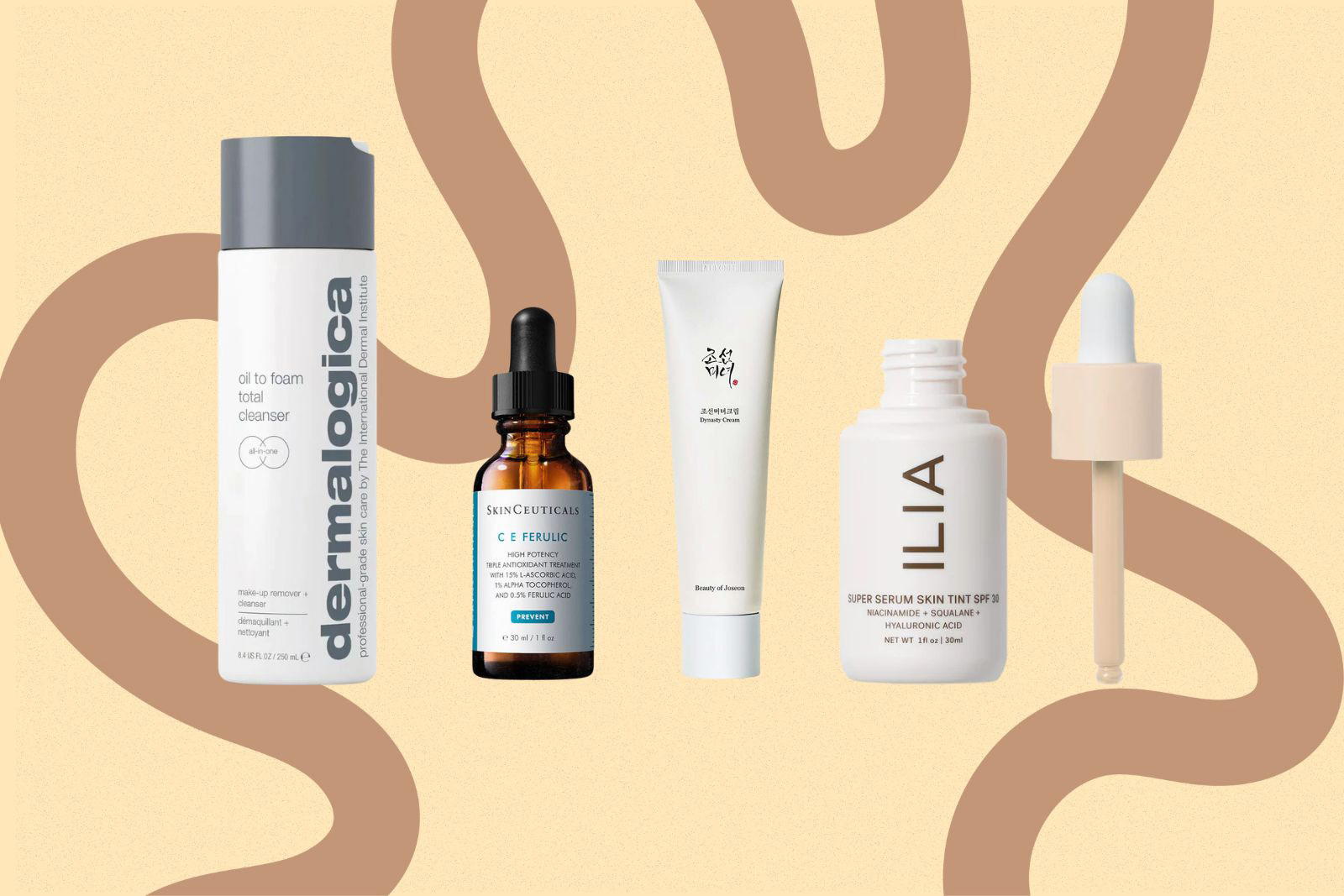
Skinimalism in 2026 has evolved from a fleeting social media hashtag into one of the most dermatologist-endorsed skincare philosophies of the year. As consumers grow exhausted by 10-step routines, overloaded bathroom shelves, and conflicting ingredient advice from TikTok, a growing chorus of board-certified dermatologists is offering a refreshingly simple message: fewer products, applied consistently and correctly, deliver better skin than any elaborate regimen ever could. The skinimalism movement is not about neglecting your skin — it is about respecting it.
According to market analysts at Cosmetics Business, 80 percent of adults are now adopting a preventative approach to their beauty routines, prioritizing consistent, long-term care over reactive solutions. This seismic shift, combined with rising awareness of skin barrier science and the microbiome, has made skinimalism the defining skincare philosophy of 2026.
What Exactly Is Skinimalism?
Skinimalism — sometimes called "skip care" in K-beauty circles — is the practice of streamlining your skincare routine to only the products your skin genuinely needs. Rather than layering seven or eight products morning and night, the skinimalist approach typically involves three to five carefully selected, multifunctional products that work synergistically without overwhelming the skin barrier.
"You don't need 10 steps for healthy skin. You need the right steps — protection, hydration, and controlled cell turnover," explains Dr. Sumaira Muneer, dermatologist at The Skin Investment Clinic, in an interview with Hyphen. This sentiment is echoed across dermatology practices worldwide, where clinicians increasingly see patients presenting with irritation, sensitivity, and barrier dysfunction caused not by neglect, but by overuse of active ingredients.
The concept has roots in the Korean beauty principle of "skip care," which emerged as a counterpoint to the famous 10-step K-beauty routine. As we explored in our K-Beauty Complete Guide 2026, Korean skincare has always been about listening to your skin — and in 2026, that means knowing when to subtract rather than add.
The Science Behind Less Is More
"The problem isn't that people aren't taking care of their skin. It's that they are overloading it," warns Dr. Priyanka Sharma, Chief Dermatologist at V6 Clinics, speaking to India TV News. This observation captures the central paradox of modern skincare: the very enthusiasm that drives people to invest in their skin health can become the source of their skin problems.
When you layer multiple active ingredients — exfoliating acids, retinoids, vitamin C, niacinamide, peptides — without understanding their interactions, you risk disrupting the skin's acid mantle, depleting ceramide levels, and destabilizing the delicate microbiome that keeps your complexion balanced. The result is a condition dermatologists call "cosmetic intolerance syndrome," characterized by persistent redness, stinging, dryness, and breakouts that appear despite (or because of) a meticulous routine.
Scientific evidence consistently shows that simplified routines built around gentle cleansing, effective hydration, and rigorous sun protection allow the skin barrier to stabilize and repair more effectively. As we discussed in our Microbiome Skincare 2026 feature, the skin's microbiome thrives when it is not constantly disrupted by excessive product layering. Using fewer, evidence-based products supports ceramide production, preserves microbial diversity, and reduces cumulative irritant exposure.
The Dermatologist-Approved Capsule Skincare Routine
The concept of "capsule skincare" — inspired by the capsule wardrobe philosophy in fashion — has emerged as the practical framework for skinimalism in 2026. According to Dr. Jae Yong Ban of Banobagi Dermatology Clinic in South Korea and Dr. Y. Claire Chang of UnionDerm in New York City, the ideal routine centers on five functional categories rather than specific product counts.
Here is the dermatologist-recommended capsule framework:
1. Gentle Cleanser
A sulfate-free, pH-balanced cleanser that removes dirt and makeup without stripping natural oils. Double cleansing remains appropriate for heavy sunscreen or makeup days, but a single gentle cleanse is sufficient for most mornings.
2. Targeted Active (One at a Time)
Choose one primary active based on your skin concern. Vitamin C in the morning for antioxidant protection and brightening. Retinol or retinal at night for cell turnover and collagen stimulation. The key principle: introduce one active at a time and give it weeks to work before assessing results. For a deep dive into trending actives, check our K-Beauty Ingredients Encyclopedia 2026.
3. Barrier-Repair Moisturizer
A ceramide-rich, niacinamide-infused moisturizer that strengthens the skin barrier and locks in hydration. Dr. Ban specifically recommends Centella Asiatica (cica) formulations: "When the skin barrier is compromised, Centella is one of the first ingredients I reach for." Products like CENTELLIAN 24 Madeca Cream and AESTURA Atobarrier365 Cream exemplify this category.
4. Sunscreen (Non-Negotiable)
SPF 30 or higher, applied every single morning regardless of weather or season. Dr. Chang emphasizes that sunscreen remains the single most impactful anti-aging product available. UV exposure causes up to 80 percent of visible facial aging, making this the one step no minimalist routine should ever skip.
5. Seasonal Adjustment Product
One additional product that rotates based on environmental conditions. A richer cream or PDRN-based product in winter when skin is stressed by dry, cold air. A lightweight hydrating lotion or gel in summer when humidity reduces the need for heavy emollients.
How K-Beauty Is Leading the Skinimalism Movement
While skinimalism might seem to contradict K-beauty's reputation for elaborate multi-step routines, Korean brands have actually been at the forefront of the simplification movement. The concept of "skip care" (a Korean beauty philosophy predating the Western skinimalism trend) encourages using only two or three multiuse products tailored to your skin's current needs.
Korean brands are innovating in hybrid formulations that combine multiple functions into single products. Skincare-infused sunscreens that provide UV protection, hydration, and a radiant finish. Serums that combine niacinamide with ceramides and peptides for multi-target barrier repair. Tinted moisturizers that blend skincare actives with light coverage. This aligns perfectly with the capsule skincare philosophy — fewer products, each working harder.
As noted in our Skin Longevity 2026 analysis, the broader shift in skincare philosophy from "anti-aging" to "longevity" also supports minimalism. Rather than bombarding skin with aggressive actives to reverse damage, the longevity approach focuses on maintaining skin function through consistent, gentle support — exactly what a capsule routine delivers.
Warning Signs You Are Overcomplicating Your Routine
Dermatologists identify several red flags that suggest your skincare routine has crossed from helpful to harmful:
- Post-cleanse tightness or a "squeaky clean" feeling — your cleanser is too harsh
- Unexplained redness or flushing, especially after applying actives — ingredient overload
- Persistent dryness despite using multiple hydrating products — barrier dysfunction from over-exfoliation
- New breakouts that appeared after introducing several products simultaneously — impossible to identify the culprit
- Stinging or burning when applying products that previously felt fine — compromised acid mantle
- Spending more than 15 minutes on your morning routine — likely too many steps
If you recognize these symptoms, dermatologists recommend a "skin reset": strip back to cleanser, moisturizer, and sunscreen for two to four weeks, allowing the barrier to recover before reintroducing one active at a time.
Expert Insights: What Dermatologists Want You to Stop Doing
Industry leaders are increasingly vocal about practices the skinimalism movement should eliminate. Stephanie Sprayregen, founder of Mumuk skincare, captures the philosophical shift: "Skincare is shifting from treating symptoms to restoring biological function. Consumers want regeneration, not punishment. They are choosing methods that strengthen skin function instead of breaking it down."
Zein Obagi, founder of ZO Skin Health, adds: "The future of skincare belongs to clinically proven products and protocols that correct, normalize, and maintain skin health." This evidence-based approach means abandoning viral TikTok hacks, fear-based "clean beauty" marketing, and the compulsive pursuit of the latest trending ingredient.
Alena Demina, founder of System Skin, points to a broader cultural shift in how beauty authority is constructed: "The way authority is built is shifting. Consumers are exhausted by influencer saturation, gravitating toward formulators and founders who can explain the science behind their products." In the skinimalism era, credibility trumps celebrity endorsement.
For those looking to build their minimalist routine with proven ingredients, our Anti-Aging Skincare Guide 2026 provides a comprehensive, evidence-based overview of which actives have the strongest clinical support.
Building Your Personal Capsule Routine: A Step-by-Step Guide
Transitioning to skinimalism does not mean throwing away all your products overnight. Dermatologists recommend a gradual approach:
Week 1-2: Audit and Assess
List every product in your current routine. For each one, ask: what specific problem does this solve? If you cannot answer clearly, it is a candidate for removal. Check expiration dates — products older than 12 months after opening should be discarded regardless.
Week 3-4: Strip Back
Reduce to the core three: cleanser, moisturizer, sunscreen. This "skin fast" allows your barrier to reset. Note how your skin responds. Many people discover their skin actually improves with less intervention.
Week 5-6: Reintroduce One Active
Choose the single active that addresses your primary concern. Start with the lowest effective concentration, applying every other night. Common choices include retinol for aging concerns, vitamin C for dullness and hyperpigmentation, or azelaic acid for redness and texture.
Week 7+: Evaluate and Adjust
Give your chosen active at least four to six weeks before judging its effectiveness. Only add another product if you identify a genuine unmet need. The goal is a routine you can maintain consistently for months, not one that requires constant tweaking.
You May Also Like
- Microbiome Skincare 2026: K-Beauty's Postbiotic Revolution
- Skin Longevity 2026: Why Dermatologists Say It Replaces Anti-Aging
- Best Korean Vitamin C Serums 2026: Dermatologist-Approved Guide
- AHA, BHA, and PHA Exfoliation Guide 2026
FAQ
Q: Is skinimalism the same as doing nothing for your skin?
A: Absolutely not. Skinimalism is about using fewer, more effective products with intention and consistency. The core routine — cleanser, active, moisturizer, sunscreen — covers all essential skin needs. The difference is eliminating redundant steps and conflicting ingredients that can actually harm your skin barrier.
Q: Can skinimalism work for acne-prone skin that needs multiple treatments?
A: Yes. Dermatologists often find that acne-prone skin benefits most from simplification because over-treatment frequently worsens breakouts through barrier disruption. A capsule routine with one targeted acne active (like retinol, azelaic acid, or benzoyl peroxide) plus gentle hydration often outperforms complex multi-acid routines.
Q: How many skincare products should I actually use in 2026?
A: Dermatologists generally recommend three to five products per routine (morning and evening combined may differ slightly). The exact number depends on your skin type and concerns, but the consensus is that fewer than three misses essentials and more than six likely introduces redundancy or conflict.
Q: Does skinimalism mean I should stop using Korean skincare products?
A: Not at all. K-beauty brands are actually leading the skinimalism movement with innovative multi-functional products. Korean formulations like ceramide-cica creams, skincare-infused sunscreens, and multi-active serums are ideal for capsule routines because they combine several benefits in single products.
Q: Will skinimalism save me money on skincare?
A: In most cases, yes. While you may invest more per product (choosing higher-quality formulations), your total skincare spending typically decreases because you are buying fewer products overall. Many dermatologists also note that patients waste less product, since smaller routines encourage consistent use rather than rotating between dozens of half-used bottles.
The Bottom Line
Skinimalism in 2026 represents the maturation of the skincare industry and its consumers. After years of ingredient obsession, routine maximalism, and viral hack culture, both dermatologists and consumers are converging on a simple truth: healthy skin requires a strong barrier, consistent protection from UV damage, and one or two carefully chosen actives — not a bathroom cabinet that looks like a pharmacy stockroom. The capsule skincare approach delivers better results with less irritation, less waste, and less stress. In 2026, the most sophisticated skincare routine is the one you will actually follow every single day.
Sources: Hyphen | India TV News | The Quality Edit | Beauty Independent | Cosmetics Business


댓글
댓글 쓰기