PDRN Skincare 2026: K-Beauty's Viral Salmon DNA Ingredient Guide
PDRN Skincare 2026: How Salmon DNA Became K-Beauty's Most Sought-After Anti-Aging Ingredient
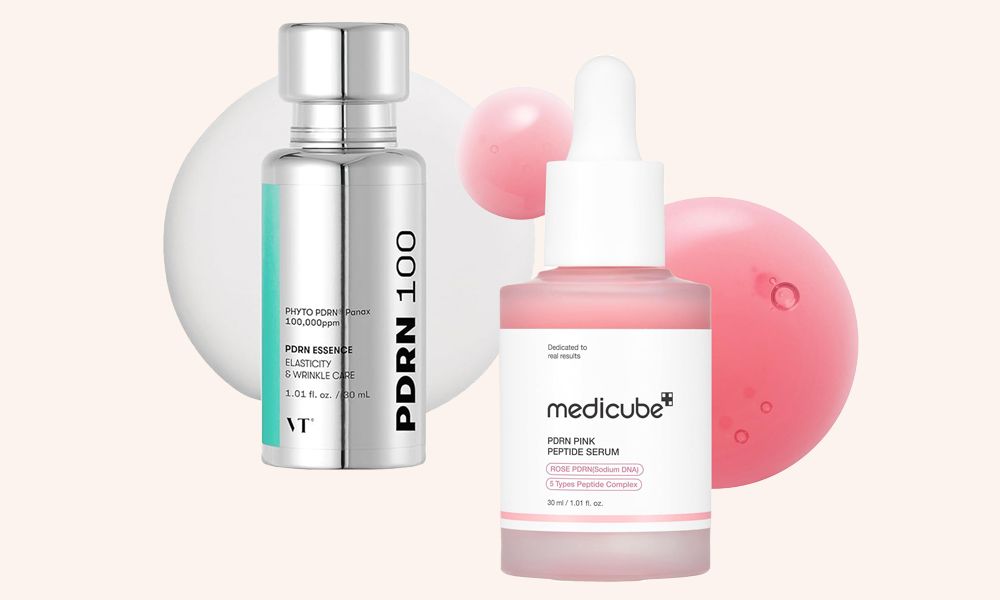
PDRN skincare has officially gone from niche Korean dermatology clinics to mainstream beauty shelves worldwide in 2026. Short for polydeoxyribonucleotide, PDRN is a DNA fragment derived from salmon sperm that has taken the beauty industry by storm, promising everything from boosted collagen production to accelerated skin healing. Once reserved for injectable treatments in Seoul's top aesthetic clinics, this powerhouse ingredient is now available in serums, essences, sheet masks, and creams from brands like Medicube, Rejuran, ANUA, and VT Cosmetics. As we explored in our Dermaplaning at Home 2026: Complete Guide to Smoother, Glowing Skin, But does the science actually support the hype? Here is everything you need to know about PDRN skincare in 2026, including what dermatologists really think, the best products to try, and how it compares to other trending anti-aging ingredients.
What Is PDRN and Why Is It Taking Over K-Beauty?
PDRN stands for polydeoxyribonucleotide, which refers to small fragments of DNA extracted from salmon sperm cells. These DNA fragments have been purified and processed into a biocompatible form that can be used safely on human skin. The ingredient first gained popularity in South Korean dermatology clinics through injectable treatments known as "salmon DNA facials" or Rejuran injections, which became a staple among Korean celebrities and skincare enthusiasts.
In 2026, PDRN skincare has evolved far beyond clinical settings. K-beauty brands have developed topical formulations that deliver PDRN through serums, ampoules, essences, and even eye patches. According to data from Korean beauty analytics platform Hwahae, PDRN-containing products saw a 340% increase in searches compared to the previous year, making it one of the most viral skincare ingredients alongside spicules and exosomes.
The appeal is clear: PDRN represents the "medicosmetic" trend where clinical-grade ingredients are brought to everyday consumers. K-Pharmacy brands, once only available through Korean dermatology clinics, are now accessible globally through platforms like Olive Young Global, Amazon, and YesStyle. This shift signals a broader consumer preference for clinically proven efficacy over marketing-driven beauty claims.
The Science Behind PDRN: How Salmon DNA Rejuvenates Your Skin

The mechanism behind PDRN skincare is genuinely compelling from a scientific standpoint. According to research published in the National Institutes of Health (PMC), PDRN works primarily by activating adenosine A2A receptors in the skin. This activation triggers a cascade of beneficial effects: it dampens inflammation, signals fibroblasts to produce more collagen, and supports the skin's own DNA repair pathways.
Clinical studies have demonstrated that PDRN treatment can increase collagen synthesis by 25 to 35 percent over 8 to 12 weeks. This is significant because collagen production naturally declines by about 1% per year after age 25, contributing to wrinkles, sagging, and loss of skin elasticity. Research published in ScienceDirect confirms that PDRN exerts antioxidant, anti-inflammatory, anti-melanogenic, and pro-collagen biosynthetic effects in cellular models.
Beyond collagen production, PDRN has been shown to improve wound healing, reduce hyperpigmentation, soothe psoriasis symptoms, and even support hair growth in alopecia cases. In murine and human skin models, researchers observed improvements in scarring, wrinkle depth, and overall skin texture. The ingredient essentially provides raw building blocks that cells can use for their own repair and regeneration processes.
PDRN vs. Other Anti-Aging Ingredients: How Does It Compare?
With so many active ingredients competing for your attention, it is fair to ask how PDRN skincare stacks up against established favorites like retinol, peptides, and vitamin C. For more on this topic, check out our Double Cleansing Method 2026: Why Korean Women Swear By This Two-Step Secret to Flawless Skin.
| Ingredient | Primary Benefit | Irritation Risk | Best For |
|---|---|---|---|
| PDRN | Collagen + repair | Very low | Sensitive, post-procedure |
| Retinol | Cell turnover | High | Anti-aging veterans |
| Peptides | Signal collagen | Low | General anti-aging |
| Vitamin C | Brightening + antioxidant | Medium | Dull, uneven tone |
| Exosomes | Cell communication | Very low | Advanced regeneration |
Unlike retinol, which can cause dryness, flaking, and sun sensitivity, PDRN is remarkably gentle. It works alongside the skin's natural processes rather than forcing accelerated cell turnover. This makes it particularly suitable for those with sensitive or reactive skin, or anyone recovering from professional treatments like laser resurfacing, chemical peels, or microneedling.
However, PDRN skincare is not necessarily a replacement for retinol or vitamin C. Many dermatologists recommend using PDRN as a complementary ingredient. For instance, you might use a PDRN serum in the morning for its anti-inflammatory and repair benefits, while reserving retinol for your evening routine.
Top PDRN Products Worth Trying in 2026
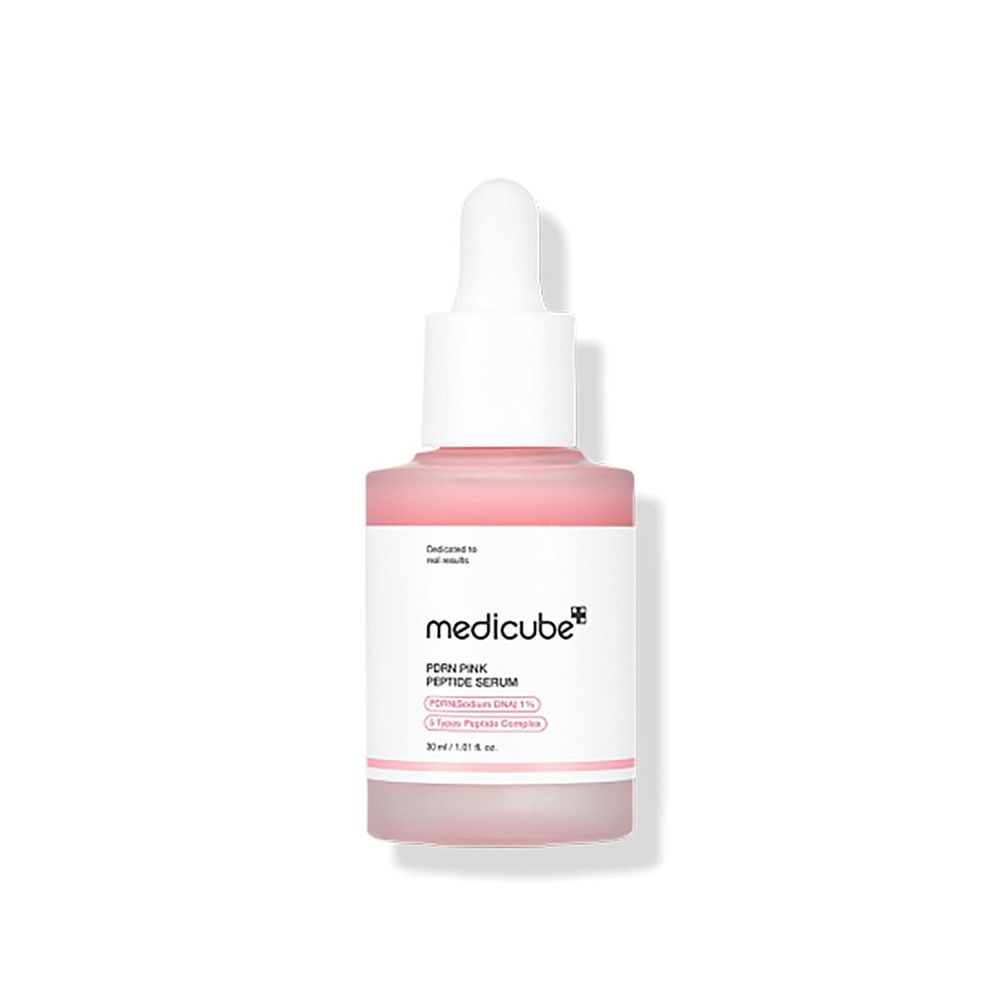
The PDRN skincare market has exploded with options in 2026, ranging from budget-friendly K-beauty finds to premium clinical-grade formulations. Here are the standout products that experts and editors recommend:
MEDICUBE PDRN PINK PEPTIDE SERUM is arguably the most viral PDRN product of 2026. This lightweight serum combines salmon PDRN with peptides, niacinamide, hydrolyzed collagen, and turmeric root extract. It targets multiple concerns simultaneously: hydration, firmness, dark spots, and overall radiance. Users report visible improvements in skin texture within 2 to 3 weeks of consistent use.
REJURAN TURNOVER AMPOULE delivers clinical-grade c-PDRN (concentrated PDRN) in a fast-absorbing formula. As the consumer skincare line from the same company behind Korea's most popular injectable PDRN treatment, Rejuran brings pharmaceutical-level expertise to at-home skincare. This ampoule is particularly effective for skin renewal and repair, making it ideal for mature or stressed skin.
ANUA PDRN HYALURONIC ACID CAPSULE 100 SERUM pairs PDRN with 11 types of hyaluronic acid and hydrolyzed collagen for intense hydration. This gentler formulation is perfect for PDRN beginners or those with dry skin who want plumping and moisturizing benefits alongside the regenerative effects of salmon DNA.
VT COSMETICS PHYTO PDRN 100 ESSENCE stands out for offering a plant-derived PDRN alternative sourced from Korean ginseng, combined with five types of ceramides. This makes it an excellent choice for vegans or anyone who prefers plant-based skincare while still wanting PDRN-like benefits for elasticity and barrier repair.
BIODANCE PDRN MASK is a bio-cellulose sheet mask that delivers a concentrated dose of PDRN in a single treatment. These masks dissolve partially into the skin, ensuring maximum absorption of the active ingredients. They are particularly popular as a post-treatment recovery mask or weekly intensive treatment.
What Dermatologists Say About PDRN Skincare
Dermatologists are cautiously optimistic about PDRN skincare, recognizing the solid science while noting important limitations. Board-certified dermatologists acknowledge that the mechanism of action behind PDRN is real and scientifically sound. The activation of A2A receptors and the subsequent cascade of repair signals is well-documented in peer-reviewed literature.
However, there is an important distinction that consumers should understand. Most of the compelling clinical evidence for PDRN comes from injectable formulations, where the ingredient is delivered directly into the dermal layer. Topical PDRN, while promising, faces the challenge of penetrating the skin barrier to reach the deeper layers where fibroblasts reside.
Research published in PMC shows that topical PDRN can still improve hydration and barrier function significantly. Some formulations use advanced delivery systems like encapsulation technology or combination with penetration enhancers to boost efficacy. But the dramatic anti-aging results seen with injectable PDRN should not be expected from a topical serum alone. For a comprehensive overview, visit our K-Beauty Complete Guide 2026: Your Ultimate Korean Skincare Handbook.
The consensus among skincare experts is that PDRN skincare is most effective for barrier repair, hydration, soothing inflammation, and supporting overall skin health. For those seeking dramatic wrinkle reduction or significant collagen rebuilding, professional treatments remain more effective.
Injectable vs. Topical PDRN: Understanding the Difference
One of the most common questions about PDRN skincare concerns the difference between injectable and topical formulations. Injectable PDRN, commonly known as Rejuran injections or "salmon DNA facials," delivers the ingredient directly into the dermis through microinjections. This approach has strong clinical data supporting its efficacy for wound healing, tissue repair, scar improvement, and collagen stimulation.
It is worth noting that Rejuran injectable treatments are not FDA-approved in the United States as of April 2026. They are widely used in South Korea, Japan, and several other Asian countries, but U.S. availability is limited to off-label use at certain dermatology clinics. Always consult a board-certified dermatologist before pursuing injectable PDRN treatments.
Topical PDRN products, on the other hand, are widely available over the counter and carry virtually no risk of side effects. While they may not deliver the same intensity of results as injectables, they offer a convenient and affordable way to incorporate this regenerative ingredient into your daily skincare routine. Many users report improvements in skin hydration, texture smoothness, and reduced redness within 2 to 4 weeks of consistent use.
How to Incorporate PDRN Into Your Skincare Routine
Adding PDRN skincare to your existing routine is straightforward. PDRN serums and essences are typically applied after cleansing and toning, before heavier creams and moisturizers. Since PDRN has anti-inflammatory properties, it pairs well with active ingredients like retinol, AHAs, and vitamin C, potentially reducing irritation from these more aggressive ingredients.
For best results, apply a PDRN serum to slightly damp skin to enhance absorption. Use 2 to 3 drops and gently pat the product into your skin rather than rubbing. Follow with your regular moisturizer and sunscreen during the day. Most experts recommend using PDRN products consistently for at least 4 to 8 weeks to see meaningful results.
If you prefer a simplified approach, the "Intentional Maximalism" trend from Korean beauty in 2026 suggests using 4 to 5 strategic steps with multi-active products. A PDRN serum can serve as your primary treatment step, potentially replacing multiple separate serums with one ingredient that addresses inflammation, hydration, and repair simultaneously.
You May Also Like
- Dermaplaning at Home 2026: Complete Guide to Smoother, Glowing Skin
- Double Cleansing Method 2026: Why Korean Women Swear By This Two-Step Secret to Flawless Skin
- Beta-Glucan Skincare 2026: Why This Ingredient Beats Hyaluronic Acid
FAQ
Q: Is PDRN skincare safe for sensitive skin?
A: Yes, PDRN is one of the most gentle anti-aging ingredients available. It works by supporting the skin's natural repair processes rather than causing irritation. Clinical studies show no significant adverse effects from topical PDRN use, making it suitable for sensitive, reactive, and post-procedure skin types.
Q: How long does it take to see results from PDRN serums?
A: Most users report noticeable improvements in skin hydration and texture within 2 to 3 weeks of daily use. For more significant anti-aging benefits like improved firmness and reduced fine lines, consistent use for 8 to 12 weeks is recommended.
Q: Is salmon-derived PDRN ethical? Are there vegan alternatives?
A: PDRN is extracted from salmon sperm, which raises ethical concerns for some consumers. Several brands now offer plant-derived alternatives, including VT Cosmetics' Phyto PDRN sourced from Korean ginseng, and formulations using oat, rice, or bamboo sap that provide similar barrier-repair benefits.
Q: Can I use PDRN with retinol?
A: Absolutely. PDRN's anti-inflammatory properties make it an excellent companion to retinol, potentially reducing the irritation and dryness commonly associated with retinoid use. Many dermatologists recommend applying PDRN in the morning and retinol at night for optimal results.
Q: What is the difference between PDRN and polynucleotides (PN)?
A: PDRN and polynucleotides are closely related but not identical. PDRN consists of shorter DNA fragments (typically 50 to 2000 base pairs) that specifically activate A2A receptors. Polynucleotides are longer DNA chains with broader biological activity. Both are derived from salmon DNA and offer similar skin benefits, but PDRN is more targeted in its mechanism of action.
The Bottom Line
PDRN skincare represents one of the most scientifically grounded trends to emerge from K-beauty in recent years. While topical formulations may not match the dramatic results of injectable treatments, the evidence supporting PDRN's benefits for hydration, barrier repair, inflammation reduction, and collagen support is compelling. Whether you choose a viral favorite like Medicube's Pink Peptide Serum or a clinical-grade option like Rejuran's Turnover Ampoule, incorporating PDRN into your 2026 skincare routine is a science-backed move worth considering.
The key is managing expectations: think of topical PDRN as a powerful supporting ingredient rather than a miracle cure. Combined with sun protection, a healthy lifestyle, and other proven actives, PDRN skincare can be a valuable addition to any anti-aging strategy.
Sources: NewBeauty | E! Online | PMC/NIH | BeautyMatter | Grazia


댓글
댓글 쓰기