Dermaplaning at Home 2026: Complete Guide to Smoother, Glowing Skin
Dermaplaning at Home 2026: Everything Dermatologists Want You to Know Before Picking Up That Blade

Dermaplaning at home has surged from a niche professional treatment to one of the most searched skincare techniques in 2026. The appeal is undeniable: one quick session with a small blade removes peach fuzz and dead skin cells, instantly revealing smoother, brighter, more radiant skin. Your serums absorb better, your foundation glides on like silk, and that lit-from-within glow becomes effortless. But board-certified dermatologist Dr. Michelle Henry cautions that "although dermaplaning is generally safe when performed by a trained professional, it carries risks when attempted at home." So how do you get those professional-grade results without leaving your bathroom? This is the complete, dermatologist-informed guide to dermaplaning at home in 2026.
What Is Dermaplaning and Why Is It Trending?
Dermaplaning is a physical exfoliation technique that uses a sterile, single-use surgical-grade blade held at a 45-degree angle to gently scrape away the outermost layer of dead skin cells (the stratum corneum) along with fine vellus hair, commonly known as peach fuzz. The procedure originated in dermatology clinics, where aestheticians use a medical-grade scalpel (typically a #10 blade) under controlled conditions. The at-home version uses smaller, safer dermaplane razors with built-in guards to reduce the risk of cuts.
The trend has exploded for several reasons. First, the 2026 skincare philosophy centers on skin longevity and simplified routines that deliver real results. Dermaplaning fits perfectly into this ethos: it requires no chemicals, no waiting periods, no purging phase, and delivers immediately visible results. Second, the rise of the glass skin aesthetic has driven demand for treatments that create a perfectly smooth canvas. Third, social media has demystified the procedure, with before-and-after videos showing dramatic texture improvements that take less than ten minutes.
The Science Behind Dermaplaning: What Actually Happens to Your Skin
When the blade passes over your skin, it accomplishes two things simultaneously. First, it removes 2-3 weeks worth of accumulated dead skin cells from the surface, which is comparable to a mild chemical peel but without the downtime or irritation. According to the Cleveland Clinic, this superficial exfoliation stimulates cellular turnover and can promote collagen production over time.
Second, it removes vellus hair (peach fuzz), which traps dirt, oil, and product buildup against the skin surface. Removing this fine hair allows skincare products to make direct contact with the skin, dramatically improving the absorption of active ingredients like niacinamide, hyaluronic acid, and vitamin C serums.
One of the most persistent myths about dermaplaning is that hair grows back thicker or darker. This is categorically false. Vellus hair is structurally different from terminal hair (the coarser hair on your scalp, brows, and lashes). Dermaplaning cuts hair at the skin surface without affecting the hair follicle or papilla, so the regrowth is identical in texture, color, and thickness to what was removed.
Step-by-Step: How to Dermaplane at Home Like a Professional
Follow this dermatologist-approved protocol for the safest and most effective at-home dermaplaning session:
STEP 1 - PREP (Critical)
Stop using retinoids, AHA, BHA, PHA exfoliants, and any active acids 24-48 hours before dermaplaning. As detailed in our retinol vs bakuchiol guide, these ingredients thin the stratum corneum, and dermaplaning over sensitized skin increases the risk of micro-tears and irritation. Double-cleanse your face and pat completely dry. Dermaplaning must be performed on dry skin for optimal blade control.
STEP 2 - TECHNIQUE
Hold the blade at a 45-degree angle to the skin. With your free hand, gently pull the skin taut (not stretched, just firm). Use short, feathery downward strokes in the direction of hair growth. Work in sections: start with the forehead, then cheeks, chin, upper lip, and jawline. Avoid the eyelids, directly over active blemishes, and the sides of the nose where skin is thin and angular.
STEP 3 - THE RULES
Never go over the same area more than twice in a single session. Use a fresh, sterile blade every time. Do not apply pressure; let the blade do the work. If you feel resistance or dragging, the blade angle is wrong or the skin is not taut enough.
STEP 4 - AFTERCARE
Immediately apply a soothing, barrier-repair product. This is where ceramide-based moisturizers shine, as they restore the lipid barrier that was partially disrupted during exfoliation. Follow with a broad-spectrum SPF 30-50 sunscreen every morning for at least a week after dermaplaning. Your freshly exfoliated skin is temporarily more photosensitive.
How Often Should You Dermaplane?
Frequency depends on your skin type and tolerance:
| Skin Type | Frequency | Notes |
| Normal / Combination | Every 3-4 weeks | Ideal cadence for most people |
| Oily | Every 2-3 weeks | Monitor for excess sebum buildup |
| Dry / Mature | Every 4 weeks | Extra barrier care with ceramides and peptides |
| Sensitive / Rosacea-prone | Every 4-6 weeks | Consider professional treatment instead |
Over-dermaplaning is one of the most common mistakes. More frequent sessions do not produce better results; they compromise the skin barrier, leading to redness, sensitivity, and paradoxically duller skin. Respect the 3-4 week cycle for cell turnover.
7 Best At-Home Dermaplaning Tools in 2026
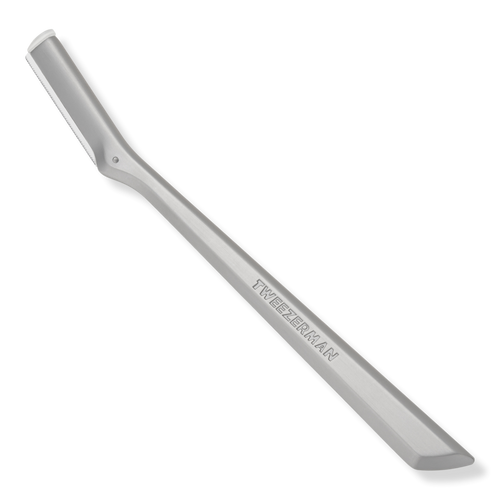
Choosing the right tool makes a significant difference in both safety and results. Here are the top-rated options for 2026:
| Tool | Price | Best For |
| Tweezerman Facial Razor | $21 | Best overall; stainless steel, 3 replacement blades |
| Billie Malibu Dermaplane Starter Kit | $13 | Best for beginners; built-in safety guards |
| Venus for Facial Hair & Skin Care | $15 | Best control; weighted handle, rounded tip |
| Flamingo Dermaplane Razor | $17 | Best for fine hair; ergonomic grip |
| Schick Hydro Silk Touch-Up | $8 | Best budget; disposable, micro-guards |
| Kitsch Dermaplaning Tool | $8 | Best value; minimalist design |
| Dermaflash Luxe+ Sonic Dermaplaning | $199 | Best electric; salon-grade sonic technology |
For beginners, the Billie Malibu Kit or Schick Hydro Silk Touch-Up are the safest starting points, as both feature built-in micro-guards that prevent the blade from cutting too deep. Advanced users may prefer the precision of the Tweezerman Facial Razor, which offers a closer shave but requires more skill.
Who Should NOT Dermaplane: Important Safety Warnings
Dermaplaning is not suitable for everyone. According to dermatologists and the Cleveland Clinic, you should avoid at-home dermaplaning if you have:
- ACTIVE INFLAMMATORY ACNE OR PUSTULES: The blade can spread bacteria across the face, worsening breakouts and potentially causing scarring
- ROSACEA IN AN ACTIVE FLARE: Mechanical irritation exacerbates redness, flushing, and broken capillaries
- COLD SORES (HERPES SIMPLEX): The blade can spread the virus across the entire treated area
- BLOOD-THINNING MEDICATIONS: Increased bleeding risk from even minor nicks
- RECENT SUNBURN OR COMPROMISED SKIN BARRIER: Wait until fully healed before attempting any physical exfoliation
- ECZEMA OR PSORIASIS PATCHES: Blading over inflamed or flaking patches will worsen the condition
If you have darker skin tones (Fitzpatrick IV-VI), proceed with extra caution. While dermaplaning itself does not cause hyperpigmentation, any nicks, cuts, or excessive irritation can trigger post-inflammatory hyperpigmentation. Using a tool with built-in guards and maintaining strict SPF adherence post-treatment are essential.
Dermaplaning vs. Other Exfoliation Methods
How does dermaplaning compare to other popular exfoliation techniques in 2026?
| Method | Removes Peach Fuzz | Downtime | Best For |
| Dermaplaning | Yes | None | Instant glow, makeup prep |
| Chemical Peel (AHA/BHA) | No | 1-7 days | Acne, deep texture, pigmentation |
| Microdermabrasion | No | 1-2 days | Dullness, fine lines |
| Enzyme Mask | No | None | Sensitive skin, gentle exfoliation |
Many dermatologists recommend alternating dermaplaning with chemical exfoliation rather than combining them in the same session. For example, you might dermaplane one week and use an AHA/BHA treatment the following week, giving your skin time to recover between each modality.
Post-Dermaplaning Skincare Routine
What you apply after dermaplaning matters as much as the procedure itself. Your freshly exfoliated skin has temporarily lost part of its protective barrier, making it both more receptive to beneficial ingredients and more vulnerable to irritation.
IMMEDIATELY AFTER: Apply a soothing, fragrance-free moisturizer rich in ceramides, centella asiatica, or panthenol. Avoid anything with active acids, retinol, vitamin C, or fragrance for at least 24 hours.
DAY 1-3: Keep your routine minimal. Gentle cleanser, hydrating serum (hyaluronic acid or beta-glucan), barrier-repair moisturizer, and SPF 30-50 sunscreen. No exfoliating acids, no retinoids, no makeup if possible.
DAY 4+: Gradually reintroduce your regular actives. Start with gentler ingredients like niacinamide before returning to stronger treatments like retinol.
For a comprehensive reference on the barrier-repair ingredients that work best post-dermaplaning, check our K-Beauty Ingredients Encyclopedia.
You May Also Like
- Ceramide Skincare 2026: Complete K-Beauty Guide to Skin Barrier Repair
- Retinol vs Bakuchiol 2026: Which Anti-Aging Ingredient Is Right for Your Skin?
- Complete Guide to Glass Skin 2026: The 10-Step Korean Skincare Routine
- Anti-Aging Skincare Guide 2026: Science-Backed Ingredients and Strategies
FAQ
Q: Does dermaplaning make hair grow back thicker?
A: No. This is one of the most common skincare myths. Vellus hair (peach fuzz) is structurally different from terminal hair. Dermaplaning cuts hair at the skin surface without affecting the follicle. The regrowth feels the same in texture, color, and thickness. It may feel slightly stubbly as it grows back because the cut end is blunt rather than tapered, but this is a tactile illusion, not actual thickening.
Q: Can I wear makeup after dermaplaning?
A: Ideally, wait at least 12-24 hours before applying makeup. Your skin needs time to recover its protective barrier. When you do apply makeup after dermaplaning, you will notice it goes on exceptionally smoothly because there is no peach fuzz to trap product or create texture.
Q: Is at-home dermaplaning as effective as professional treatment?
A: Professional dermaplaning uses a sharper medical-grade scalpel and is performed by a trained aesthetician who can achieve more uniform exfoliation. At-home tools are designed with safety features that limit how deep the blade can cut, so the results are somewhat milder. However, consistent at-home dermaplaning every 3-4 weeks can produce cumulative results comparable to less frequent professional sessions.
Q: Can I dermaplane if I have acne?
A: Do not dermaplane over active inflammatory acne, cystic acne, or pustules. The blade can rupture pimples and spread bacteria, leading to more breakouts and potential scarring. If you have occasional, non-inflammatory closed comedones (blackheads and whiteheads) in areas away from active breakouts, you can carefully dermaplane those clear areas only.
Q: How do I clean and store my dermaplaning tool?
A: Single-use disposable blades should be discarded after each session. For reusable handles, rinse with warm water and mild soap after use, then dry completely before storing. Never share dermaplaning tools with others. Replace blades according to the manufacturer's recommendations, typically every 1-3 uses depending on the tool.
The Bottom Line
Dermaplaning at home has become one of the most accessible and effective skin-smoothing treatments available in 2026. When done correctly with the right tools, proper technique, and appropriate aftercare, it delivers immediately visible results: smoother texture, brighter tone, better product absorption, and flawless makeup application. The key is respecting the basics that dermatologists emphasize: use a sterile blade, maintain a 45-degree angle, never over-do frequency, and prioritize barrier repair and sun protection afterward. For most skin types, a 3-4 week dermaplaning cycle paired with a thoughtful post-treatment skincare routine can transform your complexion without a single trip to the dermatologist's office.
Sources:
- Good Morning America - Dermaplaning at Home: Dermatologist's Guide
- Cleveland Clinic - Dermaplaning: What It Is, Benefits & Side Effects
- Who What Wear - Best Dermaplaning Tools for 2026
- Medical News Today - Dermaplaning at Home: Benefits, Risks, Instructions
- Healthline - The Ins and Outs of Dermaplaning


댓글
댓글 쓰기