Beta-Glucan Skincare 2026: Why This Ingredient Beats Hyaluronic Acid
Beta-Glucan Skincare 2026: The Science-Backed Barrier Ingredient That Outperforms Hyaluronic Acid

Beta-glucan skincare is rapidly becoming the most talked-about category in K-beauty and clinical dermatology circles alike. While hyaluronic acid has long reigned as the gold standard for hydration, a growing body of research now suggests that beta-glucan may be up to 20% more effective at retaining moisture in the skin. With Google searches for this ingredient growing by 51% over the past year and major brands racing to formulate with it, beta-glucan is no longer a niche find buried in ingredient lists. It is the barrier repair ingredient of 2026, and dermatologists are paying attention.
This guide breaks down what beta-glucan actually does for your skin, how it compares to hyaluronic acid, which products deliver the best results, and how to incorporate it into your routine for maximum benefit.
What Is Beta-Glucan and Where Does It Come From?
Beta-glucan is a naturally occurring polysaccharide, a type of complex sugar molecule, found in the cell walls of oats, barley, mushrooms, yeast, and certain algae. In the medical world, beta-glucan has been studied extensively for decades for its immune-boosting and cholesterol-lowering properties. But its skincare applications are what have caught the beauty industry's attention in recent years.
Not all beta-glucans are created equal. The source matters. Yeast-derived beta-glucan (specifically from Saccharomyces cerevisiae) has been the most extensively studied from a scientific and pharmacological perspective, according to research published in Food Science & Nutrition. Mushroom-derived variants are gaining popularity because they carry additional bioactive compounds like antioxidants and adaptogens. Oat-derived beta-glucan, meanwhile, has a long track record in soothing sensitive and eczema-prone skin.
In cosmetic formulations, beta-glucan functions as a humectant that draws water into the skin, but its benefits extend far beyond simple hydration. It also acts as an immunomodulator, anti-inflammatory agent, and barrier reinforcer, making it one of the most versatile actives available in modern skincare.
Beta-Glucan vs Hyaluronic Acid: The Hydration Showdown
The comparison between beta-glucan and hyaluronic acid is not just marketing. Clinical data supports the claim that beta-glucan outperforms hyaluronic acid at equivalent concentrations for moisture retention. While hyaluronic acid is an excellent surface-level humectant, it can actually draw moisture out of deeper skin layers in low-humidity environments, a well-documented concern among dermatologists.
Beta-glucan, by contrast, penetrates more deeply into the stratum corneum and creates a more sustained hydration effect. As noted in our Ceramide Skincare 2026 guide, the most effective barrier repair strategies combine multiple hydration mechanisms. Beta-glucan offers humectant, anti-inflammatory, and barrier-supporting properties in a single molecule, something hyaluronic acid simply cannot match.
This does not mean you should abandon hyaluronic acid entirely. The two ingredients work beautifully together, with hyaluronic acid providing immediate surface hydration and beta-glucan delivering deeper, longer-lasting moisture and barrier support. Think of it as a layering strategy rather than a replacement.
The Clinical Evidence: What Science Actually Shows
The scientific literature on beta-glucan skincare is robust and continues to expand. Here are the key findings that matter for consumers:
HYDRATION AND BARRIER FUNCTION: In a randomized, double-blind, placebo-controlled study, participants with sensitive skin who applied a formula containing 0.5% to 2% beta-glucan twice daily for six weeks showed significantly enhanced water retention capacity in the stratum corneum and measurably improved skin barrier function.
ANTI-AGING EFFECTS: A study of 20 men with visible signs of skin aging who used a 1.5% beta-glucan formula twice daily for 16 weeks demonstrated significant improvements in both skin firmness and hydration levels. These results are especially noteworthy because they were achieved with a relatively low concentration of the active ingredient.
UV PROTECTION AND REPAIR: Research has shown that beta-glucan cream significantly alleviates UV-induced erythema (redness) within 24 hours of exposure. Long-term use improved skin hydration, brightness, elasticity, and antioxidant capacity after just 30 days, suggesting that beta-glucan skincare may serve a dual role in both prevention and repair of sun damage.
WOUND HEALING: According to board-certified plastic surgeon Dr. Shim Ching, most of the foundational research around beta-glucans has focused on how they help heal damaged skin. This wound-healing capability translates directly to improved recovery from procedures, acne scarring, and general skin resilience.
TRANSEPIDERMAL WATER LOSS: Clinical data showed significantly improved skin hydration and reduced transepidermal water loss on Days 7 and 14 of treatment, with 63.2% of patients self-reporting better outcomes and no significant side effects reported.
How K-Beauty Is Leading the Beta-Glucan Revolution
Korean skincare brands were among the first to recognize beta-glucan's potential and formulate with it at clinically meaningful concentrations. While Western brands are only now catching up, K-beauty has been refining beta-glucan formulations for years.
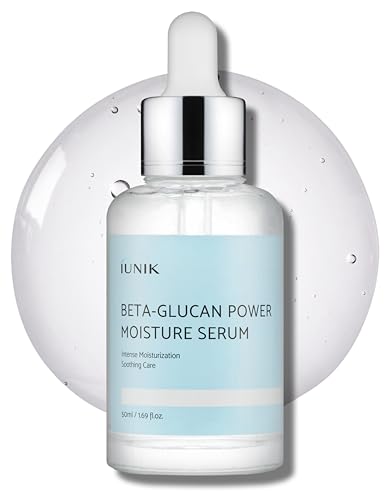
The standout product in this category remains the iUNIK Beta Glucan Power Moisture Serum, which contains an impressive 400,000 ppm of beta-glucan derived from fungal cell walls. The serum has become a cult favorite for its soothing, non-sticky, gel-like texture that works across all skin types, including sensitive and acne-prone skin. At around $20, it delivers clinical-grade hydration at a fraction of the cost of luxury alternatives.
Other notable K-beauty beta-glucan products include the Mixsoon Beta-Glucan Essence (approximately $13), which offers a lightweight, layerable formula, and The Ordinary Natural Moisturizing Factors + Beta Glucan ($14), a budget-friendly moisturizer recommended by board-certified dermatologist Dr. Hadley King for oily and acne-prone skin types.
This ingredient-driven approach is characteristic of the broader K-beauty philosophy we explored in our K-Beauty Ingredients Encyclopedia 2026. Korean formulations prioritize high concentrations of proven actives over luxury packaging and marketing narratives.
Who Should Use Beta-Glucan (and Who Should Be Cautious)?
One of beta-glucan's greatest strengths is its exceptional safety profile. Unlike retinoids, which require careful introduction and can cause irritation, or vitamin C serums that can sting on compromised skin, beta-glucan is well-tolerated across virtually all skin types and conditions.
IDEAL CANDIDATES include those with sensitive or reactive skin, anyone dealing with a compromised skin barrier (from over-exfoliation, retinoid use, or environmental damage), people with dry or dehydrated skin seeking deeper hydration than hyaluronic acid alone provides, those recovering from cosmetic procedures, and anyone looking to add anti-inflammatory protection to their routine.
EXERCISE CAUTION if you have known allergies to mushrooms, yeast, or oats, as the source of beta-glucan matters. Oat-derived formulas may not be suitable for those with gluten sensitivities applied topically, though this remains debated. As with any new active, patch testing is always recommended.
If you are already using barrier-supporting ingredients like ceramides, as discussed in our complete ceramide guide, beta-glucan makes an excellent complementary ingredient. The two work through different mechanisms, with ceramides replacing lost lipids and beta-glucan modulating immune response and drawing in moisture.
How to Build a Beta-Glucan Routine
Incorporating beta-glucan into your skincare routine is straightforward. Because it plays well with virtually every other active ingredient, you do not need to restructure your entire regimen.
MORNING ROUTINE: Gentle cleanser, beta-glucan serum (such as iUNIK or Mixsoon), followed by your regular moisturizer and sunscreen. The beta-glucan layer creates a hydration reservoir that helps subsequent products absorb more effectively.
EVENING ROUTINE: Double cleanse, any treatment actives (retinol, niacinamide, vitamin C), beta-glucan serum, and a richer moisturizer or sleeping mask. Beta-glucan's anti-inflammatory properties make it especially valuable in the evening, when it can support your skin's natural repair processes overnight.
FOR SENSITIVE SKIN: Start with a lower concentration formula and apply once daily for the first week. Most people can move to twice-daily application within one to two weeks without any adjustment period.
The Market Outlook: Why Beta-Glucan Is Here to Stay
According to the Boots 2026 Beauty and Wellness Trends Report, 80% of adults now treat skincare as a long-term health investment, with nearly half specifically managing skin sensitivity concerns. This shift toward skin longevity and barrier health, rather than aggressive anti-aging treatments, positions beta-glucan perfectly in the current market landscape.
Cosmetics Business reports that the ingredient aligns with what industry expert Mark Curry of The Inkey List describes as a broader shift towards intelligent formulas and routines that prioritise skin health and integrity. As consumers move beyond the hype cycle of trendy ingredients toward evidence-based choices, beta-glucan's decades of clinical research give it staying power that many newer actives lack.
For those interested in the broader landscape of science-backed anti-aging ingredients, our Anti-Aging Skincare Guide 2026 provides a comprehensive framework for building an effective long-term routine.
You May Also Like
- Ceramide Skincare 2026: Complete K-Beauty Guide to Skin Barrier Repair
- Niacinamide Skincare Guide 2026: Benefits, Best K-Beauty Products, and How to Build Your Brightening Routine
- PDRN Skincare 2026: Is Salmon DNA K-Beauty's Most Powerful Anti-Aging Ingredient?
- Retinol vs Bakuchiol 2026: Which Anti-Aging Ingredient Is Right for Your Skin?
FAQ
Q: Is beta-glucan better than hyaluronic acid for dry skin?
A: Research suggests beta-glucan retains up to 20% more moisture than hyaluronic acid at equal concentrations. However, the two ingredients work through different mechanisms and are most effective when used together. Beta-glucan provides deeper, sustained hydration plus anti-inflammatory benefits, while hyaluronic acid excels at immediate surface-level plumping.
Q: Can I use beta-glucan with retinol or vitamin C?
A: Yes. Beta-glucan is one of the most compatible active ingredients in skincare. Its anti-inflammatory properties actually help mitigate the irritation that retinoids can cause, making it an ideal pairing. Apply beta-glucan serum after your retinol or vitamin C treatment to soothe and hydrate.
Q: What concentration of beta-glucan should I look for in products?
A: Clinical studies have shown benefits at concentrations as low as 0.5%. Products like the iUNIK Beta Glucan Power Moisture Serum contain extremely high concentrations (400,000 ppm). For most people, any product listing beta-glucan within the first five ingredients will deliver meaningful results.
Q: Is beta-glucan safe for acne-prone or oily skin?
A: Absolutely. Beta-glucan is non-comedogenic and its anti-inflammatory properties can actually help reduce acne-related redness and irritation. Board-certified dermatologist Dr. Hadley King specifically recommends The Ordinary Natural Moisturizing Factors + Beta Glucan for oily and acne-prone skin types.
Q: How long does it take to see results from beta-glucan skincare?
A: Improved hydration is typically noticeable within the first week. Clinical studies showed measurably reduced transepidermal water loss by Day 7, with continued improvement through Day 14 and beyond. Anti-aging benefits like improved firmness become apparent after 8 to 16 weeks of consistent use.
The Bottom Line
Beta-glucan skincare represents a rare intersection of strong clinical evidence, excellent tolerability, and accessible pricing. In a market crowded with overhyped ingredients, beta-glucan stands out because the science genuinely supports the claims. Whether you are dealing with a compromised skin barrier, looking for deeper hydration than hyaluronic acid alone provides, or seeking a soothing complement to your active treatments, beta-glucan deserves a place in your 2026 routine. Start with a dedicated serum like the iUNIK Beta Glucan Power Moisture Serum or the affordable Mixsoon Beta-Glucan Essence, and let the results speak for themselves.
Sources: Cosmetics Business | Who What Wear | PMC/Food Science & Nutrition | Mibelle Biochemistry


댓글
댓글 쓰기