PDRN Skincare 2026: Is Salmon DNA K-Beauty's Most Powerful Anti-Aging Ingredient?
PDRN Skincare 2026: Is Salmon DNA K-Beauty's Most Powerful Anti-Aging Ingredient?
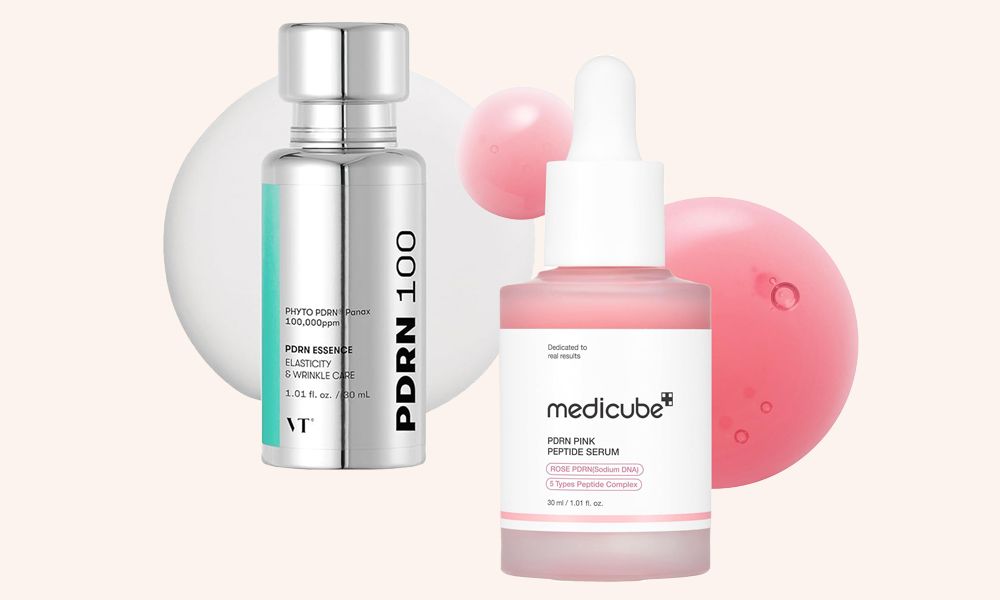
PDRN skincare has rapidly become one of the most searched beauty ingredients of 2026, with Google Trends showing a staggering 1,400% surge in search interest since 2024. Short for polydeoxyribonucleotide, PDRN is a bioactive DNA fragment derived from salmon that functions as a skin biostimulator, promoting cellular repair, boosting collagen production, and reducing inflammation at a molecular level. Once confined to Korean dermatology clinics as an injectable treatment known as Rejuran Healer, PDRN has now crossed over into the world of topical skincare, and K-beauty brands are leading the charge with serums, essences, masks, and creams infused with this regenerative powerhouse. But does the science actually support the hype? Here is everything you need to know about PDRN skincare in 2026, from how it works at a cellular level to the best products dermatologists recommend.
What Exactly Is PDRN and Where Does It Come From?
PDRN stands for polydeoxyribonucleotide, which consists of small, purified fragments of DNA extracted from salmon sperm cells. While the source may sound unusual, salmon DNA shares remarkable structural similarities with human DNA in terms of molecular weight and biocompatibility, making it exceptionally well-tolerated by human skin cells. The extraction process isolates these DNA fragments into a pharmaceutical-grade compound that has been used in medical settings for decades, particularly for wound healing, tissue regeneration, and treating chronic inflammatory conditions.
The ingredient gained its initial fame in South Korea, where Rejuran injectable treatments became a staple in aesthetic clinics. Korean dermatologists have been administering PDRN injections since the early 2010s to treat fine lines, acne scars, enlarged pores, and overall skin dullness. The treatment works by delivering PDRN directly into the dermal layer, where it activates adenosine A2A receptors and triggers a cascade of regenerative processes. As we explored in our K-Beauty Ingredients Encyclopedia, understanding the molecular mechanisms behind trending ingredients helps consumers make informed choices beyond marketing claims.
The Science Behind PDRN: How Salmon DNA Repairs Your Skin

The mechanism of PDRN is what sets it apart from most anti-aging ingredients. Rather than simply providing surface-level hydration or exfoliation, PDRN works at the cellular level through multiple pathways. It primarily activates the adenosine A2A receptor, a purinergic receptor found on the surface of cells throughout the body. When activated, this receptor triggers potent anti-inflammatory signaling, promotes angiogenesis (the formation of new blood vessels to improve nutrient delivery), stimulates fibroblast proliferation and collagen synthesis, and accelerates the overall tissue repair cycle.
Published research in journals like the Journal of Cosmetic Dermatology and Applied Sciences has documented PDRN's ability to enhance wound healing, improve skin elasticity, reduce wrinkle depth, and strengthen the skin barrier. A 2025 review published in Brieflands confirmed that PDRN's therapeutic applications extend well beyond wound healing into anti-aging, hyperpigmentation treatment, and barrier restoration. For those already following NMN skincare trends for NAD+ boosting, PDRN represents a complementary approach, as some Korean clinics now combine PDRN with NMN in what they call "biotox" treatments for synergistic anti-aging effects.
Injectable vs. Topical PDRN: What Dermatologists Want You to Know
One of the most important distinctions in the PDRN conversation is between injectable and topical formulations. Board-certified dermatologists emphasize that the bulk of clinical evidence supporting PDRN's anti-aging benefits comes from injectable treatments, where the ingredient is delivered directly into the dermis via microneedling or mesotherapy. These treatments, widely available in South Korean and European clinics, deliver high concentrations of PDRN exactly where it needs to act, resulting in visible improvements in skin texture, hydration, and firmness.
Topical PDRN, the version found in over-the-counter serums and creams, is a different proposition. While research shows that topical application can improve hydration, barrier function, and surface-level skin quality, the anti-aging evidence is not yet as robust as for injectables. The key challenge is penetration: DNA fragments are relatively large molecules, and getting them past the stratum corneum in sufficient concentrations remains a formulation challenge. That said, K-beauty brands have been innovating rapidly, using exosome delivery systems, spicule-infused formulas, and encapsulation technologies to enhance PDRN absorption. This innovation mirrors the approach seen in spicule skincare, where physical delivery mechanisms boost active ingredient penetration.
As one dermatologist put it, PDRN is "a promising supporting player, not a starter." If your core routine includes proven actives like retinoids, vitamin C, and sunscreen, PDRN can be a worthwhile addition. But it should not replace those foundational ingredients.
Top PDRN Skincare Products in 2026
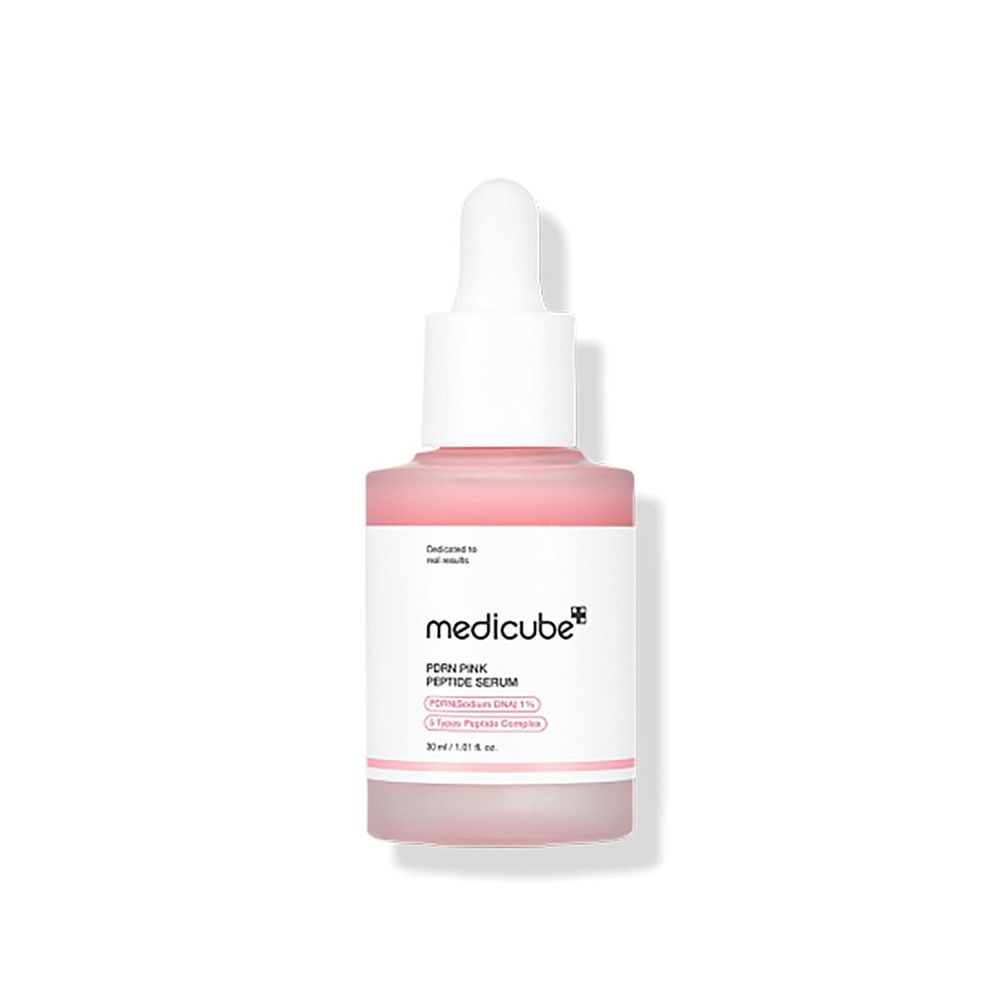
The PDRN skincare market has exploded in 2026, with Korean brands dominating the innovation space. Here are the standout products that dermatologists and beauty editors are recommending:
MEDICUBE PDRN PINK PEPTIDE SERUM: Frequently cited as the best overall PDRN serum, this formulation packs 10,000 ppm of salmon-derived PDRN encapsulated in exosomes for maximum delivery. It combines PDRN with peptides, niacinamide, and collagen for a multi-pronged approach to firming, hydration, and brightening. Users consistently report reduced inflammation, improved glow, and firmer skin texture within weeks. Medicube has been at the forefront of K-beauty device innovation, as we covered in our Medicube AGE-R Booster Pro review.
ANUA PDRN HYALURONIC ACID CAPSULE 100 SERUM: One of the hottest PDRN products trending in Korea right now, this lightweight, watery serum combines PDRN with hyaluronic acid and collagen in a capsule delivery system. It provides long-lasting hydration while smoothing and calming the skin for a luminous, healthy complexion. Ideal for those who want PDRN benefits without a heavy texture.
VT PDRN ESSENCE: VT Cosmetics offers a unique twist with their all-rounder essence featuring low-molecular PDRN derived from Korean ginseng rather than salmon. Combined with five types of ceramides, this milky formula targets elasticity, hydration, and barrier restoration. It is an excellent option for those who prefer plant-derived alternatives or have concerns about animal-sourced ingredients.
BIODANCE PDRN REJUVENATING CAVIAR MASK: For those who prefer a targeted treatment format, Biodance's sheet mask delivers PDRN in a concentrated overnight treatment. The caviar-inspired capsules burst upon application, releasing PDRN along with nourishing oils and peptides for intensive overnight regeneration.
INNISFREE GREEN TEA PDRN SERUM: Innisfree has pioneered a plant-based PDRN alternative using their proprietary Green Tea PDRN technology, derived from Jeju green tea rather than salmon DNA. Combined with a 1% Triple Retinol Complex, this serum offers a cruelty-free, vegan-friendly entry into the PDRN category with clinically tested firming and smoothing results.

How to Incorporate PDRN Into Your Skincare Routine
Adding PDRN to your existing skincare routine is straightforward, as it pairs well with most active ingredients. Dermatologists recommend applying PDRN serums or essences after cleansing and toning, before heavier moisturizers and sunscreen. The ingredient's anti-inflammatory properties make it an excellent buffer when used alongside potentially irritating actives like retinoids or exfoliating acids.
For maximum results, consider the following layering approach: start with a gentle cleanser, follow with a hydrating toner, apply your PDRN serum, layer your primary active (retinol, vitamin C, or AHA/BHA), seal with a moisturizer, and finish with broad-spectrum SPF in the morning. Some K-beauty enthusiasts are also combining PDRN serums with at-home microneedling devices to enhance absorption, though dermatologists caution that this should only be done with professional-grade devices and proper hygiene protocols.
PDRN works well as part of the Bloom Skin trend, K-beauty's post-glass skin evolution that emphasizes deep cellular health rather than surface-level luminosity. The regenerative properties of PDRN align perfectly with this philosophy of building resilient, healthy skin from the inside out.
PDRN vs. Other Trending K-Beauty Ingredients
How does PDRN stack up against other buzzy K-beauty ingredients? Unlike snail mucin, which primarily focuses on hydration and soothing, PDRN targets cellular-level regeneration and repair. While both ingredients have anti-inflammatory properties, PDRN's mechanism of action through A2A receptor activation gives it a more targeted approach to tissue healing and collagen stimulation.
Compared to peptides, PDRN works through a fundamentally different pathway. Peptides signal skin cells to produce more collagen, while PDRN provides the building blocks and cellular energy for actual tissue regeneration. Many dermatologists suggest that combining PDRN with peptides (as Medicube's Pink Peptide Serum does) offers complementary benefits.
For a comprehensive overview of how these ingredients work together in modern K-beauty routines, visit our Anti-Aging Skincare Guide 2026, which breaks down the science behind the most effective ingredient combinations.
What Dermatologists Say About PDRN Safety
The safety profile of topical PDRN is reassuring. Multiple clinical studies have found PDRN to be non-irritating and well-tolerated across all skin types, including sensitive and reactive skin. There have been no reports of significant adverse reactions from topical PDRN products. The ingredient's anti-inflammatory nature actually makes it soothing rather than sensitizing, which is a notable advantage over many other anti-aging actives.
However, dermatologists do raise some caveats. Injectable PDRN treatments like Rejuran are not FDA-approved in the United States as of April 2026, though they are widely used in South Korea, Japan, and parts of Europe. Anyone considering injectable PDRN should only receive treatments from licensed professionals in regulated clinical settings. For topical products, the main risk is overspending on formulations that cannot deliver sufficient PDRN through the skin barrier without proper delivery technology.
The Future of PDRN: Plant-Based Alternatives and Beyond
One of the most exciting developments in the PDRN space is the emergence of plant-based alternatives. Innisfree's Green Tea PDRN technology represents a shift toward sustainable, vegan-friendly sources of polydeoxyribonucleotides. VT Cosmetics has similarly explored ginseng-derived PDRN, tapping into traditional hanbang (Korean herbal medicine) roots while delivering modern biotech results. These innovations address growing consumer demand for ethical, cruelty-free beauty products without sacrificing efficacy.
Industry analysts predict that PDRN will continue to evolve through 2026 and beyond, with next-generation formulations incorporating exosome delivery systems, combination treatments pairing PDRN with NMN and NAD+ precursors, and AI-optimized concentration levels tailored to individual skin needs. South Korea's cosmetics exports reached a record US$11.43 billion globally in 2025, surpassing France as the largest cosmetics exporter to the United States, and PDRN-infused products are a significant driver of this growth.
You May Also Like
- Snail Mucin Skincare 2026: Science, Benefits, and Best K-Beauty Products
- NMN Skincare 2026: The NAD+ Anti-Aging Ingredient Dermatologists Are Watching
- Spicule Skincare 2026: Is K-Beauty's Liquid Microneedling Worth the Hype?
- K-Beauty Complete Guide 2026: Your Ultimate Korean Skincare Handbook
FAQ
Q: What is PDRN skincare and why is it trending in 2026?
A: PDRN (polydeoxyribonucleotide) is a bioactive DNA fragment derived from salmon that stimulates skin cell regeneration, boosts collagen production, and reduces inflammation. It has been trending due to its proven clinical use in Korean dermatology clinics for over a decade and its recent crossover into topical skincare products, with search interest surging 1,400% since 2024.
Q: Is PDRN the same as salmon sperm facial?
A: Yes, "salmon sperm facial" is a colloquial term for PDRN-based treatments. The ingredient is extracted from salmon sperm cells, purified into pharmaceutical-grade DNA fragments, and used in both injectable treatments (like Rejuran) and topical skincare products. Celebrity endorsements, including Jennifer Aniston's widely publicized salmon sperm facial, have popularized the term.
Q: Can PDRN replace retinol in my skincare routine?
A: No, PDRN and retinol work through completely different mechanisms and are not interchangeable. Retinol increases cell turnover and stimulates collagen through vitamin A receptor pathways, while PDRN activates adenosine A2A receptors for tissue repair and regeneration. Dermatologists recommend using PDRN as a complementary ingredient alongside retinol, not as a replacement.
Q: Is PDRN safe for sensitive skin?
A: Yes, topical PDRN has an excellent safety profile and is well-tolerated across all skin types, including sensitive and reactive skin. Its anti-inflammatory properties actually make it soothing rather than irritating. Clinical studies have reported no significant adverse reactions from topical PDRN products.
Q: Are there vegan alternatives to salmon-derived PDRN?
A: Yes, several K-beauty brands have developed plant-based PDRN alternatives. Innisfree offers a Green Tea PDRN serum derived from Jeju green tea, and VT Cosmetics has a ginseng-derived PDRN essence. These plant-based alternatives provide similar regenerative benefits without animal-sourced ingredients, making them suitable for vegan and cruelty-free skincare routines.
The Bottom Line
PDRN skincare represents one of the most scientifically grounded trends to emerge from K-beauty in recent years. While injectable PDRN treatments remain the gold standard for dramatic anti-aging results, the latest generation of topical PDRN products, especially those utilizing advanced delivery systems like exosomes and spicules, offers meaningful benefits for hydration, barrier repair, and skin regeneration. As with any trending ingredient, the key is setting realistic expectations: PDRN is an excellent addition to a well-rounded routine built on proven actives, not a miracle replacement for retinoids, vitamin C, and sunscreen. For those ready to explore the cutting edge of K-beauty innovation, a well-formulated PDRN serum may be the regenerative boost your skin has been waiting for.
Sources: NewBeauty | E! Online | Innisfree | BeautyMatter | Brieflands


댓글
댓글 쓰기