Metabolic Beauty 2026: How NAD+, NMN, and Cellular Energy Are Redefining Skincare
Metabolic Beauty 2026: How NAD+, NMN, and Cellular Energy Are Redefining Skincare
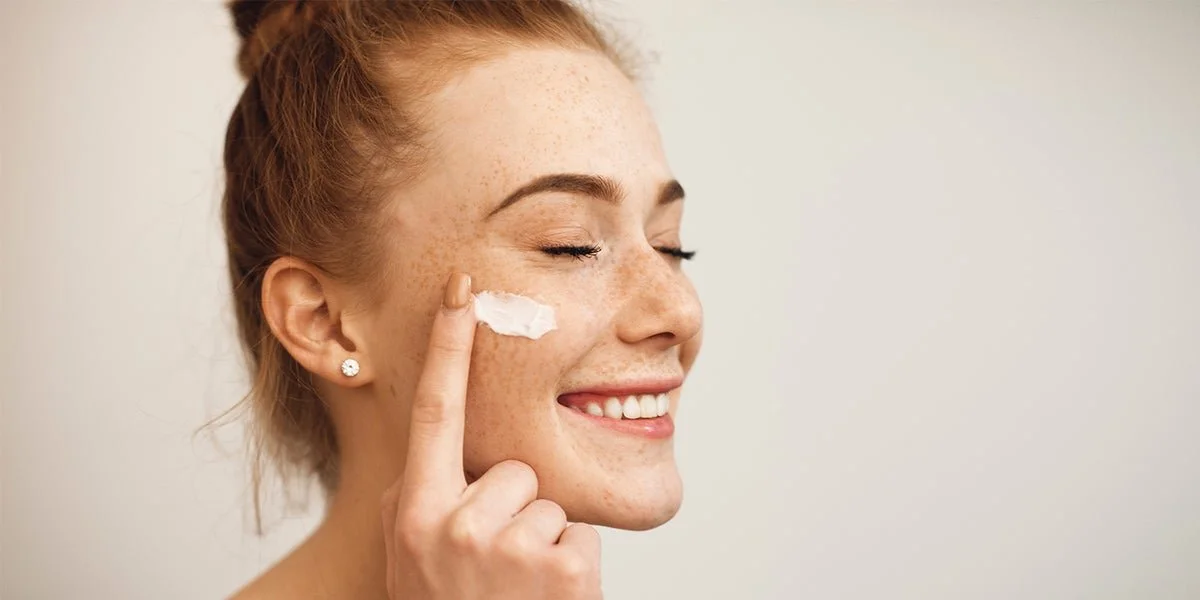
Metabolic beauty has officially arrived as 2026's most transformative skincare movement, shifting the industry's focus from surface-level fixes to deep cellular energy and repair. Coined by Mintel as a top global beauty trend, metabolic beauty is built on a simple but powerful premise: your skin is inseparable from your body's metabolism, and fluctuations in blood sugar, hormonal balance, and mitochondrial efficiency all leave visible traces on the skin's surface. Instead of layering on retinol or chasing the next viral serum, this approach targets NAD+, NMN, and mitochondrial health to rejuvenate skin from the inside out. Here is everything you need to know about metabolic beauty in 2026 and why dermatologists say it could replace the anti-aging category entirely.
What Is Metabolic Beauty — and Why Is It the Biggest Skincare Shift of 2026?
Metabolic beauty represents a fundamental rethinking of how the skincare industry approaches aging and skin health. Traditional anti-aging has long operated on the principle of treating visible symptoms — smoothing wrinkles with retinoids, plumping fine lines with hyaluronic acid, brightening dark spots with vitamin C. Metabolic beauty, by contrast, asks a deeper question: what if the real problem is not the wrinkle itself, but the declining cellular energy that allowed it to form?
According to Mintel's 2026 global beauty forecast, metabolic beauty sits at "the tipping point for merging beauty and health," as consumers increasingly seek holistic wellness solutions that address root causes rather than symptoms. The approach draws from longevity science, functional medicine, and cellular biology, treating skin as a living organ that reflects — and reacts to — what is happening at the metabolic level. As we explored in our Skin Longevity 2026 guide, the industry is moving decisively toward preservation, resilience, and regeneration over aggressive correction.
This is not a passing TikTok trend. Metabolic beauty is being driven by peer-reviewed science, major brand investment, and a consumer base that has grown sophisticated enough to demand efficacy data. Brands like Murad, Perricone MD, The Nue Co., and a wave of K-beauty innovators are building product lines around metabolic principles — bridging cosmetics, nutrition, and dermatology into a single protocol.
The Science Behind Metabolic Skincare: NAD+, NMN, and Mitochondrial Health
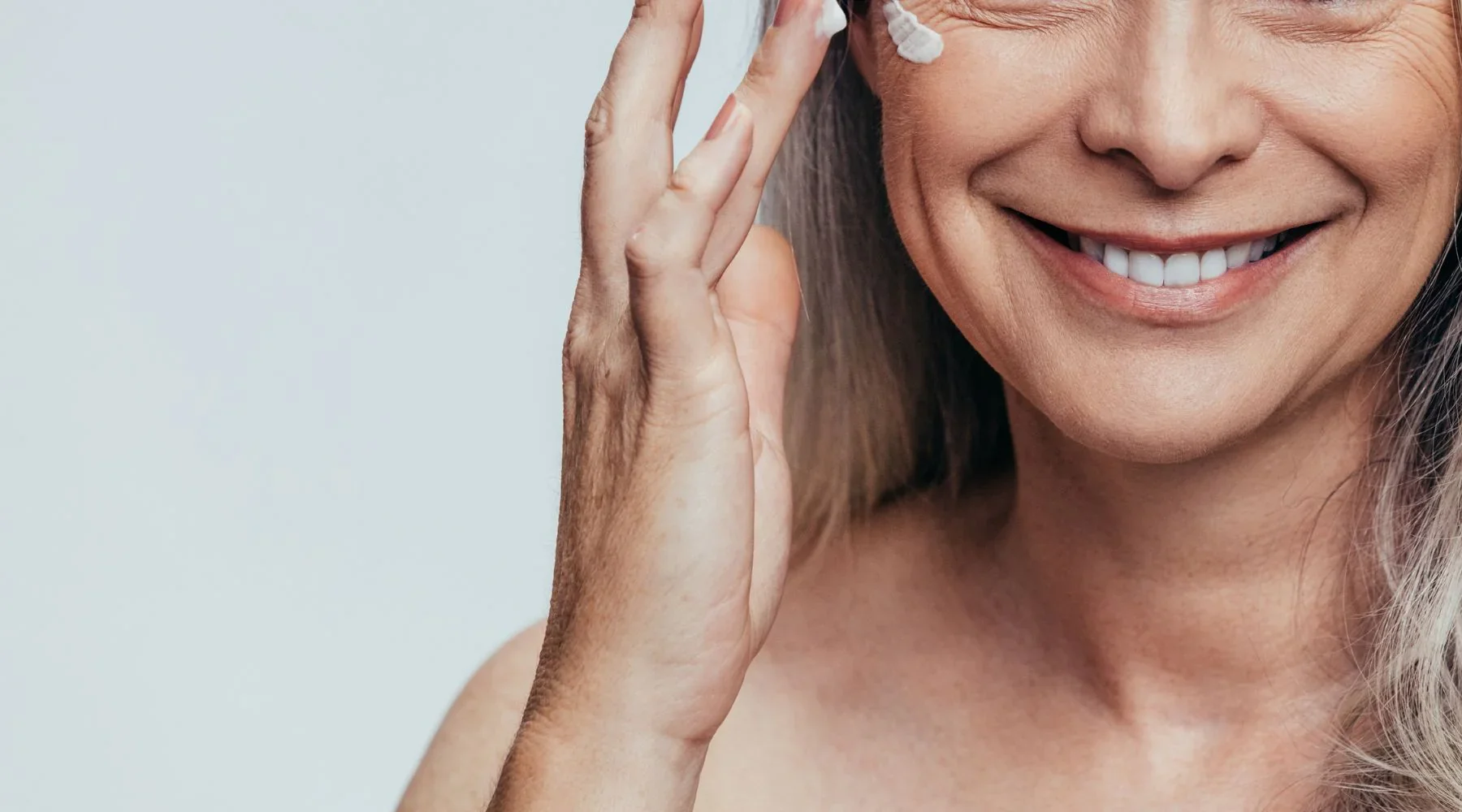
At the heart of metabolic beauty is a molecule called NAD+ (nicotinamide adenine dinucleotide). NAD+ is essential to virtually every energy-producing process in human cells. It fuels mitochondria — the powerhouses of your cells — and activates sirtuins, a family of enzymes that regulate DNA repair, inflammation control, and cellular longevity. The problem is that NAD+ levels decline naturally with age. By the time you reach your 40s, your skin cells are operating with roughly half the NAD+ they had in your 20s. This decline correlates directly with slower wound healing, reduced collagen synthesis, increased oxidative damage, and the gradual loss of skin firmness and radiance.
NMN (nicotinamide mononucleotide) has emerged as the most promising precursor to NAD+ in topical skincare. Unlike niacinamide, which must undergo multiple enzymatic conversions to become NAD+, NMN is a high-efficiency booster that the skin converts into NAD+ more directly. Korean beauty labs have been at the forefront of formulating stable, penetration-optimized NMN serums. As we detailed in our K-Beauty Ingredients Encyclopedia, the convergence of biotech actives and K-beauty formulation expertise is producing ingredients that were unthinkable just two years ago.
Mitochondrial health is the third pillar. When mitochondria are damaged or dysfunctional — a process accelerated by UV exposure, pollution, poor sleep, and high-sugar diets — they produce excess reactive oxygen species (ROS) that attack surrounding cellular structures. Metabolic beauty products target this dysfunction directly, using ingredients like Urolithin A (marketed as Mitopure by Timeline), CoQ10, and PQQ to trigger mitophagy — the process by which cells clear out damaged mitochondria and replace them with healthy ones.
7 Key Metabolic Beauty Ingredients Dermatologists Recommend in 2026
Not every ingredient labeled "cellular" or "energy-boosting" delivers genuine metabolic benefits. Here are the seven actives with the strongest scientific backing for metabolic skincare in 2026:
1. NAD+ (Nicotinamide Adenine Dinucleotide)
The master regulator of cellular energy. Stabilized topical NAD+ formulations are now available from brands like Cos De BAHA, whose 10% NAD+ Serum pairs the molecule with growth factor peptides (EGF, FGF) for comprehensive cellular support. NAD+ boosts DNA repair enzymes and sustains cellular vitality across all skin layers.
2. NMN (Nicotinamide Mononucleotide)
A direct NAD+ precursor that converts more efficiently than niacinamide. Derma Factory's NMN 1% Renewing Serum — a K-beauty standout — combines 1% NMN with 0.1% NAD, niacinamide, and resveratrol for layered antioxidant defense. Look for liposomal or encapsulated NMN formulations for better skin penetration.
3. CoQ10 (Coenzyme Q10)
A naturally occurring antioxidant that supports mitochondrial electron transport — the final step in cellular energy production. CoQ10 levels drop with age and UV exposure, making topical supplementation particularly valuable for mature and sun-damaged skin. It pairs synergistically with vitamin E and ferulic acid.
4. Niacinamide (Vitamin B3)
The foundational metabolic beauty ingredient. While niacinamide has been a skincare staple for years, its role in NAD+ pathway support gives it new relevance in the metabolic beauty framework. It strengthens the skin barrier, reduces inflammation, minimizes pores, and supports NAD+ synthesis simultaneously. Products like Paula's Choice 10% Niacinamide Booster remain gold-standard options.
5. Urolithin A (Mitopure)
Originally developed as a longevity supplement, Urolithin A triggers mitophagy — the selective recycling of damaged mitochondria. Lancome's Timeline range brought Mitopure into topical beauty for the first time in early 2026, targeting the skin's biological age through mitophagy-driven cellular renewal. This ingredient represents the most direct bridge between longevity science and skincare.
6. Peptides (Signal and Carrier Types)
Signal peptides communicate with cells to increase collagen production, while carrier peptides deliver trace minerals that activate enzymatic processes. In metabolic beauty, peptide blends are valued for their ability to "instruct" aging cells to behave more youthfully. The RMA Complex by IDEO Skincare, for example, uses a peptide-based approach that boosts mitochondrial metabolism and neutralizes free radicals simultaneously.
7. Adaptogens (Ginseng, Reishi, Ashwagandha)
Botanical adaptogens help skin cells manage stress more efficiently, modulating cortisol-related inflammation and supporting energy homeostasis. Korean ginseng extracts are particularly well-studied for their ability to enhance cellular ATP production and improve microcirculation.
Best Metabolic Beauty Products Worth Trying in 2026
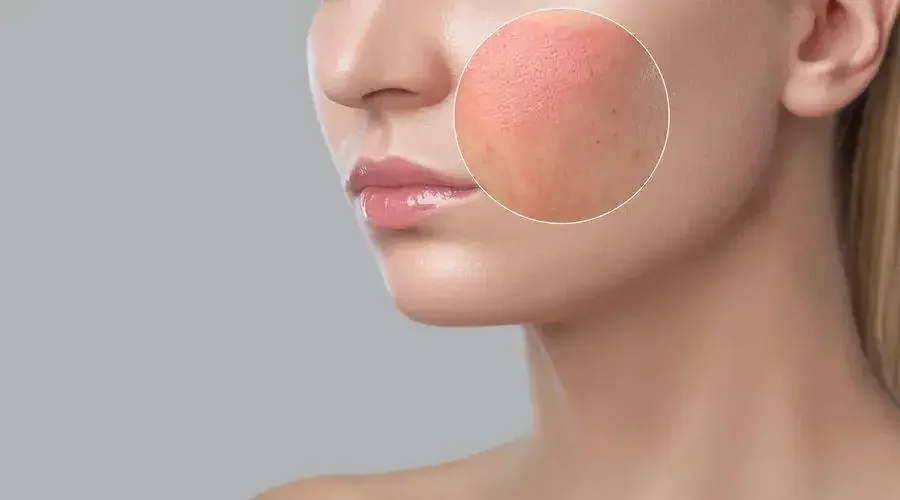
The metabolic beauty category is expanding rapidly, but not every product lives up to its cellular energy claims. Here are the standout formulations that dermatologists and cosmetic chemists are recommending in 2026:
Derma Factory NMN 1% Renewing Serum — A K-beauty innovation containing 1% NMN and 0.1% NAD alongside niacinamide and resveratrol. This serum directly targets NAD+ replenishment while providing antioxidant protection. The lightweight, fast-absorbing formula makes it suitable for layering under heavier creams.
Cos De BAHA 10% NAD+ Serum — One of the highest-concentration topical NAD+ products available, paired with EGF and FGF growth factor peptides. This serum approaches skin aging as a cellular energy deficit, supplying both the fuel (NAD+) and the repair signals (growth factors) simultaneously.
Nescens Metabolic Activator Toner — A Swiss luxury formulation that primes the skin for metabolic-active serums by optimizing pH and cellular receptivity. It features a proprietary blend of metabolic precursors designed to enhance the absorption and efficacy of subsequent NAD+-boosting products.
SkinCeuticals CE Ferulic — While not marketed as a metabolic beauty product, its combination of L-ascorbic acid, vitamin E, and ferulic acid protects mitochondria from oxidative stress — a critical function in any metabolic skincare routine. It remains one of the most clinically validated antioxidant serums available.
Viva Health Niacera Lift Cream — Formulated with high-concentration niacinamide for sustained NAD+ pathway support, this cream targets sagging and loss of firmness through a metabolic lens rather than a mechanical one. It pairs well with dedicated NMN serums for a complete NAD+ protocol.
Drunk Elephant Protini Polypeptide Cream — A signal peptide powerhouse that instructs skin cells to increase protein production. Its blend of nine peptides combined with pygmy waterlily stem cell extract supports cellular communication pathways essential to metabolic function. You can explore more biotech ingredients in our Exosome Skincare guide for the next frontier in cell-signaling actives.
How to Build a Metabolic Beauty Routine: AM and PM Protocols
Building a metabolic beauty routine is less about adding steps and more about choosing the right actives in the right order. Industry experts recommend a streamlined approach that maximizes cellular energy support without overwhelming the skin.
Morning Protocol:
- Gentle pH-balanced cleanser (avoid stripping the barrier)
- Metabolic activator toner or essence (NAD+ precursor support)
- Antioxidant serum (vitamin C + E + ferulic acid to protect mitochondria from UV-generated ROS)
- Niacinamide booster (NAD+ pathway maintenance)
- Lightweight moisturizer with peptides
- Broad-spectrum SPF 50+ (UV damage is the primary driver of mitochondrial dysfunction in skin)
Evening Protocol:
- Double cleanse (oil + water-based)
- NMN or NAD+ serum (peak cellular repair happens during sleep)
- Peptide treatment (signal peptides work best during nocturnal repair cycles)
- CoQ10-enriched night cream or sleeping mask
- Facial oil with adaptogens (optional — ginseng or reishi extracts for stress modulation)
The key principle: support cellular energy during the day (protect) and cellular repair at night (regenerate). This aligns with the body's natural circadian rhythm of metabolic activity, which is why timing matters in metabolic beauty. For those who prefer fewer products, our Skinimalism 2026 guide shows how to simplify without sacrificing results.
What Dermatologists and Industry Experts Say About Metabolic Beauty
The expert consensus is clear: metabolic beauty is not a marketing gimmick but a genuine paradigm shift backed by decades of longevity research now being translated to topical skincare.
Gabriella Sebestyen, a Korean skincare formulation expert, frames the core insight powerfully: "Aging is essentially a decline in cellular performance. As the skin's energy production and repair mechanisms slow down, we see delayed recovery, loss of structural integrity, and reduced resilience. Metabolic beauty addresses the cause, not just the consequence."
Alena Demina, founder of System Skin, pushes back against the hype cycle: "Consumers no longer fall for the idea that one compound with an exotic name can undo a decade of biological processes. They want systems-level thinking — and metabolic beauty delivers that by treating skin as part of a larger biological network."
Zein Obagi, the legendary dermatologist behind ZO Skin Health, has consistently emphasized that effective skincare must "work at the cellular level to restore normal skin function," a philosophy that metabolic beauty operationalizes through NAD+ and mitochondrial-targeting ingredients.
Data from in-cosmetics Connect confirms the trajectory: "2026 will reward brands that can translate biotech sophistication into clear, results-driven stories consumers can trust." The shift from marketing-led beauty to science-led metabolic skincare is not a trend — it is a structural change in how the industry operates. Ingredients like PDRN (salmon DNA) and exosomes complement the metabolic beauty approach by supporting the DNA repair side of the equation.
Metabolic Beauty vs. Traditional Anti-Aging: What Changes?
Understanding how metabolic beauty differs from conventional anti-aging helps clarify why dermatologists are calling it a replacement rather than an extension of the old paradigm:
| Aspect | Traditional Anti-Aging | Metabolic Beauty |
|---|---|---|
| Target | Visible symptoms (wrinkles, spots) | Cellular energy and repair capacity |
| Key Ingredients | Retinol, AHA/BHA, vitamin C | NAD+, NMN, CoQ10, peptides |
| Philosophy | Correct and conceal damage | Prevent decline by optimizing metabolism |
| Approach | Topical surface treatment | Inside-out cellular optimization |
| Timeline | Short-term visible results | Long-term skin health investment |
This does not mean retinol or vitamin C become obsolete — they remain powerful tools. But metabolic beauty reframes them as part of a larger cellular support system rather than standalone solutions. For a deeper look at the science-backed anti-aging landscape, see our comprehensive Anti-Aging Skincare Guide 2026.
You May Also Like
- Skin Longevity 2026: Why Dermatologists Say It Replaces Anti-Aging
- Exosome Skincare 2026: Do These Cell-Signaling Serums Actually Work?
- PDRN Skincare 2026: The Salmon DNA Ingredient Taking Over K-Beauty
- K-Beauty Ingredients Encyclopedia 2026: Every Trending Active Explained
Frequently Asked Questions About Metabolic Beauty
Q: What is metabolic beauty in skincare?
A: Metabolic beauty is a 2026 skincare approach that targets cellular energy production and repair mechanisms rather than just treating visible signs of aging. It uses ingredients like NAD+, NMN, and CoQ10 to optimize mitochondrial function and support the skin's natural regeneration processes at the deepest biological level.
Q: Is NAD+ the same as niacinamide?
A: No. Niacinamide (vitamin B3) is a precursor that the body converts into NAD+ through multiple enzymatic steps. NAD+ is the final, active molecule that fuels cellular energy production. NMN (nicotinamide mononucleotide) is a more direct precursor that converts to NAD+ more efficiently than niacinamide, which is why NMN-based serums are gaining popularity in 2026.
Q: Can I combine metabolic beauty products with retinol?
A: Yes. NAD+ and NMN serums are generally non-irritating and complement retinol by supporting the cellular repair processes that retinol stimulates. Apply your NMN or NAD+ serum first, then layer retinol on top. However, introduce new actives gradually and monitor your skin for sensitivity, especially if you use prescription-strength retinoids.
Q: How long does it take to see results from metabolic skincare?
A: Metabolic beauty operates on a longer timeline than conventional actives. While some users report improved radiance and texture within 2 to 4 weeks, the deeper cellular benefits — improved barrier function, enhanced resilience, reduced sensitivity — typically become noticeable at 8 to 12 weeks of consistent use. This approach prioritizes sustainable long-term results over quick fixes.
Q: Are metabolic beauty products safe for sensitive skin?
A: Most metabolic beauty ingredients (NAD+, NMN, niacinamide, CoQ10) are well-tolerated by sensitive skin types because they work with the skin's natural biology rather than against it. Unlike retinol or chemical exfoliants, these ingredients do not cause purging or irritation. Start with lower concentrations and build up gradually if you have reactive skin.
The Bottom Line
Metabolic beauty is not a repackaged anti-aging trend — it is a fundamental reimagining of what skincare can achieve when it targets the root cause of skin aging: declining cellular energy. With NAD+, NMN, CoQ10, and mitochondrial-targeting ingredients now available in well-formulated topical products, consumers finally have tools that address skin health at the deepest biological level. The brands leading this space — from K-beauty innovators like Derma Factory and Cos De BAHA to established names like SkinCeuticals and Perricone MD — are proving that the future of skincare is not about adding more products, but about making every cell in your skin work better. If you are ready to move beyond surface-level solutions, metabolic beauty offers the most scientifically grounded path forward in 2026.
Sources: Beauty Independent | Korean Skincare Coach | in-cosmetics Connect | Viva Health Skincare | Makeup Brands


댓글
댓글 쓰기